
Test Equipment
Splicers, meters, identifiers and inspection tools for people who have to prove the link works
All 15 Test Equipment Products
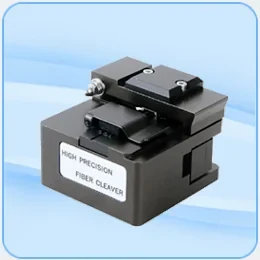
EL-DVP-105
Used for fusion splicing outside plant and drop cable.
View Details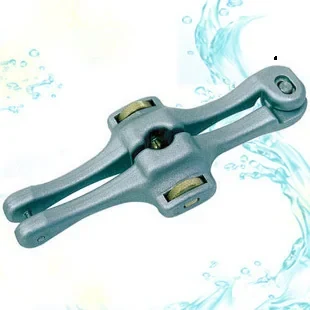
EL-SI-01
Used for identifying the live fiber in a congested closure.
View Details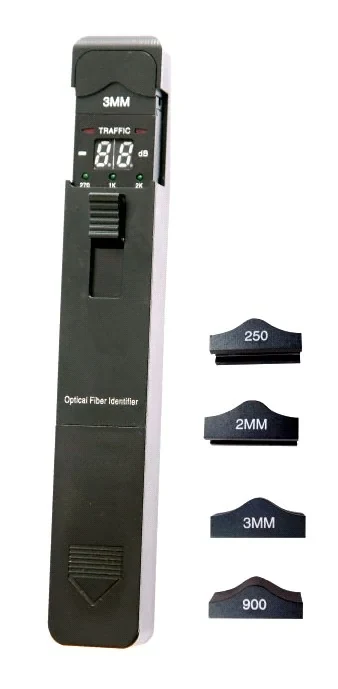
BD301 Fiber Identifier
Used for inspecting end faces on an assembly bench.
View Details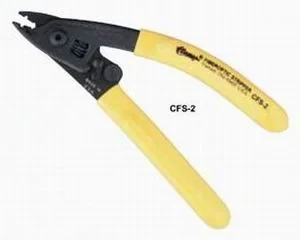
CFS-2
Used for fusion splicing outside plant and drop cable.
View Details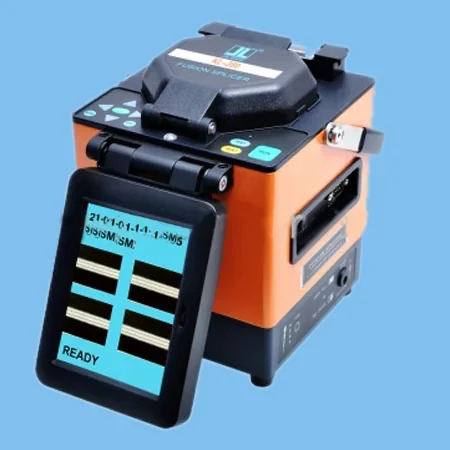
KL-280 Fusion Splicer
Used for identifying the live fiber in a congested closure.
View Details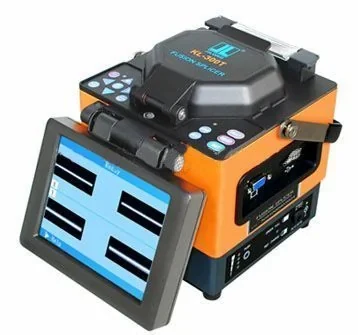
KL-300T Fusion Splicer
Used for fusion splicing outside plant and drop cable.
View Details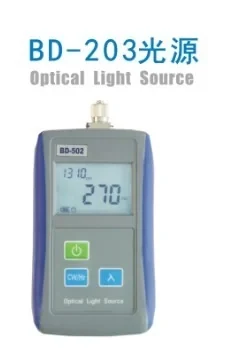
BD203
Used for inspecting end faces on an assembly bench.
View Details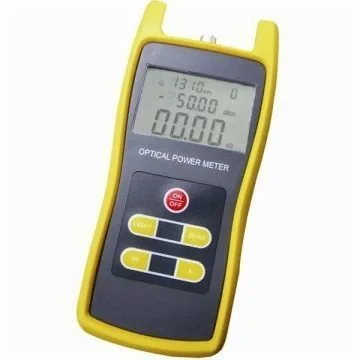
KL-310 Optical Power Meter
Used for fusion splicing outside plant and drop cable.
View Details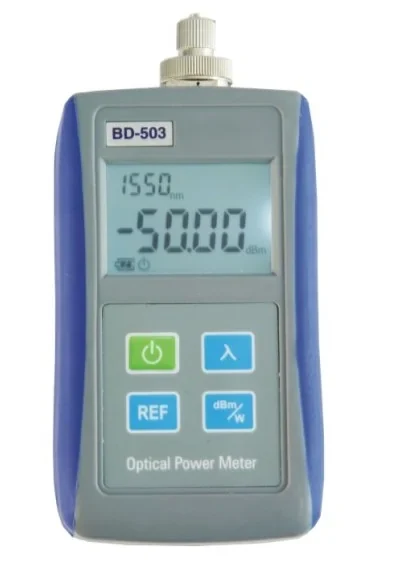
BD503
Used for identifying the live fiber in a congested closure.
View Details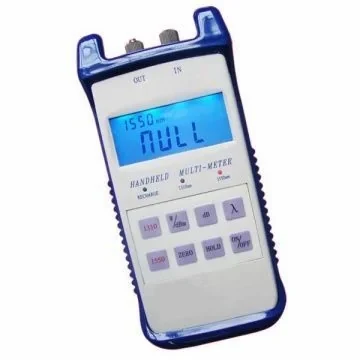
KL-330 Optical Multi Meter
Used for certifying a newly installed link against its budget.
View Details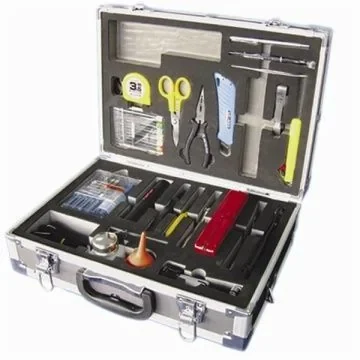
KL08A Optical Tool Box
Used for identifying the live fiber in a congested closure.
View Details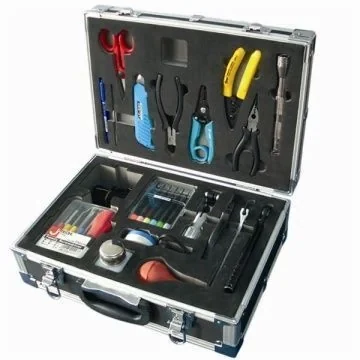
KL08C Optical Tool Box
Used for identifying the live fiber in a congested closure.
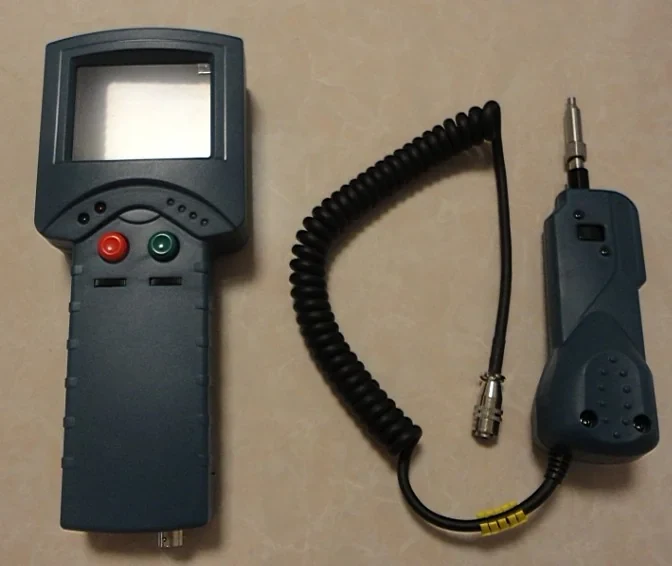
View DetailsFiber Video Scope
Used for localising a break during an emergency restoration.
View Details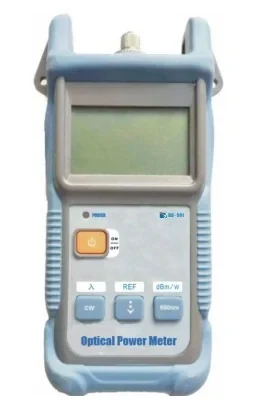
BD501
Used for identifying the live fiber in a congested closure.
View Details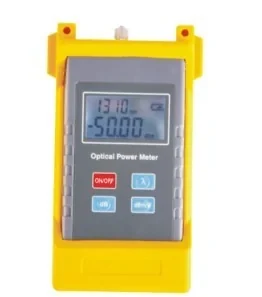
BD502
Used for fusion splicing outside plant and drop cable.
View DetailsTest Equipment In Practice
A fiber link is not finished when it lights up; it is finished when someone can show the numbers. Fusion splicers, power meters, light sources, fiber identifiers and inspection scopes are what turn an installation into a documented one, and what turn a fault report into a location.
Problems This Range Solves
- Links handed over with no measured evidence that they meet the budget
- Faults localised by walking the route instead of by measurement
- Live fibres cut because nobody checked whether traffic was present
- Splice quality that varies with the technician and the weather
- Contamination diagnosed by guesswork instead of by inspection
Who It Is For
- Installation contractors certifying completed links
- Network maintenance and restoration crews
- Splicing teams working on outside plant
- Laboratories and equipment manufacturers
- Training centers teaching fiber practice
Where It Is Used
- Certifying a newly installed link against its budget
- Localising a break during an emergency restoration
- Identifying the live fiber in a congested closure
- Fusion splicing outside plant and drop cable
- Inspecting end faces on an assembly bench
What You Get From Our Test Equipment
Advantages
- Measured evidence for handover rather than an assurance
- Faster fault localisation than route walking
- Fiber identification before anyone cuts anything
- Consistent splice quality independent of who is on shift
- Inspection that turns contamination from a theory into a picture
Technical Features
- Fusion splicers with automatic alignment and loss estimation
- Optical power meters and light sources for loss measurement
- Fiber identifiers for detecting traffic without disconnecting
- Video inspection scopes for end-face examination
- Tool boxes that carry a complete working kit
Materials
- Impact-resistant instrument housings
- Precision optical detectors and sources
- Rechargeable battery packs
- Carrying cases and tool boxes
Customization Options
- Wavelength and measurement range
- Connector interface on meters and sources
- Kit contents and tool box configuration
- Carrying case format
- Calibration documentation on request
Manufacturing Process
- Instrument assembly and calibration
- Optical reference calibration against traceable standards
- Functional and battery endurance testing
- Firmware loading and verification where applicable
- Packing with accessories, case and documentation
Quality Control
- Calibration verified against reference standards before shipment
- Functional test of every measurement mode
- Battery charge and endurance verification
- Drop and handling sampling on portable units
- Accessory and case contents verified before dispatch
Where This Range Is Specified
Telecom and Carrier Networks
Passive components for access, metro and transmission plant that has to stay up for decades
Data Center and Enterprise LAN
High-density patching, structured cabling and building-to-building links
Test Measurement and OEM Integration
Component-level supply for instrument builders and cable assembly houses
Industrial and Medical Optical Links
Fiber links in environments where electrical noise, isolation or geometry rules out copper
How It Is Used In The Field
Central Office ODF Consolidation
Turning a fiber plant that grew without a frame into one a new engineer can read
CATV Optical Level Balancing
Bringing an optical distribution tree into level, and keeping reflections out of the picture
Field Drop Termination Without A Splicer
Terminating a subscriber drop with a cleaver and a hand tool, and knowing what that trade costs
Specifying and Handling Test Equipment
Before You Order
- Set a reference with the same cords you will use for the measurement
- Clean and inspect every connector before it goes into a test setup
- Use a fiber identifier before cutting or disconnecting anything
On Site
- Record wavelength, reference method and cord type with every result
- Keep instruments calibrated on a documented schedule
- Store batteries charged and instruments capped between jobs
Test Equipment Questions
What is the minimum kit for certifying a link?
A light source and power meter pair at the wavelengths you operate at, reference cords, an inspection scope and cleaning consumables. That combination gives you a defensible loss measurement and evidence that the end faces were clean.
Why use a fiber identifier?
To find out whether a fiber is carrying traffic before you touch it. Cutting a live fiber because the records were wrong is expensive, and identification takes seconds.
Do the fusion splicers handle drop cable and ribbon?
Splicer capability varies by model. Tell us what cable types your crews actually splice and we will confirm which model covers them, rather than you discovering a limit on site.
Is calibration documentation available?
Calibration documentation can be supplied with measurement instruments on request. Say so on the order, because it is normally prepared at dispatch.
Can you supply complete tool kits rather than individual instruments?
Yes. Optical tool boxes are supplied as working kits, which is usually more practical than assembling a kit from separately sourced items.
Guides Related To This Range
How to Select a Fiber Optic Attenuator
Measure first, attenuate on the receive side, and record what you installed. The three rules that prevent most attenuator mistakes.
Maintenance GuideHow to Clean and Inspect Fiber Optic Connectors
Most high-loss ports are dirty, not faulty. The inspect, clean, inspect cycle and why new connectors are not exempt.
Process GuideInsertion Loss and Return Loss Explained
Two numbers on every test report, what each one is telling you, and how to build a link budget that survives being maintained.
Installation GuideInstalling Field Assembly Fast Connectors
A step by step method, the cleave quality that decides the result, and an honest account of what you trade against a fusion splice.
More Network & Testing
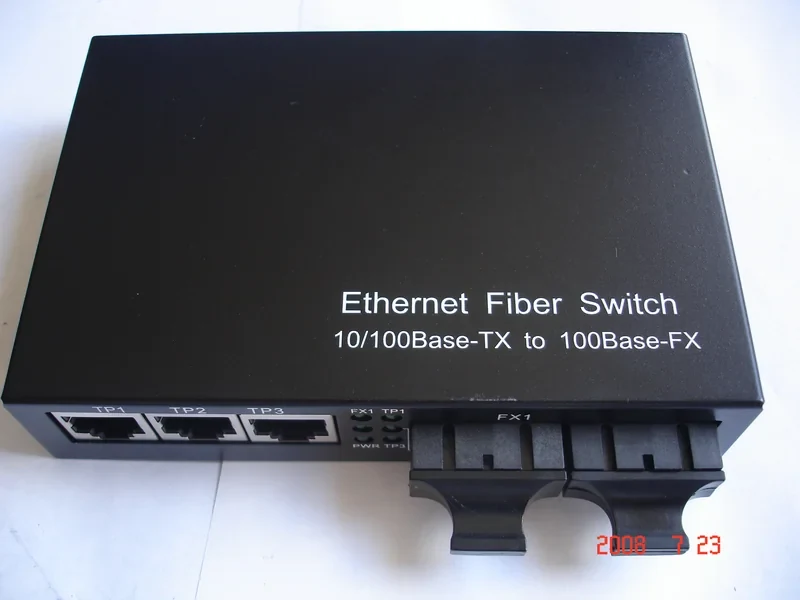
Fiber Optic Media Converter
Copper to fiber conversion where distance or interference rules out twisted pair
8 products
Fiber Cleaning Tool
The cheapest fix for the most common cause of optical loss
3 products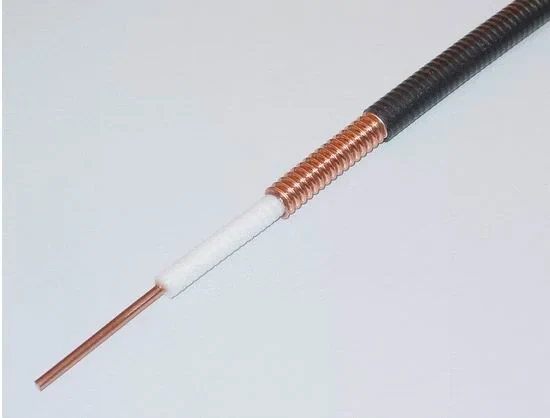
Coaxial Cable
Feeder and data cable for RF distribution and structured copper runs
3 products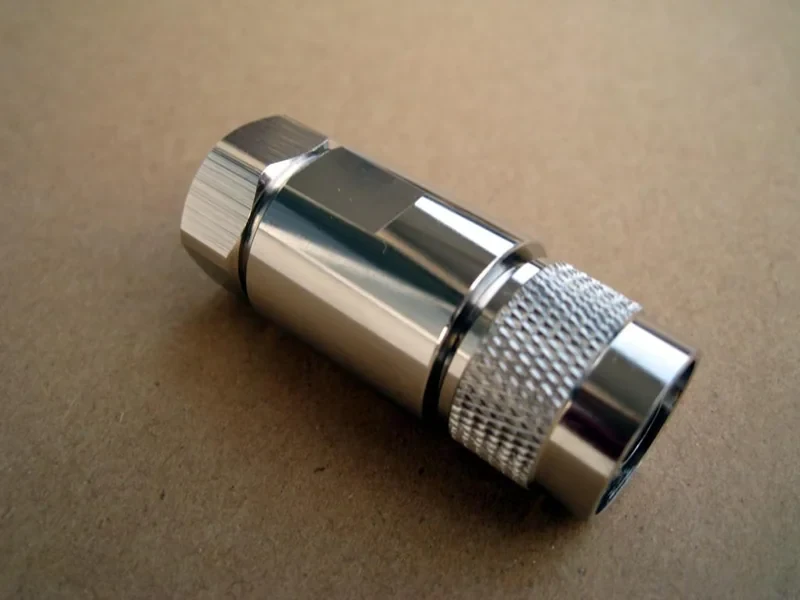
Coaxial Connector
Feeder and instrument connectors that keep impedance continuous
4 productsGet Pricing On Test Equipment
Email the model and quantity and we will reply with pricing, lead time and a datasheet for any item in the test equipment range.