
Telecom and Carrier Networks
Passive components for access, metro and transmission plant that has to stay up for decades
What Makes This Sector Different
Carrier plant is judged over twenty years, not over a purchase order. The connector that gets re-patched a thousand times, the closure that gets reopened every time a street is sold, the frame that a new engineer has to understand at three in the morning: those are the parts that decide what the network costs to own.
Pain Points
- Link budgets that leave no margin for the loss a network accumulates as it is maintained
- Connector estates spanning three generations of equipment in one exchange
- Outside plant joints that fail seasonally and take a crew to reopen
- Patch fields that become unmaintainable after a few years of undocumented changes
- Component supply that cannot hold specification across a multi-year rollout
What Buyers Need
- Consistent insertion loss across repeat deliveries, not just within one batch
- Hybrid parts that let old and new connector standards coexist during migration
- Closures and frames that separate splicing from patching
- Single-source supply so one purchase order covers a whole build stage
- Test equipment that produces documentation the network can be handed over on
Typical Applications
- Terminating backbone cable onto rack-mounted distribution frames in an exchange
- Straight-through and branch joints along duct and aerial distribution routes
- Cross-connecting transmission equipment to the frame with documented loss
- Bringing short links into receiver range with calibrated attenuators
- Migrating a legacy FC or ST estate onto SC and LC equipment
Ranges We Supply Into Telecom and Carrier Networks
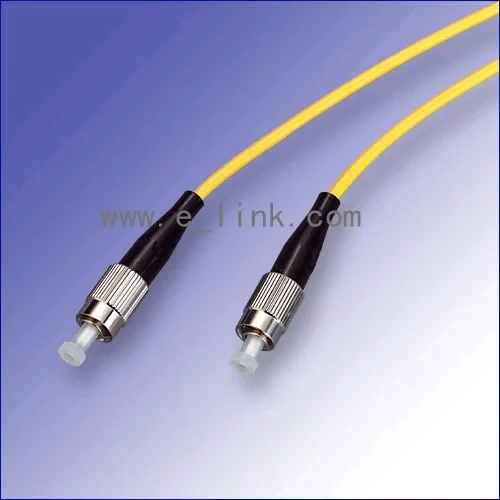
Fiber Optic Patchcord
Factory-terminated jumpers that turn a planned link budget into a working one
11 products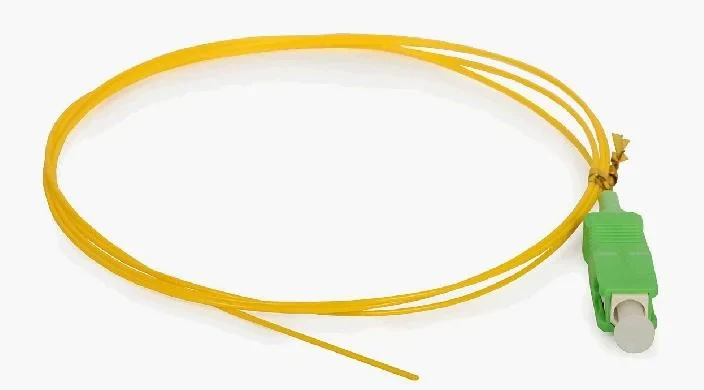
Various Pigtail
Pre-terminated tails that put the factory end face inside your splice tray
12 products
Fiber Adapter
Same-type mating sleeves that hold two ferrules on one axis
18 products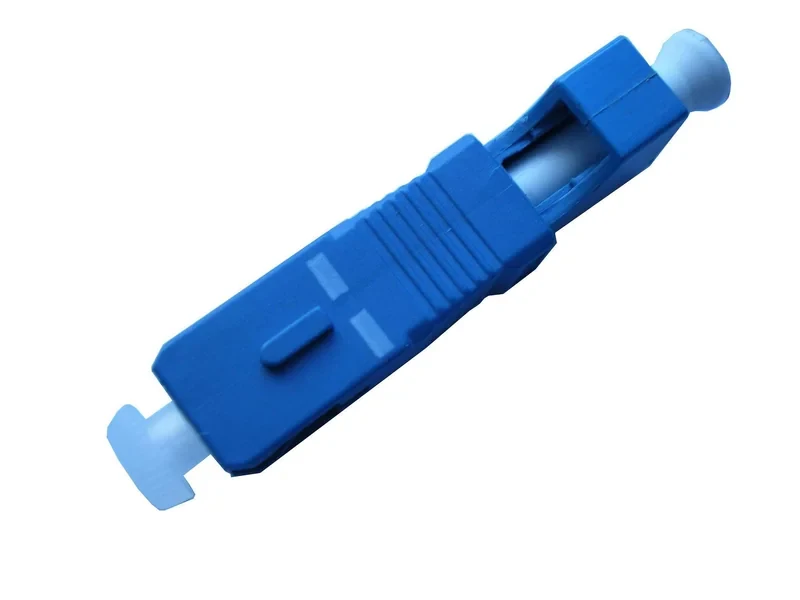
Hybrid Adapter
Cross-type mating sleeves that join two different connector standards
19 products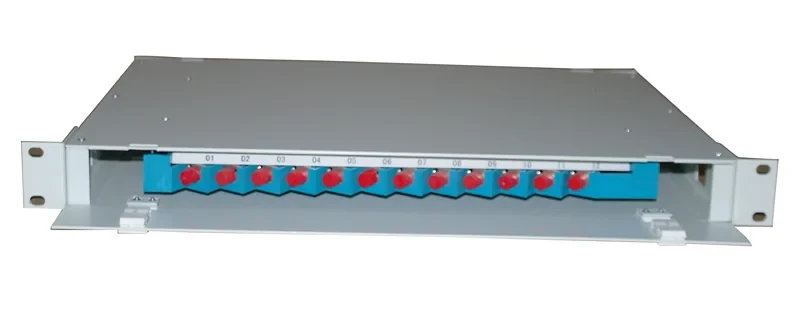
ODF
Rack-mounted optical distribution frames that make a fiber plant maintainable
7 products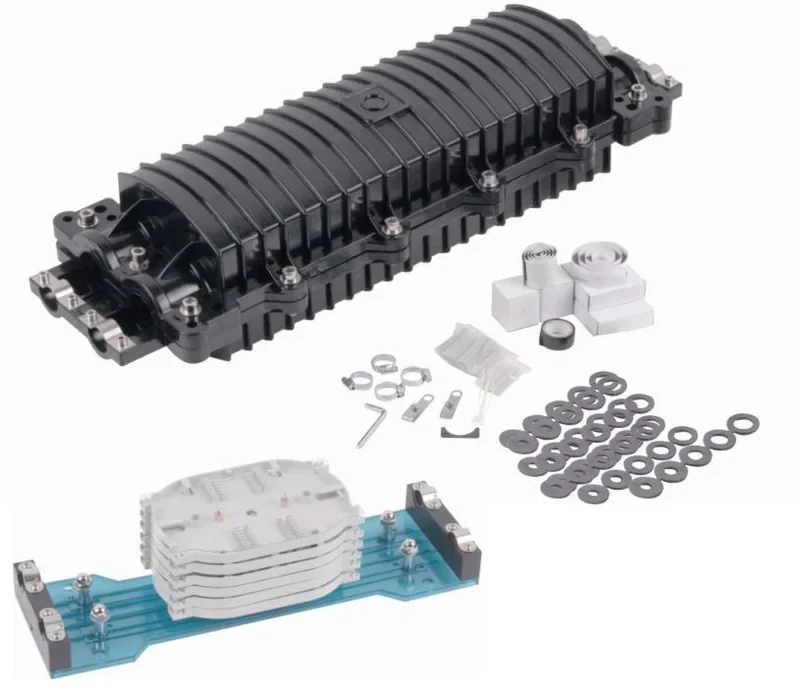
Horizontal FOSC
In-line splice closures for aerial, duct and direct-buried straight-through joints
8 products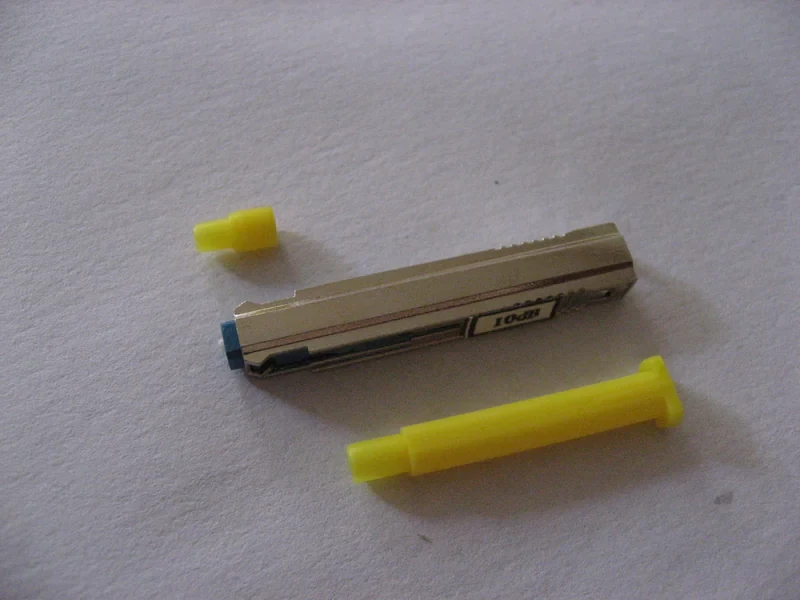
Fiber Optic Attenuator
Controlled loss, for when a receiver is being overdriven
10 products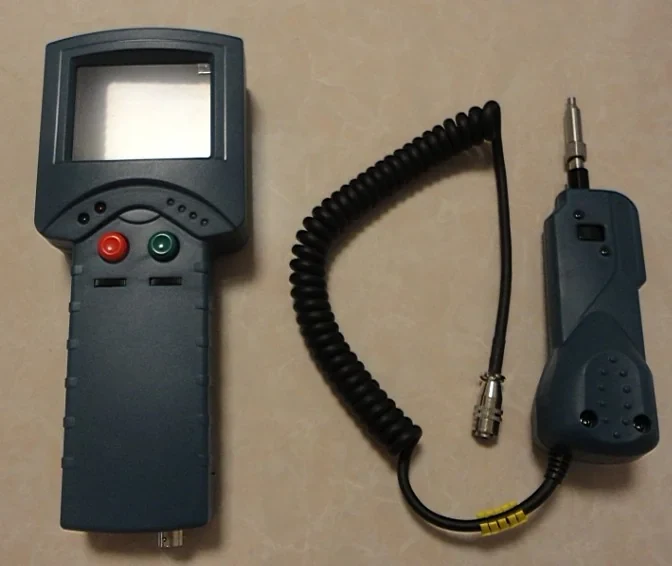
Test Equipment
Splicers, meters, identifiers and inspection tools for people who have to prove the link works
15 productsFrom Specification To Repeat Supply
We work from your connector standard, polish convention and fiber type rather than proposing a catalog default.
Sample assemblies are supplied with their measured loss values so your engineering team can verify before volume is committed.
Orders are built against the agreed specification with per-unit optical testing on assemblies.
Test records can accompany the shipment so the values are available at handover.
Specification is held between orders so a build stage two years later matches the first one.
Delivery Capability
- Per-unit optical test on cable assemblies
- Test records supplied on request
- Custom lengths and connector combinations
- Bulk packing for rollout programs
- One-year warranty against defects in materials and workmanship
Related Solutions
- Custom Cable Assembly Program
- FTTH Network Rollout Supply
- ODF and Patch Field Build-Out
- Consolidated Sourcing and Export
Telecom and Carrier Networks Questions
Can you hold the same specification across a multi-year rollout?
Yes. The specification agreed at sampling is held between orders, which matters more on carrier plant than on a one-off project. Tell us the program length and we will keep the build record against your part numbers.
Do you supply test records with cable assemblies?
Insertion loss and return loss are measured on assemblies before packing, and the records can be supplied with the shipment. Ask for them on the order rather than after delivery.
Can you support a connector migration where old and new standards coexist?
That is exactly what the hybrid adapter range is for. We can supply the hybrid parts, the converter assemblies and the new-standard cords from the same order.
What lead time should I plan for on a large order?
It depends on quantity, connector mix and whether the specification is already agreed. Send the bill of materials and destination and we will come back with a schedule rather than a generic figure.
Further Reading
Insertion Loss and Return Loss Explained
Two numbers on every test report, what each one is telling you, and how to build a link budget that survives being maintained.
Process GuideUPC and APC End Face Polish Explained
Why an eight degree angle changes where reflected light goes, when that matters enough to pay for it, and what happens if the two are mated.
Buying GuideHow to Choose a Fiber Optic Connector Type
FC SC LC ST MU MT-RJ and E2000 compared by what actually decides the choice: the port you have to mate with the space you have and how often it gets touched.
Supplying Telecom and Carrier Networks
Send us the specification, the architecture or the bill of materials. We will come back with what fits and what it costs.