
Fiber Optic Media Converter
Copper to fiber conversion where distance or interference rules out twisted pair
All 8 Fiber Optic Media Converter Products
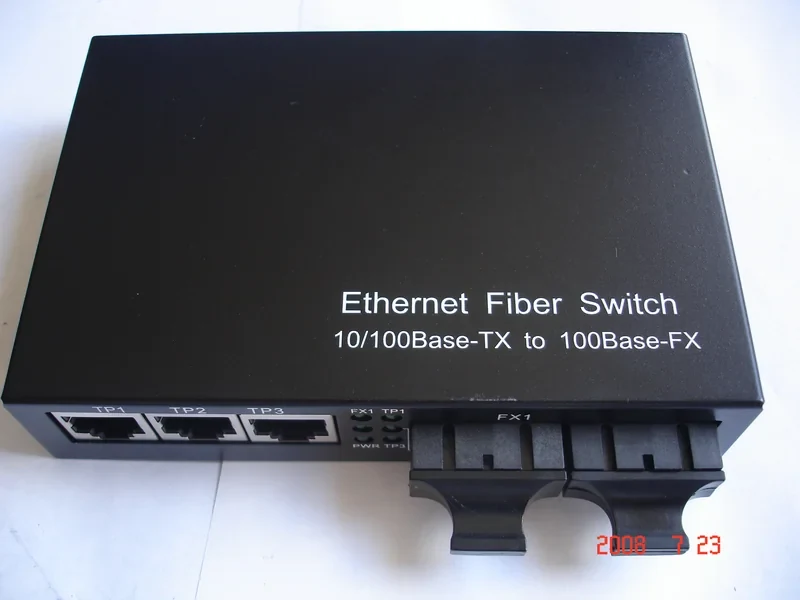
10/100 Media Converter
Used for backhauling an access point or small cell.
View Details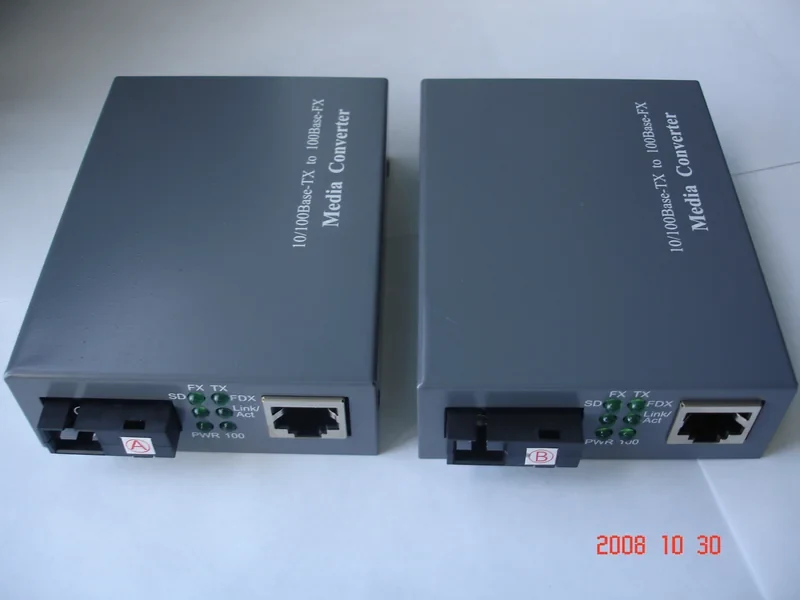
Double Fiber
Used for linking buildings on a campus over multimode or single-mode fiber.
View Details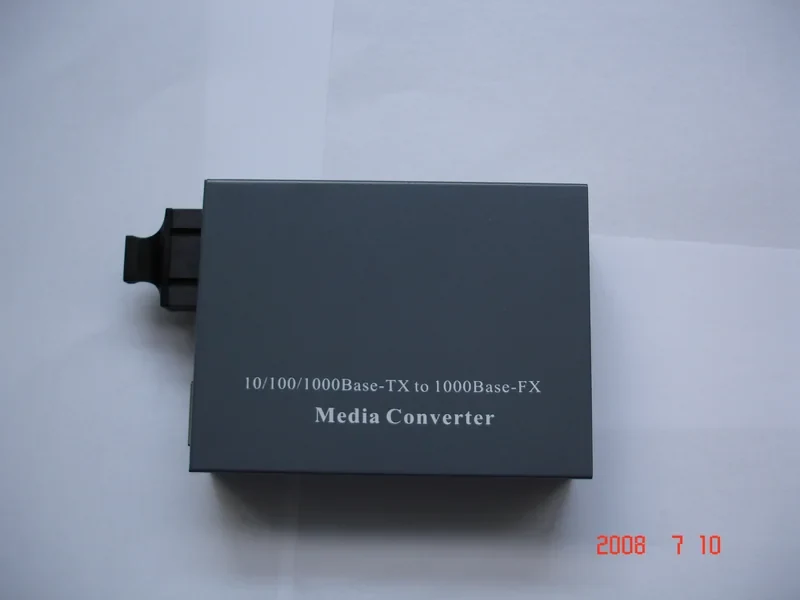
10/100/1000 Double Fiber
Used for extending CCTV to a remote gate or car park.
View Details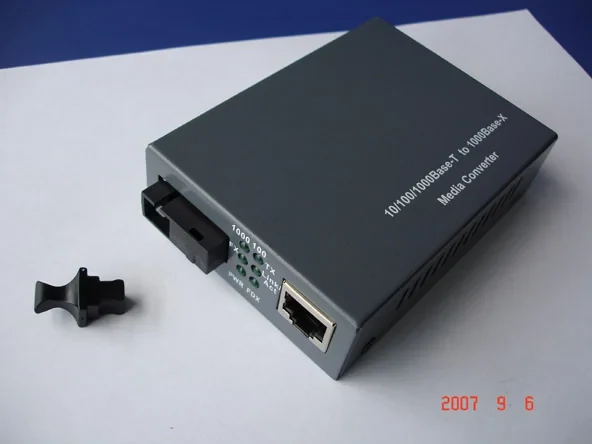
10/100/1000 Single Fiber
Used for connecting industrial equipment across a noisy plant.
View Details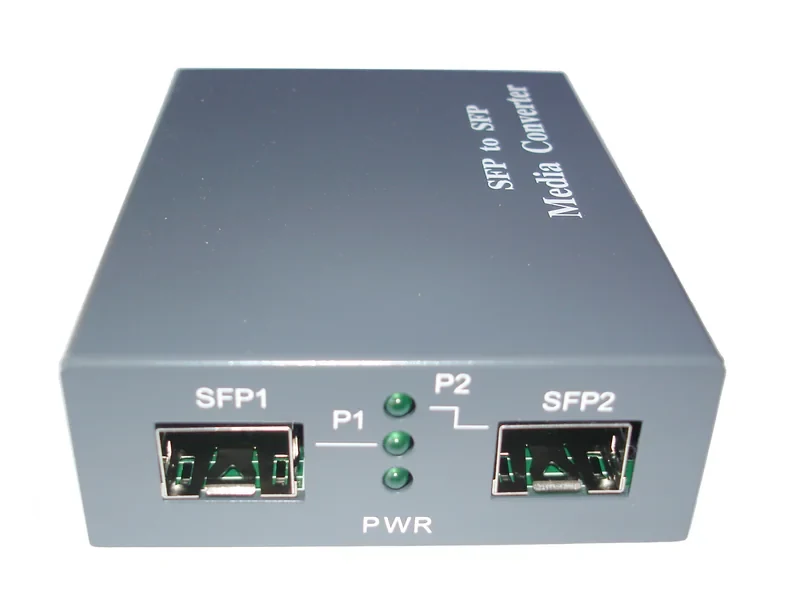
SFP-SFP
Used for consolidating converters into a rack chassis in a comms room.
View Details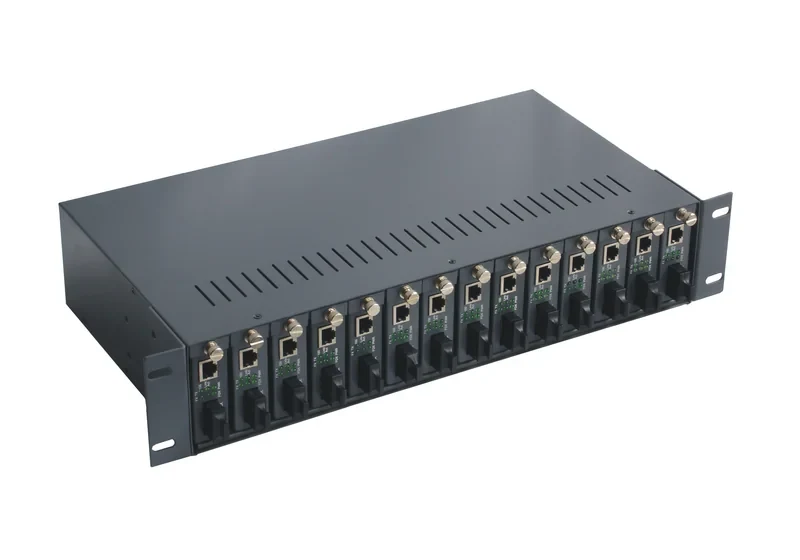
14 Media Converter Rack (Ref 276)
Used for connecting industrial equipment across a noisy plant.
View Details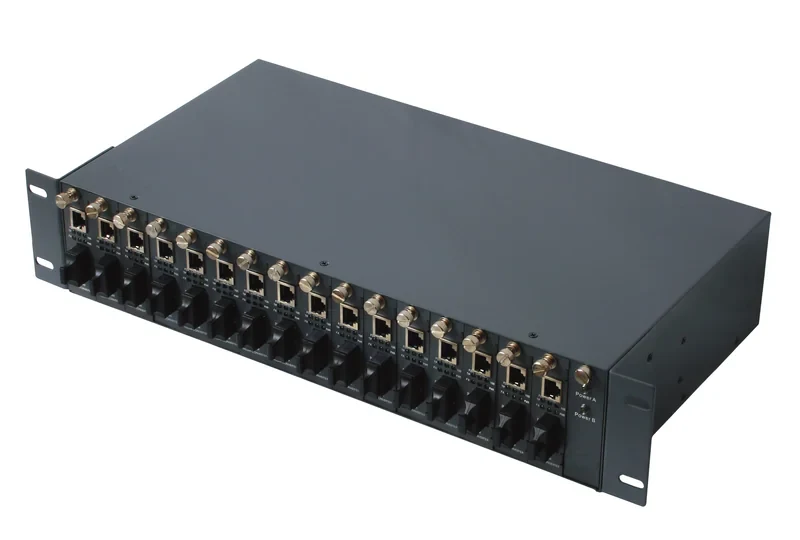
14 Media Converter Rack (Ref 277)
Used for backhauling an access point or small cell.
View Details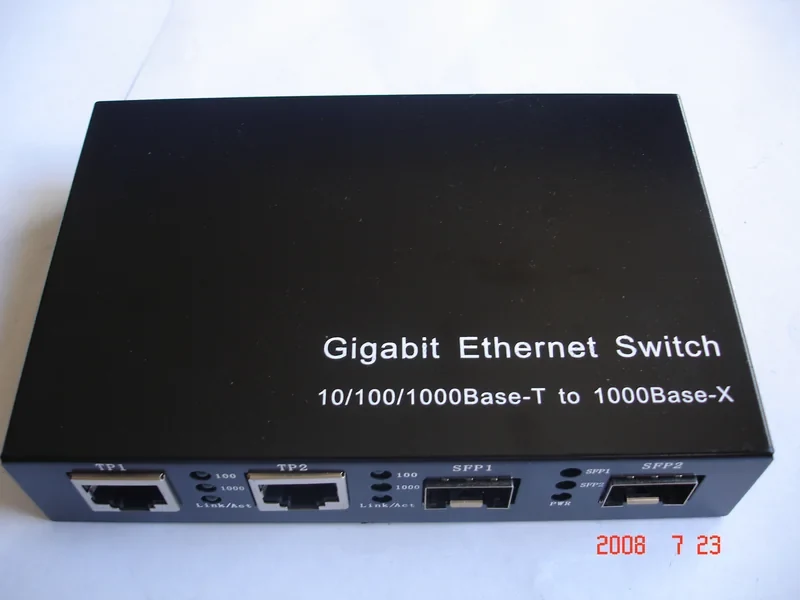
Four Ports 10/100/1000M Ethernet
Used for backhauling an access point or small cell.
View DetailsFiber Optic Media Converter In Practice
Twisted pair stops at a hundred meters and picks up whatever electrical noise is nearby. A media converter takes the Ethernet port you already have and puts it on fiber, which removes both limits without changing the equipment at either end.
Problems This Range Solves
- Ethernet runs that exceed the copper distance limit
- Electrical noise and ground potential differences between buildings
- Legacy equipment with copper-only ports on a fiber network
- Lightning and surge damage on inter-building copper
- Rack space consumed by dozens of standalone converters
Who It Is For
- Campus and multi-building network owners
- Industrial and process control network integrators
- CCTV and security system installers
- ISPs extending service into premises
- Enterprise IT teams linking remote plant
Where It Is Used
- Linking buildings on a campus over multimode or single-mode fiber
- Extending CCTV to a remote gate or car park
- Connecting industrial equipment across a noisy plant
- Backhauling an access point or small cell
- Consolidating converters into a rack chassis in a comms room
What You Get From Our Fiber Optic Media Converter
Advantages
- Extends Ethernet well beyond the copper distance limit
- Electrically isolates the two ends, removing ground loop and surge paths
- Keeps existing copper equipment in service on a fiber backbone
- Rack chassis versions consolidate many converters into one managed space
- Single-fiber and dual-fiber versions to suit the fiber you actually have
Technical Features
- 10/100 and 10/100/1000 Ethernet versions
- Single-fiber bidirectional and dual-fiber versions
- SFP-based versions for flexible optics selection
- Standalone and rack chassis formats
- Multi-port versions for several links from one unit
Materials
- Metal or engineering plastic chassis
- Populated circuit assembly
- Optical transceiver modules
- External or internal power supply
Customization Options
- Port speed and count
- Single-fiber or dual-fiber operation
- Fixed optics or SFP slots
- Standalone or chassis-mounted
- Private-label branding on volume orders
Manufacturing Process
- Board assembly and functional programming
- Optical module fitting and alignment
- Full-rate traffic testing
- Burn-in on applicable models
- Packing with power supply and documentation
Quality Control
- Throughput tested at full line rate before shipment
- Optical power output verified per unit
- Burn-in on sample units from each production lot
- Power supply safety and voltage checks
- Packing contents verified before dispatch
Where This Range Is Specified
Data Center and Enterprise LAN
High-density patching, structured cabling and building-to-building links
CATV and Broadcast Networks
Optical and coaxial distribution where return loss and level balance decide picture quality
Industrial and Medical Optical Links
Fiber links in environments where electrical noise, isolation or geometry rules out copper
Specifying and Handling Fiber Optic Media Converter
Before You Order
- Match the fiber mode and wavelength at both ends before deploying
- Use matched bidirectional pairs on single-fiber links; the wavelengths are complementary
- Check the optical budget over the actual route, not the straight-line distance
On Site
- Keep converters powered from a protected supply where the link is critical
- Label both ends of the link with the converter pair reference
- Verify at full line rate, not just link-up, before handing over
Fiber Optic Media Converter Questions
What is the difference between single-fiber and dual-fiber converters?
Dual-fiber uses one fiber for each direction at the same wavelength. Single-fiber carries both directions on one fiber at two different wavelengths, so the units must be bought as matched A and B pairs.
How far will a media converter reach?
It depends on the optics, the fiber mode and the loss of the actual route. Tell us the distance, the fiber type and the number of connectors and splices and we will confirm which version has the budget for it.
Do SFP-based converters give more flexibility?
Yes. With SFP slots you choose the optics separately, which lets one converter model cover short multimode links and long single-mode spans, and lets you change reach later without replacing the converter.
Can converters be rack mounted?
Yes, chassis versions consolidate multiple converter cards into a single rack-mounted unit with shared power, which is normally what you want above about six links.
Do converters need configuration?
Standard units operate without configuration. Confirm duplex and speed settings on the equipment they attach to, since a mismatch there is the most common cause of a link that comes up but performs badly.
More Network & Testing
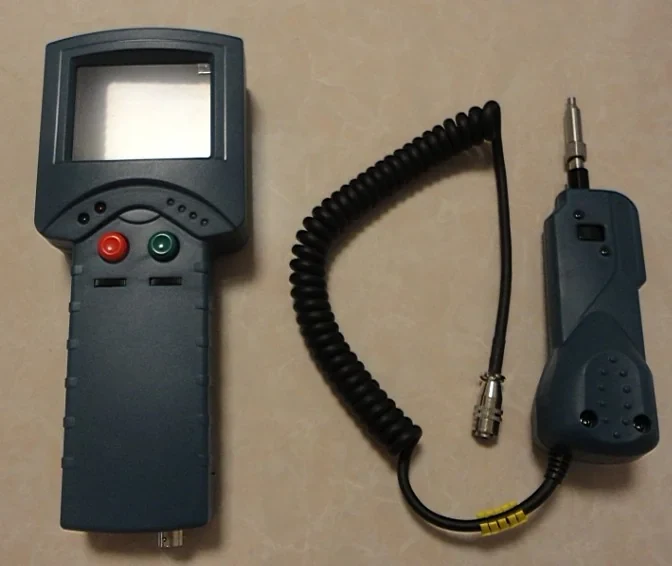
Test Equipment
Splicers, meters, identifiers and inspection tools for people who have to prove the link works
15 products
Fiber Cleaning Tool
The cheapest fix for the most common cause of optical loss
3 products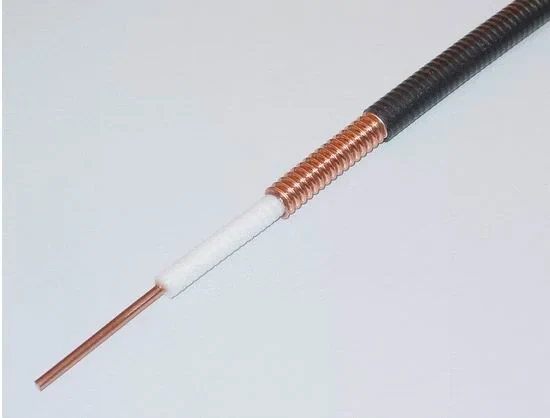
Coaxial Cable
Feeder and data cable for RF distribution and structured copper runs
3 products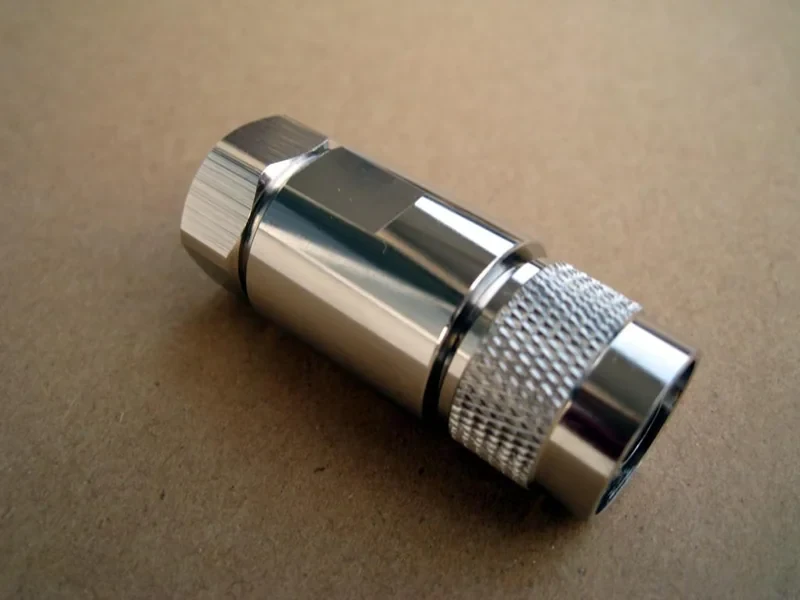
Coaxial Connector
Feeder and instrument connectors that keep impedance continuous
4 productsGet Pricing On Fiber Optic Media Converter
Email the model and quantity and we will reply with pricing, lead time and a datasheet for any item in the fiber optic media converter range.