
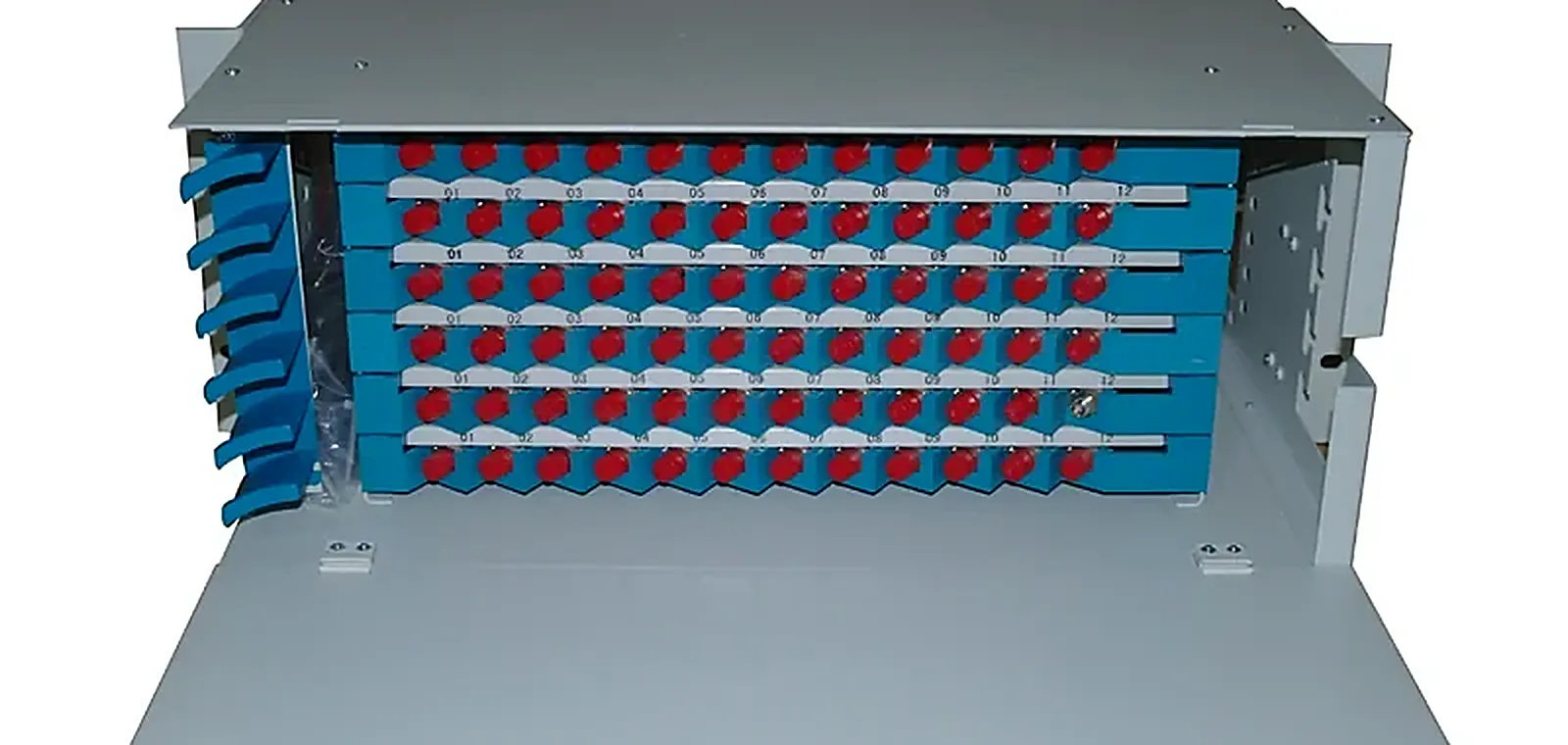
Central Office ODF Consolidation
Turning a fiber plant that grew without a frame into one a new engineer can read
Background
An equipment room where fiber terminations accumulated over several build stages, with slack stored behind racks and no consistent port numbering. This profile describes how the catalog is used to consolidate such a room; it is not a record of a specific customer engagement.
The Challenge
Everything works, and nobody can safely change anything. Slack is unprotected, splices and patches share the same space, and the only person who understands the numbering has moved on.
Pain Points
- Re-patching a service risking a splice in the same enclosure
- Slack stored outside the frame where it is unprotected and in the way
- No consistent port numbering across build stages
- Ports with slowly rising loss from worn or contaminated sleeves
- No measured record to hand over or to compare against
How It Is Built
Terminations are moved onto rack-mounted frames that separate splice, slack and patch zones, populated with pigtails cut to tray length and adapters chosen for the connector estate. A port numbering scheme is agreed before the first termination, and cords are pre-labeled to it.
Manufacturing and Preparation
- Frames supplied in the rack heights and port counts planned against fiber count plus growth
- Adapter plates fitted for the connector types present in the room
- Pigtails cut to tray length and color sequence verified against the order
- Patch cords built to length and pre-labeled to the agreed scheme
- Cleaning and inspection tooling supplied with the same order
Supply Chain Coordination
Frames, adapter plates, pigtails, cords, consumables and test tooling are grouped by the sequence the build needs, so parts arrive in the order the work happens.
Quality Control
Adapter ports are loss-sampled with reference cords, drawer mechanisms are cycled on samples, assemblies are individually measured, and routing bend radius is verified against the frame design.
Result
A patch field where splice work and patch work happen in separate zones, every port is numbered, and every cord is labeled at both ends.
Customer Benefit
The plant becomes changeable. A service can be re-patched by someone who was not there when it was built.
Ranges Involved In This Profile
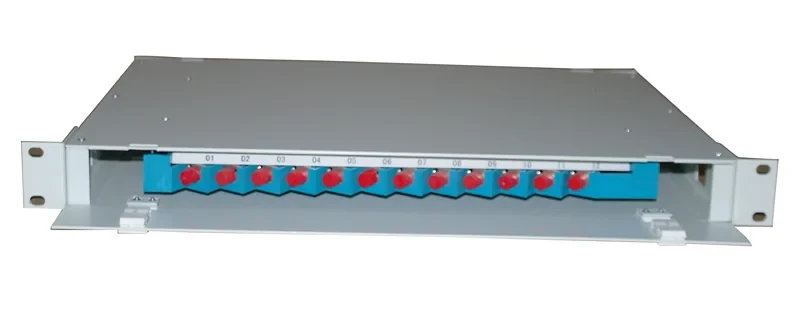
ODF
Rack-mounted optical distribution frames that make a fiber plant maintainable
7 products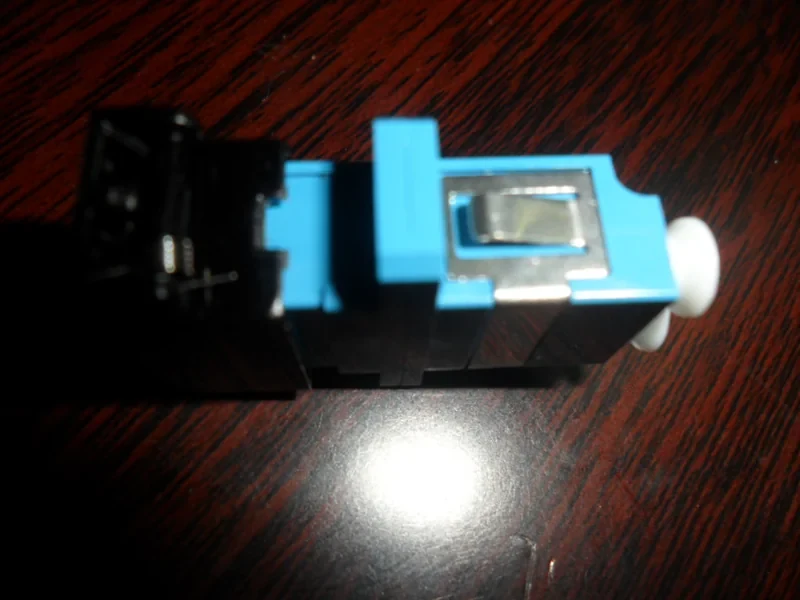
Fiber Adapter
Same-type mating sleeves that hold two ferrules on one axis
18 products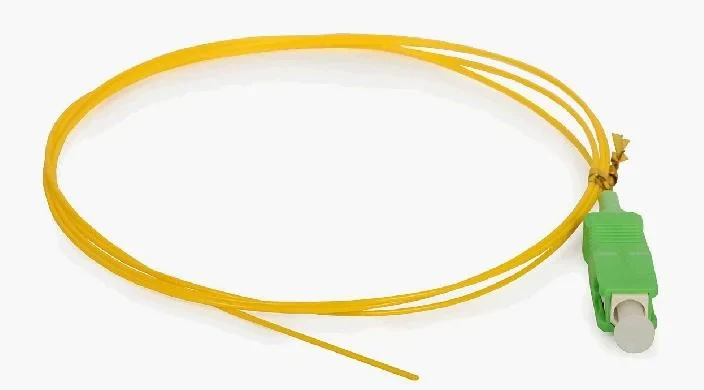
Various Pigtail
Pre-terminated tails that put the factory end face inside your splice tray
12 products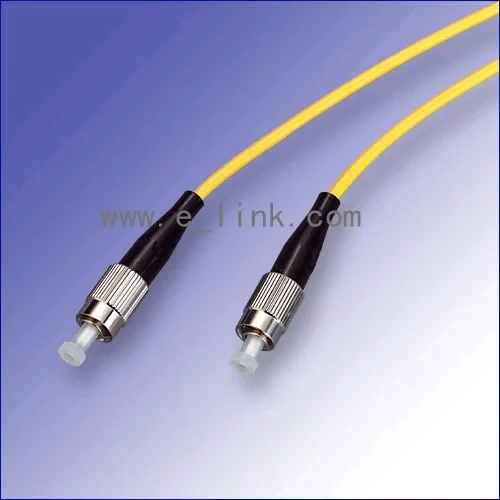
Fiber Optic Patchcord
Factory-terminated jumpers that turn a planned link budget into a working one
11 products
Fiber Cleaning Tool
The cheapest fix for the most common cause of optical loss
3 products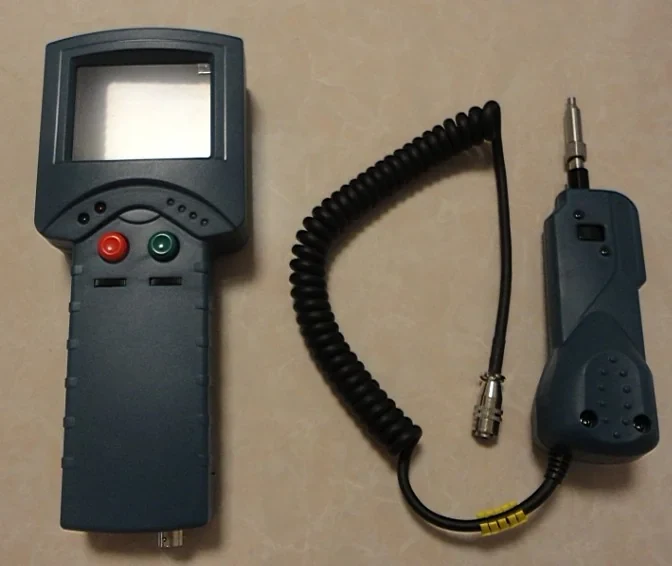
Test Equipment
Splicers, meters, identifiers and inspection tools for people who have to prove the link works
15 productsIndustry
Passive components for access, metro and transmission plant that has to stay up for decades
Telecom and Carrier NetworksBuilding Something Like This
Send us the architecture and the quantities. We will quote the parts and flag the decisions that are expensive to reverse later.