
ODF
Rack-mounted optical distribution frames that make a fiber plant maintainable
All 7 ODF Products
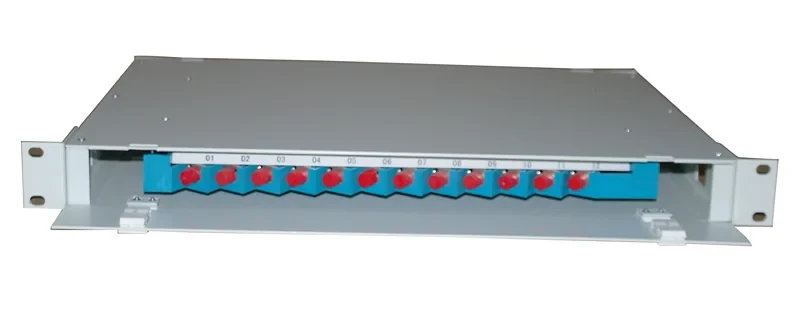
1u 12F ODF
Used for terminating backbone cable in a central office.
View Details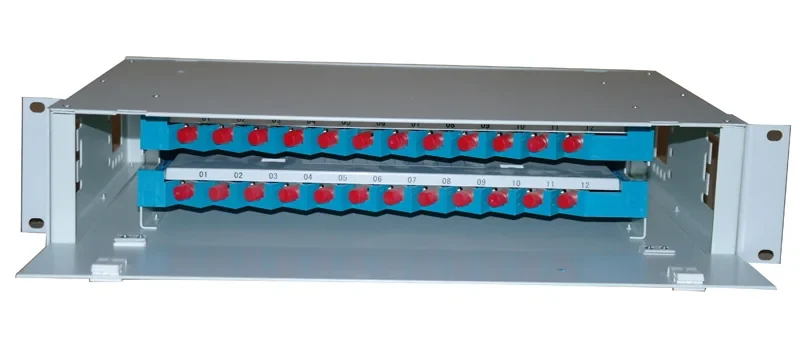
2u 24F ODF
Used for aggregation nodes in an access network.
View Details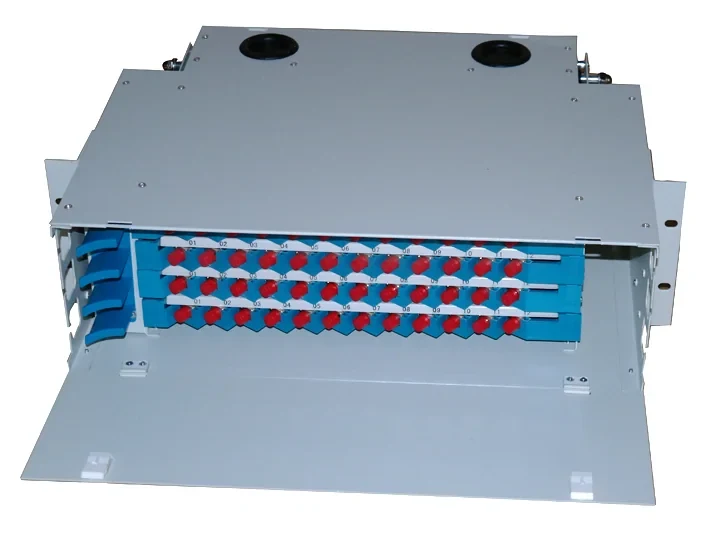
3u 48F ODF
Used for terminating backbone cable in a central office.
View Details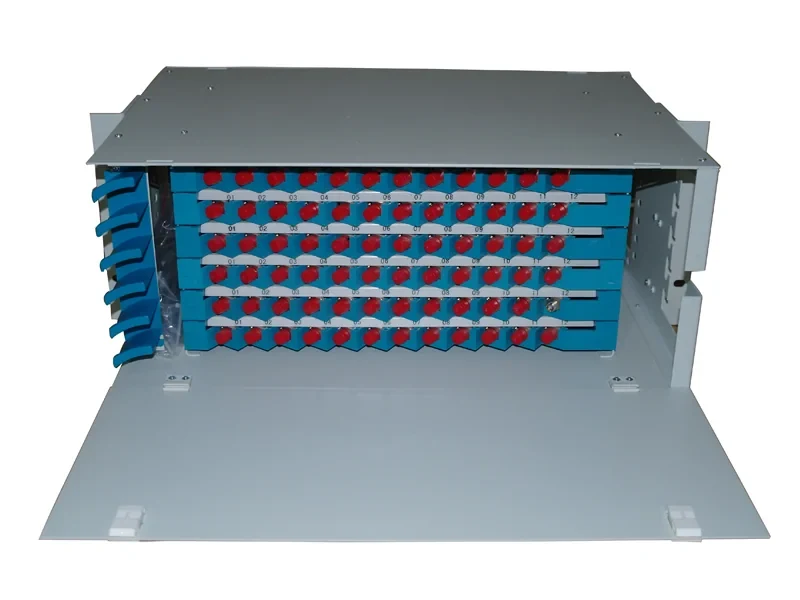
4u 72F ODF
Used for aggregation nodes in an access network.
View Details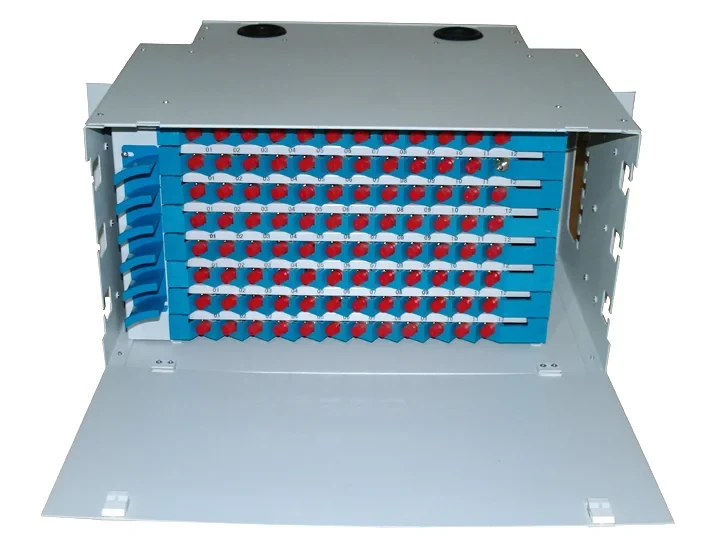
5u 96F ODF
Used for campus building entry and distribution.
View Details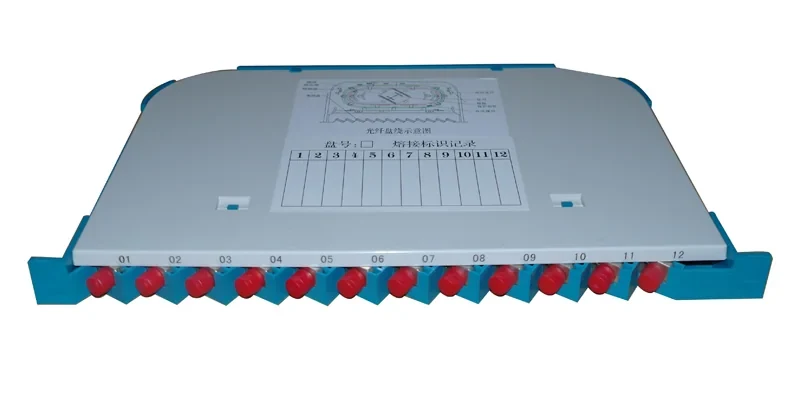
12F Integrative Tray (Ref 382)
Used for building a data-hall patch field.
View Details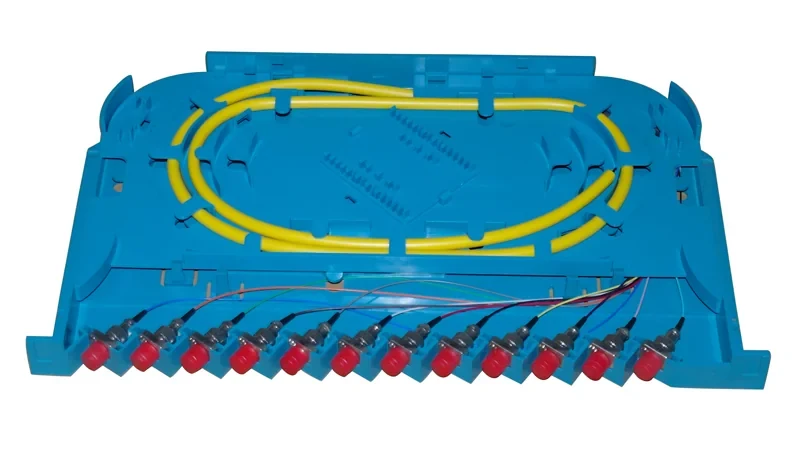
12F Integrative Tray (Ref 383)
Used for campus building entry and distribution.
View DetailsODF In Practice
An ODF is where incoming cable stops being cable and starts being ports. Splicing, slack storage and patching are separated into their own zones so that the person patching a service never has to touch a splice tray. Everything about how maintainable a fiber plant is gets decided here.
Problems This Range Solves
- Patch fields where re-patching a service risks disturbing a splice
- Slack stored outside the frame, unprotected and in the way
- Port density chosen without thinking about cord access
- Panels that cannot be pulled forward for work while in service
- Labeling schemes that break down after two years of changes
Who It Is For
- Central office and exchange engineering teams
- Data-center cabling contractors
- Enterprise and campus network owners
- ISPs building aggregation and distribution nodes
- System integrators handing over documented fiber plant
Where It Is Used
- Terminating backbone cable in a central office
- Building a data-hall patch field
- Campus building entry and distribution
- Aggregation nodes in an access network
- Consolidating a fiber plant that grew without a frame
What You Get From Our ODF
Advantages
- Splice, slack and patch zones separated inside one frame
- Standard 19 inch rack mounting in 1U to 5U heights
- Sliding or hinged panels so work can be done in service
- Integrated trays that keep every splice protected and findable
- Cable management that holds bend radius through the whole path
Technical Features
- 1U to 5U rack heights with port counts to match
- Integrated splice trays and slack storage
- Sliding drawer or fixed panel construction
- Adapter plates for the main connector types
- Front and rear cable management with labeling provision
Materials
- Cold-rolled steel or aluminum chassis with powder-coated finish
- Thermoplastic splice trays and routing guides
- Ceramic sleeve adapters
- Steel rack mounting hardware
Customization Options
- Rack height and port count
- Adapter type and polish on the patch field
- Pre-loaded with pigtails and adapters or supplied empty
- Sliding or fixed panel construction
- Custom labeling and private-label finishing
Manufacturing Process
- Sheet metal forming and powder coating
- Tray, guide and adapter plate assembly
- Drawer mechanism fitting and cycling
- Fit and finish inspection
- Packing with mounting hardware and labels
Quality Control
- Drawer mechanism cycling on samples
- Adapter port loss sampling with reference cords
- Rack fit verified against 19 inch standard
- Routing bend radius verified against design
- Finish and labeling inspection before packing
How It Is Used In The Field
Specifying and Handling ODF
Before You Order
- Plan the port numbering scheme before the first cable is terminated
- Keep splice, slack and patch zones separate as the frame intends
- Store slack inside the frame rather than looped behind the rack
On Site
- Leave growth capacity in each drawer rather than filling it completely
- Label at both ends of every patch cord, and keep the record updated
- Pull drawers fully before working, so cords are not strained
ODF Questions
How do I choose the rack height and port count?
Work from the fiber count entering the room plus growth, then check that cords can still be routed and accessed at that density. A fully packed 1U frame is cheaper to buy and more expensive to work on.
Can the ODF be supplied pre-loaded?
Yes. Pre-loading with pigtails and adapters saves significant assembly time on site. Specify connector type, polish and pigtail length on the order.
Sliding drawer or fixed panel?
Sliding drawers let a technician work on trays while the frame stays in service, which is usually worth the extra cost in an active plant. Fixed panels suit installations that are terminated once and rarely touched.
Which adapter types can be fitted?
Adapter plates are available for the main connector types including SC, LC, FC and ST, in both UPC and APC. Mixed plates within one frame are possible where your plant requires it.
Does the frame include cable management?
Yes, front and rear management with bend-radius control and labeling provision is part of the design rather than an accessory.
Guides Related To This Range
ODF Terminal Box and FTTH Termination Box Compared
Three enclosures that all hold fiber and adapters, separated by where they sit in the network and who opens them.
Buying GuideChoosing a Fiber Media Converter
Single fiber or dual fiber, fixed optics or SFP, standalone or chassis: four decisions that determine whether the link works and whether it scales.
More FTTH & Distribution
Horizontal FOSC
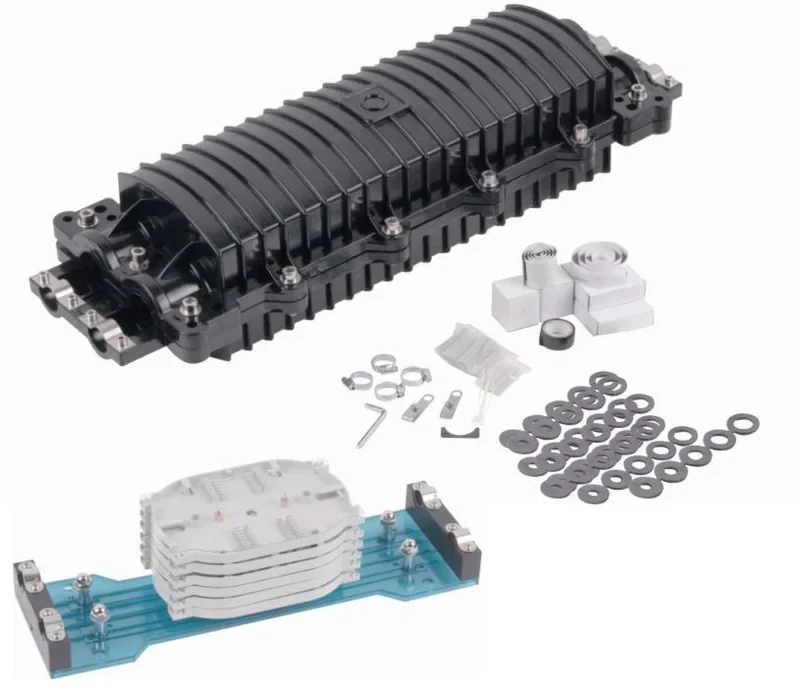
In-line splice closures for aerial, duct and direct-buried straight-through joints
8 products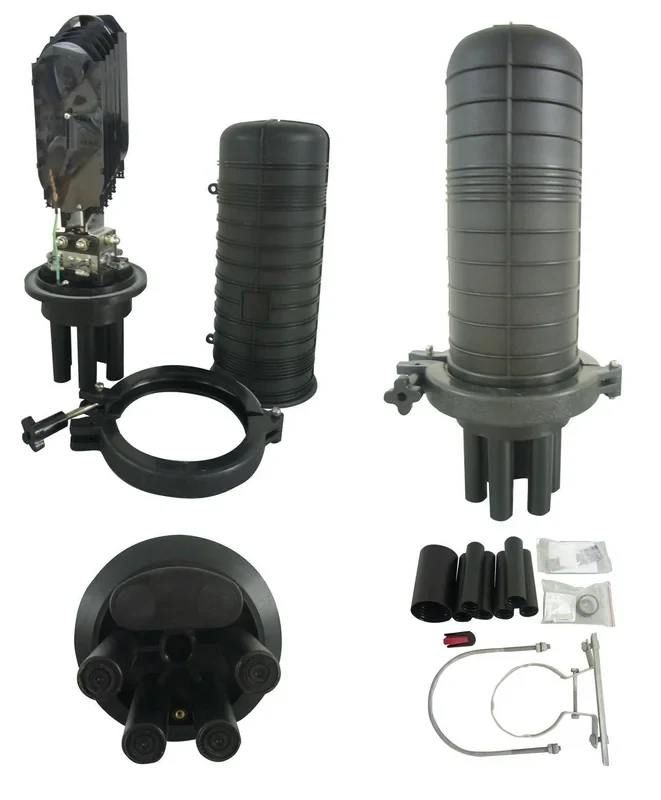
Dome FOSC
Vertical dome closures for pole, wall and hand-hole splice points
9 products
FTTH Solution
Drop-side hardware for the last span into the subscriber premises
3 products
Field Assembly/Fast Connector
Mechanical field termination without a fusion splicer
6 productsGet Pricing On ODF
Email the model and quantity and we will reply with pricing, lead time and a datasheet for any item in the odf range.