
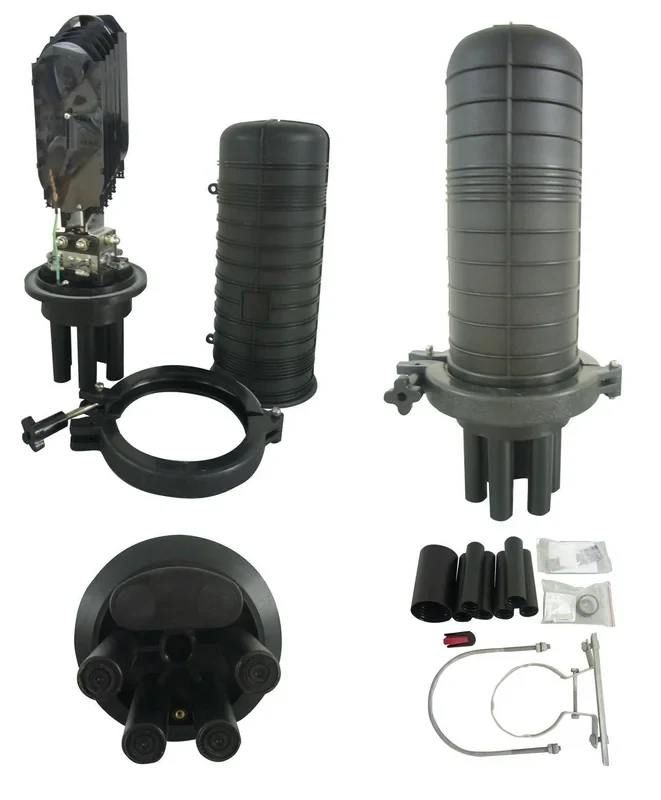
Dome FOSC
Vertical dome closures for pole, wall and hand-hole splice points
All 9 Dome FOSC Products
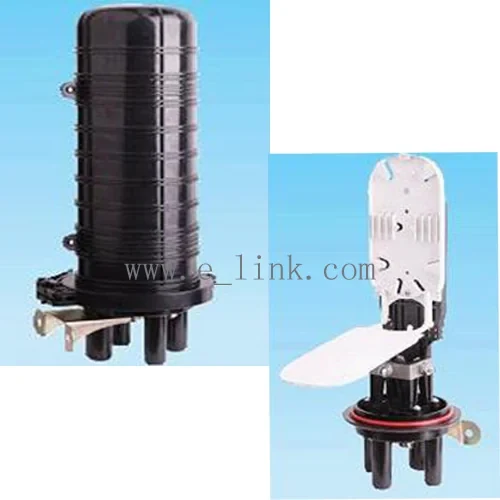
ELDY001
Used for wall-mounted joints at a building entry.
View Details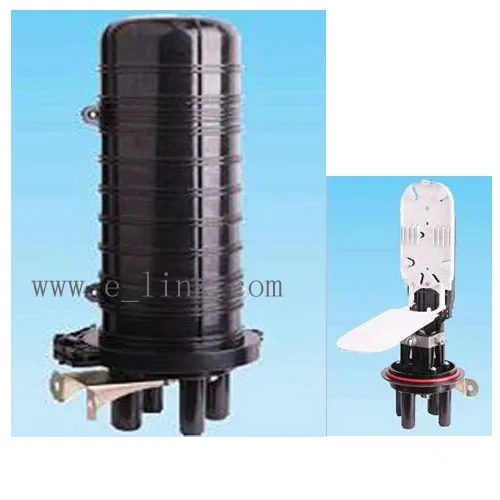
ELDY002
Used for progressive subscriber connection as a street is sold.
View Details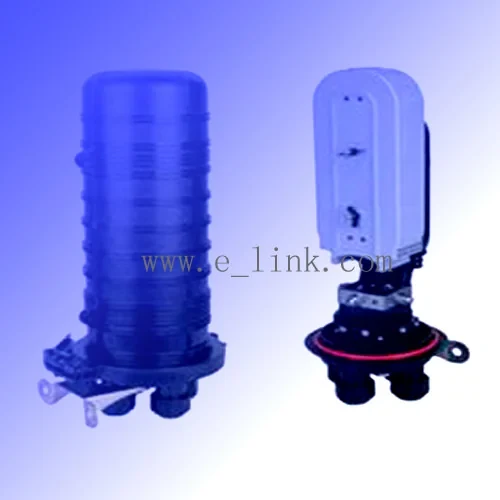
ELDY003
Used for branch splicing from a feeder into multiple drop cables.
View Details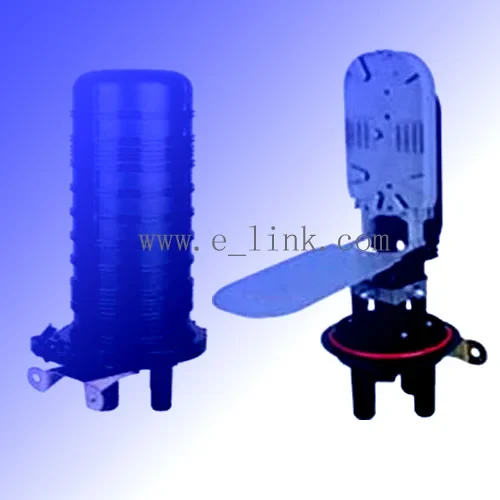
ELDY004
Used for wall-mounted joints at a building entry.
View Details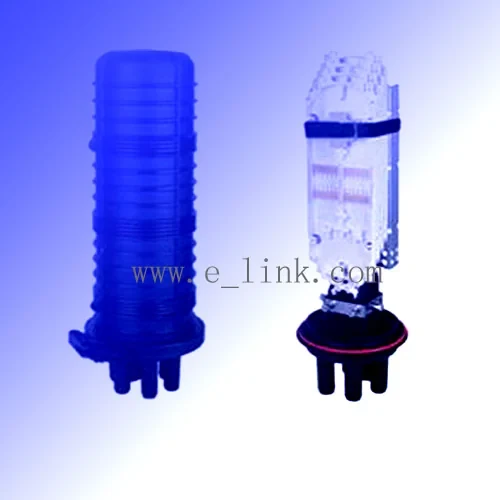
ELDY005
Used for progressive subscriber connection as a street is sold.
View Details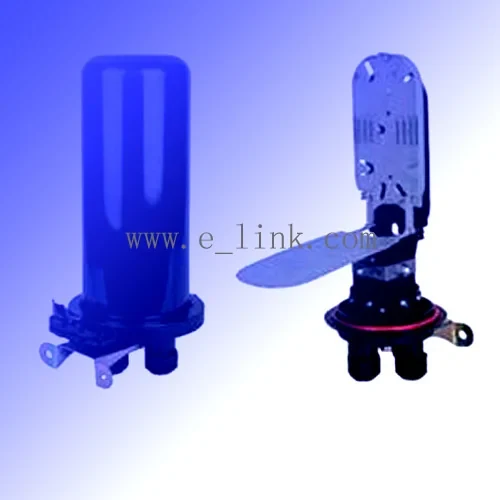
ELDY006
Used for progressive subscriber connection as a street is sold.
View Details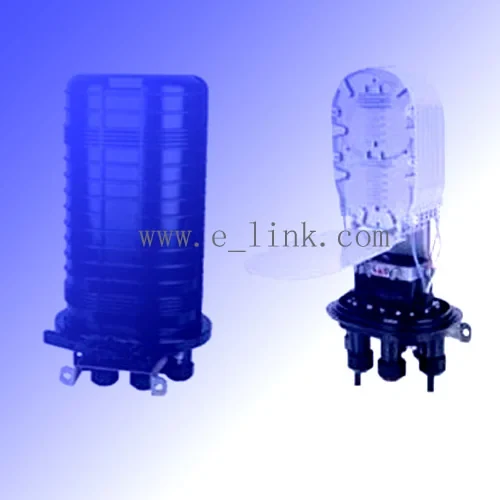
ELDY007
Used for hand-hole splice points in a buried network.
View DetailsELD001
Used for progressive subscriber connection as a street is sold.
View Details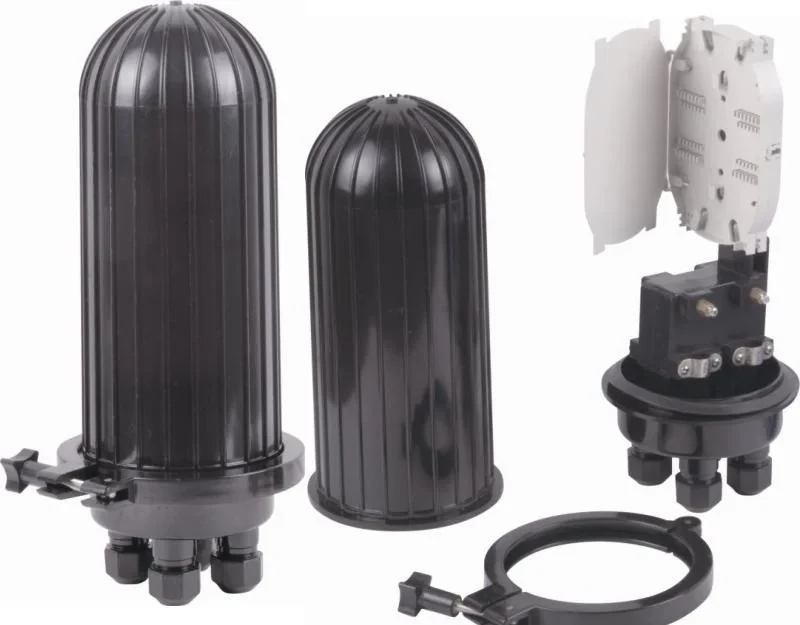
ELD002
Used for progressive subscriber connection as a street is sold.
View DetailsDome FOSC In Practice
A dome closure takes all its cables in through one base plate and holds them in a vertical body, which is what you want on a pole, on a wall or standing in a hand hole. Water runs off rather than collecting, and the crew works from one face instead of two.
Problems This Range Solves
- Water pooling on horizontal closures mounted vertically
- Base plates without enough entry ports for a growing drop count
- Closures that have to come off the pole to be re-entered
- Splice trays that cannot be reached without disturbing existing fibres
- Sealing methods that need a torch and a trained hand
Who It Is For
- FTTH drop and distribution contractors
- Access network operators running pole-mounted plant
- CATV and broadband network builders
- Utility networks with wall and cabinet splice points
- Maintenance crews adding subscribers to an existing closure
Where It Is Used
- Pole-mounted distribution splice points on an FTTH route
- Wall-mounted joints at a building entry
- Hand-hole splice points in a buried network
- Progressive subscriber connection as a street is sold
- Branch splicing from a feeder into multiple drop cables
What You Get From Our Dome FOSC
Advantages
- Vertical geometry that sheds water instead of collecting it
- Single base plate with multiple entry ports for feeder and drops
- Trays that hinge clear so existing splices are not disturbed
- Mechanical seal that a crew can open and close without a torch
- Pole, wall and hand-hole mounting from the same closure body
Technical Features
- Dome body with single-base cable entry
- Multiple sealed entry ports sized for feeder and drop cable
- Hinged, stackable splice trays
- Mechanical seal with reusable gasket
- Pole and wall mounting bracket options
Materials
- High-impact engineering plastic dome and base
- Rubber sealing gaskets and grommets
- Stainless steel clamp band and fasteners
- Thermoplastic splice trays
Customization Options
- Fiber capacity and tray count
- Entry port count and sizing for your drop cable
- Pole, wall or hand-hole mounting kit
- Tray type for single-fiber or ribbon work
- Private-label molding and packaging on volume orders
Manufacturing Process
- Dome and base molding with dimensional inspection
- Gasket seating and clamp band fitting
- Tray stack and hinge assembly
- Seal and pressure verification
- Kit packing with brackets and consumables
Quality Control
- Seal and pressure integrity tested on sample closures
- Clamp band retention force verified
- UV and impact resistance testing per lot
- Tray hinge cycling on samples
- Packing list verification before dispatch
Where This Range Is Specified
How It Is Used In The Field
Specifying and Handling Dome FOSC
Before You Order
- Size the closure for the final drop count on that pole, not the first ones
- Anchor every cable's strength member to the base before splicing
- Keep drop entries sealed even when the port is not yet used
On Site
- Hinge trays rather than lifting them, so lower splices stay undisturbed
- Seat the gasket evenly and tighten the clamp band in stages
- Label trays and ports so the next crew can add a subscriber blind
Dome FOSC Questions
Why choose a dome closure over a horizontal one?
Because of how the cables arrive. If everything enters from below, on a pole or in a hand hole, a dome sheds water and gives the crew one working face. Straight-through joints along a duct or an aerial span suit a horizontal closure better.
Can drops be added later without disturbing existing splices?
Yes, that is the normal FTTH working pattern. Trays hinge clear so a crew can splice a new drop into a free tray position while the rest of the closure stays intact.
How is the closure sealed?
With a mechanical gasket and clamp band rather than heat shrink, so no torch is needed and the closure can be reopened and resealed by any crew.
What cable sizes do the entry ports accept?
Ports are supplied with grommets sized for common feeder and drop cables. Send us the cable diameters you use and the correct grommet set will be specified on the order.
Is it suitable for hand-hole installation?
Yes, the sealed body is intended for outside-plant use including hand holes. Confirm whether the installation may be submerged so the right sealing configuration is supplied.
More FTTH & Distribution
Horizontal FOSC
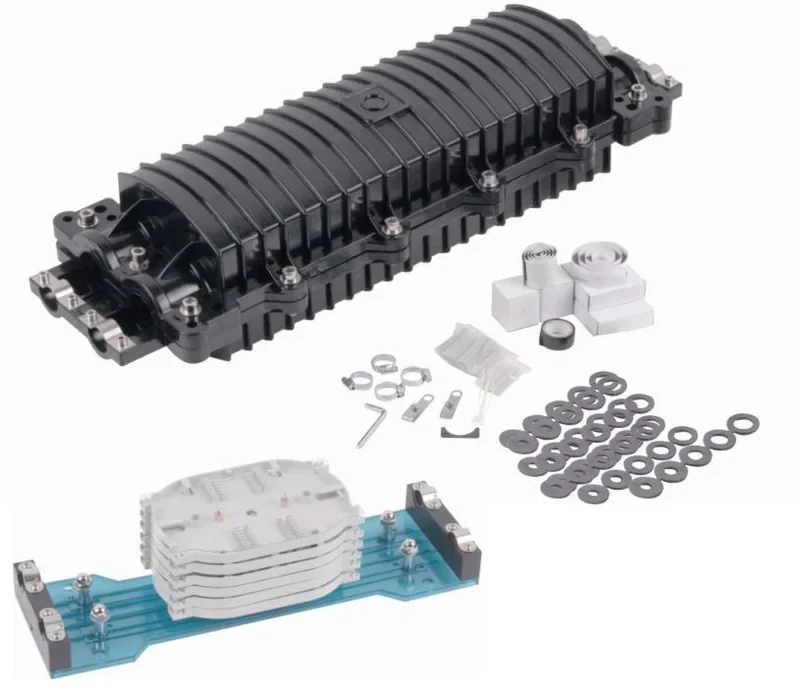
In-line splice closures for aerial, duct and direct-buried straight-through joints
8 products
FTTH Solution
Drop-side hardware for the last span into the subscriber premises
3 products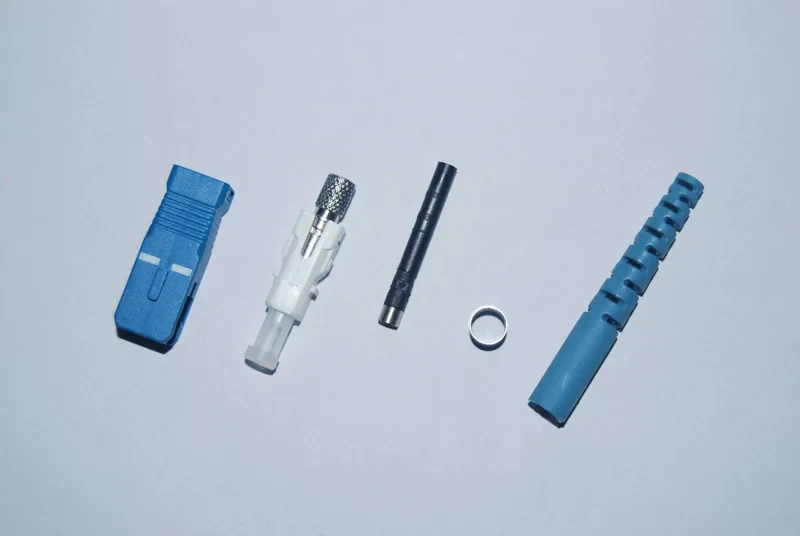
Field Assembly/Fast Connector
Mechanical field termination without a fusion splicer
6 products
FTTH Termination Box
Compact subscriber-side boxes that end the drop and present a clean port
5 productsGet Pricing On Dome FOSC
Email the model and quantity and we will reply with pricing, lead time and a datasheet for any item in the dome fosc range.