
Terminal Box
Wall and pole distribution boxes between the feeder and the drops
All 7 Terminal Box Products
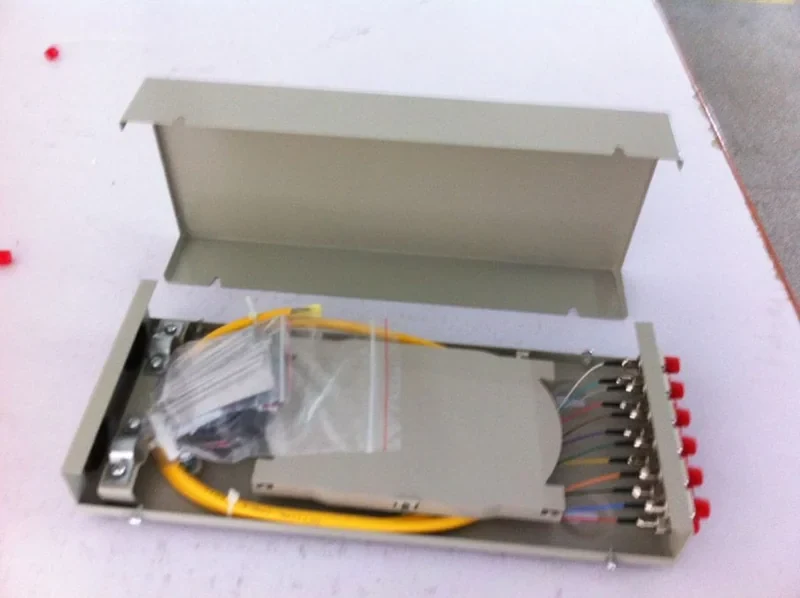
12F Terminal Box
Used for street-level distribution from a feeder to subscriber drops.
View Details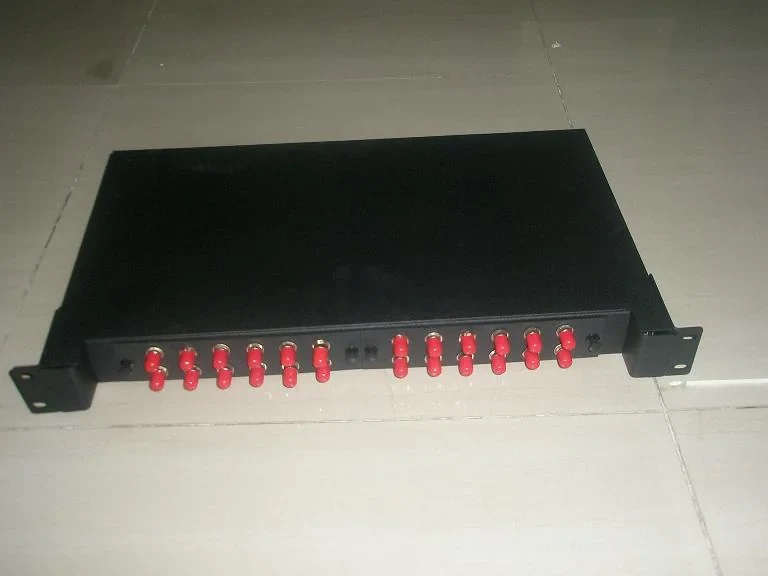
ST Terminal Box
Used for building entry distribution in an apartment block.
View Details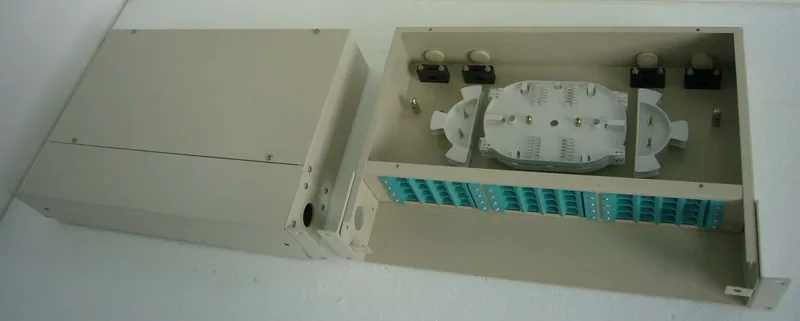
ELTB005
Used for street-level distribution from a feeder to subscriber drops.
View Details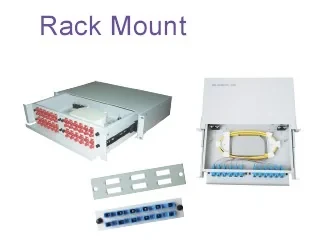
ELTB001
Used for street-level distribution from a feeder to subscriber drops.
View Details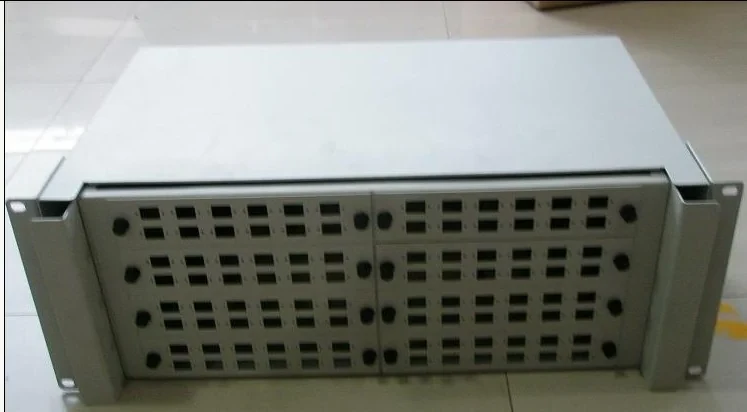
ELTB002
Used for street-level distribution from a feeder to subscriber drops.
View Details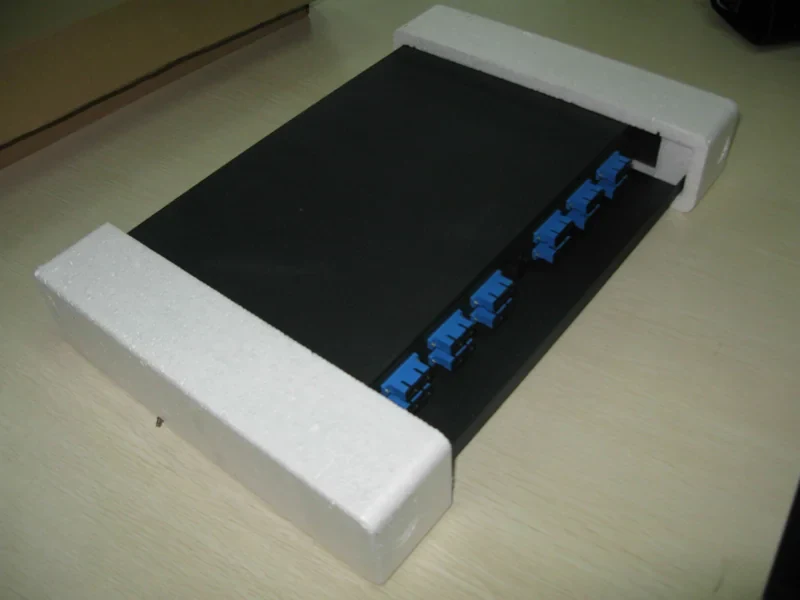
ELTB004
Used for street-level distribution from a feeder to subscriber drops.
View Details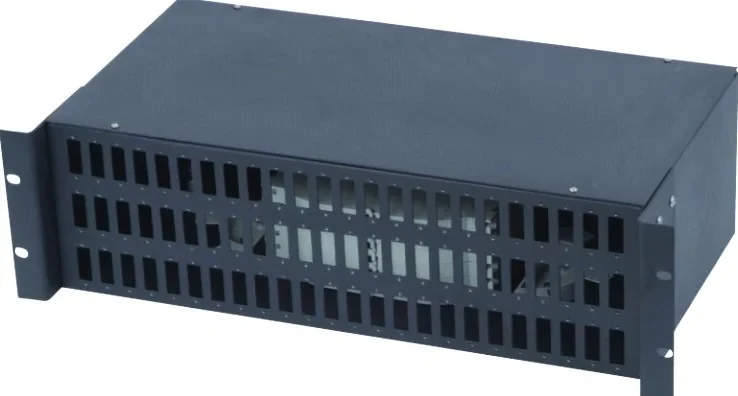
ELTB003
Used for campus distribution between buildings.
View DetailsTerminal Box In Practice
A terminal box is the distribution point where a feeder cable is spliced and broken out into individual subscriber ports. It sits between the closure and the premises, and its port count is effectively a decision about how many customers that street can take without another truck roll.
Problems This Range Solves
- Distribution points sized for today's take-up rather than the final one
- Splice protection and patching mixed in one unmanaged space
- Boxes that cannot be worked on without disconnecting live subscribers
- Outdoor boxes whose seals fail after a season
- Port labeling that does not survive the first maintenance visit
Who It Is For
- FTTH and access network operators
- Outside plant construction contractors
- MDU and campus network builders
- CATV network operators
- Maintenance teams connecting new subscribers
Where It Is Used
- Street-level distribution from a feeder to subscriber drops
- Building entry distribution in an apartment block
- Campus distribution between buildings
- Pole-mounted distribution on an aerial network
- Progressive subscriber connection as a street is sold
What You Get From Our Terminal Box
Advantages
- Separate splice and patch areas so live services are not disturbed
- Port counts from small street boxes up to larger distribution points
- Wall and pole mounting from the same body
- Weather-sealed versions for outdoor distribution
- Internal routing that keeps every fiber above its bend radius
Technical Features
- Integrated splice tray and adapter patch field
- Cable entry with retention and sealing
- Bend-radius-controlled internal routing
- Wall and pole mounting options
- Lockable door on outdoor and communal versions
Materials
- ABS, PC or metal body depending on version
- Rubber seals and grommets
- Thermoplastic splice trays and routing guides
- Ceramic sleeve adapters
- Stainless fixings and lock hardware
Customization Options
- Port count and splice capacity
- Indoor or outdoor sealing
- Wall or pole mounting
- Pre-fitted adapters and pigtails
- Private-label molding and labeling
Manufacturing Process
- Body production and dimensional inspection
- Tray, routing and adapter plate fitting
- Seal and gasket assembly
- Function, fit and seal verification
- Packing with mounting hardware
Quality Control
- Seal integrity on outdoor versions
- Adapter port loss sampling
- Door and lock cycling on samples
- Routing bend radius verified against design
- Packing list verification before dispatch
How It Is Used In The Field
Specifying and Handling Terminal Box
Before You Order
- Size the box for the final subscriber count on that distribution point
- Anchor the feeder strength member before splicing
- Keep splice and patch areas separate so live ports are not disturbed
On Site
- Label every port at install, not at first fault
- Cap unused ports to keep the patch field clean
- Check the door seal at every maintenance visit
Terminal Box Questions
What port count should I choose?
Size for the final take-up on that distribution point rather than the first subscribers. Replacing an undersized terminal box later costs far more than the extra ports do at build time.
Can new subscribers be connected without disturbing existing ones?
Yes, provided the splice and patch areas are kept separate as the box is designed to be used. That separation is the main reason to use a proper terminal box rather than a general enclosure.
Are outdoor-rated versions available?
Yes. Outdoor versions have sealed entries and a weather-resistant door. Tell us whether the box is exposed, under cover or indoors and we will quote the right sealing.
Can boxes be supplied pre-loaded with adapters and pigtails?
Yes, pre-loaded versions cut field time significantly. Specify connector type, polish and pigtail length with the order.
Is a lockable version available for communal areas?
Yes. Lockable doors are normal for risers, stairwells and street-level boxes where public access has to be controlled.
Guides Related To This Range
Choosing Between Dome and Horizontal Splice Closures
Cable geometry decides the format, capacity decides the size, and the reopening method decides what the next crew has to carry.
Comparison ArticleODF Terminal Box and FTTH Termination Box Compared
Three enclosures that all hold fiber and adapters, separated by where they sit in the network and who opens them.
More FTTH & Distribution
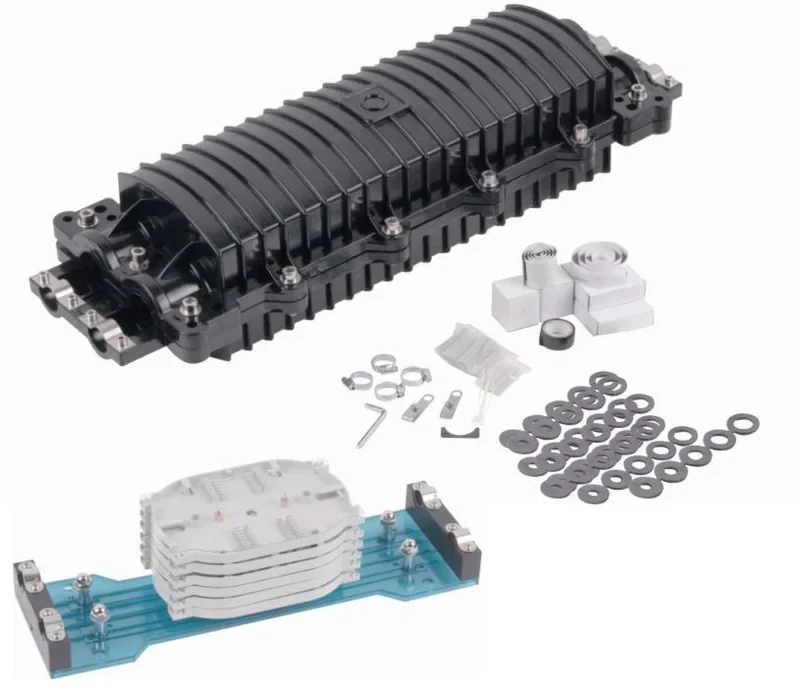
Horizontal FOSC
In-line splice closures for aerial, duct and direct-buried straight-through joints
8 products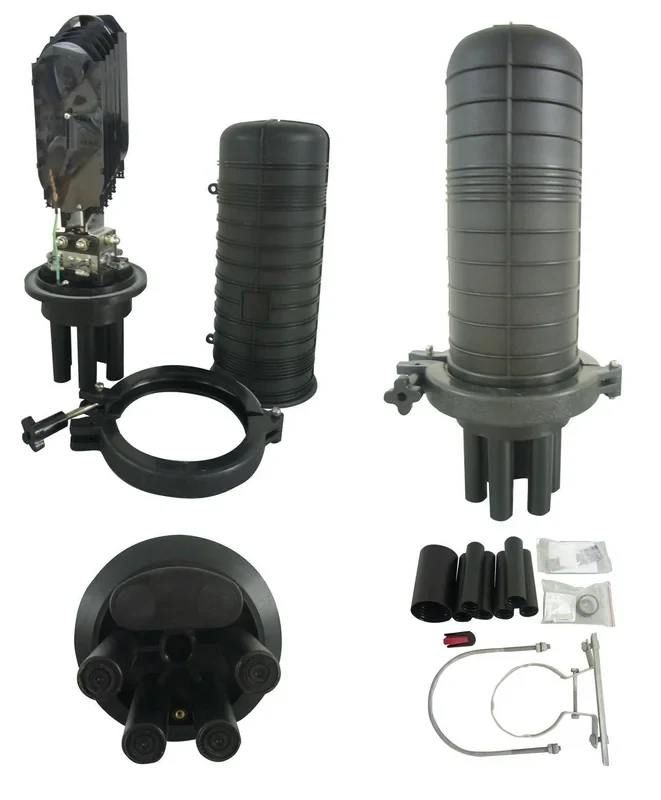
Dome FOSC
Vertical dome closures for pole, wall and hand-hole splice points
9 products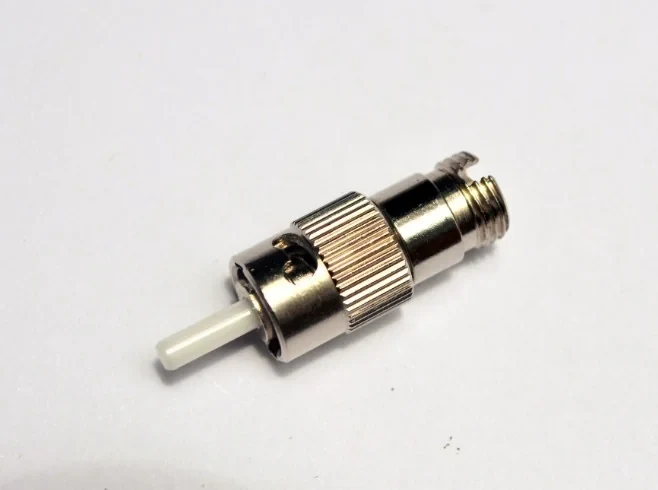
FTTH Solution
Drop-side hardware for the last span into the subscriber premises
3 products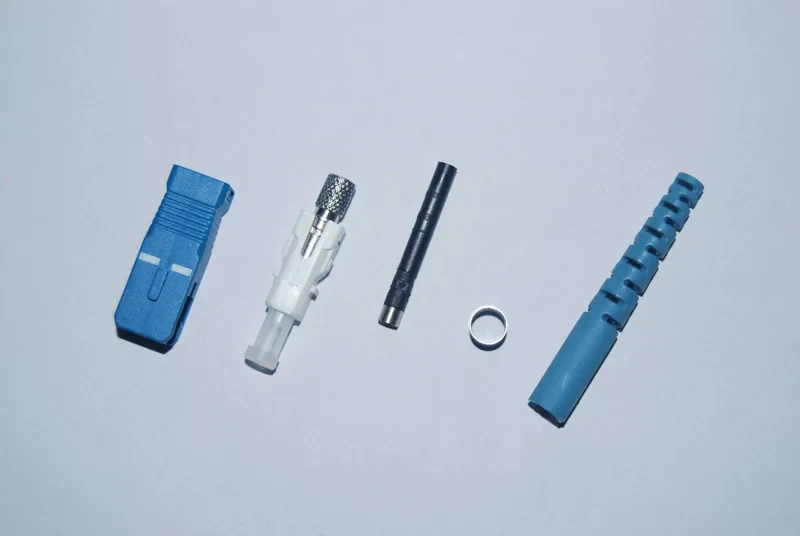
Field Assembly/Fast Connector
Mechanical field termination without a fusion splicer
6 productsGet Pricing On Terminal Box
Email the model and quantity and we will reply with pricing, lead time and a datasheet for any item in the terminal box range.