
FTTH and Broadband Operators
Drop-side and distribution hardware for networks whose cost is decided per subscriber
What Makes This Sector Different
In an FTTH build the expensive part is not the fiber, it is the visit. Everything about the hardware, from how many ports a terminal box has to whether a crew needs a fusion splicer, feeds directly into the cost per connected home.
Pain Points
- Cost per connection driven by install time rather than by materials
- Second visits caused by hardware that did not survive the first season
- Distribution points sized for early take-up and outgrown within two years
- Crews carrying parts from five suppliers that do not fit together
- Splitter ratios chosen before the optical budget was worked through
What Buyers Need
- Closures and boxes that a crew can open, work in and reseal quickly
- Splitters supplied in the packaging format the cabinet actually takes
- Field-installable connectors for drops where a splicer is impractical
- Terminal boxes sized for final take-up, not first take-up
- Kits assembled so a crew carries one part number instead of five
Typical Applications
- Splitting a PON feeder inside a street cabinet or closure
- Pole-mounted distribution splice points along a residential route
- Progressive subscriber connection as a street is sold
- In-home termination at the subscriber premises
- Multi-dwelling unit riser distribution
Ranges We Supply Into FTTH and Broadband Operators
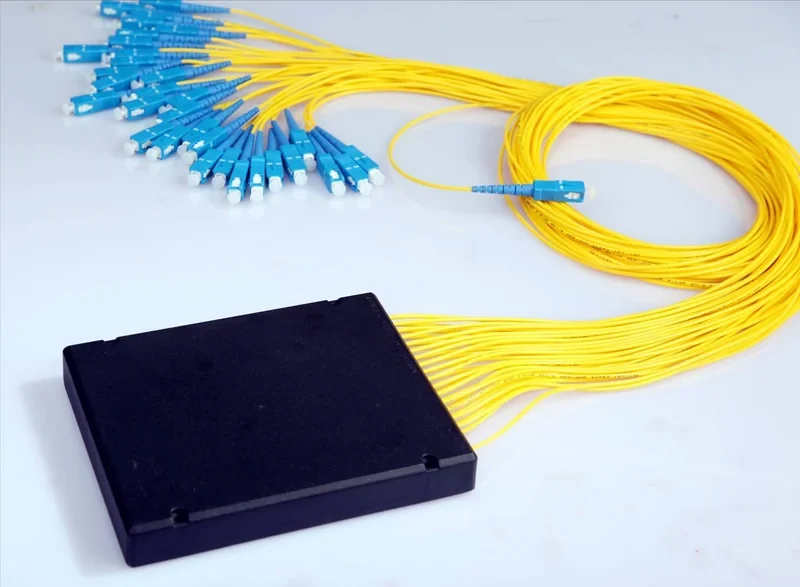
Fiber Optic Splitter
Passive power division, the component PON architecture is built on
6 products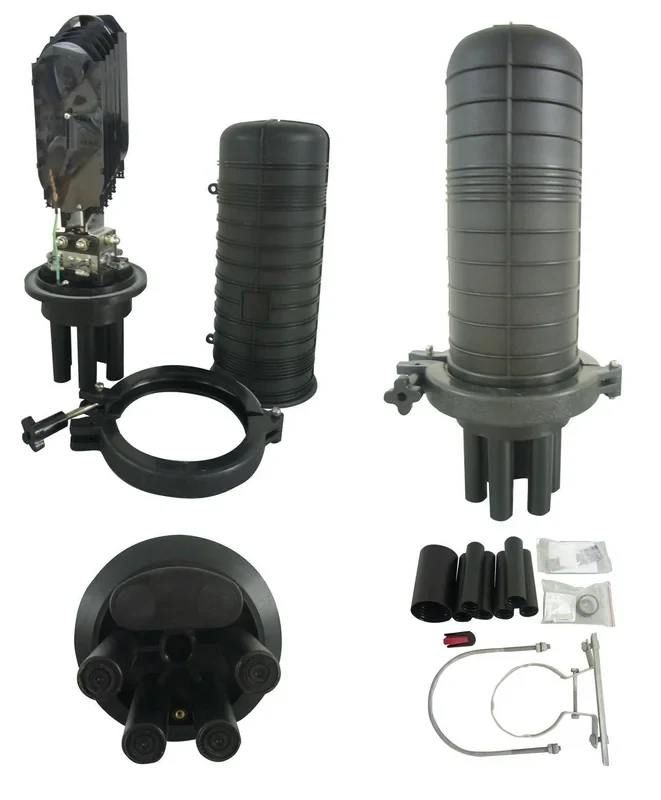
Dome FOSC
Vertical dome closures for pole, wall and hand-hole splice points
9 products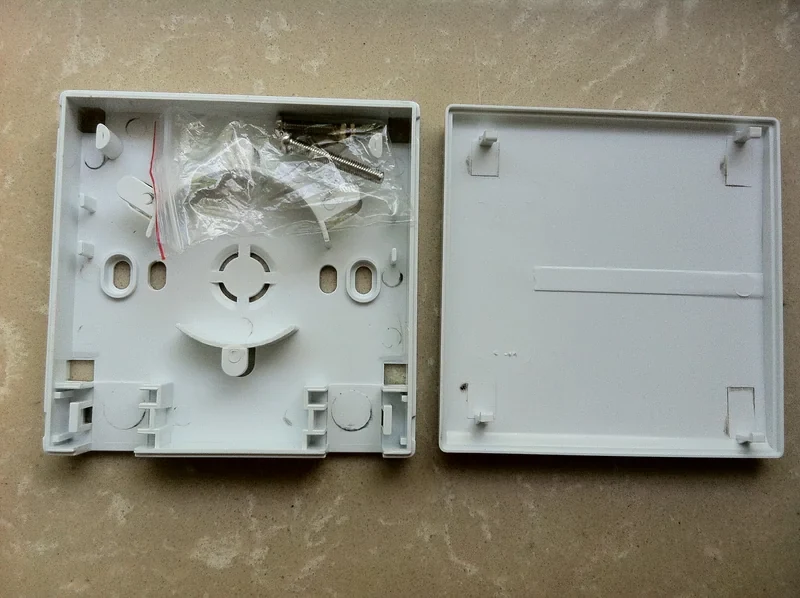
FTTH Termination Box
Compact subscriber-side boxes that end the drop and present a clean port
5 products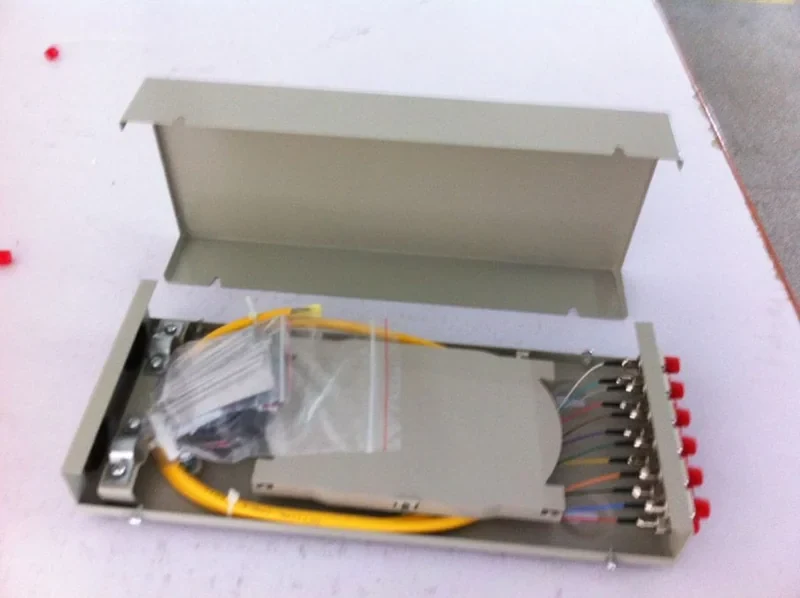
Terminal Box
Wall and pole distribution boxes between the feeder and the drops
7 products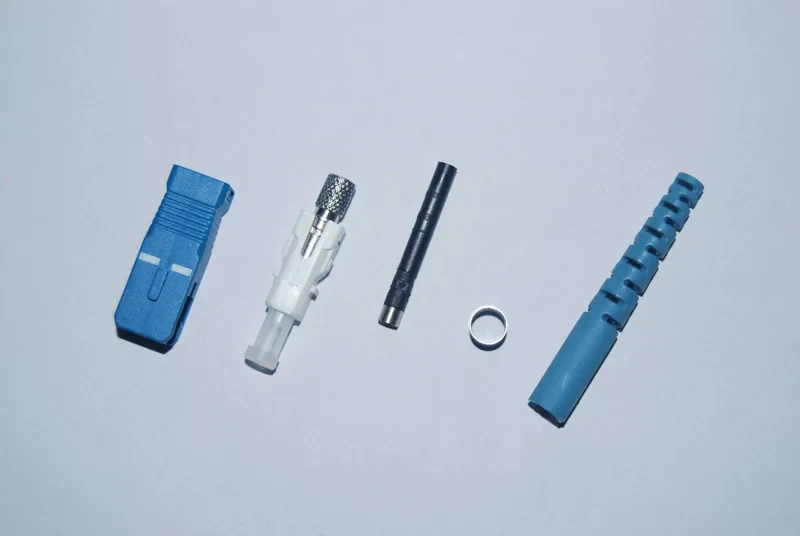
Field Assembly/Fast Connector
Mechanical field termination without a fusion splicer
6 products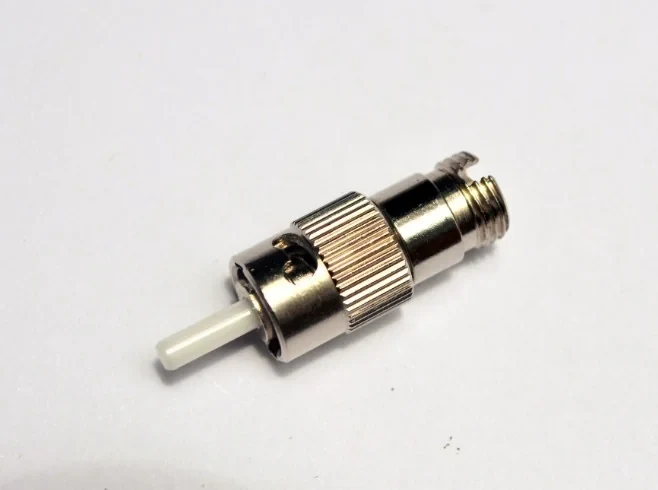
FTTH Solution
Drop-side hardware for the last span into the subscriber premises
3 products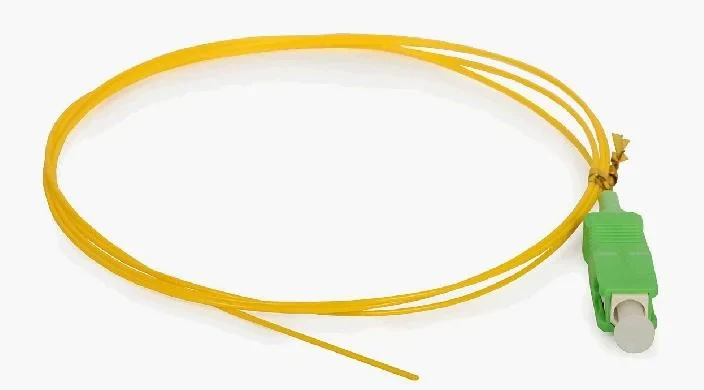
Various Pigtail
Pre-terminated tails that put the factory end face inside your splice tray
12 products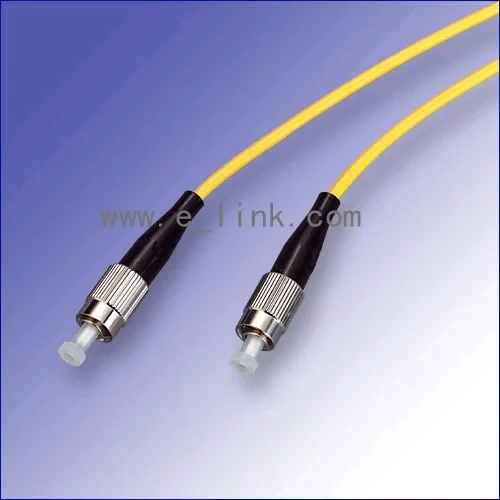
Fiber Optic Patchcord
Factory-terminated jumpers that turn a planned link budget into a working one
11 productsFrom Specification To Repeat Supply
We start from your split ratio, drop cable and closure standard so the parts quoted match the network you are actually building.
Parts are grouped into the kits a connection crew carries, which is usually where install time is won or lost.
Sample closures, boxes and splitters go to your installation team before volume is committed.
Repeat orders are shipped against the agreed kit definition with consistent packing.
Specification records are held so a later phase matches the first one.
Delivery Capability
- Splitters tested on every output port
- Kits assembled to your install standard
- Pre-loaded boxes and frames to cut field time
- Private-label packaging on volume orders
- One-year warranty against defects in materials and workmanship
Related Solutions
- FTTH Network Rollout Supply
- Consolidated Sourcing and Export
How The Parts Go Together
PON Street Cabinet Split Point
How a feeder fiber becomes subscriber ports inside a street cabinet, and which decisions are expensive to reverse
MDU Riser Fiber Distribution
Distributing fiber up an apartment riser so units can be connected one at a time without disturbing the rest
Field Drop Termination Without A Splicer
Terminating a subscriber drop with a cleaver and a hand tool, and knowing what that trade costs
FTTH and Broadband Operators Questions
Can you supply splitters already in the format our cabinets take?
Yes. Bare, boxed, tray, cassette and rack-mount formats are all available, with pigtail length and connector specified per order so the device drops straight into your enclosure.
How should we size terminal boxes and closures?
For the final take-up on that distribution point. Replacing an undersized box two years in costs far more than the extra ports do at build time, and it is the most common regret we hear about.
Do you supply assembled installation kits?
Yes. Kitting parts to your standard install means a crew carries one part number, which is normally where per-subscriber time is recovered.
Should our PON path be APC?
Normally yes. Back reflection from many splitter ports adds up and degrades upstream performance, and APC end faces throw reflections out of the core. UPC still suits some enterprise and monitoring paths.
Further Reading
PLC and FBT Optical Splitters Compared
Two ways to divide light, why PON standardized on one of them, and how to check whether your budget can carry the split you want.
Buying GuideChoosing Between Dome and Horizontal Splice Closures
Cable geometry decides the format, capacity decides the size, and the reopening method decides what the next crew has to carry.
Installation GuideInstalling Field Assembly Fast Connectors
A step by step method, the cleave quality that decides the result, and an honest account of what you trade against a fusion splice.
Supplying FTTH and Broadband Operators
Send us the specification, the architecture or the bill of materials. We will come back with what fits and what it costs.