
UPC and APC End Face Polish Explained
Why an eight degree angle changes where reflected light goes, when that matters enough to pay for it, and what happens if the two are mated.
In This Guide
Two Ways to Finish the Same Ferrule
A UPC end face is domed and highly polished so the two fiber cores press into direct physical contact. An APC end face adds an eight degree angle to that dome. Everything else about the connector, the ferrule and the fiber is identical, which is why the difference is easy to overlook and expensive to get wrong.
What the Angle Actually Does
Some light always reflects at the glass interface. On a flat or domed face that reflection travels straight back down the core toward the transmitter. On an angled face it strikes the interface off-axis and is refracted into the cladding, where it is lost harmlessly. The angle does not reduce the reflection; it changes where the reflection goes.
When Return Loss Is The Limiting Factor
On a digital data link, a reflection that is a few decibels higher than ideal usually changes nothing. On a PON, an RF-over-glass or a CATV distribution path, reflected light interferes with the modulated signal and degrades it in ways that show as picture artifacts or upstream noise rather than as a link failure. That is why those networks specify APC throughout.
Browse our Fiber Optic Splitter range
Why PON Multiplies The Problem
A splitter has many ports, and every one of them contributes reflections back toward the head end. What is negligible on a single point-to-point link becomes significant when thirty-two ports each add their share. Specifying APC across the distribution path is the standard answer, and it is much cheaper to do at build time than to retrofit.
Browse our Fiber Optic Attenuator range
Never Mate UPC To APC
An angled face against a domed face cannot make full contact. You get an air gap, a large loss and, frequently, physical damage to both end faces from the edge loading. Green housings and boots exist specifically so that this mistake is visible before it is made. If you have to cross between them, use a proper converter assembly rather than an adapter.
Browse our Fiber Adapter range
Keeping The Two Apart In Practice
Color coding is necessary but not sufficient. Keep APC and UPC stocks physically separated in the store, label panel sections rather than individual ports, and make the polish type part of the part number people actually order from. Most mixed-polish incidents start in a stores cupboard, not on a ladder.
Browse our Fiber Optic Patchcord range
Specifying Polish On An Order
State the polish for each end separately. Mixed-polish assemblies, UPC on one end and APC on the other, are legitimate and common where an equipment port and a distribution path have different requirements, but they have to be asked for explicitly or you will receive a matched pair.
Questions This Guide Gets Asked
What is the difference between UPC and APC?
UPC has a domed, highly polished end face for direct core contact. APC adds an eight degree angle so that reflected light is refracted into the cladding instead of returning down the core. APC connectors are green, UPC are blue.
Can I connect a UPC connector to an APC connector?
No. The geometries do not mate, you get a large air-gap loss and both end faces can be damaged. Use a converter assembly if you need to cross between them.
Do I need APC for a normal enterprise data link?
Usually not. UPC is the general-purpose choice and is fine for most enterprise and data-center work. APC is specified where return loss is a limiting factor, mainly PON, CATV and RF-over-glass.
Does APC cost more?
Slightly, because the angled polish is an extra process step. On a PON build it is not a discretionary cost, it is part of making the architecture work.
Ranges Covered In This Guide
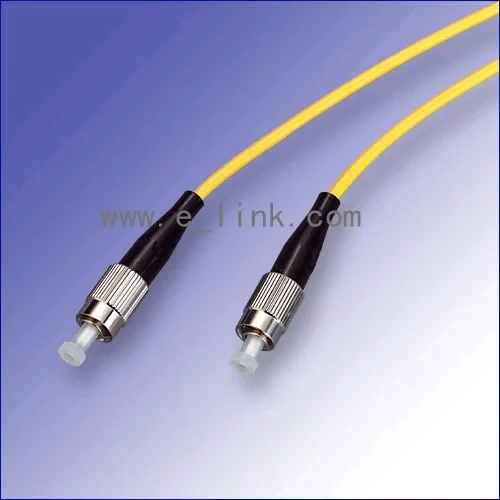
Fiber Optic Patchcord
Factory-terminated jumpers that turn a planned link budget into a working one
11 products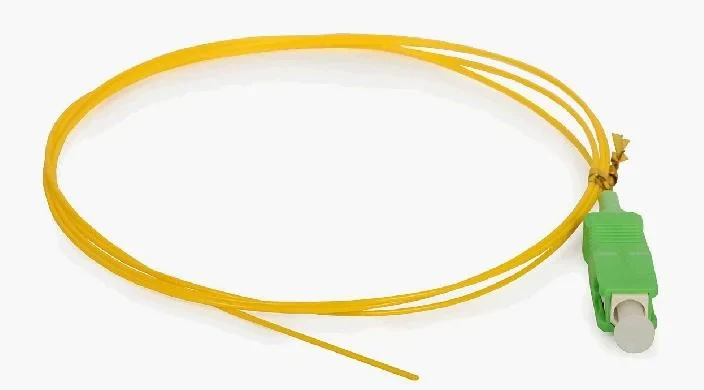
Various Pigtail
Pre-terminated tails that put the factory end face inside your splice tray
12 products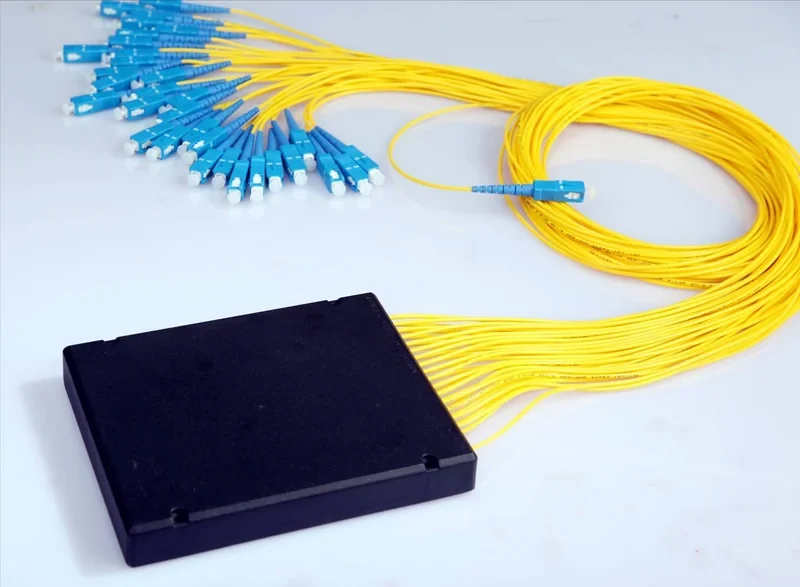
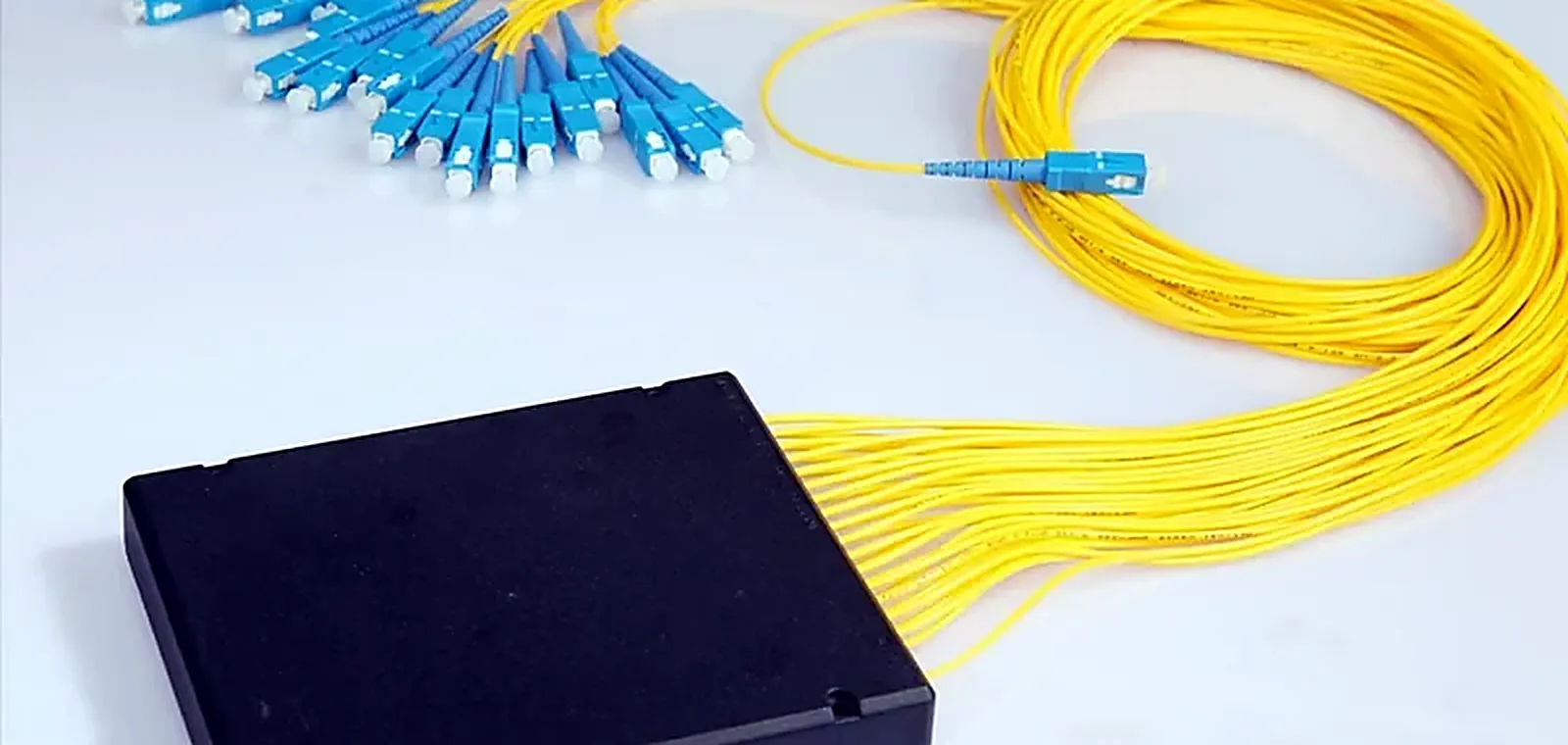
Fiber Optic Splitter
Passive power division, the component PON architecture is built on
6 products
Fiber Optic Attenuator
Controlled loss, for when a receiver is being overdriven
10 productsIndustries and Solutions
Have A Specification To Check
Send the part, the drawing or the link budget. We will confirm what fits before you commit to an order.