
Fiber Optic Patch Cord Buying Guide
The seven things a patch cord order has to state, and what happens on site for each one you leave out.
In This Guide
A Patch Cord Order Has Seven Variables
Connector type at end A, connector type at end B, polish at each end, fiber mode and core size, length, jacket rating, and boot or labeling requirements. Every one of these has a default that a supplier will apply if you do not state it, and every one of those defaults is occasionally wrong for your site.
Connector And Polish, Stated Per End
State both ends separately even when they are the same. Mixed-connector cords are normal where equipment and frame differ, and mixed-polish cords are legitimate where an equipment port is UPC and the distribution path is APC. If you state one connector and one polish, you will receive a symmetrical cord.
Browse our Fiber Optic Patchcord range
Fiber Mode And Core Size
Single mode or multimode, and for multimode, 50/125 or 62.5/125. This has to match the installed plant at both ends. Ordering the wrong core size produces a cord that works but runs several decibels worse than expected, which is the hardest kind of fault to find later.
Browse our Various Pigtail range
Length: Order What You Need, Not What Is Stocked
Cords are cut and terminated to order, so a three point five meter cord costs roughly what a three meter cord costs. Buying long cords and coiling the excess wastes money, occupies cable management and creates bend radius risks behind the rack.
Jacket Rating Is A Building Code Question
PVC is the general purpose default. LSZH is normally required for enclosed public buildings and tunnels. Plenum ratings apply in some jurisdictions and building types. This is determined by the local code for the installation, not by preference, and it is expensive to discover after installation.
Boots Labels And Packing
Boot color, label format and packing are what make a dense patch field readable two years later. Cords can be supplied pre-labeled to your own naming scheme, which is realistically the only way a large field ends up documented.
What Testing To Ask For
Insertion loss and return loss are measured on assemblies before they are capped and bagged. The test records can be supplied with the shipment, but they are prepared at dispatch, so ask for them on the order rather than after delivery.
Questions This Guide Gets Asked
Do you supply non-standard patch cord lengths?
Yes. Cords are cut and terminated to the length on the order, which is usually cheaper and tidier than buying a longer stock length and coiling the slack.
What jacket should I specify?
PVC for general purpose, LSZH where enclosed public spaces require it. The requirement comes from the building code that applies to the site. Tell us the installation environment and we will confirm on the quotation.
Can I get a different connector on each end?
Yes, mixed-connector assemblies are normal. State both ends explicitly, including polish for each end.
Are patch cords individually tested?
Each assembly has its end faces inspected and its insertion loss and return loss measured before it is capped and bagged.
Ranges Covered In This Guide
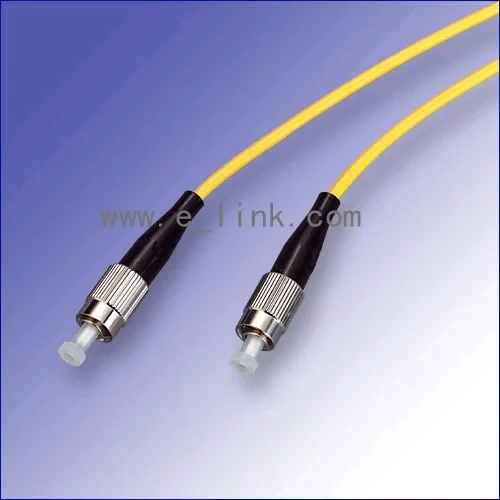
Fiber Optic Patchcord
Factory-terminated jumpers that turn a planned link budget into a working one
11 products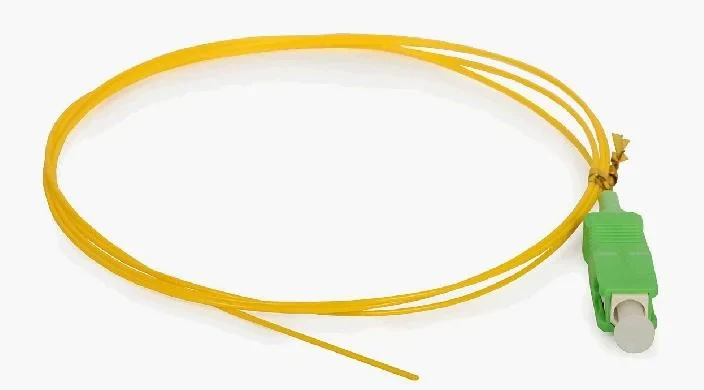
Various Pigtail
Pre-terminated tails that put the factory end face inside your splice tray
12 products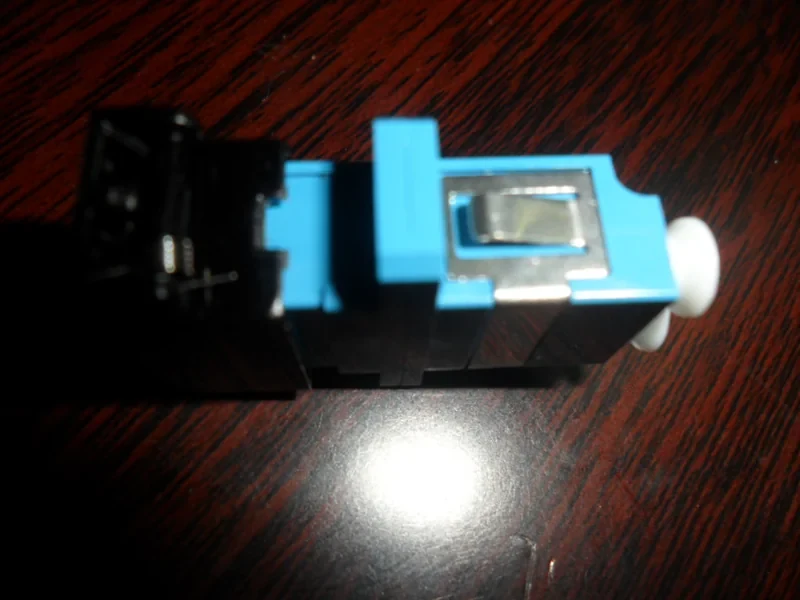
Fiber Adapter
Same-type mating sleeves that hold two ferrules on one axis
18 products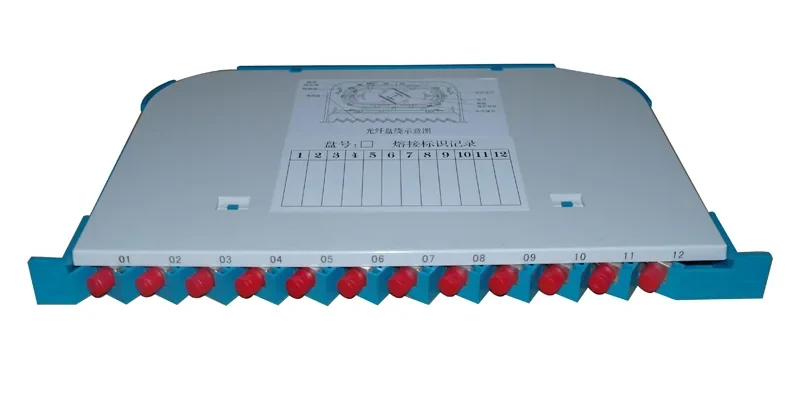
Accessories
The consumables and small parts an installation actually runs out of
11 productsDeployment Profiles
Have A Specification To Check
Send the part, the drawing or the link budget. We will confirm what fits before you commit to an order.