
Passive Component
Circulators, isolators and collimators for optical system builders
All 3 Passive Component Products
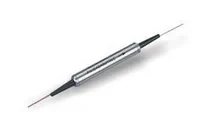
Optical Circulator
Used for fiber sensing interrogator construction.
View Details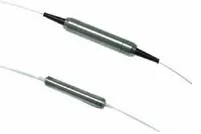
Fiber Isolator
1064nm Polarization Insensitive Isolator ; 1310/1480/1550/1590nm Isolator
View Details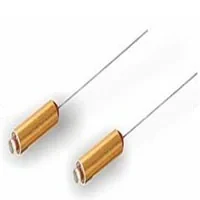
Optical Fiber Collimator
Used for coupling fiber into a free-space optical bench.
View DetailsPassive Component In Practice
These are the parts that shape how light travels rather than simply carrying it. An isolator stops reflected light getting back into a laser, a circulator routes light by direction rather than wavelength, and a collimator turns a fiber output into a free-space beam. They belong to system designers, not to patch fields.
Problems This Range Solves
- Laser instability caused by back-reflected light re-entering the cavity
- Bidirectional paths that need directional routing rather than splitting
- Free-space optical benches that need a stable, repeatable beam from fiber
- Component-level sourcing spread across many small suppliers
- Amplifier designs needing isolation at defined points in the chain
Who It Is For
- Optical amplifier and laser module designers
- Test and measurement equipment manufacturers
- Optical sensing system developers
- Research laboratories and universities
- OEM integrators building bidirectional optical links
Where It Is Used
- Isolating a pump laser inside an amplifier module
- Building a bidirectional link on one fiber with a circulator
- Coupling fiber into a free-space optical bench
- OTDR and reflectometry front-end design
- Fiber sensing interrogator construction
What You Get From Our Passive Component
Advantages
- Protects sources from reflection-induced instability
- Directional routing without electrical control
- Fiber-to-free-space coupling with repeatable beam geometry
- Fiber pigtail and connector options to suit the bench or the module
- Component-level supply from the same source as the rest of the optical build
Technical Features
- Polarisation-independent designs on standard isolator and circulator versions
- Fiber pigtailed or connectorised output
- Defined operating wavelength band per part
- Compact packaging for module integration
- Low insertion loss in the forward direction
Materials
- Optical crystal and magnet assembly on isolators and circulators
- Graded-index or aspheric lens on collimators
- Silica fiber pigtails
- Metal housing
- Epoxy-free optical path where the design requires it
Customization Options
- Operating wavelength band
- Pigtail length, fiber type and connector
- Housing dimensions for module integration
- Port configuration on circulators
- Beam waist and working distance on collimators
Manufacturing Process
- Optical element alignment and fixing
- Fiber pigtail attachment and alignment
- Housing assembly and sealing
- Optical performance test across the band
- Burn-in and final inspection on applicable types
Quality Control
- Insertion loss and isolation measured per unit
- Directivity measured on circulators
- Beam profile checked on collimators
- Wavelength response verified across the stated band
- Mechanical and environmental sampling per lot
Specifying and Handling Passive Component
Before You Order
- Confirm the operating wavelength band before selecting a part
- Observe the directional marking on isolators and circulators
- Keep pigtails above their minimum bend radius inside the module
On Site
- Clean connectorised ports before every mating
- Mount collimators on a stable optical mount, not on the fiber
- Avoid exceeding the stated optical power handling
Passive Component Questions
What does an optical isolator actually do?
It lets light pass in one direction and blocks it in the other, so reflected light cannot travel back into a laser and destabilise it. It is standard practice in amplifier and transmitter design.
When would I use a circulator instead of a splitter?
A splitter divides power in both directions. A circulator routes light by the port it entered, so you can run send and receive on one fiber without paying the splitting loss twice.
What wavelength bands are available?
Parts are built for defined bands. Tell us the wavelength and the power level your design runs at and we will confirm which version applies before you order.
Can these be supplied with connectors instead of bare pigtails?
Yes. Pigtail length, fiber type and connector are all specified per order, including unterminated tails for direct splicing into a module.
Do you supply these at prototype quantities?
Yes, component-level parts can be quoted in small quantities for development work, with volume pricing once a design goes to production.
Guides Related To This Range
PLC and FBT Optical Splitters Compared
Two ways to divide light, why PON standardized on one of them, and how to check whether your budget can carry the split you want.
Buying GuideHow to Select a Fiber Optic Attenuator
Measure first, attenuate on the receive side, and record what you installed. The three rules that prevent most attenuator mistakes.
More Fiber Optic Components
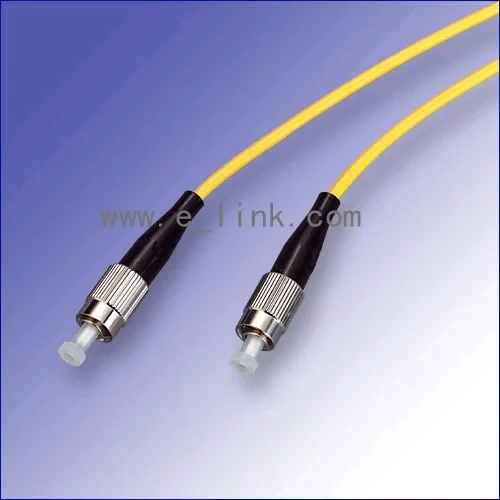
Fiber Optic Patchcord
Factory-terminated jumpers that turn a planned link budget into a working one
11 products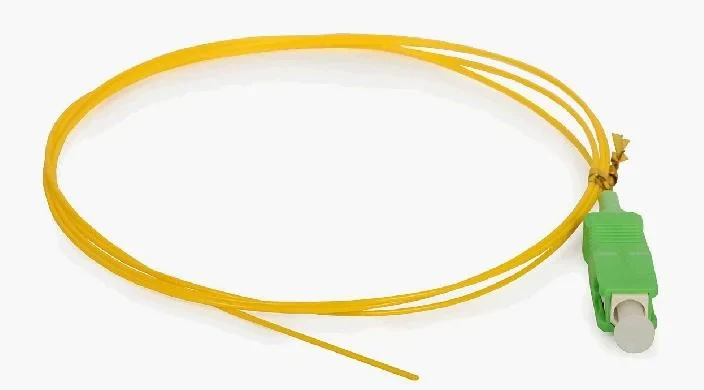
Various Pigtail
Pre-terminated tails that put the factory end face inside your splice tray
12 products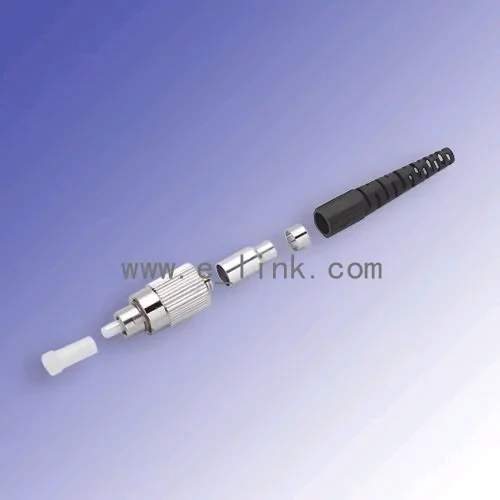
Fiber Optic Connector
Connector bodies and kits for assembly houses and field termination
8 products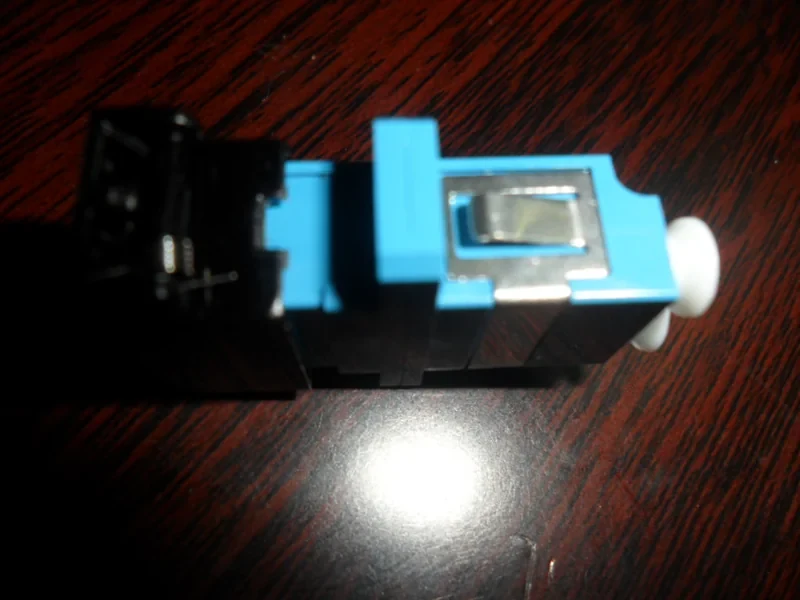
Fiber Adapter
Same-type mating sleeves that hold two ferrules on one axis
18 productsGet Pricing On Passive Component
Email the model and quantity and we will reply with pricing, lead time and a datasheet for any item in the passive component range.