
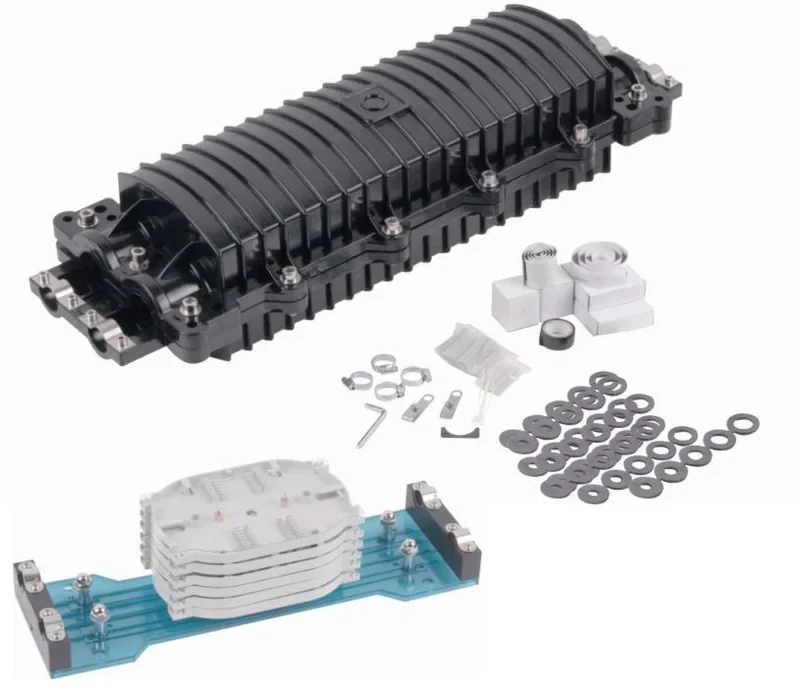
Horizontal FOSC
In-line splice closures for aerial, duct and direct-buried straight-through joints
All 8 Horizontal FOSC Products
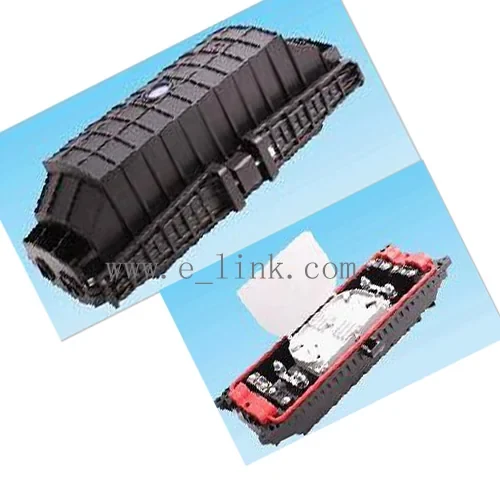
ELHY001
Used for duct and hand-hole joints on buried feeder runs.
View Details
ELHY002
Used for straight-through joints on aerial distribution cable.
View Details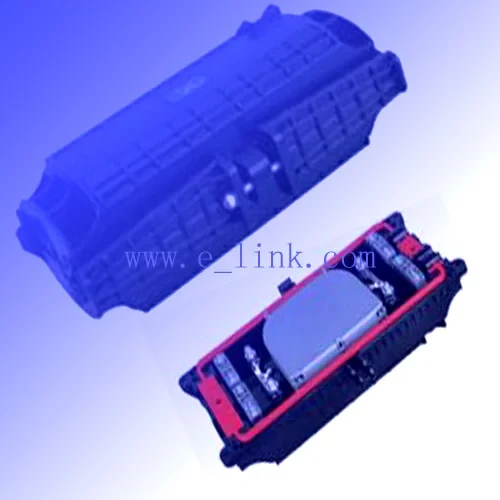
ELHY003
Used for duct and hand-hole joints on buried feeder runs.
View DetailsEL001
Used for restoration splicing after a cable cut.
View Details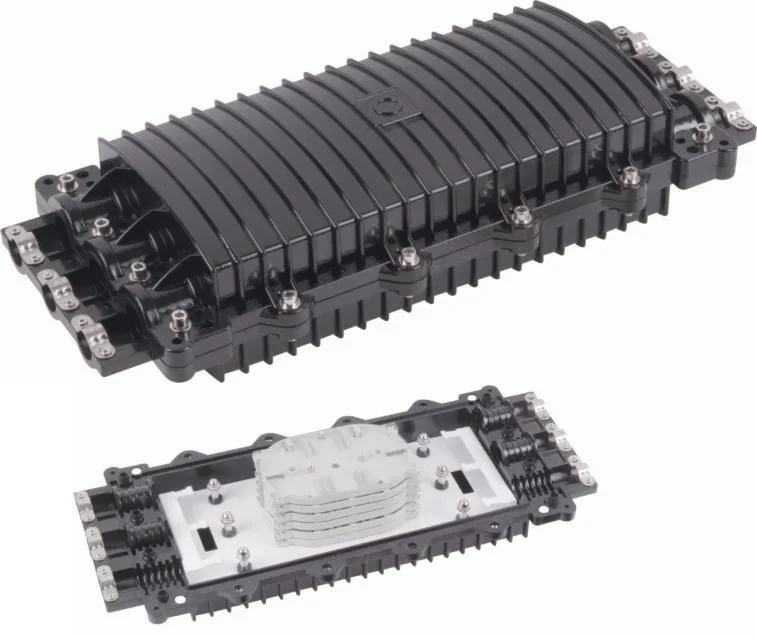
EL003
Used for staged network builds where trays are added later.
View Details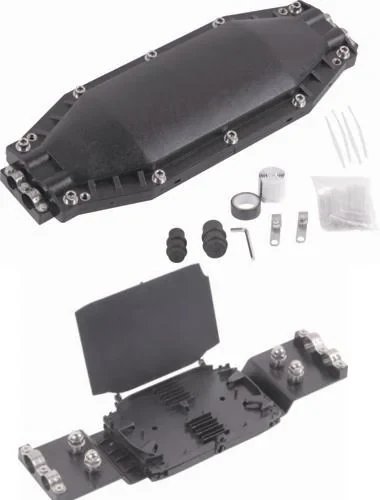
EL004
Used for branch splicing to serve a street or a building cluster.
View Details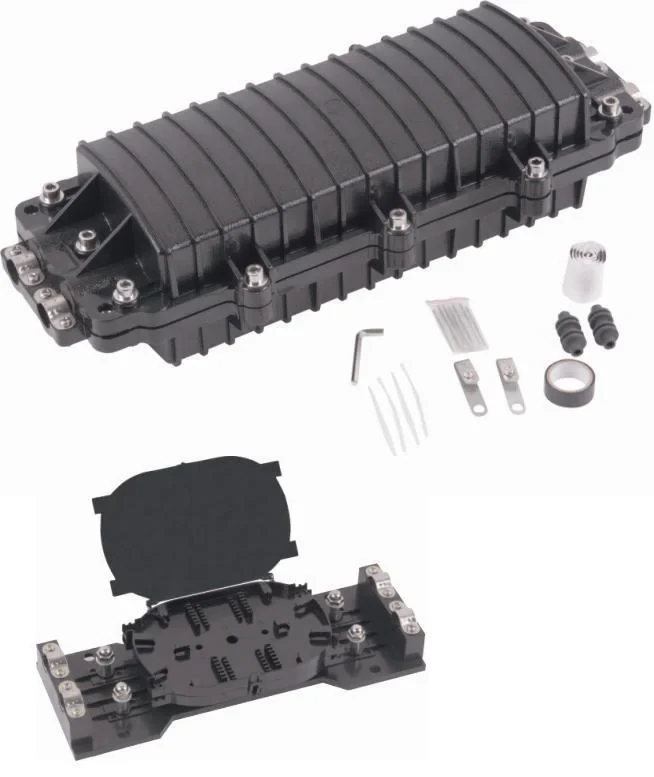
EL005
Used for restoration splicing after a cable cut.
View Details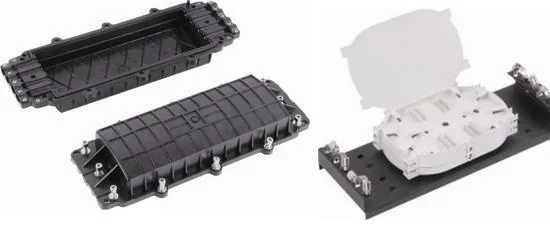
EL006
Used for staged network builds where trays are added later.
View DetailsHorizontal FOSC In Practice
A horizontal splice closure is the flat, cigar-shaped enclosure used where a cable passes through a joint rather than ending at one. Cables enter at both ends, the fibres are spliced in trays inside, and the closure is resealed. It is the format that suits aerial lashing, duct pulling and hand-hole mounting.
Problems This Range Solves
- Joints that let water in after the first freeze and thaw cycle
- Closures that cannot be reopened without destroying the seal
- Tray capacity that runs out halfway through a network's life
- Mounting hardware that does not suit aerial, wall and hand-hole use equally
- Fiber routing inside the closure that violates the bend radius
Who It Is For
- FTTH and access network construction contractors
- Telecom operators maintaining outside plant
- CATV network builders
- Utility and campus network owners
- Maintenance crews carrying out restoration splices
Where It Is Used
- Straight-through joints on aerial distribution cable
- Duct and hand-hole joints on buried feeder runs
- Branch splicing to serve a street or a building cluster
- Restoration splicing after a cable cut
- Staged network builds where trays are added later
What You Get From Our Horizontal FOSC
Advantages
- Flat profile that lashes to aerial strand and pulls into duct
- Mechanical seal that can be reopened for later splicing work
- Stackable trays so capacity can grow without replacing the closure
- Routing guides that hold the fiber above its minimum bend radius
- Grommet-based cable entry sized for common drop and feeder cables
Technical Features
- Mechanical sealing without heat shrink or gas
- Multiple cable entry ports with sealing grommets
- Stackable splice trays with heat-shrink sleeve holders
- Integrated fiber routing and slack storage
- Aerial, wall and pole mounting hardware options
Materials
- High-impact engineering plastic shell
- Rubber sealing gaskets and grommets
- Stainless steel latches and fasteners
- Thermoplastic splice trays
Customization Options
- Tray count and fiber capacity
- Cable entry port count and grommet sizing
- Aerial, wall or pedestal mounting kits
- Tray type for single-fiber or ribbon splicing
- Private-label molding and packaging on volume orders
Manufacturing Process
- Shell molding and dimensional inspection
- Gasket and grommet fitting
- Tray and routing hardware assembly
- Seal integrity testing
- Kit packing with mounting hardware and consumables
Quality Control
- Seal integrity verified on sample closures
- Repeat open-and-close cycling on samples
- Impact and UV resistance testing per production lot
- Tray capacity and routing radius verified against the design
- Kit contents checked against the packing list before dispatch
Where This Range Is Specified
Specifying and Handling Horizontal FOSC
Before You Order
- Choose capacity for the network's planned end state, not today's fiber count
- Prepare and anchor the cable strength member before any splicing
- Route fiber through the guides and keep slack inside the tray
On Site
- Seat the sleeve fully in the tray holder before closing
- Check gasket seating all the way round before latching
- Record tray and position numbers so a future crew can find the splice
Horizontal FOSC Questions
What is the difference between a horizontal and a dome closure?
A horizontal closure takes cables in at both ends and suits straight-through joints, aerial lashing and duct work. A dome closure takes cables in at one base and suits vertical mounting on poles, walls and in hand holes. Choose by cable geometry, not by preference.
Can the closure be reopened after it is sealed?
Yes. These use a mechanical seal rather than heat shrink, so a later crew can open the closure, add splices and reseal it with a new gasket where needed.
How many fibres does one closure hold?
Capacity depends on the tray count and tray type ordered. Tell us your planned end-state fiber count and we will confirm the configuration rather than leaving you to add trays later.
Is the closure suitable for direct burial?
The sealed shell is designed for outside-plant environments including hand holes and buried applications. Confirm the intended installation with us so the right gaskets and entry ports are supplied.
What comes in the box?
The closure, its trays, sealing grommets, splice sleeve holders and the mounting hardware for the ordered installation type. Consumable counts are confirmed on the packing list.
More FTTH & Distribution
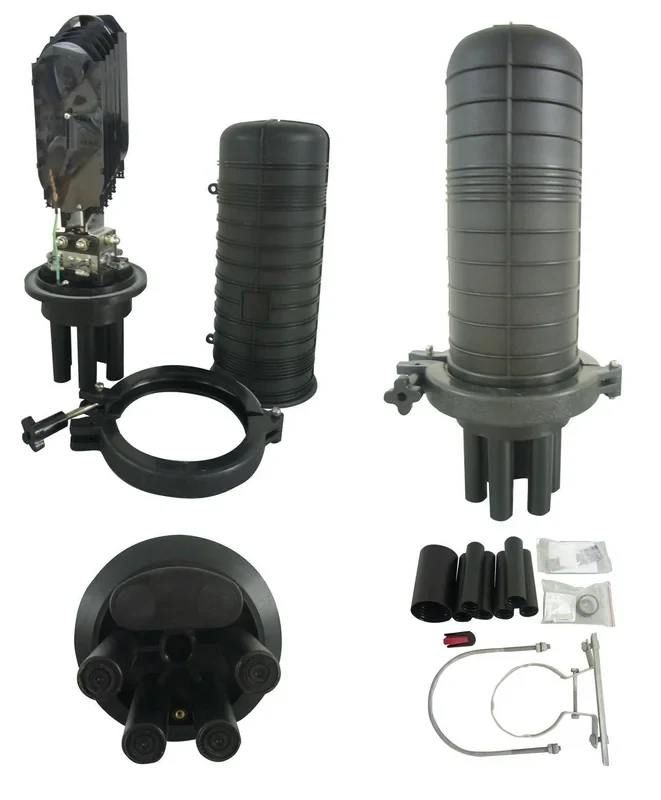
Dome FOSC
Vertical dome closures for pole, wall and hand-hole splice points
9 products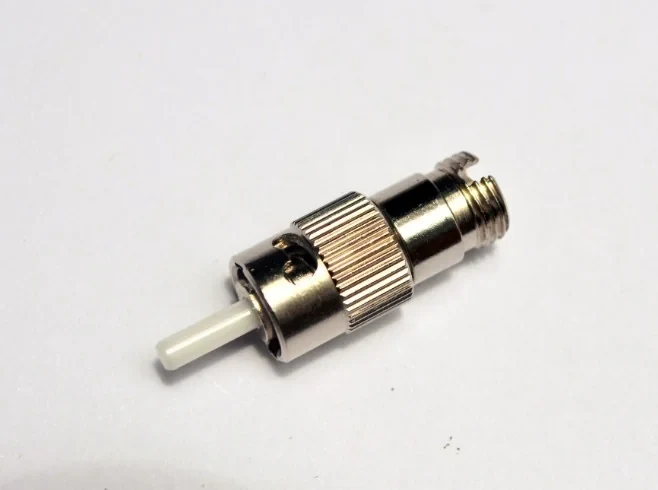
FTTH Solution
Drop-side hardware for the last span into the subscriber premises
3 products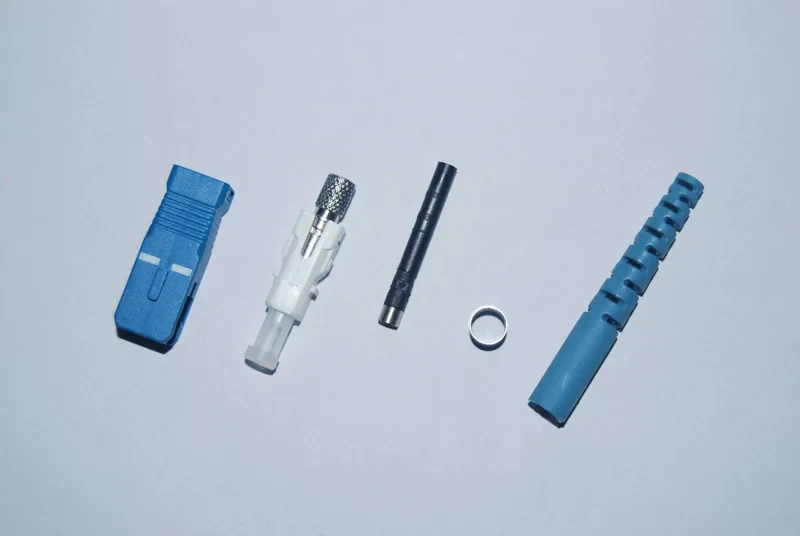
Field Assembly/Fast Connector
Mechanical field termination without a fusion splicer
6 products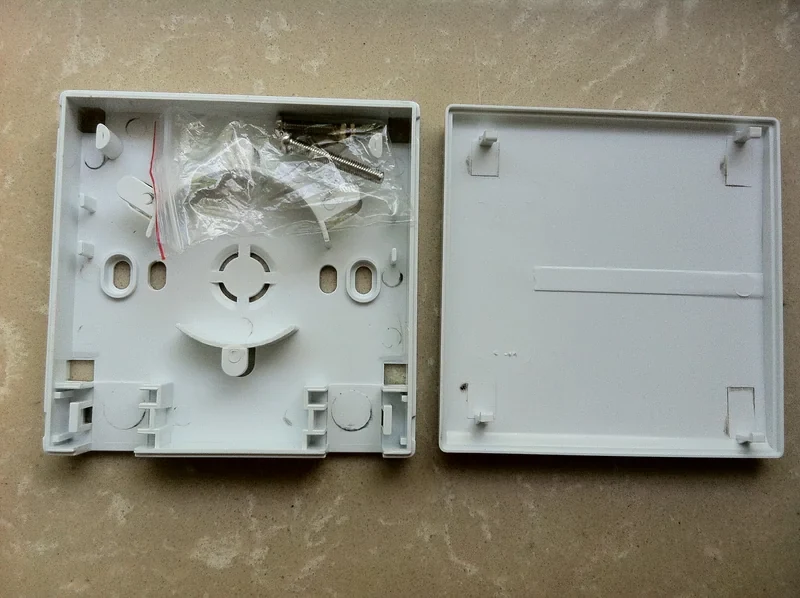
FTTH Termination Box
Compact subscriber-side boxes that end the drop and present a clean port
5 productsGet Pricing On Horizontal FOSC
Email the model and quantity and we will reply with pricing, lead time and a datasheet for any item in the horizontal fosc range.