
Knowledge Center
Selection guides, maintenance practice and process background for strip processing lines. Written for maintenance engineers and buyers rather than for search engines.

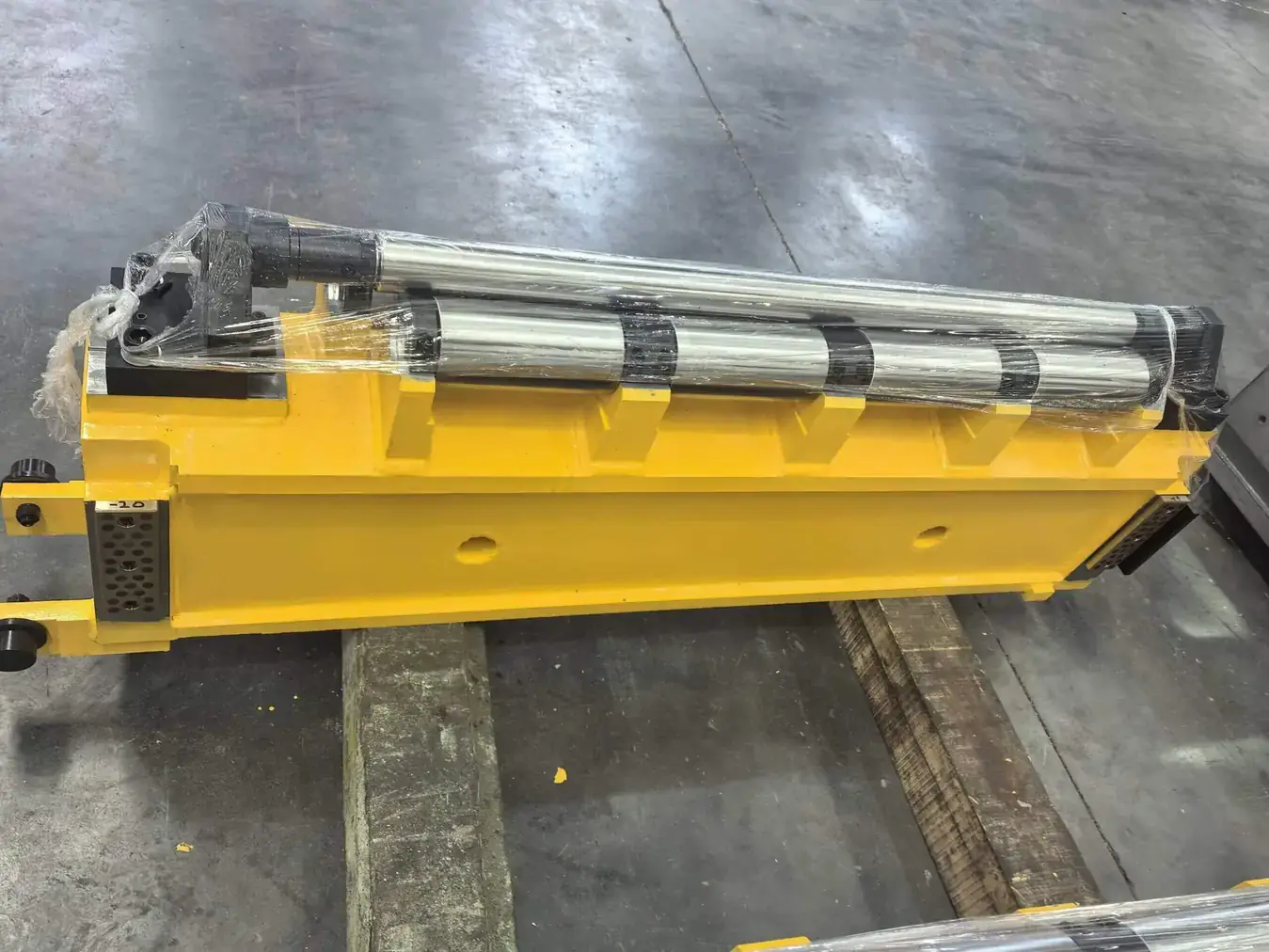
How Frac Pump Bearing Quality Keeps A Fracturing Job On The Design Curve
Displacement, pressure and uptime are one chain in hydraulic fracturing, and the power end bearing sits in the middle of it.
Read More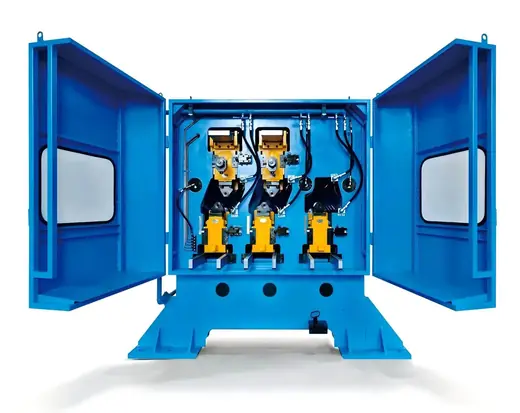
Tension Leveler Spare Parts Planning For AHSS Galvanizing Lines
What to stock, when to replace and why advanced high strength steel changes the roll wear calculation.
Read More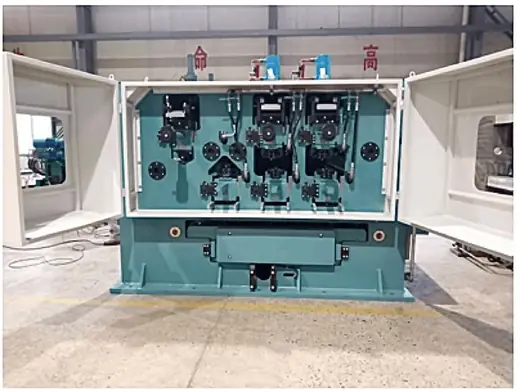
How Scale Breakers Optimise Surface Quality Before Cold Rolling
Dry and wet scale breakers, the elongation window that matters, and why the first processing step decides the last.
Read More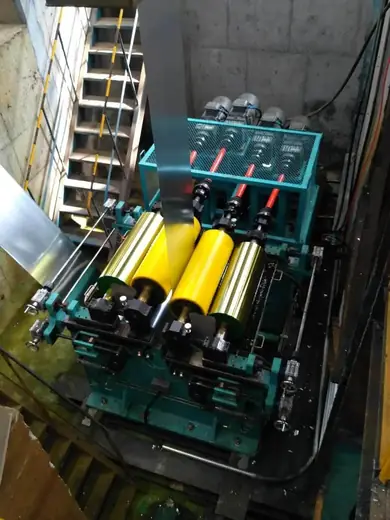
Selecting Universal Joints For Multi Roll Tension Levelers
Torque calculation with the right service factor, and the articulation angle that decides fixed against plunging type.
Read More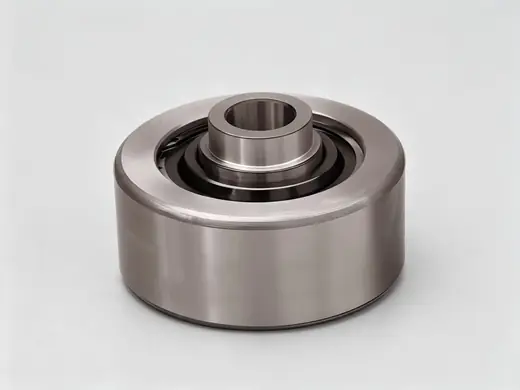
Roller Wheels And Why Conveyor Performance Ends At The Last Component
Belt tracking, energy consumption and wear patterns all trace back to the roller wheel, not the belt.
Read More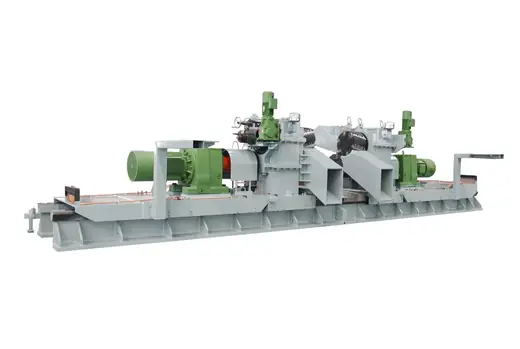
Edge Trimmer Shearing Principles For Metallurgical Strip Lines
Side clearance and overlap are the two settings that decide whether you get a clean shear or a burr.
Read More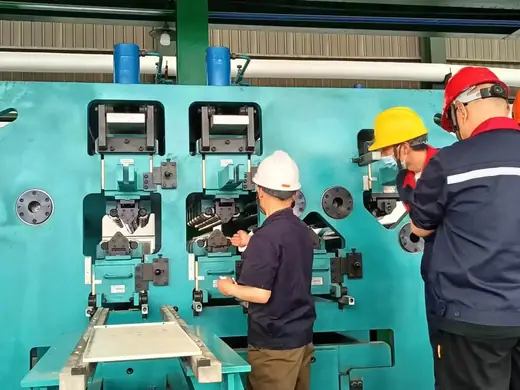
Tension Leveler For Steel Coil Working Principle And Specifications
Double bending and double straightening, the three stage sequence inside the machine, and the specification envelope it works in.
Read More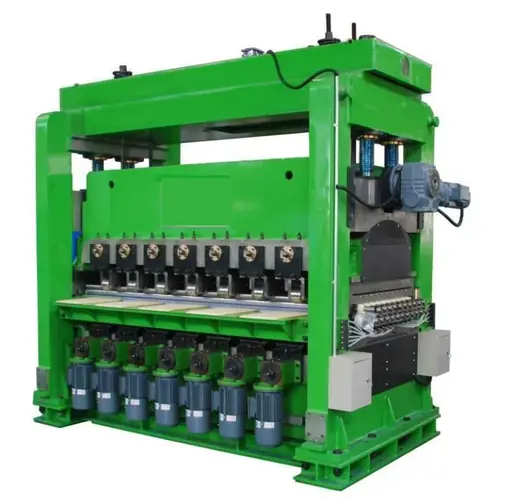
Choosing A Multi Roll Straightener Configuration For Mixed Materials
One machine can straighten high strength steel, stainless and titanium, but never with the same parameters.
Read More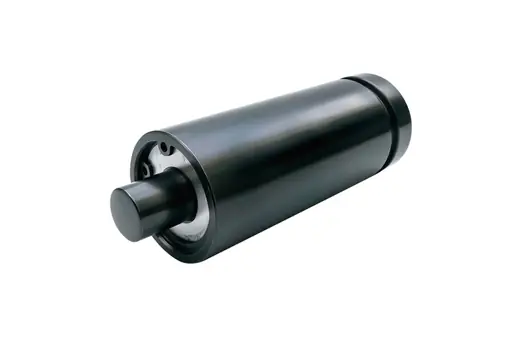
Roll End Bush For Steel Strip Tension Levelers Explained
A small symmetrical part on both sides of the cassette that decides whether the roll system stays where it belongs.
Read More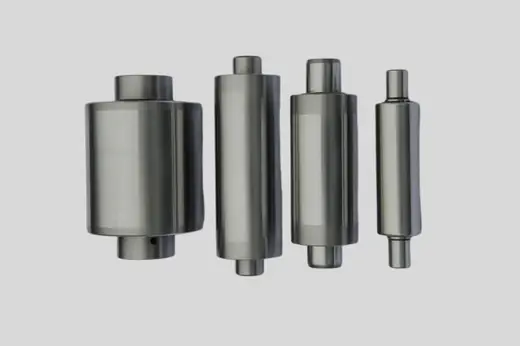
Why The Back Up Roll You Bought Is Not Durable
Three reasons back up rolls fail early, and how to tell which one you have by opening the roll and measuring runout.
Read More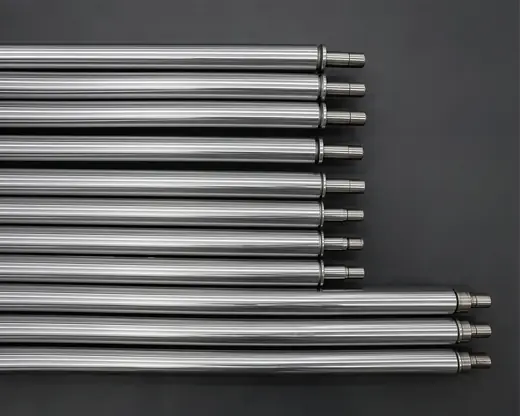
How Hard Chrome Plated Working Rolls Improve Tension Leveler Stability
Wear resistance, friction and rigidity, and the numbers behind each of them on a 16 to 68 mm roll.
Read More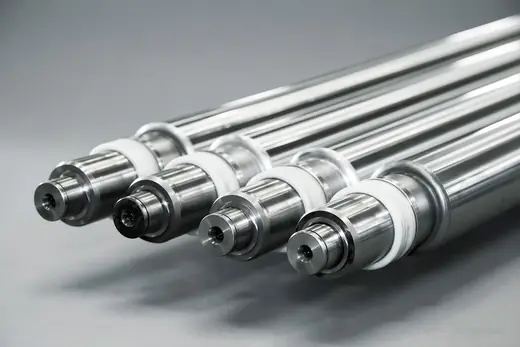
The Role Of Leveling Line Rolls In Finished Strip Qualification Rate
Roll deflection, hardness and bending adjustment are the three levers that decide how much of your output passes inspection.
Read More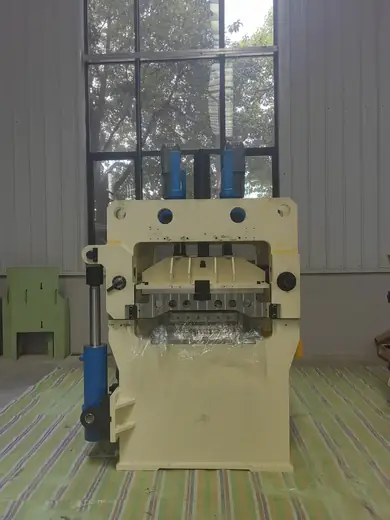
Maintaining A 23 Roll Tension Leveler For Aluminum Plate
Overload, roll wrapping and lubrication are the three operating mistakes that destroy work rolls on aluminum lines.
Read MoreTension Control In Push Pull Pickling Lines Section By Section
Typical tension ranges for entry, pickling, rinse, dry and exit sections, and what each one is protecting.
Read MoreFull Lifecycle Maintenance Of Tension Leveler Work Rolls
Diagnosis before disassembly, equipment records, and why imported rolls need measuring before anyone touches them.
Read More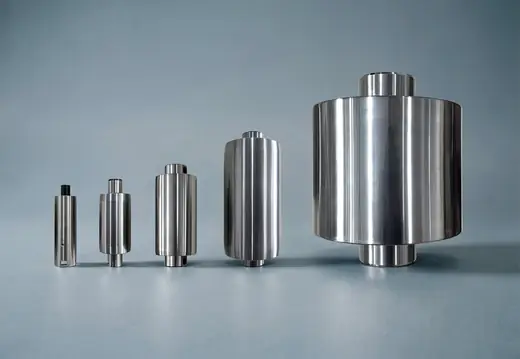
Cutting The Spare Parts Budget Without Cutting Line Stability
What actually differentiates consumable roll suppliers, and how to qualify one without betting the line on it.
Read MoreAbout Our Technical Content
Who writes these articles?
Our own engineering team, from the work we do configuring machines and producing spare parts for strip processing lines.
Can we ask a question that is not covered?
Yes. Message us on WhatsApp with the question and we answer directly. Recurring questions usually become an article.
Can we reuse this content?
Ask us first. We are usually happy for customers to share an article internally with attribution.
Do the articles reflect what you actually supply?
Yes. Every article links to the products it discusses, and the technical values come from the equipment and parts we build.
Ask Our Engineers Directly
If an article does not answer your question, message us and an engineer will reply within 24 hours.