
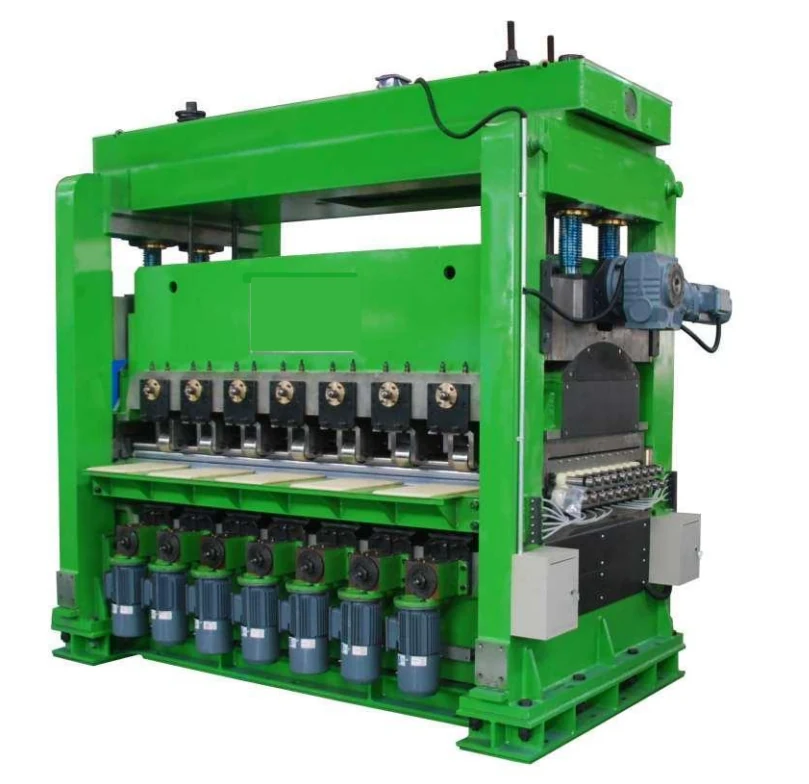
Choosing A Multi Roll Straightener Configuration For Mixed Materials
One machine can straighten high strength steel, stainless and titanium, but never with the same parameters.
The Problem With One Machine For Everything
Many finishing lines process high strength steel, stainless steel, aluminium alloy and titanium plate in the same workshop. The practical question for a process engineer is whether one straightener can cover all of them.
It can, but not in the way buyers usually hope. Metals differ significantly in yield strength, elastic recovery coefficient and surface sensitivity, and those differences do not disappear because the machine is versatile.
How The Materials Differ
High strength steel has high yield resistance, so it needs force. Stainless steel is prone to residual stress and edge wave defects, so it needs a correction strategy rather than brute force.
Titanium plate has a low elastic modulus and requires gentle, uniform roll pressure to avoid surface scratches. A machine set up for high strength steel will damage it.
- High strength steel: high yield resistance, needs reinforced roll components
- Stainless steel: residual stress and edge wave defects
- Aluminium alloy: soft surface, sensitive to marking
- Titanium plate: low elastic modulus, needs gentle uniform pressure
Configurations By Roll Count
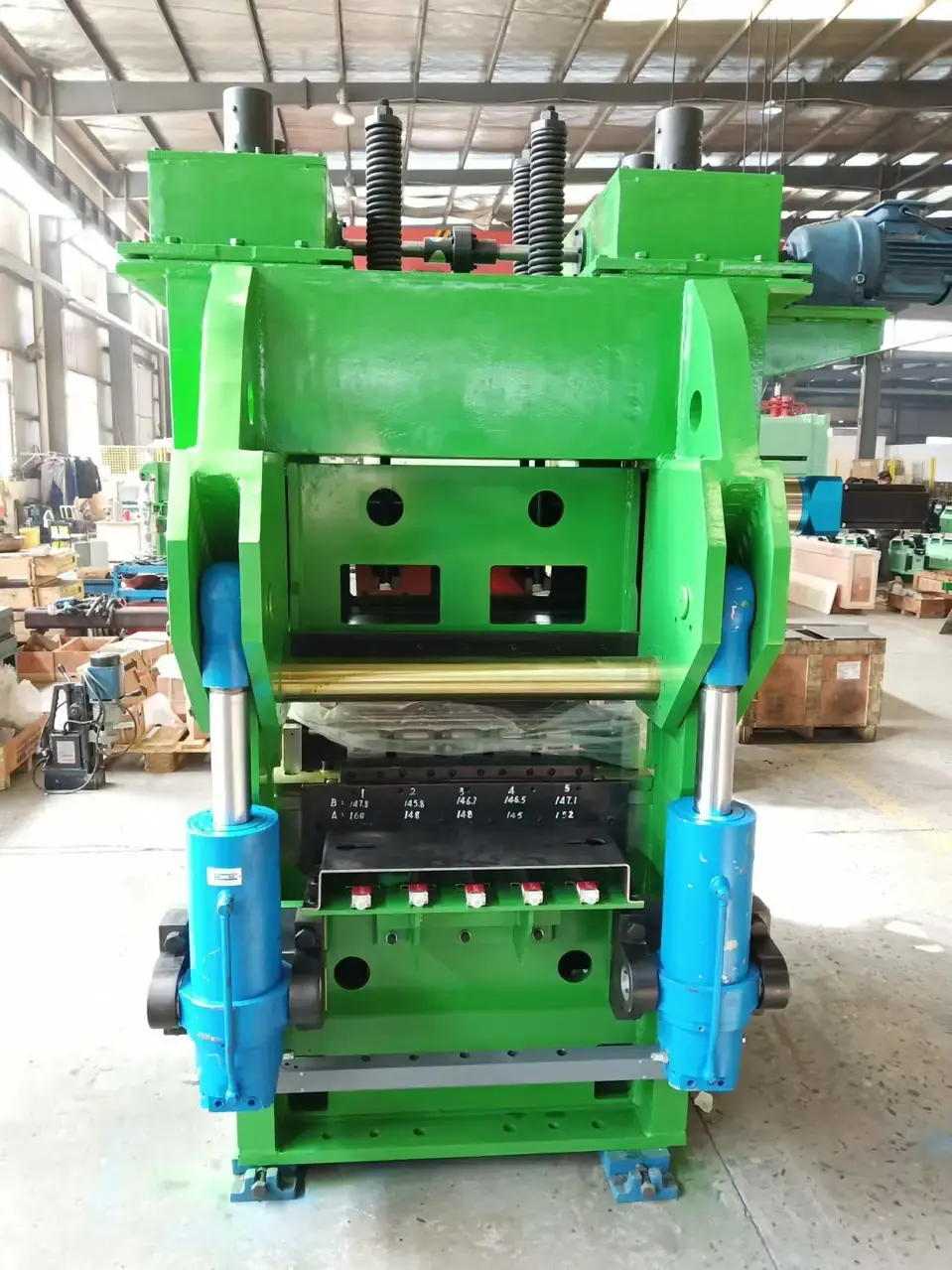
Our multi roll straightener series covers 15, 17, 19, 21 and 23 roll configurations. More rolls mean more bending steps and a gentler progression, fewer rolls mean more force per step.
The 19 roll unit is a flexible middle ground widely used for high strength steel leveling. With adjustable roll gaps, independent pressure control and reinforced roll components it handles rigid material, and after parameter modification the same machine switches to stainless steel and removes camber and edge waves from cold rolling.
The Rule That Does Not Bend
A single multi roll straightener can work for multiple metal materials, but it cannot run different materials under identical parameters. Improper setting of straightening force or speed is what produces surface damage and out of tolerance flatness.
Practically, that means recording a parameter set per material and gauge at commissioning, and training operators to switch sets rather than adjust by feel.
Products Mentioned In This Article
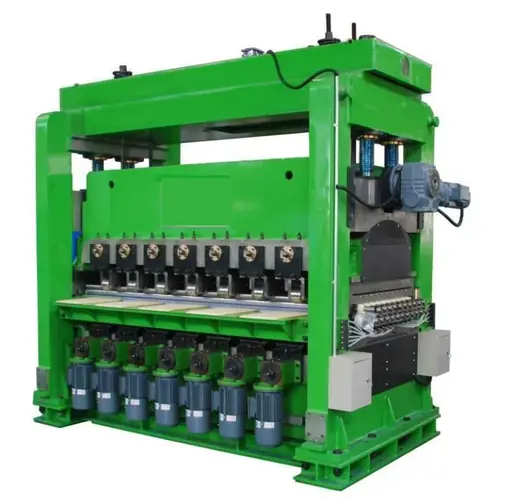
Multi Roll Leveler for Tension Leveling Lines 0.08-1 mm
Tension leveling line leveler for 0.08-1 mm strip with pre adjusted work rolls.
View Details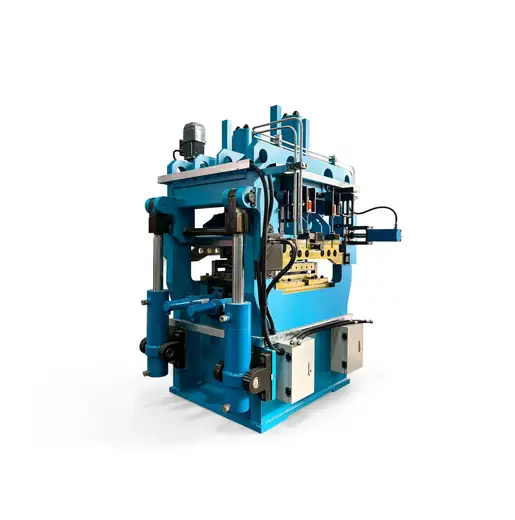
Multi Roll Leveler for 0.08-1 mm Copper Strip
Copper strip leveler for 0.08-1 mm material used in electrical and electronic components.
View Details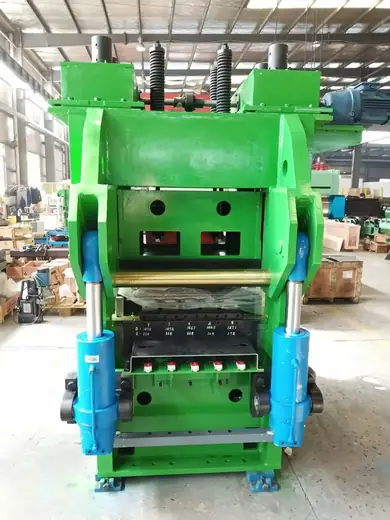
Multi Roller Leveler for 0.03 mm Titanium Plate
Ultra thin gauge leveler configured for titanium plate as thin as 0.03 mm.
View Details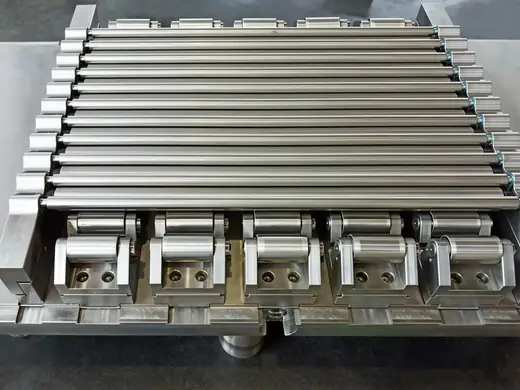
Roll System for High Precision 23 Roll Leveler
Multi roll system with micro stress elimination for copper, aluminum and specialty steel coil.
View DetailsReader Questions
How many rolls do we need?
It depends on your thinnest and most sensitive material. Configurations run from 15 to 23 rolls, and the 19 roll unit is a common flexible choice for mixed work including high strength steel.
Can one machine really handle titanium and high strength steel?
Yes, with targeted structural adjustment and different parameter sets. What it cannot do is run both under identical settings.
What causes surface scratches on titanium?
Roll pressure that is too high or not uniform. Titanium has a low elastic modulus and needs gentle, even pressure.
How do we manage parameter changes in production?
Record a parameter set per material and gauge during commissioning and have operators select the set rather than adjusting by feel.
Choose A Roll Configuration
Send the materials and gauges you run and we recommend a roll count and pressure strategy.