
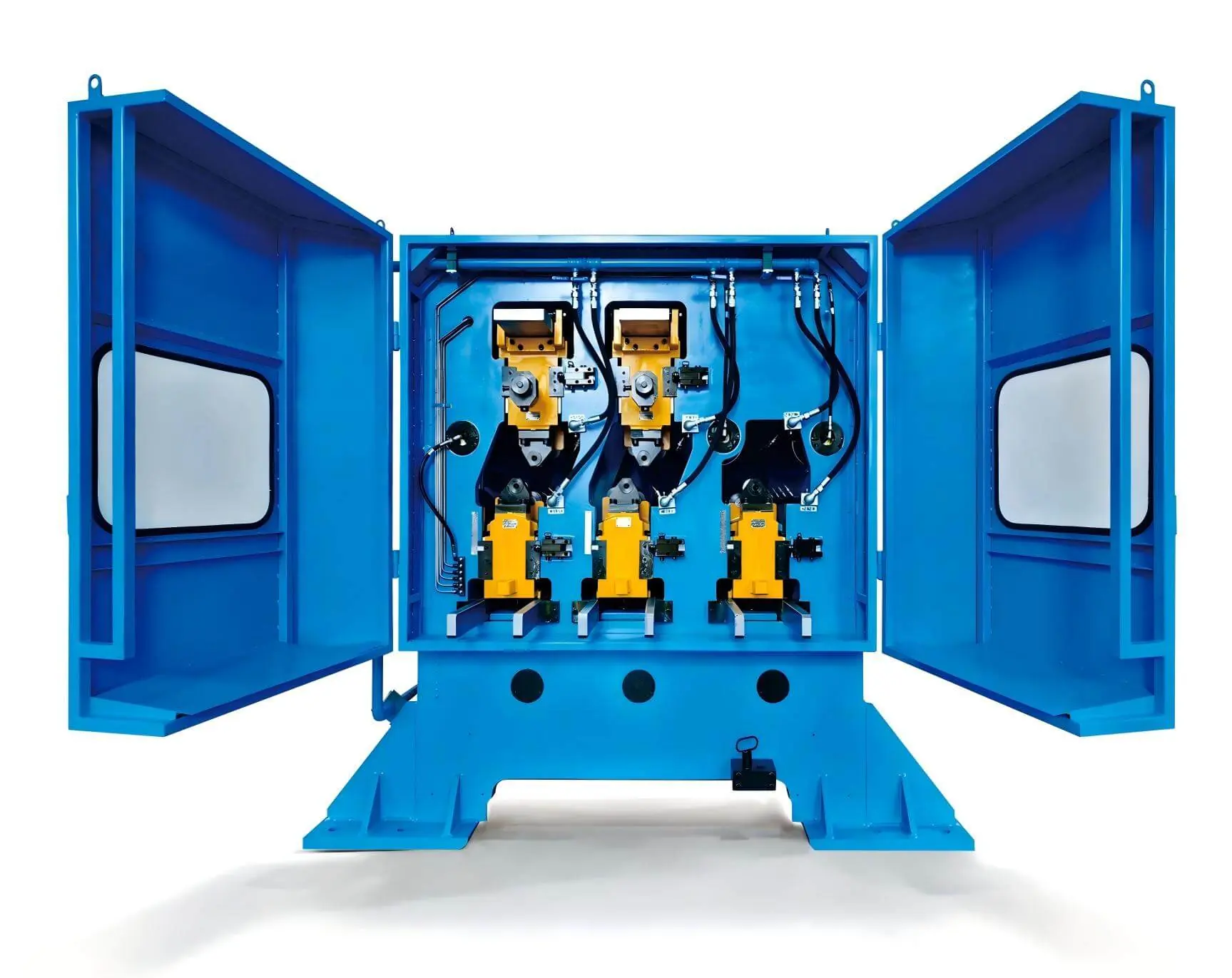
Full Lifecycle Maintenance Of Tension Leveler Work Rolls
Diagnosis before disassembly, equipment records, and why imported rolls need measuring before anyone touches them.
The Rolls Are The Teeth Of The Machine
In metal strip finishing the tension leveler is the equipment that determines shape quality, and the work rolls, together with the intermediate and backup rolls, are what actually touch the strip. They decide flatness, surface quality and how stably the machine runs.
As maintenance capability has matured, more lines originally supplied by overseas equipment builders send their leveler work rolls out for repair rather than replacing them. That is economically sensible, but only where the repair starts from measurement rather than assumption.
Diagnose Before You Disassemble
The first step is reverse engineering, measurement and record creation. Imported equipment typically has smaller design margins than a general purpose design, so the original parameters have to be captured before anything is taken apart.
Once the roll is disassembled without records, the information needed to restore it correctly is gone. That is the most common way a repair turns into a replacement.
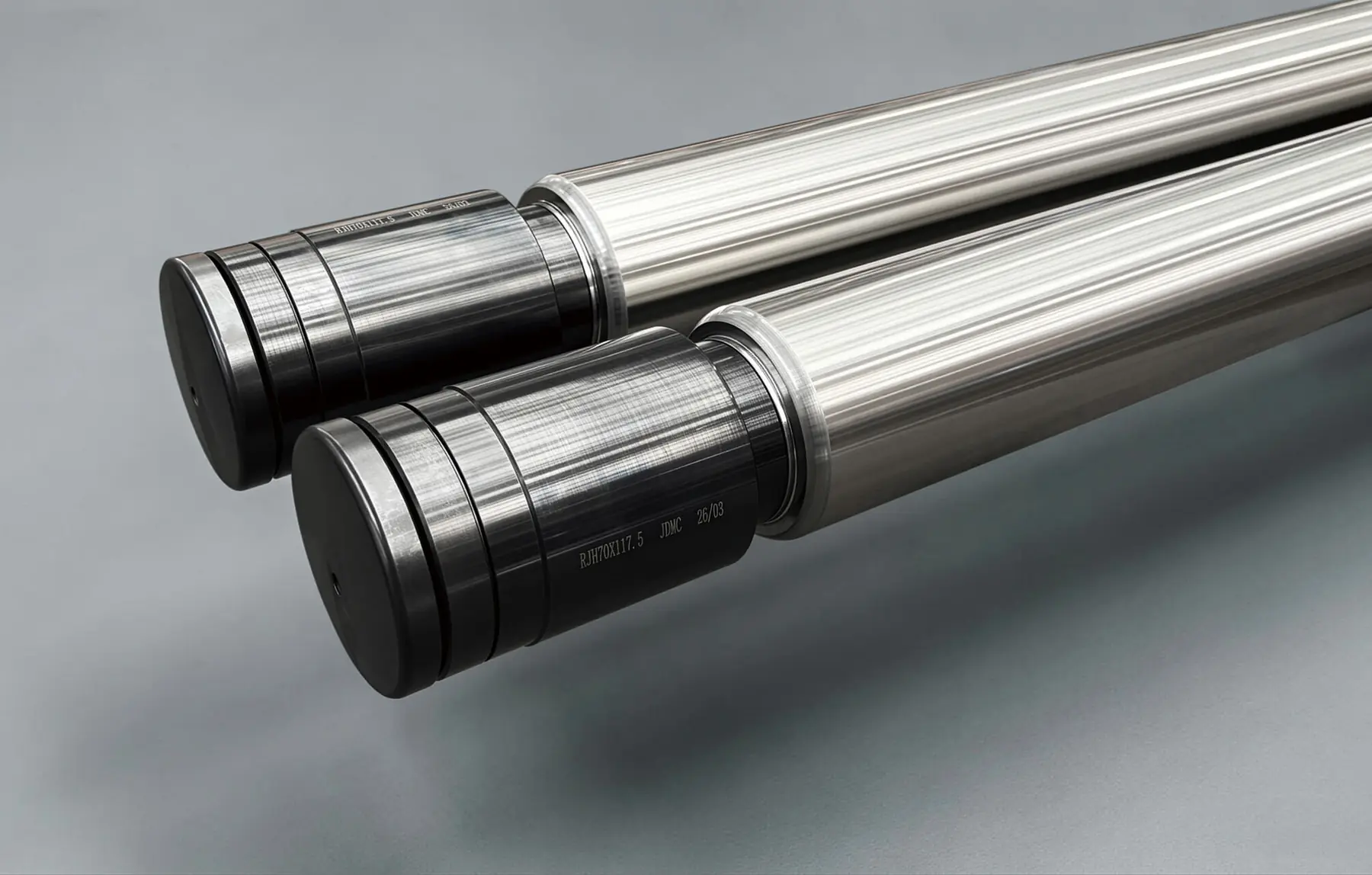
Build The Equipment Record
A usable record covers the roll dimensions as found, the hardness, the plating condition and thickness, runout, and the position the roll came from in the cassette.
With that in place the repair can be judged objectively at the end: whether the roll came back to the original specification, and how much regrind allowance is left for next time.
- Dimensions as found, before disassembly
- Hardness and hardened layer condition
- Plating thickness and surface condition
- Runout measured on the cassette
- Cassette position the roll came from
Know When To Stop Repairing
A roll has a finite number of regrinds. Once the chrome layer is worn through or the diameter falls outside the cassette tolerance band, further regrinding produces a roll that no longer works as part of the set.
Tracking the record across repairs is what tells you when that point has arrived, rather than discovering it through a flatness problem on the line.
Products Mentioned In This Article
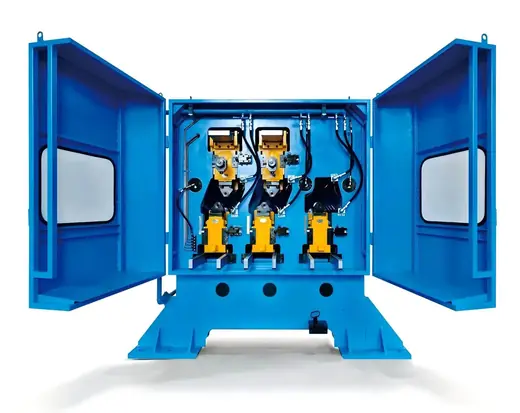
Tension Leveler Working Rolls
Hard chrome plated working rolls with HRC 63-65 surface hardness for tension leveling lines.
View Details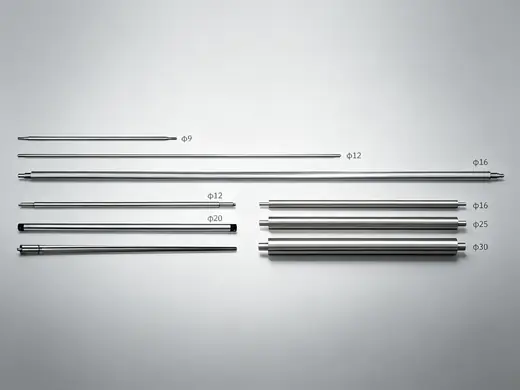
Work Roll for Tension Leveller Cassettes
Alloy and tool steel work rolls at HRC 58-62 in Ø30, Ø40 and Ø70 mm industry standard sizes.
View Details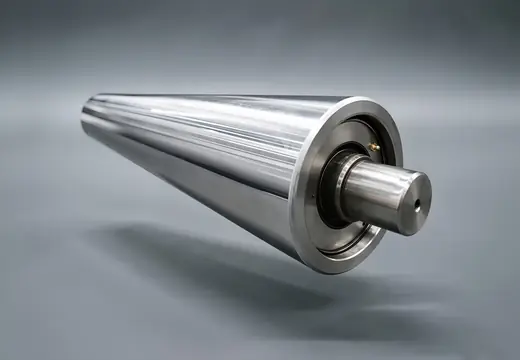
Work Roll Ø30 to Ø200 mm for Leveller Cassettes
Leveller cassette work rolls across Ø30, Ø45, Ø70 and Ø200 mm at HRC 58-62.
View Details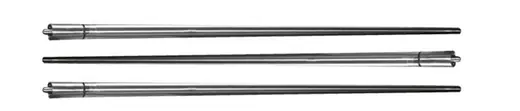
Work Roll 30 mm Diameter Chrome Plated
30 mm diameter chrome plated work rolls in stainless or carbon steel for tension levelers.
View DetailsReader Questions
Can rolls from imported equipment be repaired locally?
Yes, and it is common practice. What matters is capturing the original parameters by measurement before disassembly, because imported designs often have smaller margins.
What should a repair record contain?
Dimensions as found, hardness, plating condition and thickness, runout measured on the cassette and the position the roll came from.
How many times can a roll be reground?
It depends on the drawing and its regrind allowance. Once the plating is worn through or the diameter leaves the cassette tolerance band, replacement is the answer.
Do you repair rolls or only make new ones?
We manufacture new rolls to drawing or to a measured sample. For rolls at the end of their regrind life, a new set to the documented specification is usually the better economics.
Replace Rolls To A Documented Spec
Send your measured roll data and we produce a new set to the same specification with full records.