
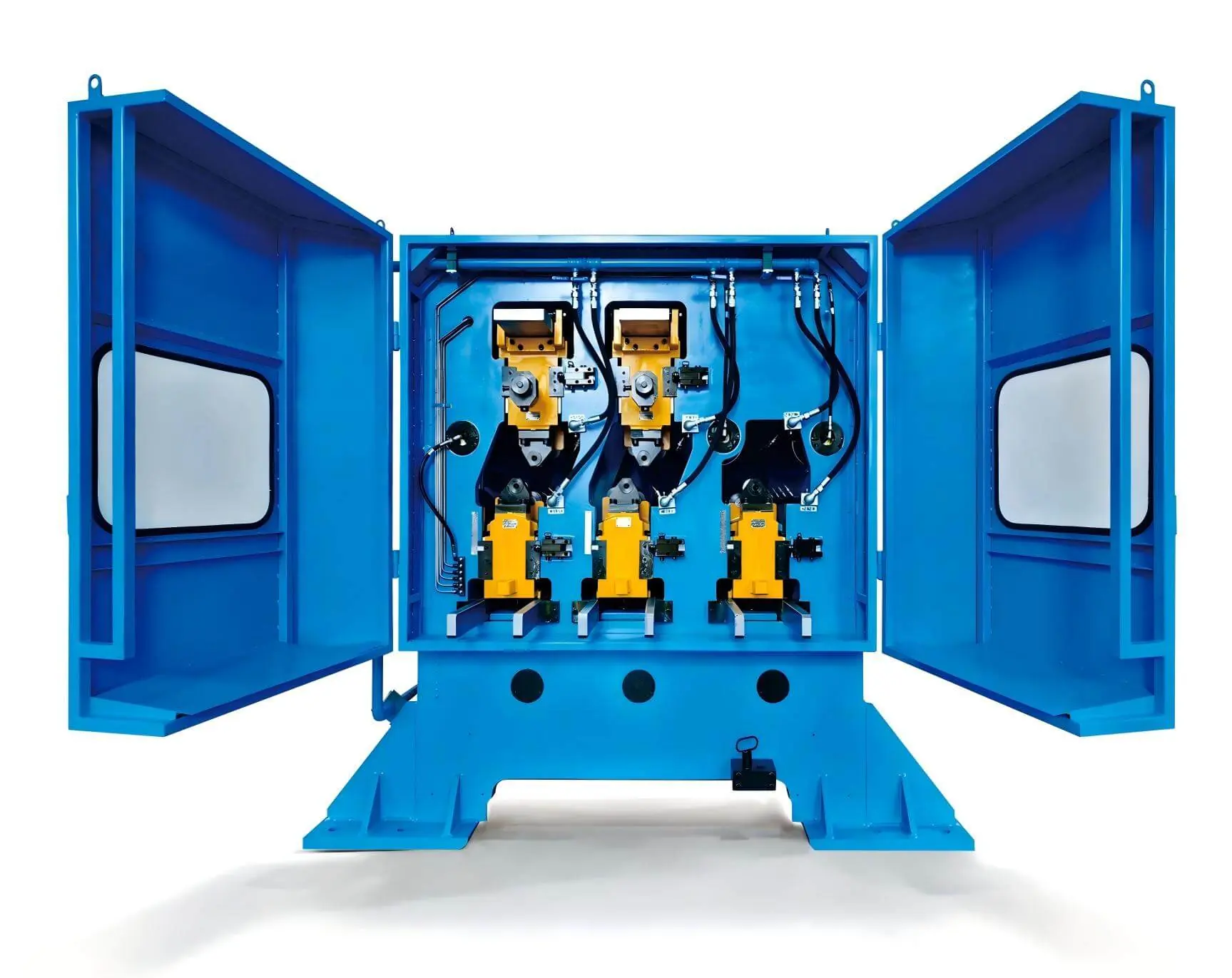
Tension Leveler Spare Parts Planning For AHSS Galvanizing Lines
What to stock, when to replace and why advanced high strength steel changes the roll wear calculation.
What A Tension Leveler Actually Does
A tension leveler combines bending stress with longitudinal stretching to reach flatness below 5 IU. It eliminates yield platforms, prevents slip lines, corrects strip shape defects and homogenises internal stress, which is what automotive grade flatness requires.
Common configurations are two bend two level, two bend one level and one bend one level, with two bend one level the most widely used. Applications run across galvanizing lines, pickling lines, cold rolling mills, colour coating lines and AHSS production.
The Components That Wear
Critical components include working rolls, backup rolls, leveling rolls, bending rolls, drive reducers, hydraulic cylinders, cooling systems and elongation control sensors. Each has to withstand extreme tension and continuous bending cycles.
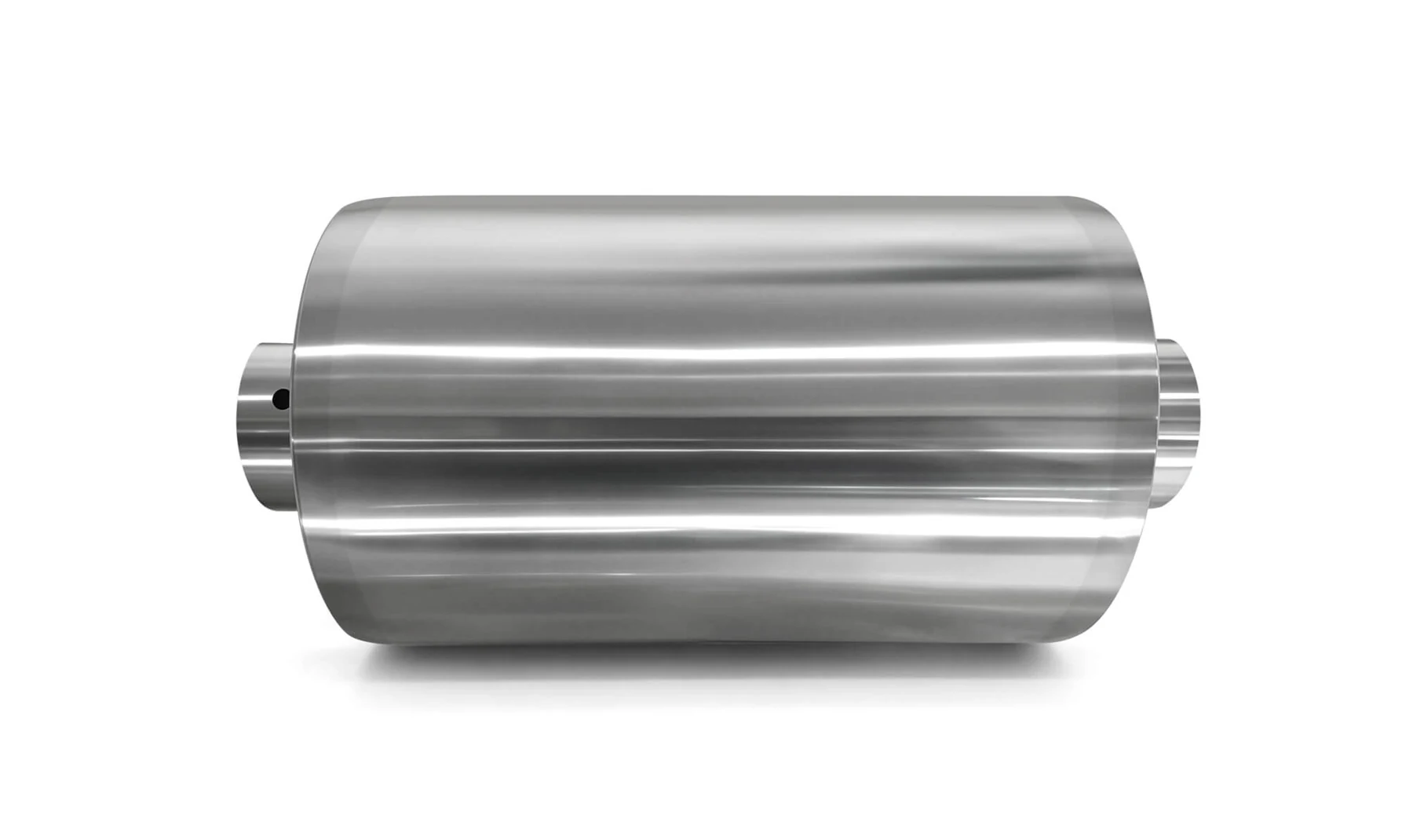
In wear order the highest consumption items are working rolls and leveling rolls, followed by backup rolls, bearings, seals, hydraulic components and cooling system parts.
- Working rolls and leveling rolls, the fastest wearing items
- Backup rolls, which decide whether new work rolls perform
- Bearings and seals inside the cassette
- Hydraulic components and cooling system parts
- Elongation control sensors
Why AHSS Accelerates Everything
Processing advanced high strength grades up to 1,480 MPa tensile strength accelerates roll wear significantly compared with mild steel. The same leveler configuration that ran comfortably on commercial grades will consume rolls faster as the grade mix hardens.
That means the replacement interval you built on historic consumption is optimistic. Regular diameter measurement and surface inspection are the only way to see the new rate before it turns into a quality problem.
A Practical Stocking Strategy
Industry practice is to hold at least one complete spare leveling unit so it can be exchanged during scheduled maintenance rather than rebuilt in place. Around that, hold one matched set of the fastest wearing rolls.
Custom orders for non standard dimensions take longer, so forward planning matters more than stock value. Where a supplier holds your drawing on file, repeat sets can be produced against your tonnage rather than after a failure.
Products Mentioned In This Article
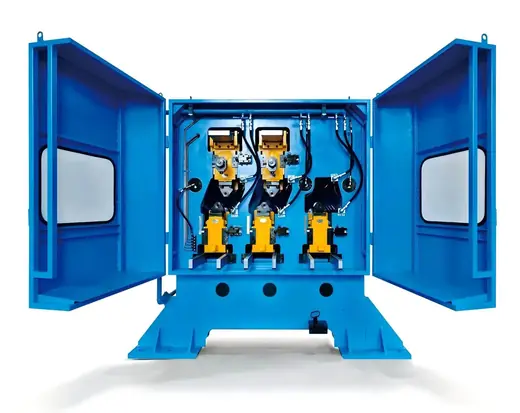
Tension Leveler Working Rolls
Hard chrome plated working rolls with HRC 63-65 surface hardness for tension leveling lines.
View Details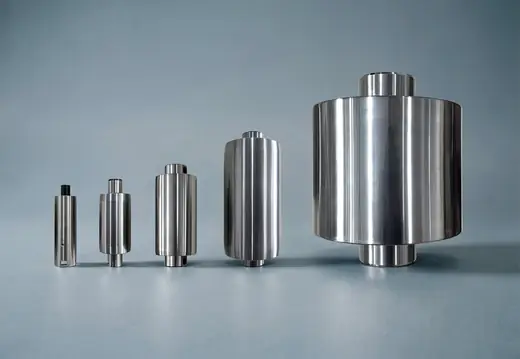
Premium Back Up Rolls for Leveling Machines
Deep heat treated and precision ground back up rolls, roundness held to 0.005 mm class.
View Details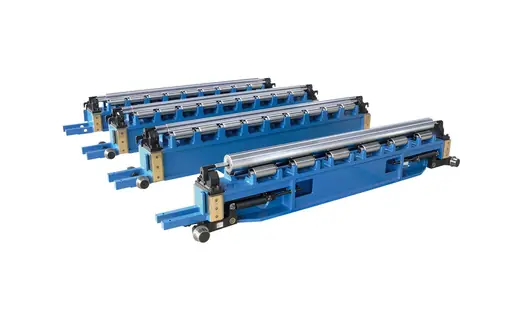
Tension Leveler Roll Cassettes With 16 mm Work Rolls
High accuracy cassettes with 16 mm work rolls in GCr15 or 9Cr2Mo for precision straightening.
View Details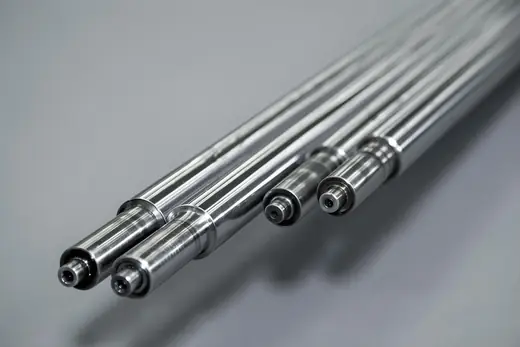
Chrome Plated Working Roll for 1450 mm Tension Leveler
Consumable work roll for 1450 mm galvanizing line tension levelers, chrome plated 0.05 mm.
View DetailsReader Questions
How many spare roll sets should we hold?
At least one complete spare leveling unit for exchange during scheduled maintenance, plus a matched set of working and leveling rolls. Beyond that it depends on your tonnage and grade mix.
How do we know when to replace rolls?
Regular diameter measurement and surface inspection. Replacement frequency depends on throughput and steel grade, so measured data beats a fixed calendar interval.
Why do backup rolls matter if the work rolls are new?
Backup rolls provide the rigidity behind the work rolls. If they are worn, new work rolls deflect and flatness problems return quickly.
What lead time should we plan for non standard sizes?
Longer than for standard sizes, which is why forward planning matters. Send the drawing early and we will confirm lead time with the quotation.
Plan Your Spare Parts Programme
Send your roll drawings and annual tonnage and we build a supply plan around them.