
How Scale Breakers Optimise Surface Quality Before Cold Rolling
Dry and wet scale breakers, the elongation window that matters, and why the first processing step decides the last.
Why Push Pull Lines Suit Emerging Markets
Push pull pickling lines need lower capital investment than continuous lines, handle varying strip dimensions and grades flexibly, and are simpler to operate and maintain. Annual capacities reach up to a million tonnes.
In markets building downstream processing capacity for the first time, that combination is decisive. But the very first processing step, the scale breaker, determines how efficient the pickling is and what surface quality the cold mill receives.
The Operating Principle
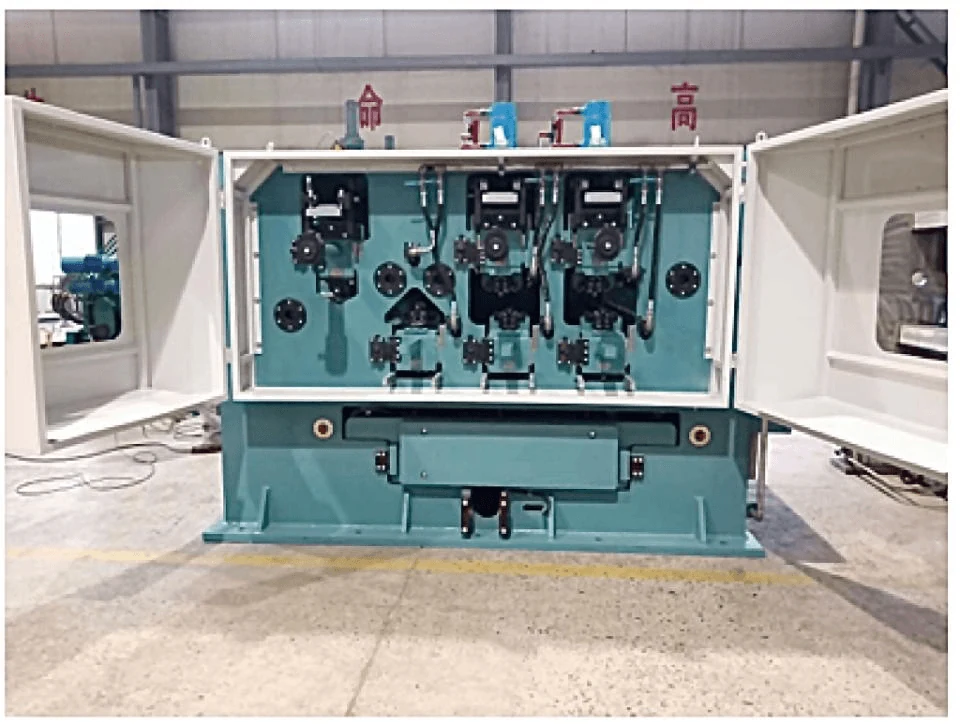
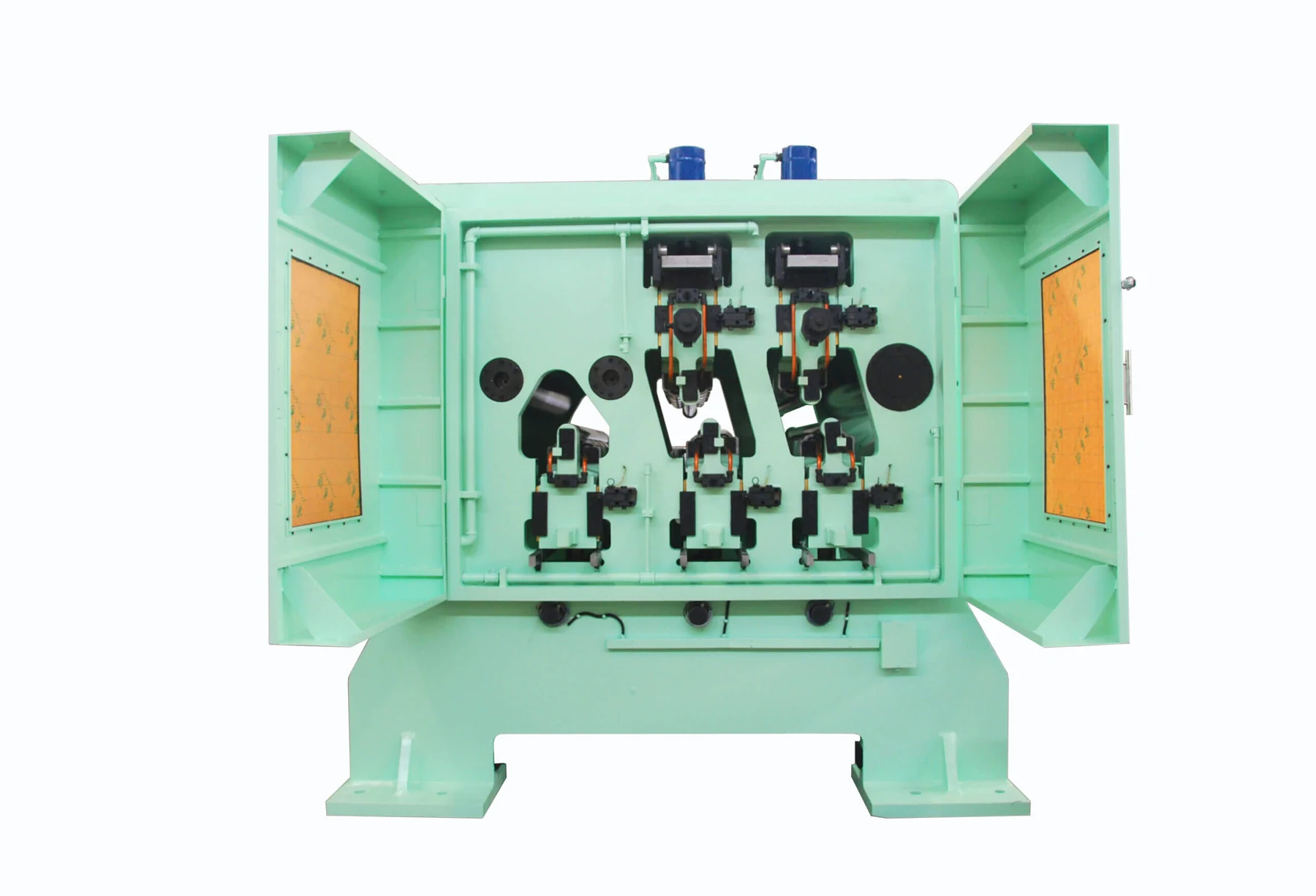
A scale breaker works through the coordinated action of bending rolls and tension rolls, imposing a controlled elastic elongation of 2 to 7 percent on the hot rolled strip. That deformation fractures the brittle mill scale and improves strip flatness at the same time, eliminating waves and buckles.
The oxide layer cannot deform plastically the way the base metal does, which is why it cracks. Once it is cracked, acid penetrates rapidly rather than having to dissolve an intact layer.
Dry Type Or Wet Type
Dry type units handle carbon steel and stainless steel from 1.0 mm to 16.0 mm thick, with integrated blowing and dust collection to capture the broken scale. Wet type units are designed for thinner stainless steel from 0.8 to 6.0 mm, with lubrication and cooling to prevent surface scratching.
The choice follows your product mix. Construction grade carbon steel points one way, appliance grade stainless the other, and local environmental regulation on dust handling usually settles borderline cases.
- Dry type: carbon and stainless steel 1.0-16.0 mm, with blowing and dust collection
- Wet type: stainless steel 0.8-6.0 mm, with lubrication and cooling
- Elongation window 2-7 percent in both types
- Position: immediately before the acid tanks
What It Means For Your Pickling Cost
Cracking the scale mechanically shifts work away from the acid. Tank residence time falls, acid consumption falls, and the strip leaves the section flatter than it arrived.
The limit is the elongation window. Pickling efficiency is maximised when elongation stays within the stated range on a tension leveler type scale breaker, and pushing beyond it consumes strip properties without improving descaling.
Products Mentioned In This Article
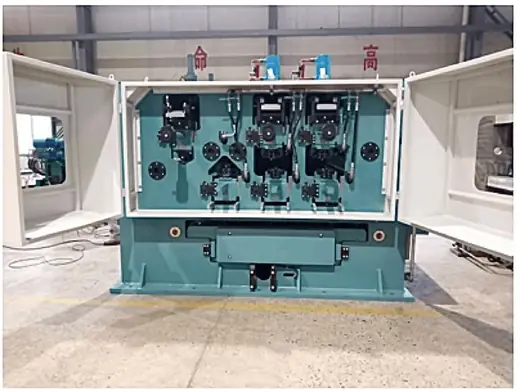
Scale Breaker for Push Pull Pickling Line 800-1350 mm
Tension leveler type scale breaker for push pull pickling lines handling 800-1350 mm hot rolled strip.
View Details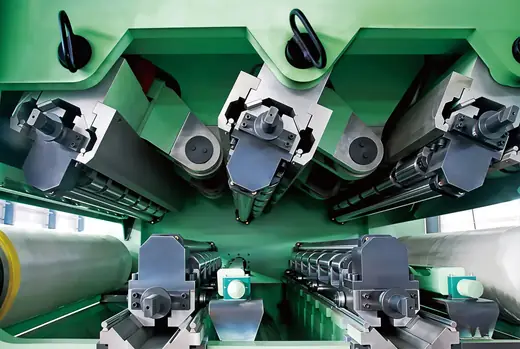
Scale Breaker for 1850 mm Pickling Lines
Pre pickling tank scale breaker for wide hot rolled strip with bending and correcting roll units.
View Details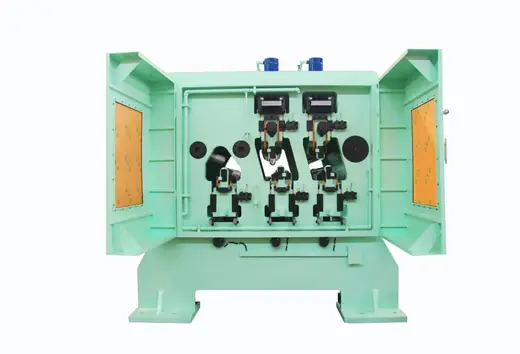
Scale Breaker for Pickling Lines
Pickling line scale breaker fracturing oxide by stretch and bend, saving acid and correcting shape.
View Details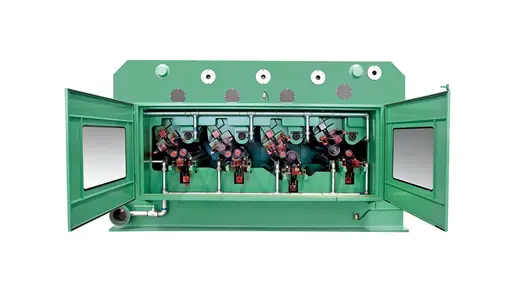
1850 Scale Breaker for Aluminum Sheet Lines
Stretch bend leveling and scale removal for aluminum strip up to 1850 mm working width.
View DetailsReader Questions
Dry or wet type for stainless steel?
Wet type for thinner stainless from 0.8 to 6.0 mm, where lubrication and cooling prevent surface scratching. Dry type covers carbon and stainless from 1.0 to 16.0 mm.
What elongation should we run?
Between 2 and 7 percent. Below that the scale does not crack reliably, above it you consume strip properties without improving pickling.
Where exactly does the scale breaker sit?
Immediately before the acid tanks, so the scale is cracked first and acid penetrates rapidly.
Does it replace a leveler?
On many lines yes, because shape correction happens in the same pass. Whether a separate leveler is still needed depends on the flatness your cold mill requires.
Choose The Right Scale Breaker
Send your product mix and line data and we recommend a configuration and elongation range.