
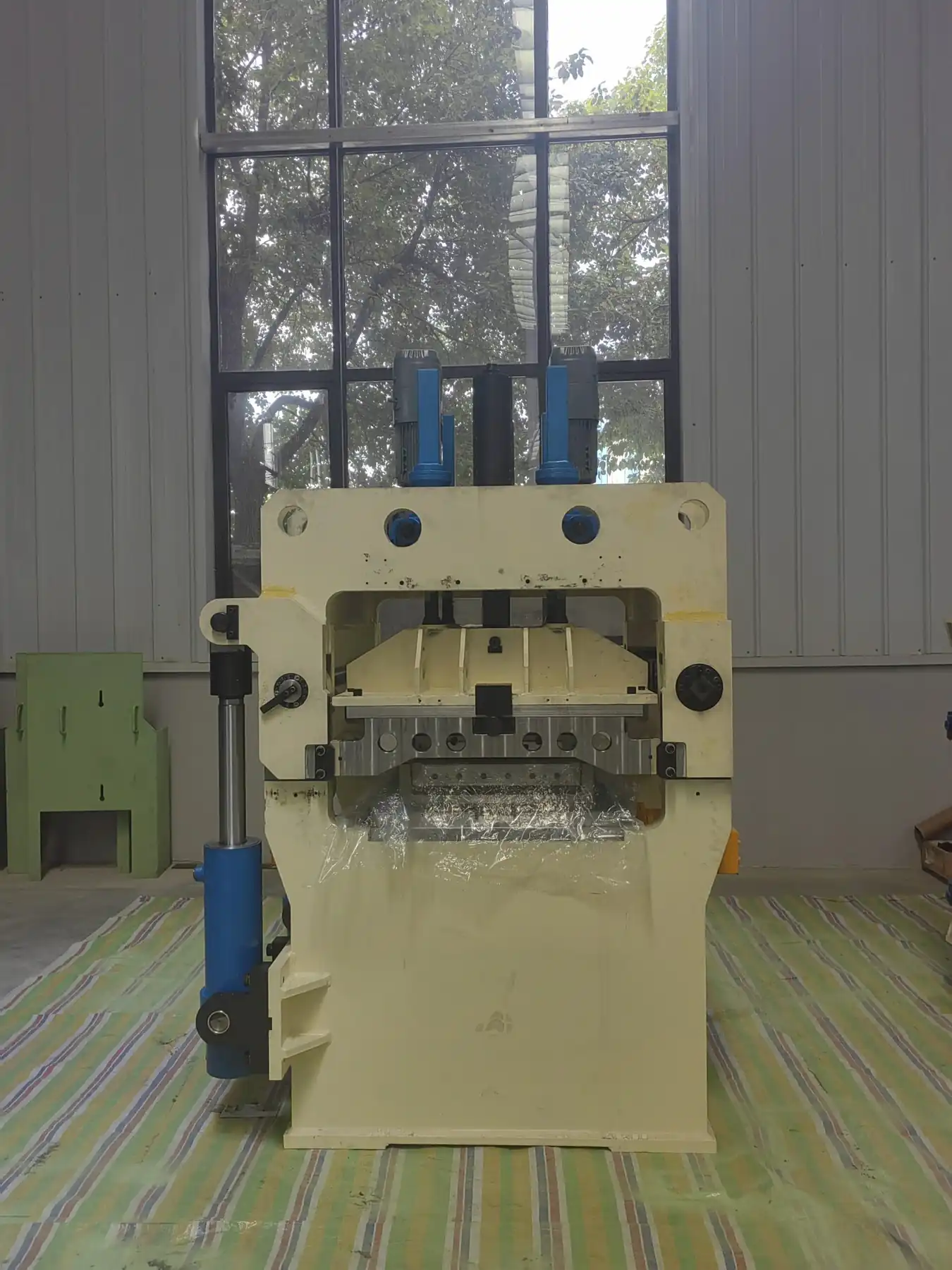
Maintaining A 23 Roll Tension Leveler For Aluminum Plate
Overload, roll wrapping and lubrication are the three operating mistakes that destroy work rolls on aluminum lines.
What You Are Trying To Prevent
The failure list on an aluminum leveler is specific: work roll and back up roll damage, chromium loss on the work roll, work roll bending, shaft damage, transverse aluminum sticking, roll wrapping and imprints.
Almost all of those come from production operation and maintenance practice rather than from the machine itself, which is why operator discipline matters more here than on a steel line.
Avoid Overloading The Machine
Do not exceed the thickness and yield limit the leveler was designed for. Watch the head and tail of over thickness material, especially where two plate heads or tails overlap and pass through the machine together.
Artificially increasing the straightening load to force a result creates impact on the leveler. Overload operation damages the work roll device, the back up roll device and the transmission, and shows up as chromium loss and aluminum adhesion on the work roll.
- Stay inside the design thickness and yield limit
- Watch overlapping plate heads and tails passing through
- Do not increase straightening load artificially
- Overload damages roll devices and the transmission together
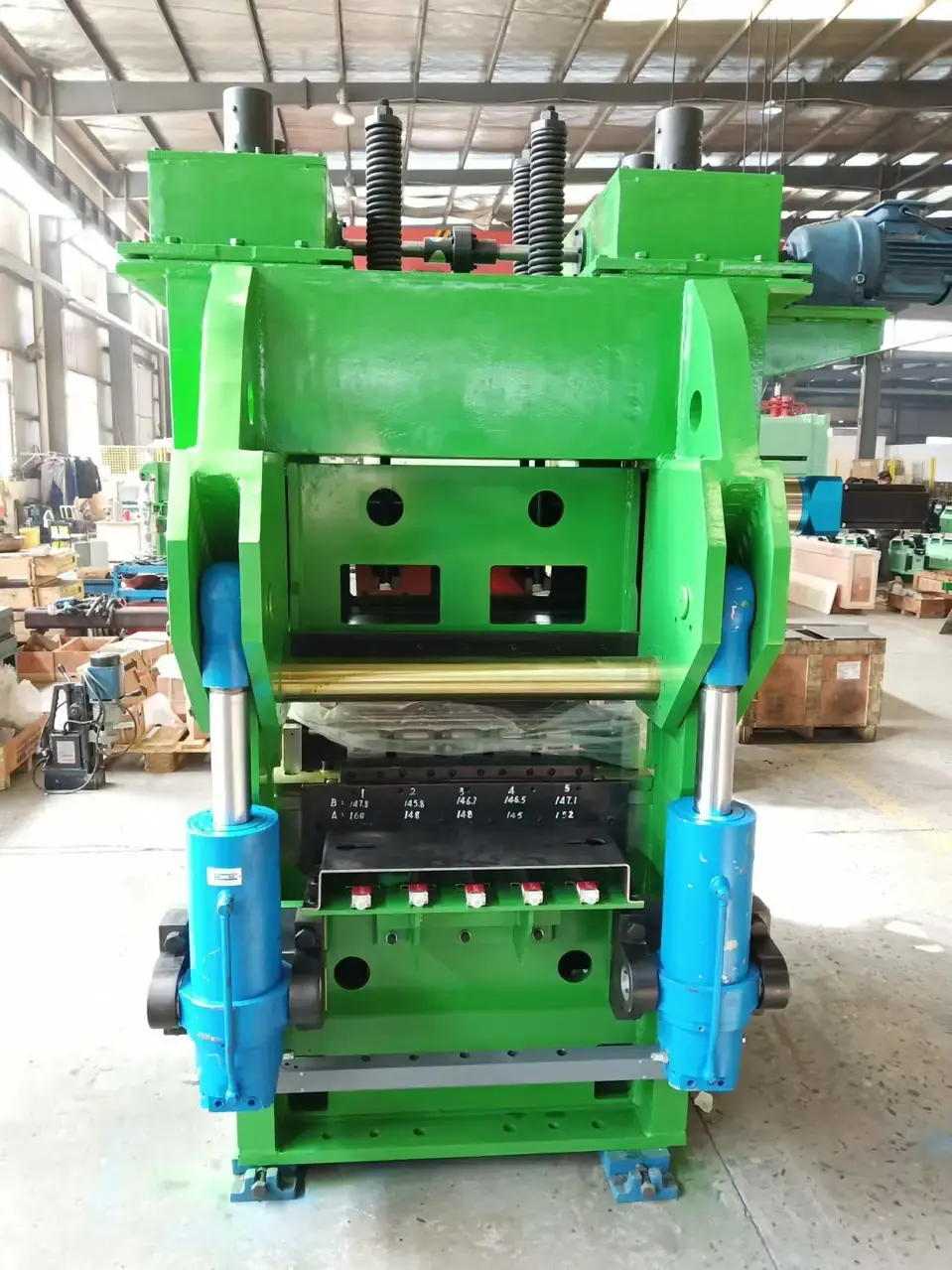
Avoid Wrapping The Roll
When a plate with a warped head passes through, improper operation can let it enter the gap between rolls, and the roll then wraps the strip around the work roll or support roll. That leads directly to aluminum adhesion, chromium loss and work roll bending.
During operation, never let sand cloth, small aluminum blocks or other loose items into the leveler, or between the work roll and the support roll. Both cause chromium loss or roll bending.
Get The Lubrication Right
Correct roll surface lubrication is part of the operating procedure, not an optional extra. Clean the roll surface before production and maintain the lubrication practice through the run.
Aluminum transfers to roll surfaces more readily than steel does, and once transverse aluminum sticking starts it marks every coil that follows until the roll is cleaned or changed.
Products Mentioned In This Article
23 Roll Tension Leveler for Copper Strip Lines
23 roll configuration for copper strip tension leveling lines from 0.08 to 1 mm.
View Details
23 Roll Stretch Leveler for Copper Strip
Stretch leveling configuration for 0.08-1 mm copper used in electrical system components.
View Details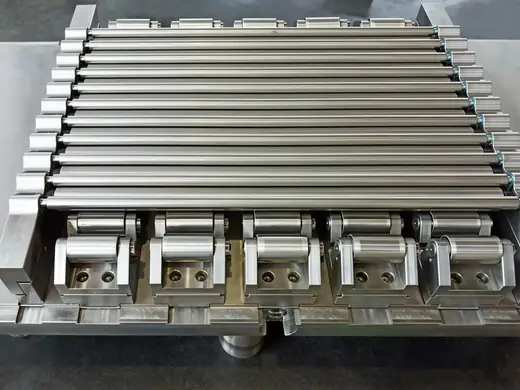
Roll System for High Precision 23 Roll Leveler
Multi roll system with micro stress elimination for copper, aluminum and specialty steel coil.
View Details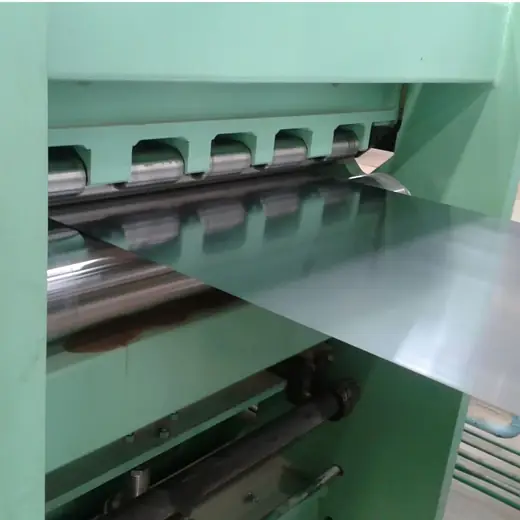
Tension Leveling Machine for Aluminum Plate
Two stage tension and bending machine removing three dimensional shape defects from aluminum plate.
View DetailsReader Questions
What causes chromium loss on work rolls?
Overload operation, roll wrapping and foreign objects entering between the work roll and support roll. All three are operating practice issues rather than roll quality issues.
What happens if a warped head enters the roll gap?
The roll can wrap the strip around the work roll or support roll, causing aluminum adhesion, chromium loss and work roll bending.
How do we handle over thickness head and tail material?
Avoid running it, particularly where two plate heads or tails overlap through the machine, because that is an overload event.
Can damaged rolls be repaired?
Rolls can be reground while the chrome layer remains. Once chromium is lost through to the base or the roll is bent, replacement is the practical answer.
Protect Your Roll Set
Send your operating conditions and roll drawings and we advise on maintenance and replacement intervals.