Harnessing the Power of Ceramic PCB Boards: A Guide to Pioneering PCB Technology
Engineering reference · 1149 words · PEAK Technology
As technology rapidly develops, the demand for efficient and reliable circuit board technology increases. Ceramic Printed Circuit Boards (PCBs) stand out as exceptional performers that feature both mechanical and electrical properties that work in harmony for optimal performance. This comprehensive guide delves into this fascinating world of Ceramic PCBs.
1. Introduction to Ceramic PCB Boards
Ceramic PCBs are an increasingly popular choice in high-performance applications that demand superior heat dissipation, thermal stability and frequency performance. Thanks to this material’s benefits for heat dissipation and frequency performance, ceramic boards are increasingly preferred by industry innovators for use as innovative technologies push innovation to new limits.
2. Ceramic PCB Boards Structure
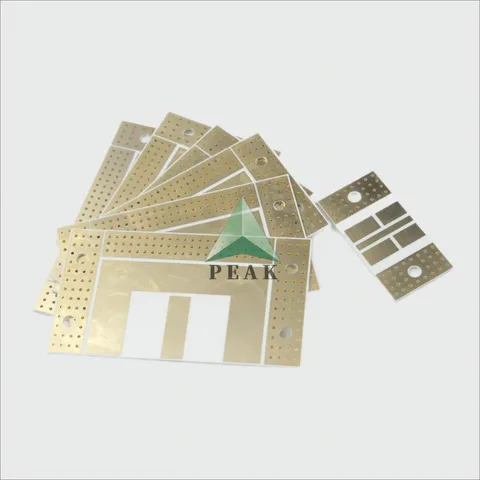
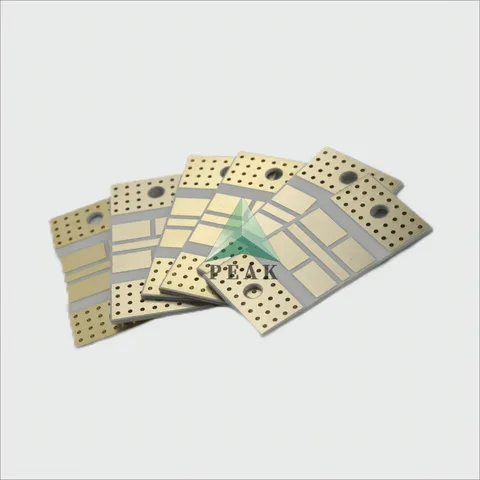
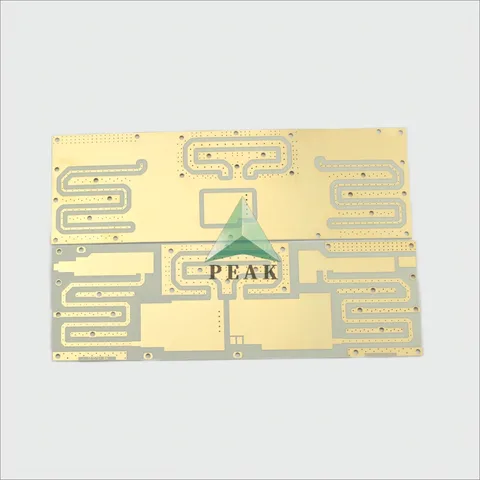
Ceramic PCBs feature an inert ceramic substrate on which copper conductor patterns (typically soldered copper traces) are laid out. Because this substrate is nonconductive and heat resistant, its thermal management capabilities far outstrip those of other PCBs.
Ceramic PCBs boast many advantageous characteristics, such as excellent thermal conductivity, temperature resistance, superior electrical insulation and mechanical strength – features which contribute to longer lifespan, higher component densities and superior performance especially in high frequency applications.
4. Broad Applications of Ceramic PCB Boards
Ceramic PCBs can be found across a variety of industries and applications. Their use in high-performance applications such as power electronic modules, automotive components, medical equipment and LED lighting is vast. Their superior thermal and electrical properties make Ceramic PCBs the perfect choice for these demanding tasks.
5. Challenges and Solutions in Ceramic PCB Boards
Ceramic PCBs may offer many advantages, yet they also come with their own set of challenges, including higher costs and manufacturing process difficulties due to ceramic’s fragile nature. With careful design planning and advanced manufacturing techniques however, these challenges can be successfully met and overcome.
6. Ceramic PCB Boards of Tomorrow: Looking Toward Their Development
As demand for high-speed, high-frequency and high-power electronic devices increases, Ceramic PCBs should see a marked surge in usage. Thanks to continuous advances in PCB technology, their cost effectiveness and fabrication techniques continue to evolve and advance significantly.
Conclusion
Ceramic PCBs stand out as being cutting-edge technological innovations that offer immense potential and ground-breaking attributes, with impressive endurance, temperature performance and frequency performance under high temperature conditions that stand them out. Their continued importance and relevance will only increase over time; understanding this technology becomes paramount to those involved with circuit board design, assembly and use; it promises the promise of superior performing electronic applications for years to come.
What is a Ceramic PCB Board? Ceramic PCBs are a type of PCB substrate that offers superior electrical, thermal, and mechanical properties compared to traditional substrates, like FR4 or CEM3.
Why are Ceramic PCBs used? Ceramic PCBs are often used in high power devices, high temperature applications, and devices that require optimal thermal conductivity to ensure reliable and efficient operation.
Are Ceramic PCBs more reliable than regular PCBs? Ceramic substrates have a lower thermal expansion rate, higher thermal conductivity, and superior mechanical strength, which can make them more reliable in certain applications.
How are Ceramic PCBs manufactured? Ceramic PCBs are manufactured using either thick film technology or thin film technology. In thick film technology, conductive paste is printed onto the ceramic substrate, and then fired. In thin film technology, thin layers of conductor are built on the substrate by plating or sputtering.
What is the cost of a Ceramic PCB compared to other types of PCBs? Ceramic PCBs are generally more expensive than their FR4 counterparts due to the increased costs in material and manufacturing complexity.
Can Ceramic PCBs be multi-layered? Yes, Ceramic PCBs can be single or multi-layered. The multi-layered ones are commonly used in complex applications that require high levels of miniaturization and performance.
What are the applications of Ceramic PCBs? Due to their superior thermal and electrical characteristics, Ceramic PCBs are often used in LED lighting systems, power modules, automotive components, medical equipment, and high frequency devices among others.
How do I choose the right Ceramic PCB for my application? The choice of Ceramic PCB largely depends on your application’s needs. You’d want to consider factors like operating temperature, power output, thermal conductivity needs, and so forth.
What are some common types of Ceramic PCBs? Common types include Alumina (Al2O3) and Aluminum Nitride (AlN) PCBs. Alumina PCBs are the most common type used due to their well-rounded performance and cheaper price compared to AlN. Aluminum Nitride PCBs offer superior thermal conductivity and are often used in high power devices.
What are the challenges involved with Ceramic PCBs? Though they offer several advantages, Ceramic PCBs do come with challenges. They are usually more expensive to manufacture and have limited availability. Also, since ceramics are brittle and require special handling during assembly, the manufacturing process can be delicate.