What this category was actually built to
Ranges below are computed from the 5 boards listed on this page, not
from a marketing sheet.
Background
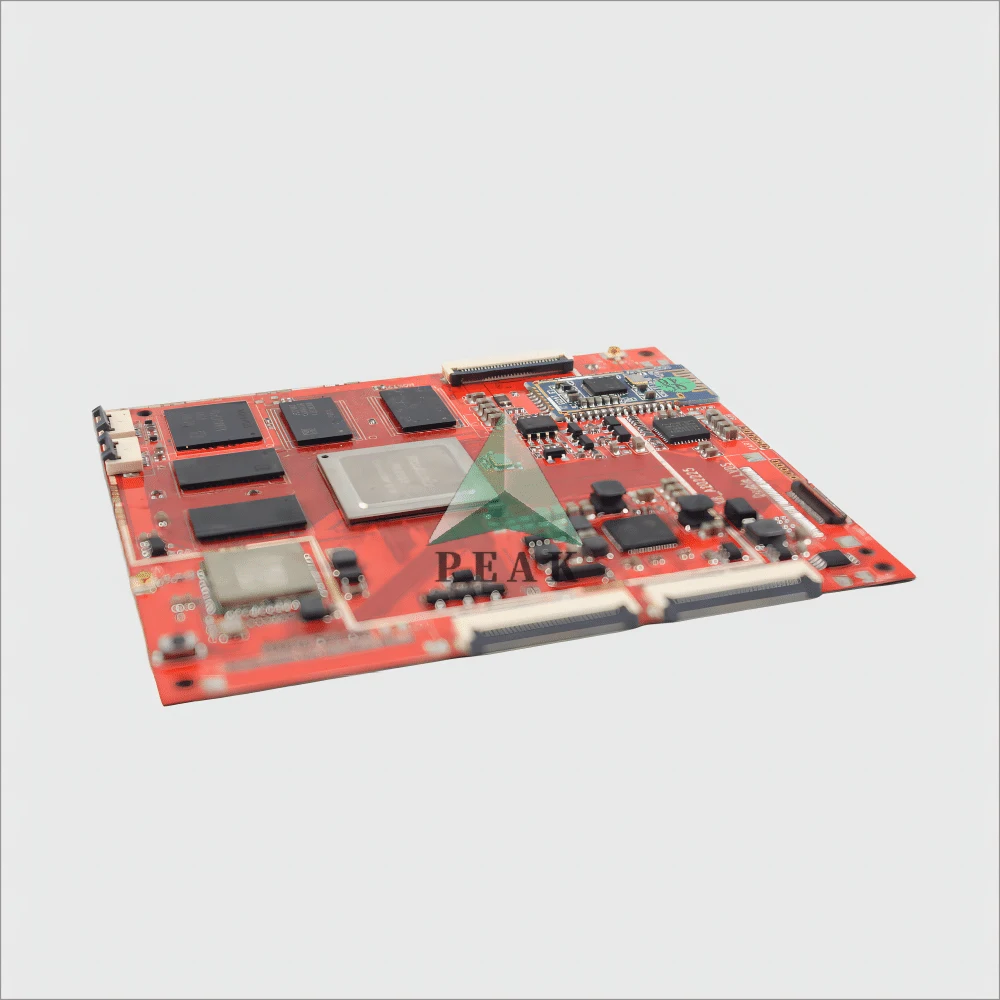
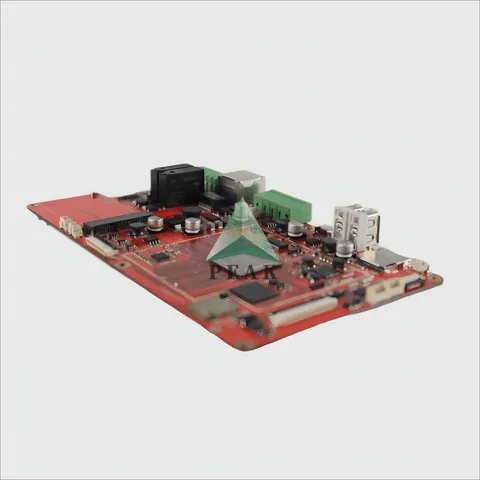
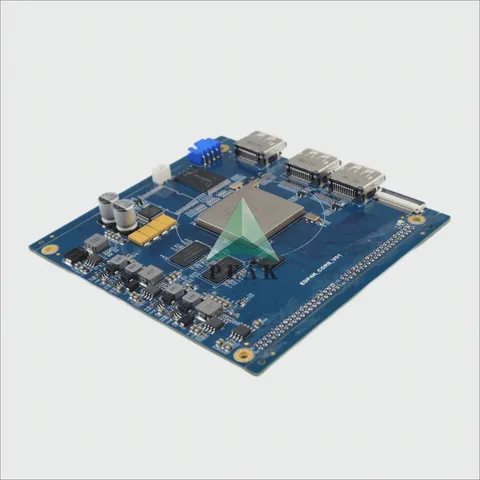
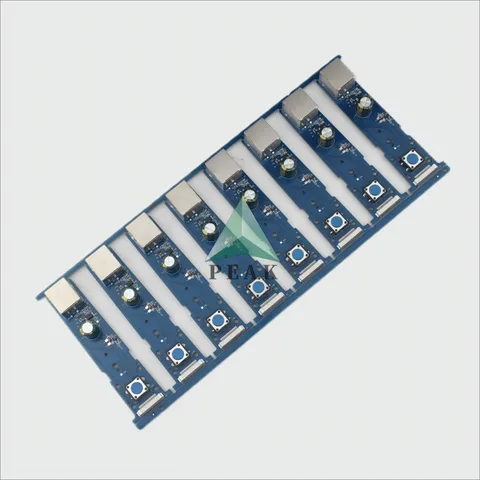
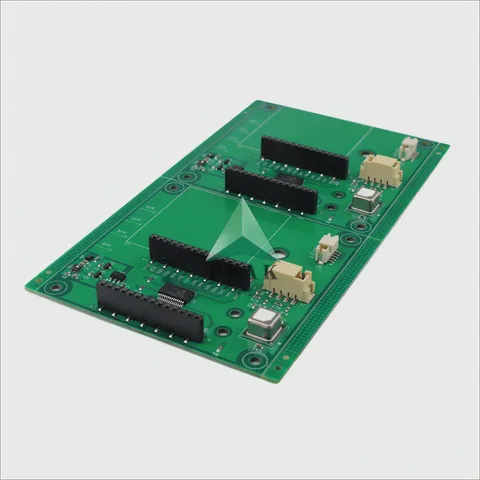
PCB assembly, also known as printed circuit board assembly, refers to the process of assembling electronic components onto a printed circuit board (PCB) in order to create a functional electronic device. This process is a crucial step in the manufacturing of electronic devices, as the PCB serves as the backbone for the entire system.
The assembly process begins with the selection of the appropriate PCB based on the specifications of the electronic device being built. The PCB is then populated with electronic components, such as resistors, capacitors, diodes, and integrated circuits, using automated equipment or by hand. These components are secured to the PCB using soldering techniques, including wave soldering or reflow soldering.
Once the components are in place, the PCB assembly undergoes a series of tests to ensure that the electronic device is functioning properly. These tests may include functional testing, in-circuit testing, and visual inspection. Any issues or defects are corrected before the final product is packaged and shipped to the customer.
There are several benefits to using PCB assembly in electronic device manufacturing. PCBs are reliable and durable, and they can be mass-produced efficiently. They also allow for customization, as different components can be added or removed based on the specific needs of the device. PCB assembly also reduces the risk of errors due to human intervention, as automated equipment can accurately place components in the correct locations.
However, PCB assembly does come with some challenges. For instance, the process can be time-consuming and requires specialized equipment and expertise. Additionally, the cost of manufacturing PCBs can be high, especially for small-scale production runs.
Overall, PCB assembly is a critical process in the manufacturing of electronic devices. It allows for the creation of reliable, customizable, and efficient electronic devices that can be mass-produced with minimal errors. While the process does come with its challenges, the benefits of PCB assembly make it an essential component of modern electronics manufacturing.