Aluminum PCBs: A Deep-Dive into High-Performance and Cost-Effective Circuit Boards
Engineering reference · 1126 words · PEAK Technology
Aluminium PCBs have quickly gained in popularity due to their excellent thermal conduction properties, making them highly cost-effective yet high performance solutions. If you are curious about these versatile circuit boards, this article serves as an in-depth introduction.
1. Unfold Aluminum PCBs
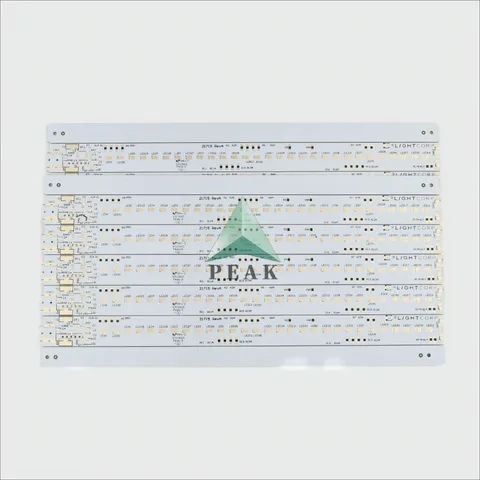
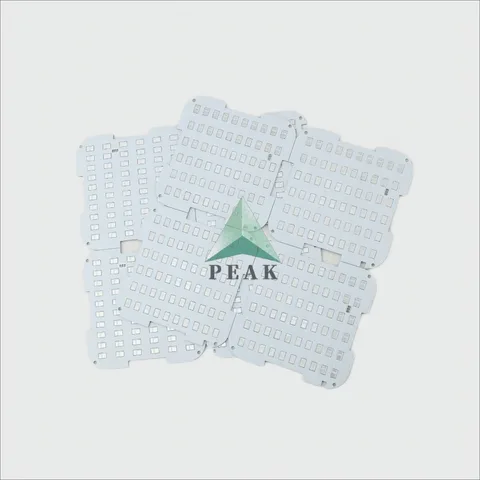
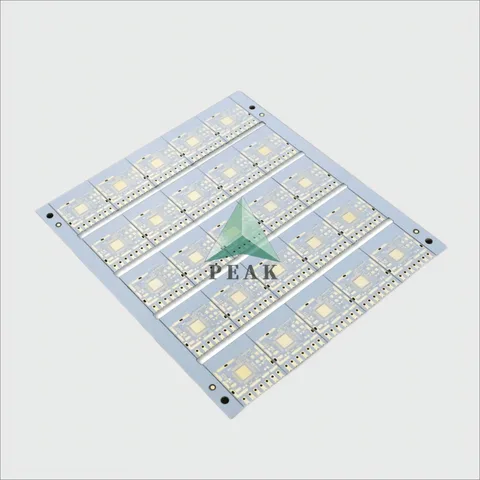
Aluminum PCBs (sometimes referred to as metal core PCBs) are an exceptional form of PCB with an aluminum alloy base layer designed to dissipate heat away from sensitive components, thus minimizing risk and increasing performance.
2. Aluminum PCB Structure
Traditional Aluminum PCBs feature a three-layer design: the circuit layer (usually copper), an insulating dielectric layer and an aluminum base layer. The dielectric layer serves to maintain electrical isolation while simultaneously permitting efficient thermal conduction to reduce its operating temperature and extend PCB service life.
3. Benefits of Aluminum PCBs
Aluminum PCBs boast many advantages: increased durability, improved thermal conductivity, excellent electrical insulation properties and environmental friendliness. Their lower thermal resistance ensures critical components operate at optimal temperatures extending their lifespan and increasing lifespan of devices as a whole.
4. Aluminum PCB Applications
Aluminum PCBs are widely utilized due to their superior ability to dissipate heat, making them perfect for applications generating high amounts of heat such as LED lighting systems, power converters, automotive systems and RF amplifiers. Their durability and heat resistance make them the ideal solution in these demanding applications.
5. Issues and Solutions
Aluminium PCBs boast many advantages; however, they also present certain challenges, including increased layout design complexity and limited component density. By employing advanced PCB design tools and software tools to manage these challenges effectively, fabrication of efficient and compact aluminum PCBs will become achievable.
6. Aluminum PCBs in the Future: An Outlook
Aluminum PCBs are anticipated to see a steady increase in demand due to an increasing need for thermal management in electronics. Advancements in PCB design and manufacturing technology continue to make these boards a cost-effective and viable option in various industries.
Aluminum PCBs are unquestionably game-changers when it comes to cost-effective thermal management solutions, helping improve device performance and longevity incomparable with other solutions. As we continue pushing electronics’ limits further forward, their importance can’t be overstated; harnessing their adaptability, resilience, and efficiency could result in even more advanced, reliable electronic devices in our near future.
What is an Aluminum PCB? An Aluminum PCB is a type of metal-based printed circuit board (PCB) that uses a dielectric polymer and aluminum. The aluminum serves as the base layer of the PCB, providing improved heat transfer and dissipation, making this type of PCB ideal for LED technology and high-power applications.
What are the advantages of using an Aluminum Printed Circuit Board? The primary advantages of using an Aluminum Printed Circuit Board include excellent thermal management, greater durability, and improved mechanical stability. Since aluminum can dissipate heat faster than other materials, such as fiberglass or plastic, components mounted on the PCB are less likely to overheat.
Where are Aluminum PCBs commonly used? Aluminum PCBs are typically used in LED technologies, power conversion equipment, automotive systems, and other high power or high thermal applications. They are also found in systems where reliability and performance are crucial, such as in industrial controls and telecommunications equipment.
What are the types of Aluminum Printed Circuit Boards? There are three types of Aluminum Printed Circuit Boards: they are the single layer, double-layer, and multi-layer aluminum PCBs. Single layer aluminum PCBs are the most basic and commonly used, while multilayer aluminum PCBs are used for their increased complexity and capability.
Can Aluminum Printed Circuit Boards be multi-layered? Yes, multi-layer Aluminum Printed Circuit Boards do exist but are not as common as single-layer aluminum Printed Circuit Boards. Multi-layer Aluminum Printed Circuit Boards allow for higher capacity and more complex designs but are more expensive and difficult to manufacture.
How is the manufacturing process of Aluminum PCBs different from regular PCBs? The manufacturing process of an Aluminum PCB is different mainly because of the need to insulate the aluminum from the tracks and the components to prevent short circuits. This insulation layer must have excellent thermal conductivity to help draw heat away from the components.
Is the thermal performance the only reason to use an Aluminum Printed Circuit Board? While thermal performance is a significant benefit, it’s not the only reason. Aluminum Printed Circuit Boards also provide mechanical durability, electrical insulation, and better performance for high-frequency designs.
How do I select a reliable manufacturer for Aluminum Printed Circuit Boards? When selecting a manufacturer, it’s important to consider their experience with aluminum Printed Circuit Boards, their manufacturing capabilities, the quality of their products, and their customer service record.