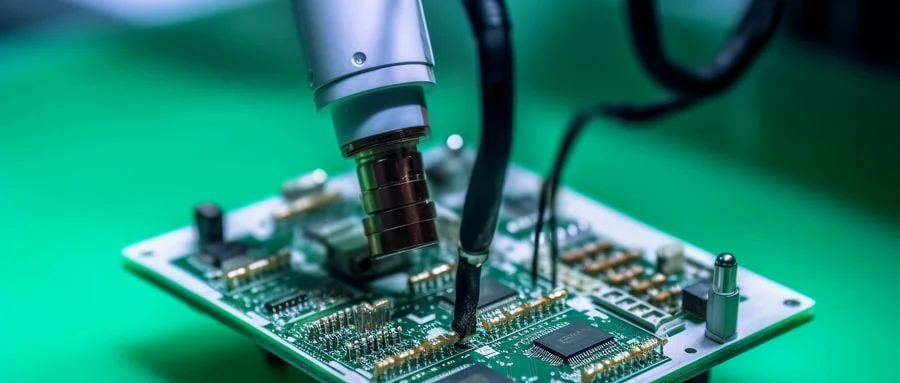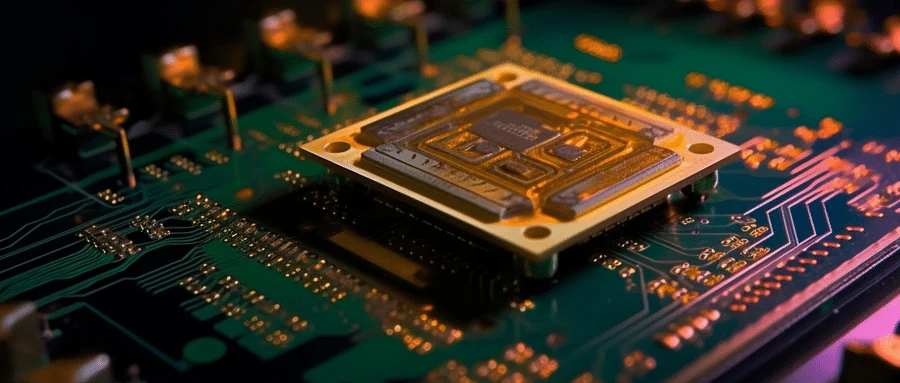

FR4 stacks up to 64 layers
Regular Rigid PCB
Standard FR4 construction is where most programmes start, and where aspect ratio, Tg selection and expedited sample time decide whether a schedule holds.
By construction
PEAK groups work by what the construction demands of the plant rather than by market segment. Each page lists the capability limits, the laminates held for it and the boards already built against it.
Standard FR4 construction is where most programmes start, and where aspect ratio, Tg selection and expedited sample time decide whether a schedule holds.
When the heat has to leave the board rather than the enclosure, the base metal and the bonding method matter more than the copper weight.
High-density interconnect is a stack-up problem before it is a drilling problem; we build the sequential lamination that the routing actually needs.
Rigid-flex removes connectors from the assembly, which only pays off if the flexible zone and the transition are built to a controlled dimension.
RF work lives or dies on the laminate. We hold the Rogers, Arlon, Taconic, Isola, Nelco and F4B families in stock so Dk and Df are a design choice, not a lead-time.
IC carriers are a different discipline: line geometry in microns, solder mask registration in tens of microns, and flatness measured across the whole panel.
Above a few gigabits the board stops being a connection and becomes a transmission line; loss tangent, etch accuracy and impedance repeatability are the whole job.
The processes that usually force a second supplier — ceramic and glass bases, buried passives, step slots, segmented gold fingers — run on our own lines.
Send a stack-up and we will tell you whether it runs standard, advanced or innovative — and what that does to price and lead time.