FA Series
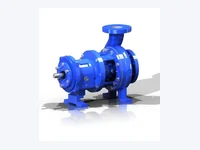
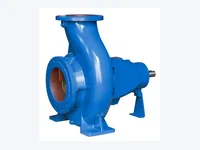
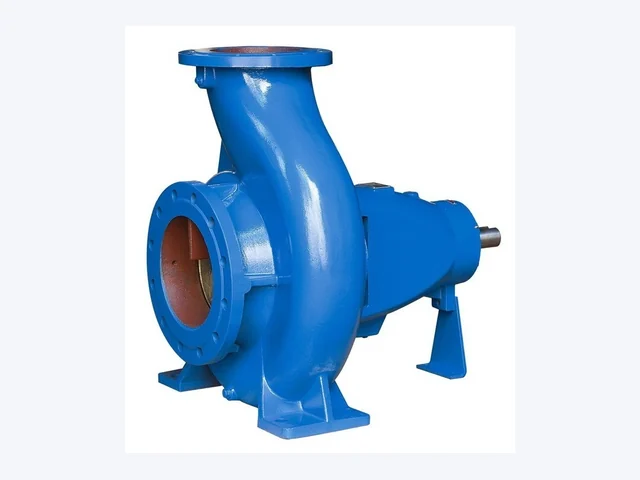
FA Series EN733 Horizontal Centrifugal Pump
BS EN733 / DIN24255 end-suction pump, 2 to 1100 m³/h and head to 152 m, for building services fire and irrigation
View specifications
EN733 / DIN24255
Vertical Wet-Pit
General Purpose
Cast iron through to UHMW-PE. How the Flowsteer range maps onto water that ranges from clean to chemically hostile.
Most pump failures that arrive as warranty questions are material failures, not hydraulic ones. The duty point was right; the casing was wrong for the water.
The Flowsteer range covers a deliberately wide material span — grey iron, ductile iron, carbon steel, bronze, SS304, SS316, PP, PE and UHMW-PE — because water duties range from potable supply to dosed effluent, and no single material covers both.
The decision is made from the water analysis at its worst, not its average. A stream that is benign for eleven months and dosed for one is a dosed-water duty.
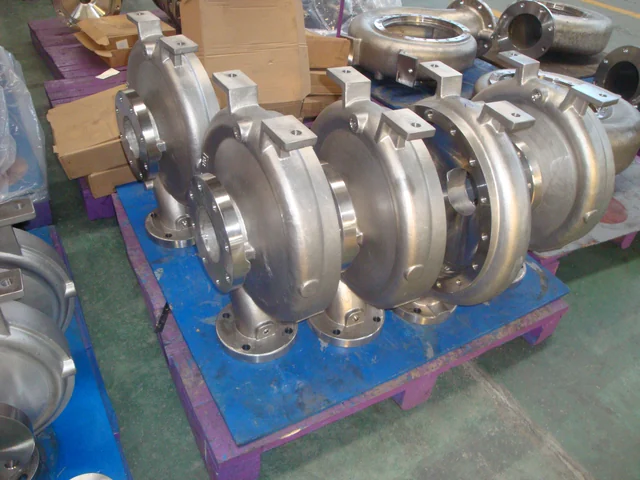
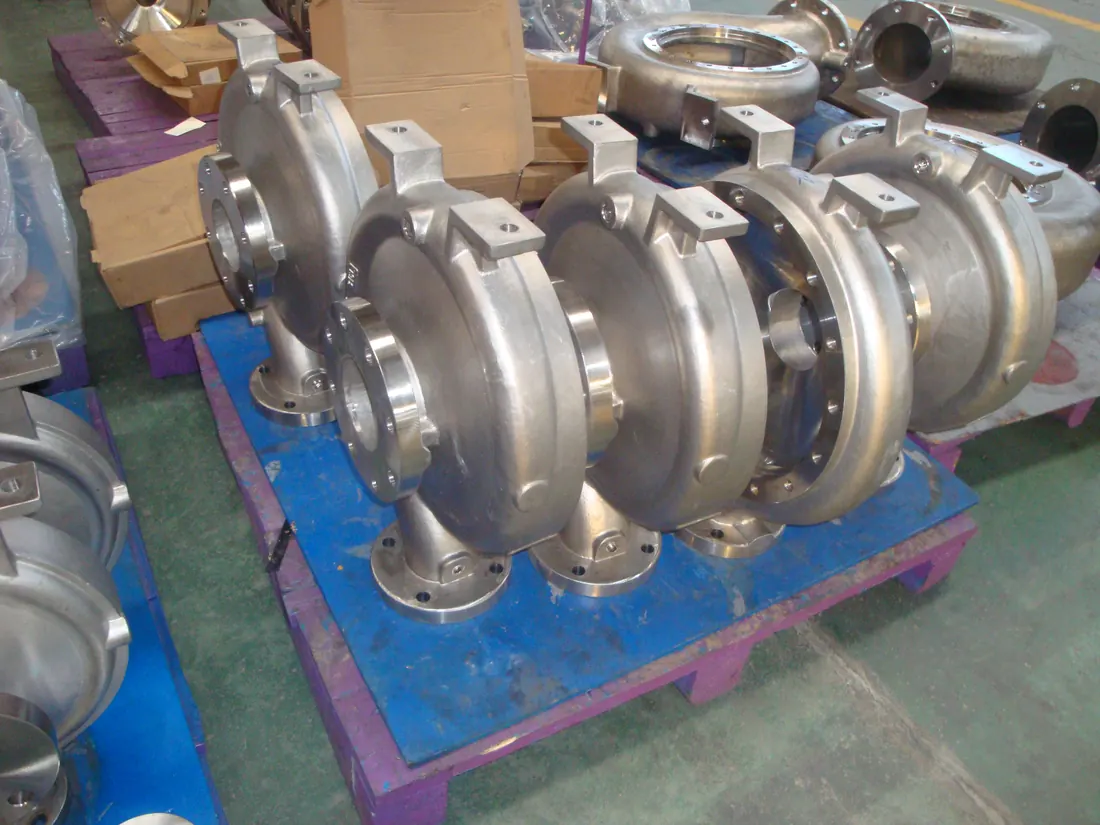
Stainless steel centrifugal pump volute casings staged on a pallet after casting and machining
BS EN733 / DIN24255 end-suction pump, 2 to 1100 m³/h and head to 152 m, for building services fire and irrigation
View specifications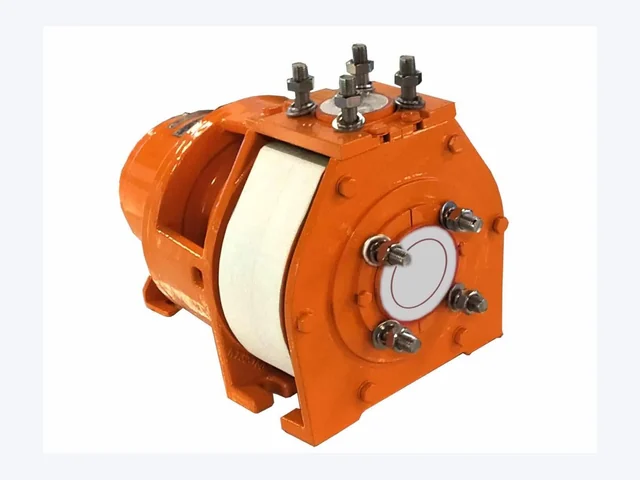
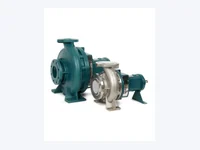
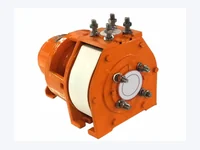
Horizontal single-stage pump in PP, PE and UHMW-PE for water that attacks metal wetted parts
View specifications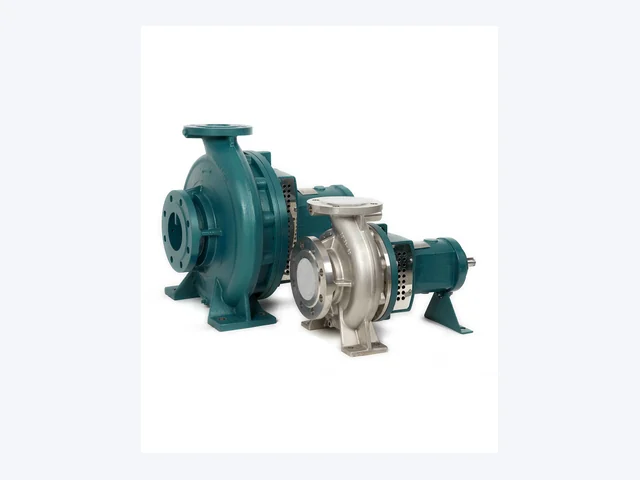
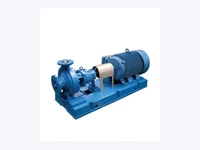
ISO 2858 and ISO 5199 back-pull-out end-suction pump, fully interchangeable with other ISO brands
View specifications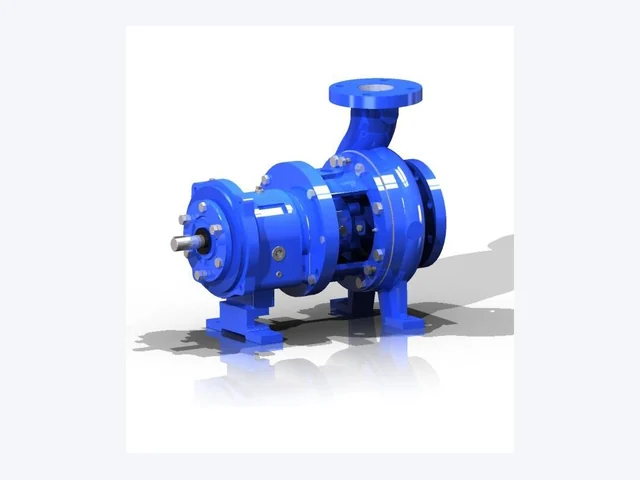
End-suction water pump built to ANSI/ASME B73.1 with a full open impeller and ANSI B16.5 flanges
View specifications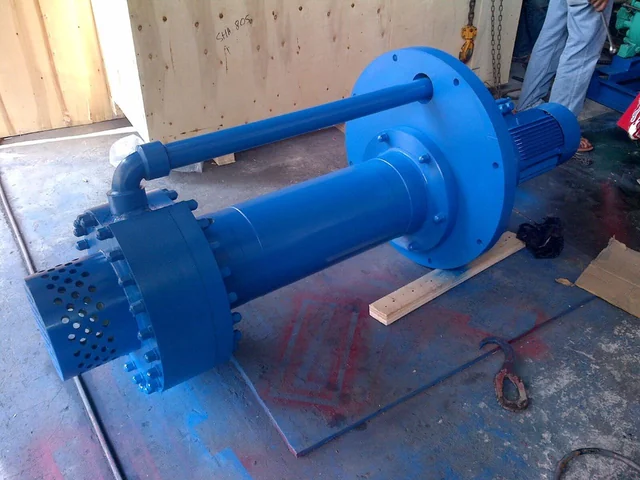
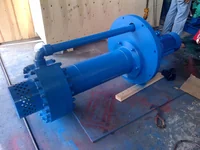
Vertical single-stage sump pump in polypropylene for wet-pit installation with solids to 20 percent
View specificationsGrey iron through to UHMW-PE. What each wetted material is for, and the failure it is chosen to prevent.
Read more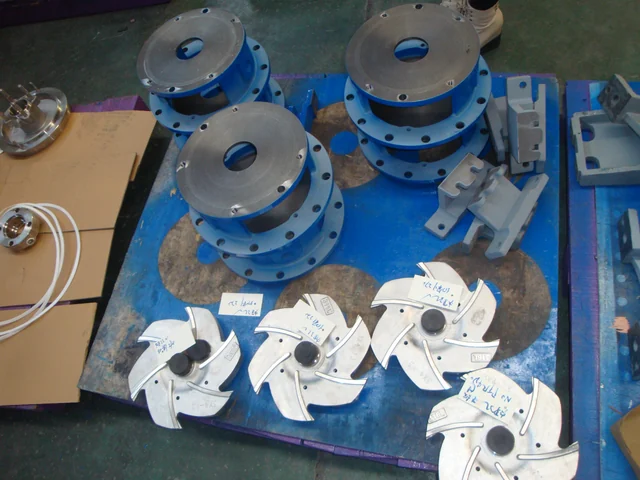
Efficiency on one side, solids passage and adjustability on the other. The choice is decided by the water, not the pump.
Read more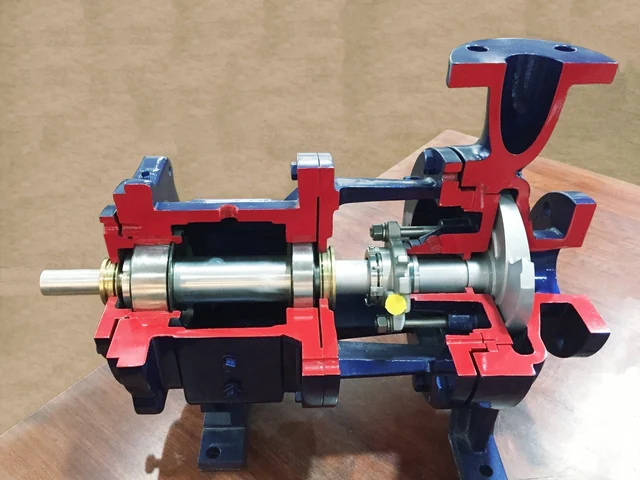
One needs no attention and cannot be adjusted. The other needs attention and can be. The installation decides which is right.
Read moreSS316 contains molybdenum and resists chloride pitting far better. If the water is brackish, heavily chlorinated or chemically dosed, specify 316. For softened and treated water at low chloride, 304 is usually sufficient.
When the analysis shows the chemistry will attack both iron and stainless. At that point the KCP series in PP, PE or UHMW-PE changes the failure mode from material loss to ordinary bearing and seal wear.
The impeller sees high velocity water and erodes; the casing does not. Matching the material to the duty of each part rather than to the pump as a whole is cheaper and lasts longer.
Tell us what the water is and where it comes from, and what has failed before. A pump that corroded through in one season tells us more than an average analysis does.
Tell us the pumps you have and the duties they run, and we will say where this applies and what it would change.