FA Series
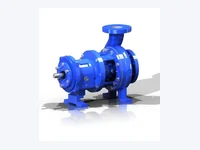
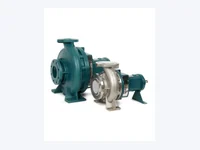
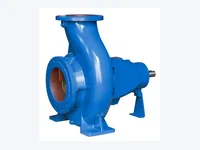
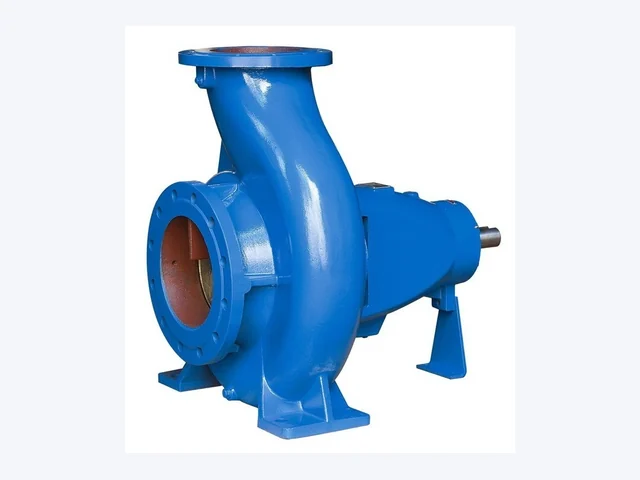
FA Series EN733 Horizontal Centrifugal Pump
BS EN733 / DIN24255 end-suction pump, 2 to 1100 m³/h and head to 152 m, for building services fire and irrigation
View specifications
EN733 / DIN24255
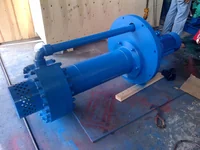
Vertical Wet-Pit
General Purpose
One needs no attention and cannot be adjusted. The other needs attention and can be. The installation decides which is right.
Every centrifugal pump has to seal a rotating shaft against a pressurised casing. There are only two common ways to do it on a water pump, and they fail in opposite directions.
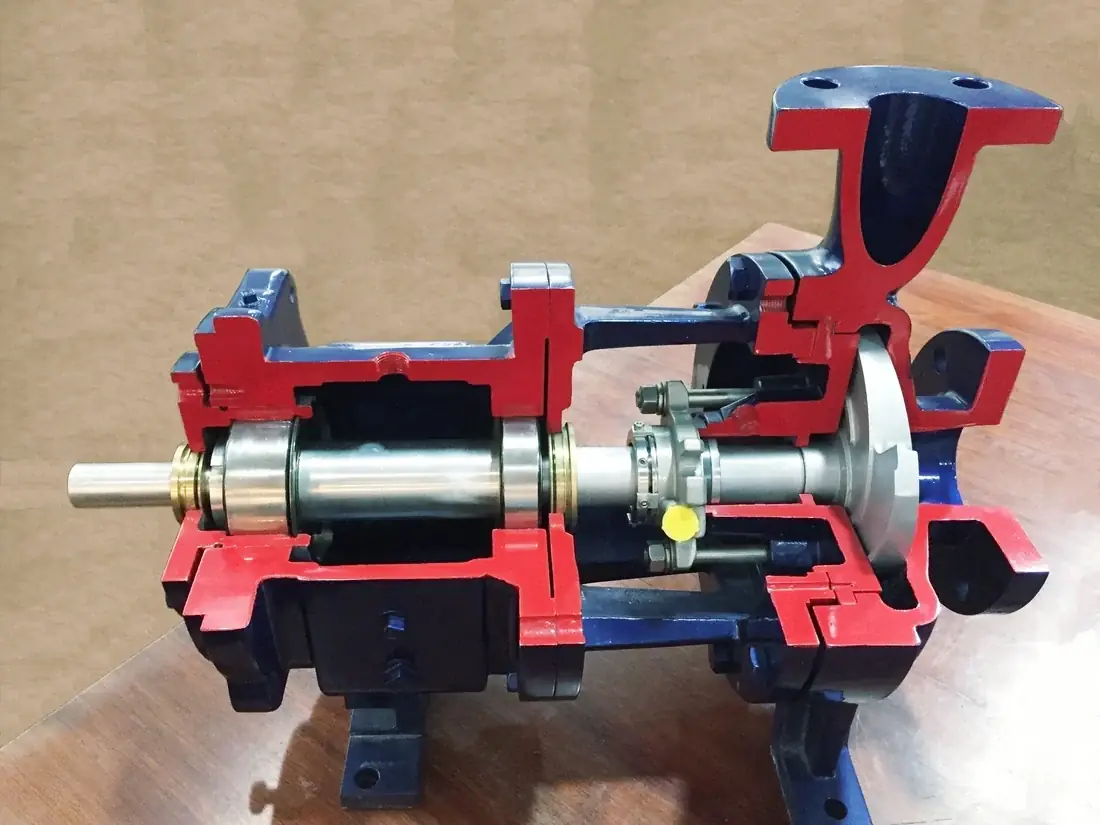
The Flowsteer FA series offers both: a single mechanical seal as standard with gland packing optional. The other metal series use a single mechanical seal.
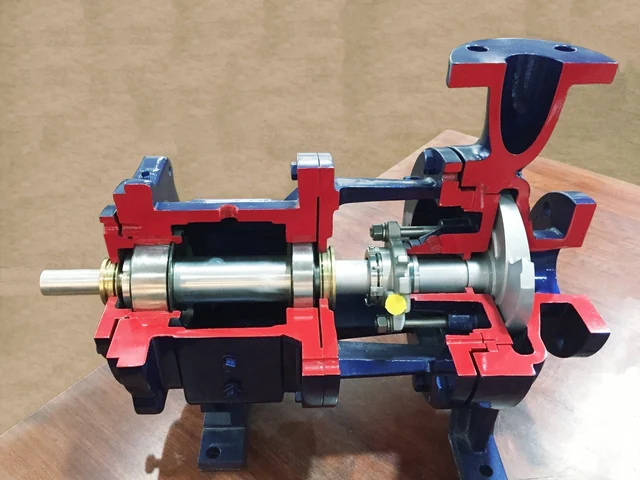
Two flat faces — one rotating with the shaft, one static in the seal chamber — are pressed together by a spring. A microscopic film of pumped liquid between them provides lubrication and cooling.
When it works, leakage is effectively zero and the seal needs no attention at all between services. That is why it is the standard on unattended plant.
When it fails, it usually fails quickly rather than gradually, and it is replaced rather than adjusted.
Rings of braided packing are compressed into a stuffing box around a shaft sleeve. The compression is adjusted by a gland follower.
The packing must be allowed to leak a controlled drip. That leakage carries away the frictional heat generated between packing and sleeve.
Tightening the gland until the drip stops is the single most common way to destroy a shaft sleeve. It is also the most common mistake made with packed pumps.
Clean water, unattended plant, no fitter on site — mechanical seal. It needs nothing until it needs replacing.
Poorer water, a fitter on site, remote installation — gland packing. It can be repacked in place with basic tools rather than waiting for a replacement cartridge.
Water carrying abrasives — packing wears the sleeve, a seal wears the faces. Neither is comfortable; a flushed arrangement helps both.
Potable or environmentally sensitive duty where any leakage is unacceptable — mechanical seal.
A mechanical seal costs more at purchase and nothing until replacement. The failure is abrupt and the pump usually has to come apart.
Gland packing costs less at purchase and requires routine attention: periodic adjustment, occasional repacking and eventual sleeve replacement.
On a remote irrigation pump, packing often wins. On a plant room circulation pump running continuously, the seal usually does.
Neither option suits a pump that sits below the liquid level. A mechanical seal there cannot be flushed, inspected or adjusted; packing cannot be tended to at all.
That is why the Flowsteer VNP vertical sump pump uses a labyrinth seal or a lip ring seal instead. The labyrinth has no rubbing faces to wear; the lip ring gives a positive barrier and is renewed when the pump is lifted.
BS EN733 / DIN24255 end-suction pump, 2 to 1100 m³/h and head to 152 m, for building services fire and irrigation
View specifications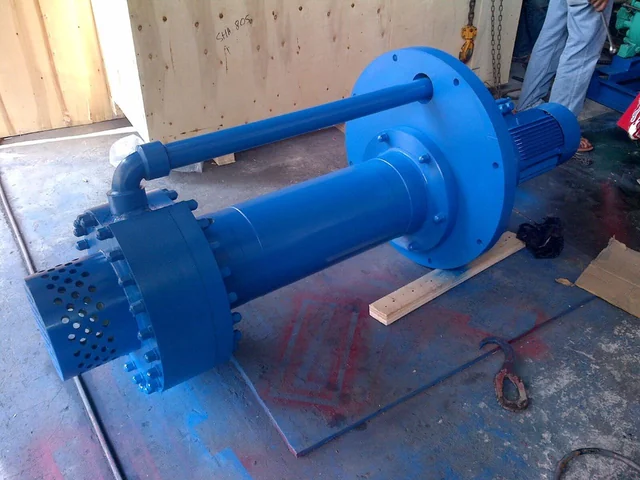
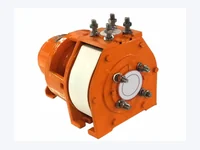
Vertical single-stage sump pump in polypropylene for wet-pit installation with solids to 20 percent
View specifications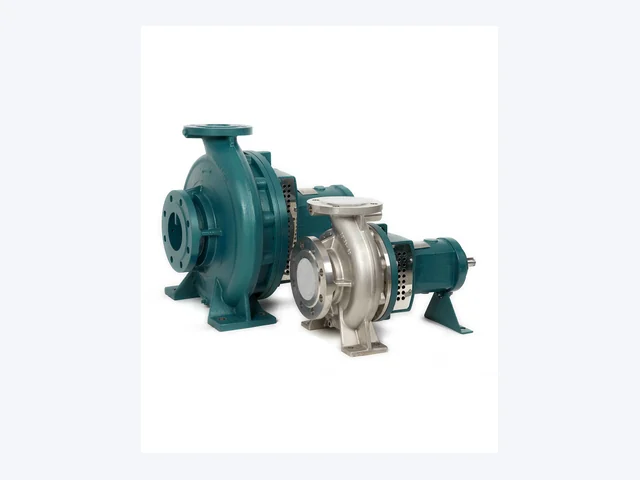
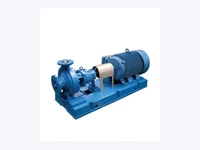
ISO 2858 and ISO 5199 back-pull-out end-suction pump, fully interchangeable with other ISO brands
View specificationsThe single construction feature that decides whether a seal change takes two hours or two days.
Read more
A short list of the things that actually decide how long a water pump lasts, drawn from how these pumps are built rather than from general advice.
Read more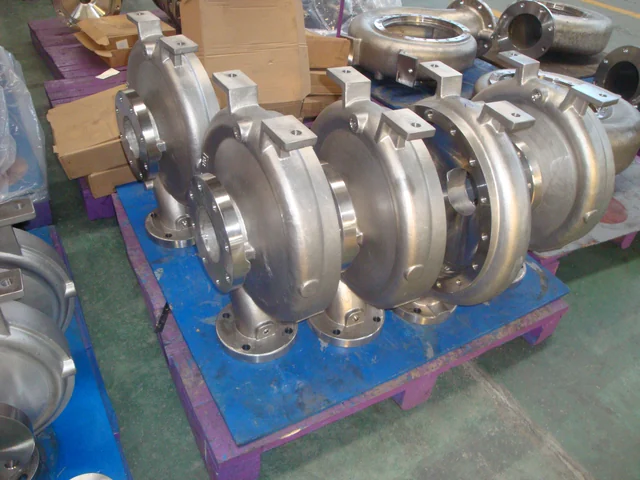
Grey iron through to UHMW-PE. What each wetted material is for, and the failure it is chosen to prevent.
Read moreYes, a controlled drip. The leakage carries away frictional heat. A gland tightened until it stops dripping will overheat and score the shaft sleeve.
The FA series, where a single mechanical seal is standard and gland packing is an option.
Often yes, but it depends on the stuffing box dimensions and the shaft sleeve. Send us the pump details rather than assuming the conversion is a parts swap.
A labyrinth seal or a lip ring seal on the VNP series, because a mechanical seal below the liquid line cannot be serviced.
Send the pump details and the duty point and we will tell you what this means for your installation rather than in general.