Standards Guide
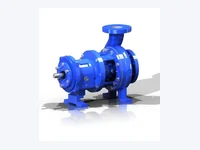
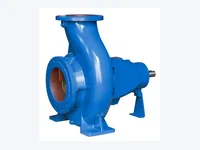
ANSI/ASME B73.1 Explained
B73.1 is a dimensional standard, not a performance standard. Knowing the difference is what makes a replacement pump drop straight onto an existing baseplate.
Read more
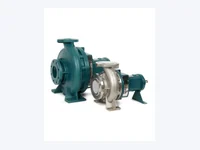
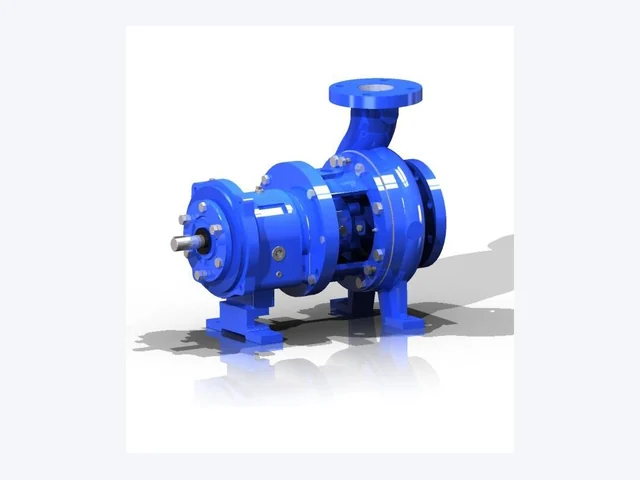
EN733 / DIN24255
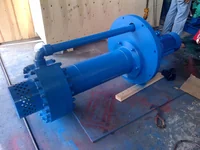
Vertical Wet-Pit
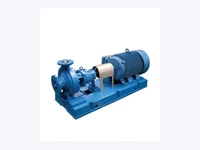
General Purpose
Standards, materials, impellers, seals, curves, cavitation, installation, commissioning and maintenance — written for the engineer, not the buyer.
B73.1 is a dimensional standard, not a performance standard. Knowing the difference is what makes a replacement pump drop straight onto an existing baseplate.
Read more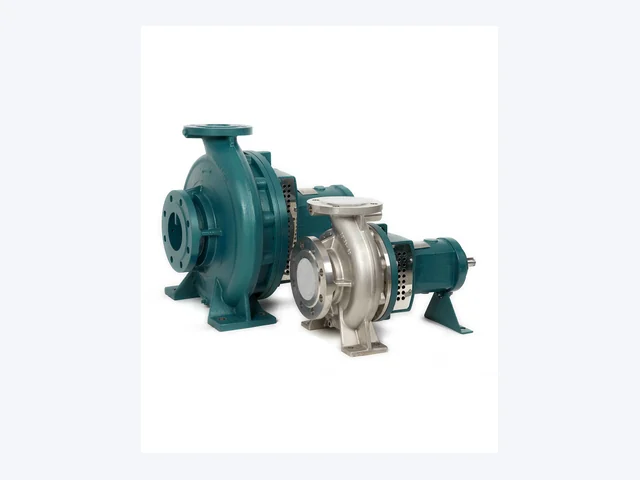
One standard says where the holes go. The other says how long the pump should last. Specifications usually need both.
Read more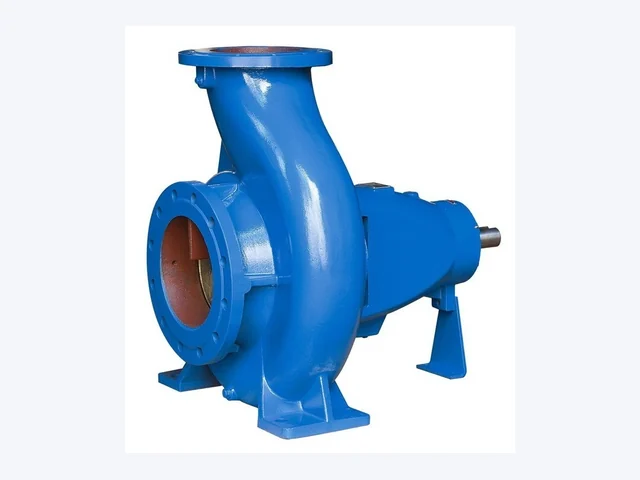
Two names, one set of dimensions. Why both still appear on specifications and what they fix on an end-suction pump.
Read more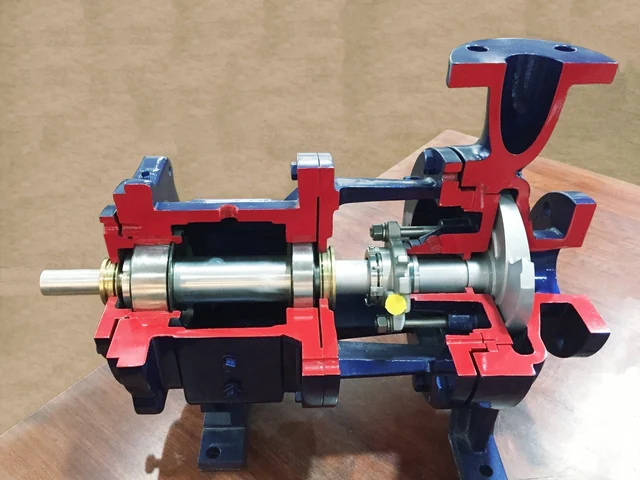
The single construction feature that decides whether a seal change takes two hours or two days.
Read more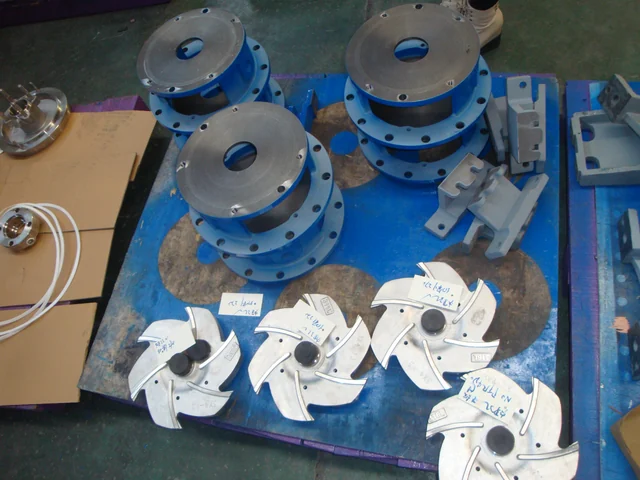
Efficiency on one side, solids passage and adjustability on the other. The choice is decided by the water, not the pump.
Read more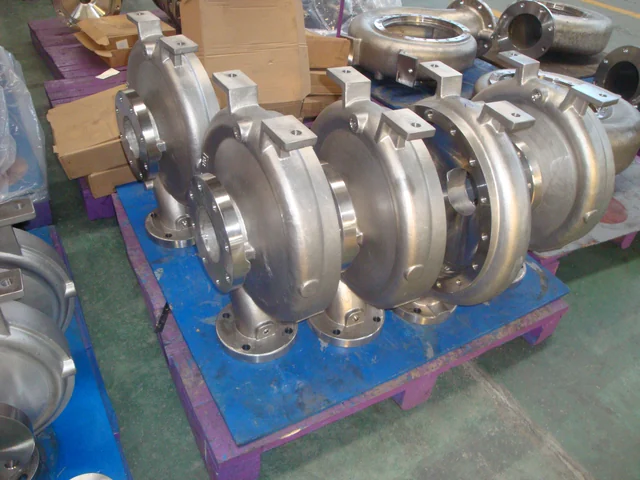
Grey iron through to UHMW-PE. What each wetted material is for, and the failure it is chosen to prevent.
Read moreOne needs no attention and cannot be adjusted. The other needs attention and can be. The installation decides which is right.
Read moreCavitation is not a pump defect. It is a suction system defect that destroys the pump, and it is almost always designed in rather than developed.
Read moreA published envelope such as 2 to 1100 m3/h is a range of sizes, not the capability of any one pump. Here is how to get from it to a selection.
Read more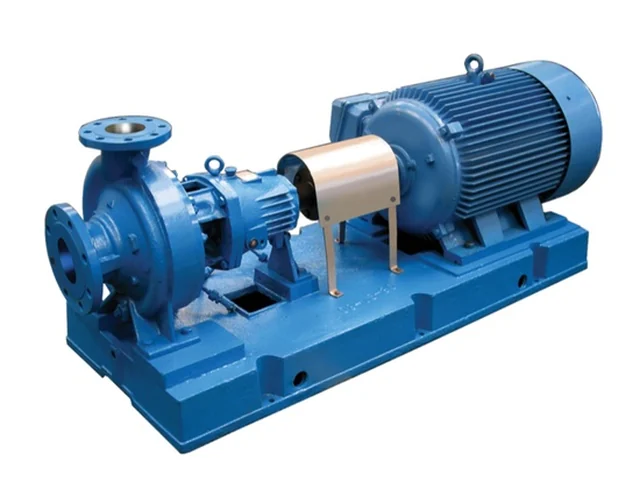
Most premature pump failures are installation failures. Foundation, pipework and alignment decide more about pump life than the pump does.
Read more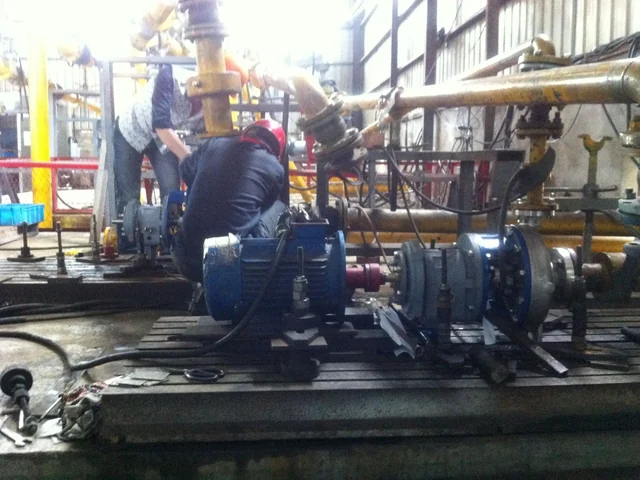
Commissioning is where the numbers that matter for the next ten years get recorded. Skip it and every later diagnosis starts from guesswork.
Read more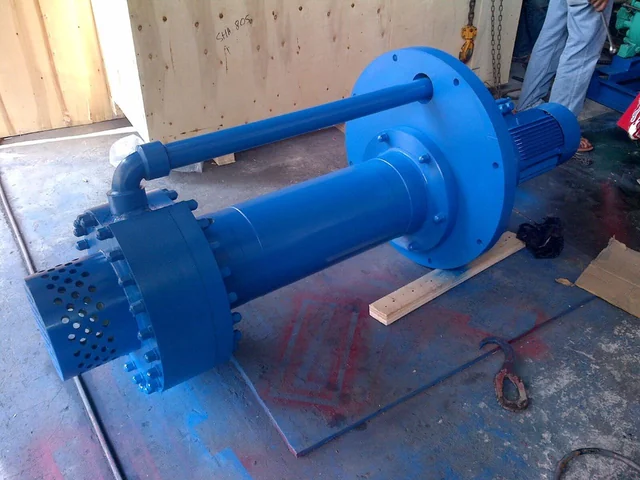
A wet-installed pump removes the suction problem and replaces it with a set of geometry problems. All of them are solved before the pump is ordered.
Read more
A short list of the things that actually decide how long a water pump lasts, drawn from how these pumps are built rather than from general advice.
Read moreThe person who has to specify, install, commission or maintain a water centrifugal pump. They assume engineering knowledge and skip the marketing.
They cover general centrifugal pump engineering and reference the Flowsteer series where a published specification illustrates the point. The standards content applies to any manufacturer building to the same standards.
If you are selecting a pump, start with how to read a pump curve. If you are replacing one, start with the standards guide that matches your existing pump. If a pump keeps failing, start with NPSH and cavitation.
Tell us which guides you need and for which series, and we will send the series-specific version by email.
Send it with the pump details and the duty. Technical questions reach an engineer, not a mailbox.