FA Series
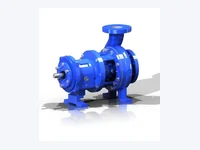
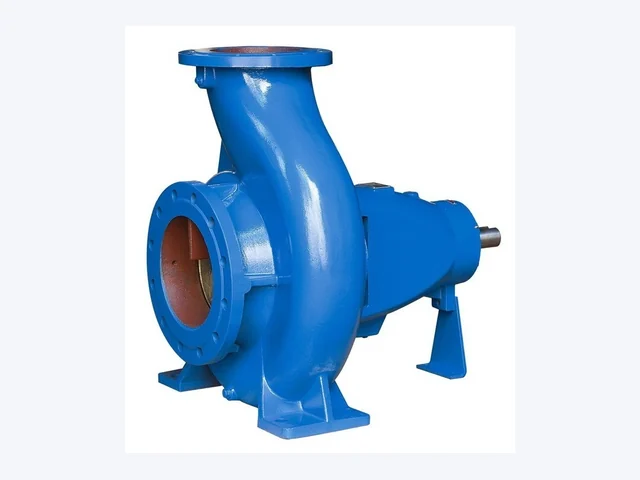
FA Series EN733 Horizontal Centrifugal Pump
BS EN733 / DIN24255 end-suction pump, 2 to 1100 m³/h and head to 152 m, for building services fire and irrigation
View specifications
EN733 / DIN24255
Vertical Wet-Pit
General Purpose
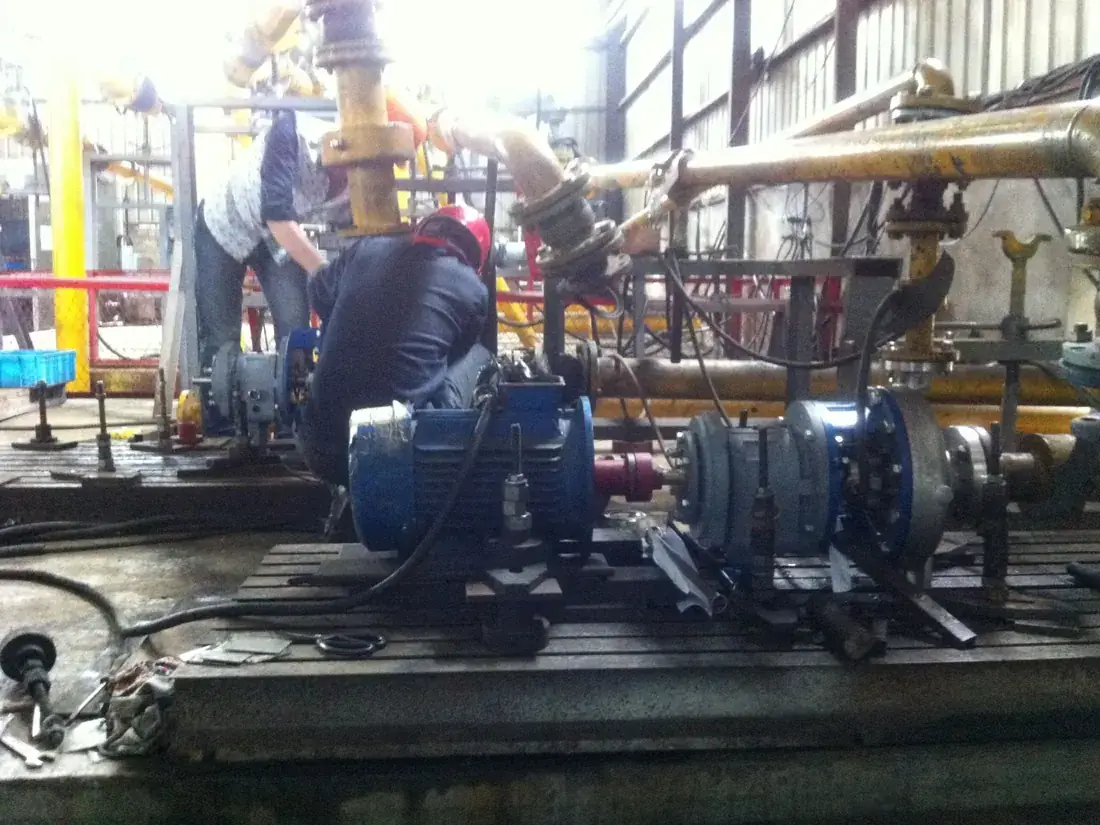
Most premature pump failures are installation failures. Foundation, pipework and alignment decide more about pump life than the pump does.
A pump delivered correctly built and correctly selected can still fail within months if the baseplate flexes, the pipework pulls on the casing or the coupling is misaligned.
This guide covers the installation sequence for a horizontal end-suction pump. For wet-pit vertical pumps see the separate vertical sump pump installation guide.
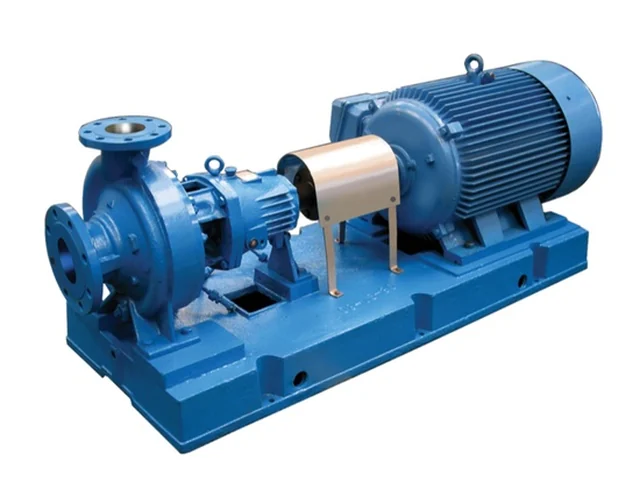
The foundation must be flat, level and rigid enough not to flex under the running load. A flexing baseplate transmits its movement straight into the coupling alignment.
Set the baseplate on shims or jacking screws, level it in both directions, then grout. Grout fully — voids under a baseplate are what let it flex.
Let the grout cure fully before final alignment. Alignment done on green grout does not stay aligned.
Pipework must be independently supported. The pump casing is not a pipe support, and a pump carrying pipe weight will show it at the bearings and the seal.
Pipe runs must arrive at the flanges without being pulled into place. If the bolts have to be drawn up to close a gap, the strain stays in the casing permanently.
Suction pipe should be short, straight and no smaller than the suction branch. Eccentric reducers go flat side up on a horizontal run so air cannot collect.
Do not fit an elbow directly onto the suction flange. Allow several diameters of straight pipe so the flow entering the impeller is not already swirling.
Align the pump and driver after grouting and after the pipework is connected, so the alignment reflects the installed condition.
Check both angular and parallel alignment. A laser or dial indicator is worth the time; a straight edge is not sufficient on anything but the smallest pump.
Record the alignment figures. They are the reference for every later check.
Fit an isolating valve on both suction and discharge so the pump can be isolated for service.
Fit the non-return valve on the discharge side, between the pump and the isolating valve.
Do not throttle on the suction side. Flow control belongs on the discharge.
Fit a strainer where the liquid may carry debris, and plan for its pressure drop in the NPSH available calculation.
Check the direction of rotation with the coupling disconnected. Running a pump backwards can unscrew an impeller.
Confirm the motor rating covers the whole operating range, not just the design point, since power rises with flow on most water pumps.
Fit and secure the coupling guard before the pump runs. It is not optional.
Confirm the pump is full of liquid and vented. A centrifugal pump will not prime itself and will not survive running dry.
Turn the shaft by hand to confirm it rotates freely.
Check that the suction valve is fully open and the discharge valve is set as the commissioning procedure requires.
On an open impeller pump, confirm and record the impeller clearance.
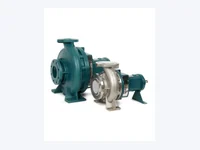
BS EN733 / DIN24255 end-suction pump, 2 to 1100 m³/h and head to 152 m, for building services fire and irrigation
View specifications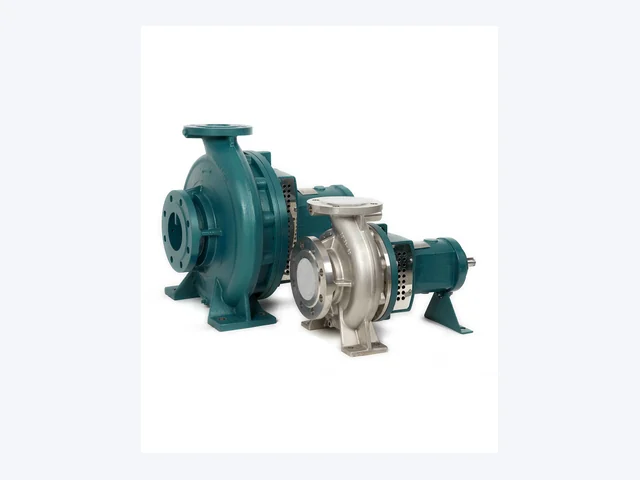
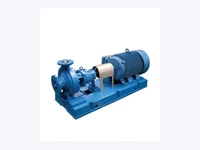
ISO 2858 and ISO 5199 back-pull-out end-suction pump, fully interchangeable with other ISO brands
View specifications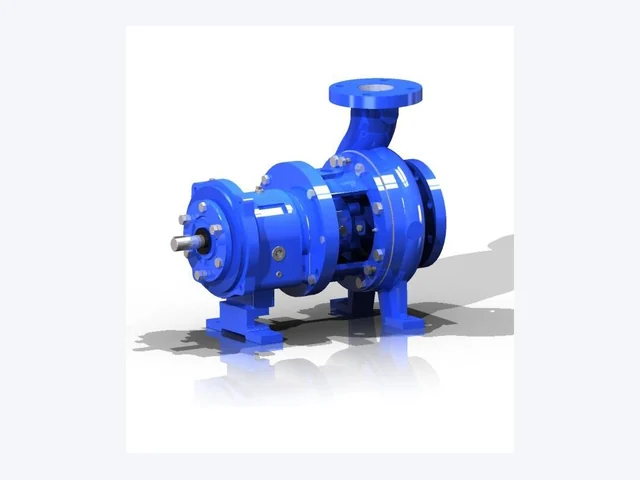
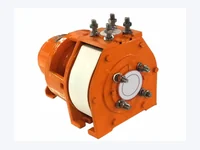
End-suction water pump built to ANSI/ASME B73.1 with a full open impeller and ANSI B16.5 flanges
View specifications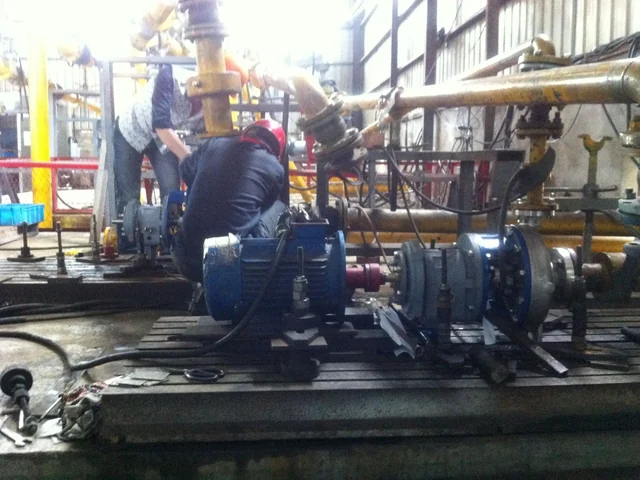
Commissioning is where the numbers that matter for the next ten years get recorded. Skip it and every later diagnosis starts from guesswork.
Read more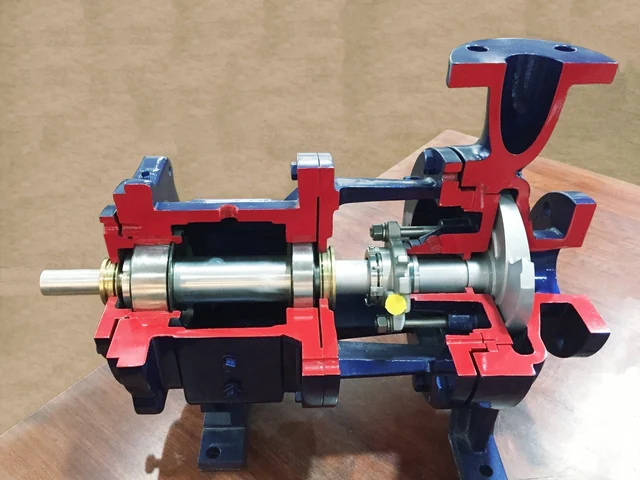
Cavitation is not a pump defect. It is a suction system defect that destroys the pump, and it is almost always designed in rather than developed.
Read more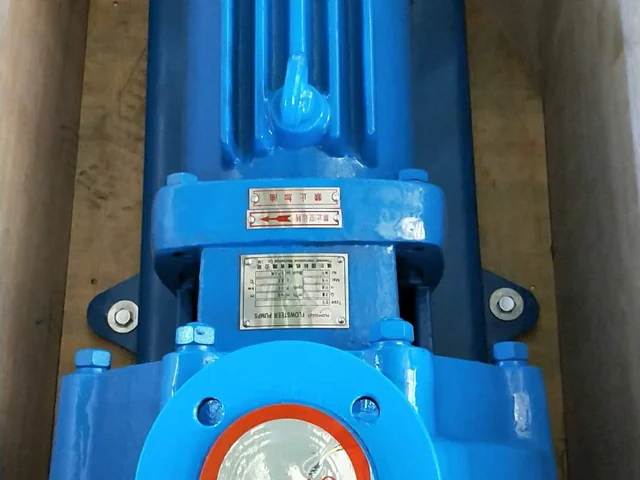
A short list of the things that actually decide how long a water pump lasts, drawn from how these pumps are built rather than from general advice.
Read moreBecause it is permanent. A casing pulled out of position by pipework stays distorted, which misaligns the shaft, loads the bearings unevenly and shortens seal life from the first hour of running.
It should be at least as large, and larger is usually better because it reduces friction loss and raises NPSH available. It should never be smaller.
After grouting has cured and after the pipework is connected, so it reflects the installed state. Check it again after the first period of running at operating temperature.
No. Throttling the suction reduces NPSH available and will cause cavitation. Control flow on the discharge side.
Send the pump details and the duty point and we will tell you what this means for your installation rather than in general.