CN Series
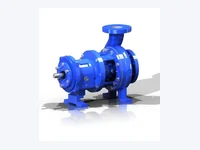
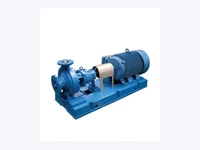
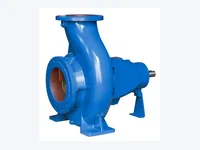
ANSI CN Series Water Centrifugal Pump
End-suction water pump built to ANSI/ASME B73.1 with a full open impeller and ANSI B16.5 flanges
View specifications
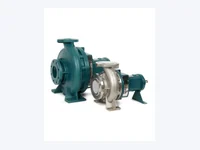
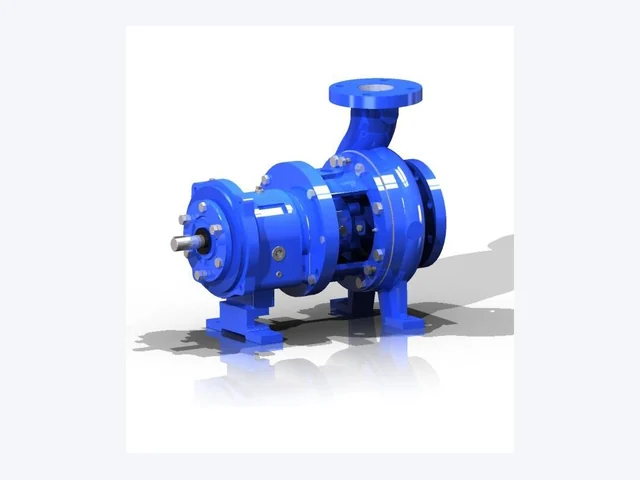
EN733 / DIN24255
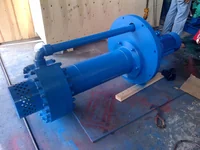
Vertical Wet-Pit
General Purpose
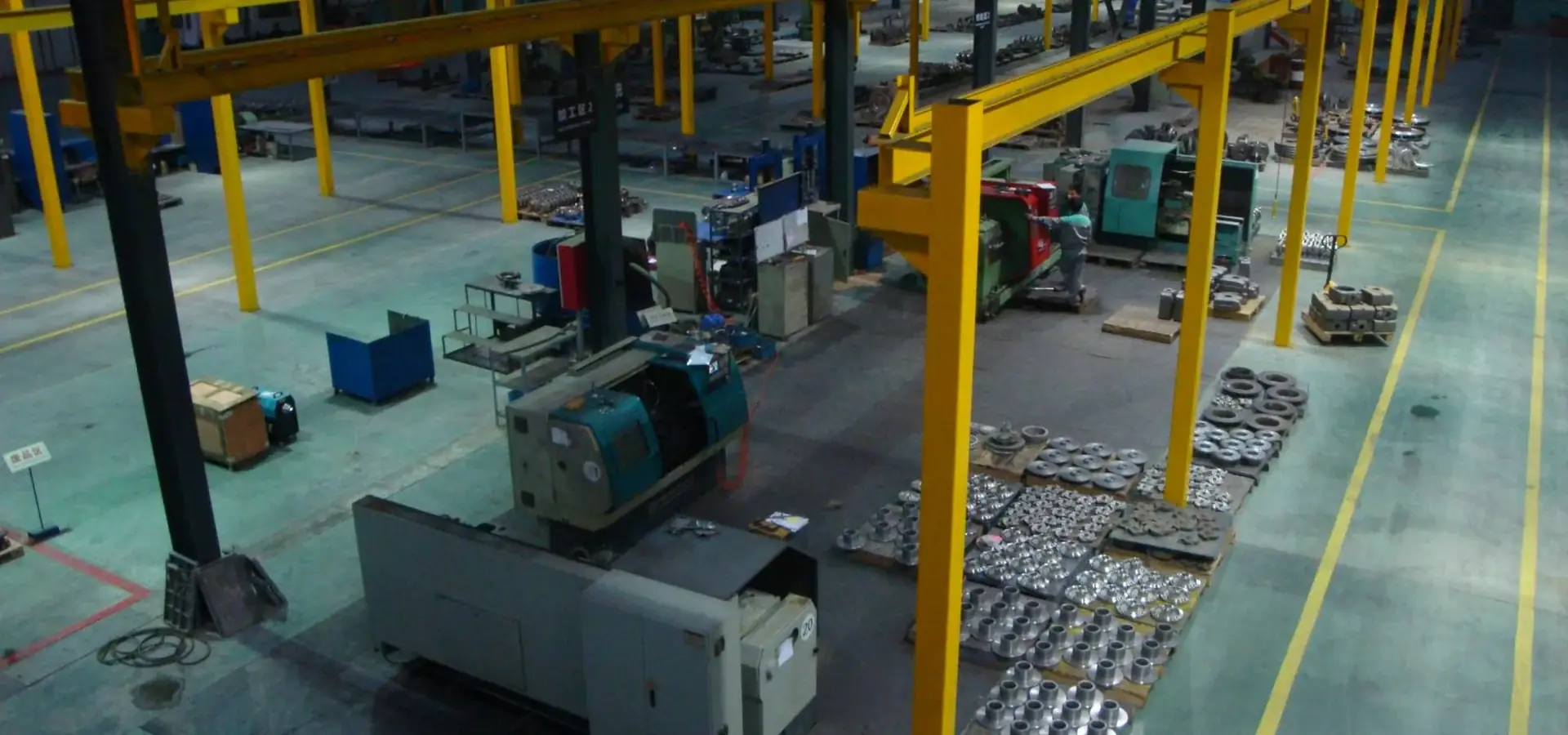
Machining, assembly, test and packing, photographed on the Flowsteer manufacturing floor.
Every photograph on this page comes from the Flowsteer site. None of them are stock images and none of them have been retouched to remove or add anything.
They are arranged in the order a pump moves through the works: castings and machined components, the parts store, assembly and test, then crating for shipment.
Overhead gantry cranes run the length of the machining bay, with machined castings laid out on the floor between the machines. Pump casings and bearing housings are heavy enough that crane coverage across the whole bay, rather than at fixed stations, is what governs how the work flows.
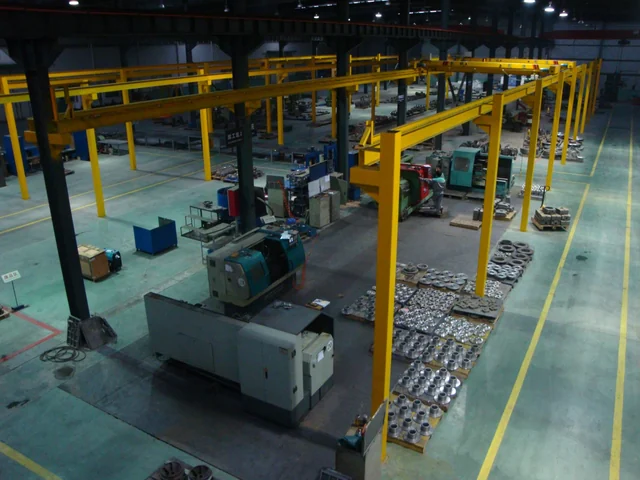
Machining bay with overhead gantry cranes and machined castings laid out on the floor
Multi-level pallet racking holding casings, bearing frames, baseplates and assembled components. A pump manufacturer that offers nine wetted materials across five series has to hold stock at component level rather than at finished-pump level, and this is what that looks like.
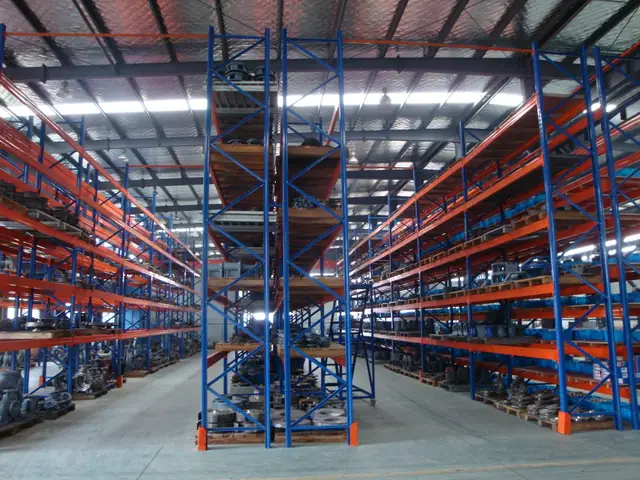
Multi-level pallet racking filled with pump components in the finished parts warehouse
Casings, bearing frames and baseplates racked by type. Standardised series such as the ISO CI, with its fixed grid of size designations, are what make this kind of component stocking possible at all.
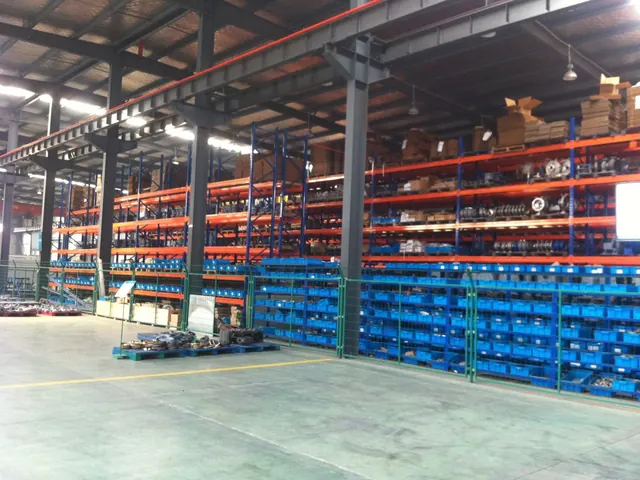
Pallet racking holding pump casings, bearing frames and baseplates in the parts store
Machined closed impellers laid out with flanged casings ready for assembly. The impeller is where hydraulic performance is decided and where erosion shows first, which is why the FA series specifies bronze as standard rather than as an option.
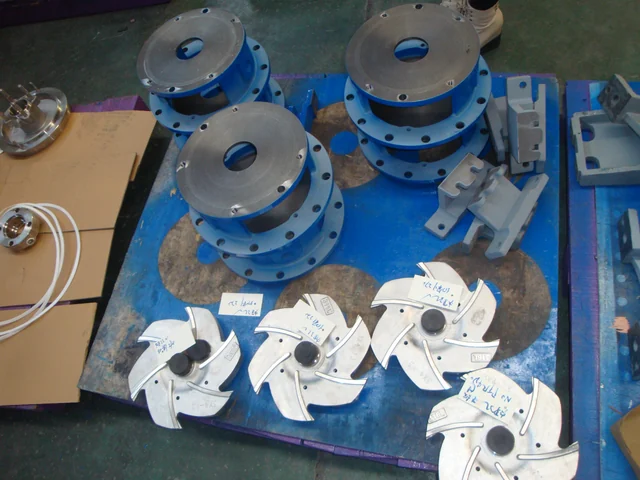
Machined closed impellers and flanged casings laid out for assembly
Stainless steel volute casings on a pallet after casting and machining, for the SS304 and SS316 builds of the ISO CI series. These are the casings specified when treated effluent or chloride content rules out cast iron.
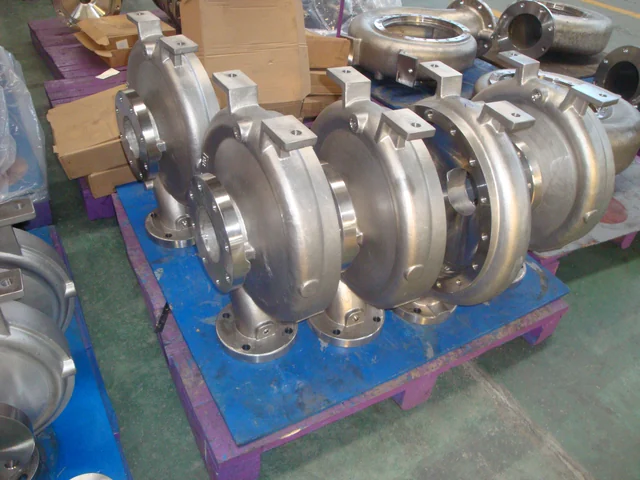
Stainless steel centrifugal pump volute casings staged on a pallet after casting and machining
Partly assembled pumps lined up on the assembly floor. Back pull-out construction means the rotating assembly is built up as a unit — bearing frame, shaft, seal and impeller — before it meets the casing.
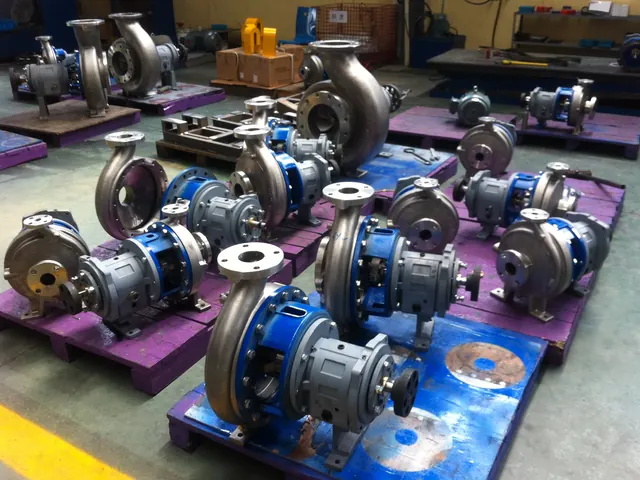
Partly assembled centrifugal pumps lined up on the assembly floor
A technician connecting a pump to the test rig. Performance testing is where the relationship between the published curve and the individual pump is established.
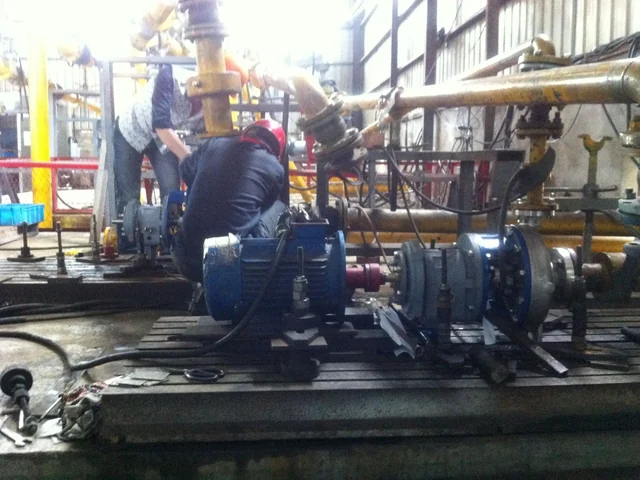
Technician connecting a centrifugal pump to the performance test rig
Bare shaft units wrapped and staged before motor mounting. Pumps destined for rebuilds, where the motor and baseplate stay in place on site, ship in this form.
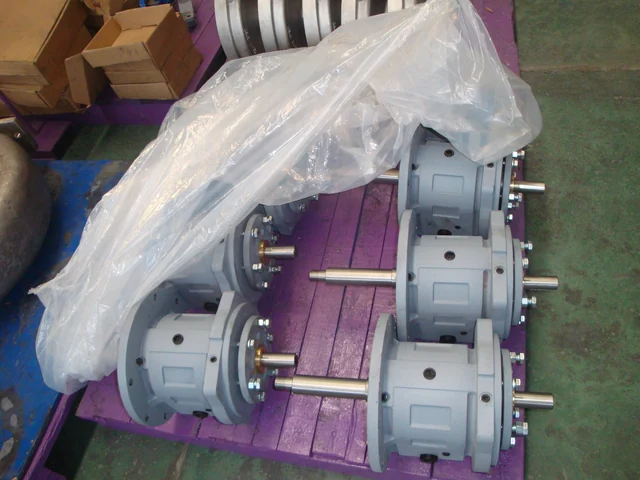
Bare-shaft centrifugal pump units wrapped and staged before motor mounting
Lined pump sets with motors, complete on their baseplates. A complete set leaves the works with the coupling aligned so that on site the alignment has only to be checked rather than established.
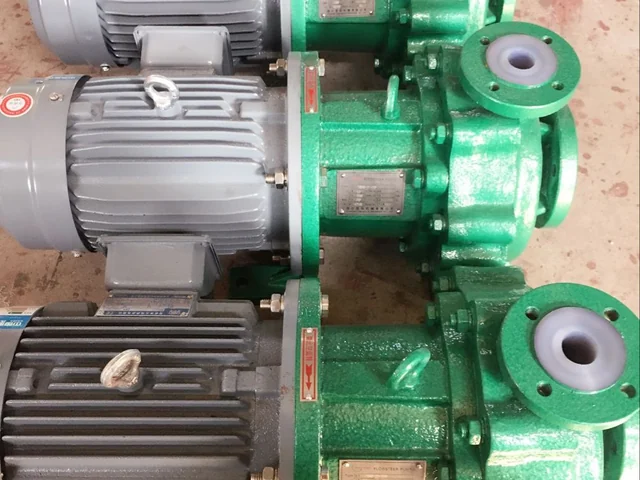
Batch of lined centrifugal pump sets with motors on the packing floor
Rows of assembled pump sets on pallets beside the export crates they will go into. This is the last point at which the pump is visible before it reaches the customer.
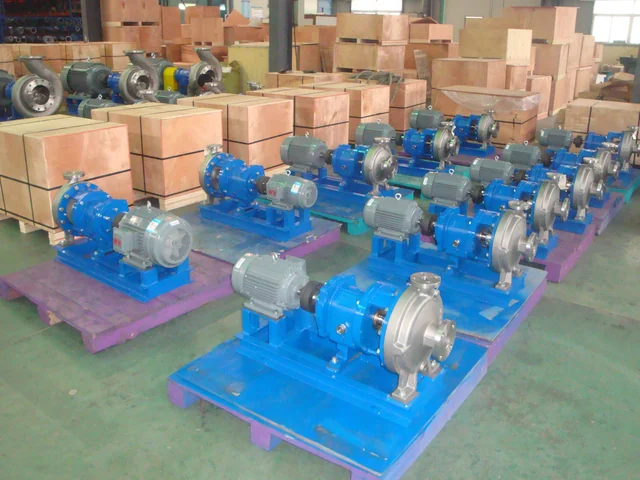
Rows of assembled centrifugal pump sets staged on pallets next to export crates
A pump set being packed into a timber export crate. Pumps are bolted down inside the crate rather than blocked in place, so the baseplate carries the transit loads rather than the casing or the coupling.
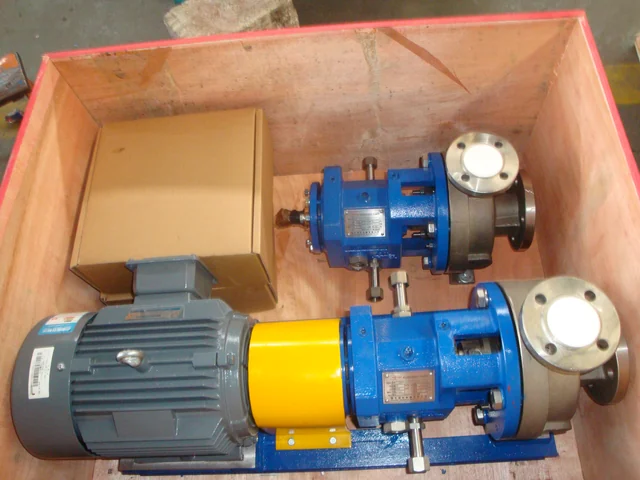
Centrifugal pump set being packed into a timber export crate
A finished pump bolted into an open crate before the lid goes on. The bolts through the baseplate are what stop a pump shifting in transit and arriving out of alignment.
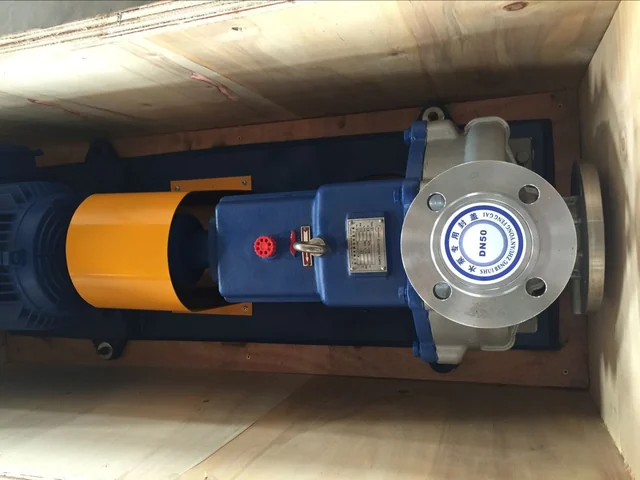
Orange centrifugal pump secured inside an open export crate
End-suction water pump built to ANSI/ASME B73.1 with a full open impeller and ANSI B16.5 flanges
View specifications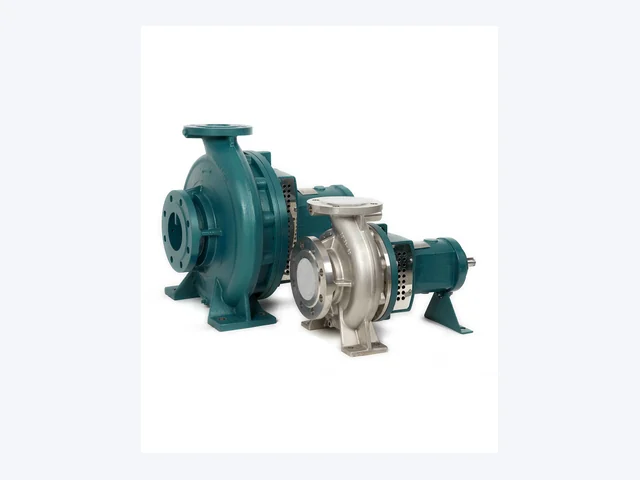
ISO 2858 and ISO 5199 back-pull-out end-suction pump, fully interchangeable with other ISO brands
View specifications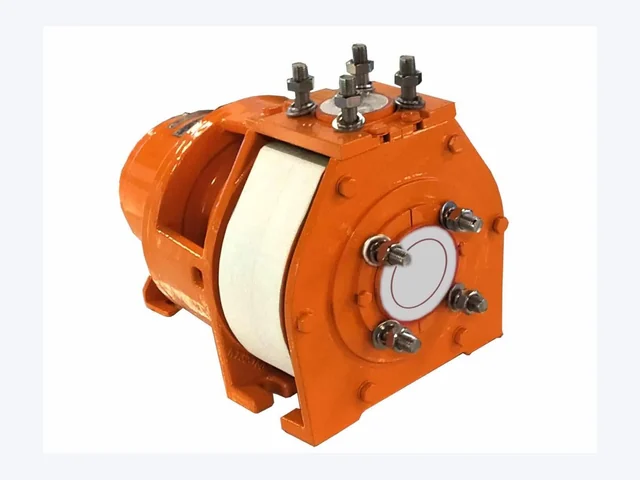
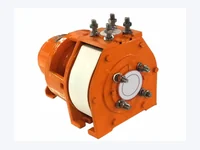
Horizontal single-stage pump in PP, PE and UHMW-PE for water that attacks metal wetted parts
View specifications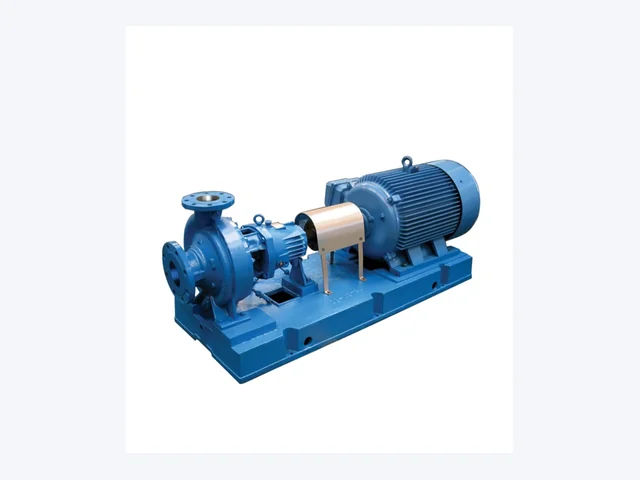
Process-duty water pump from DN 25 to DN 400 with flow to 600 m³/h for water and waste water
View specifications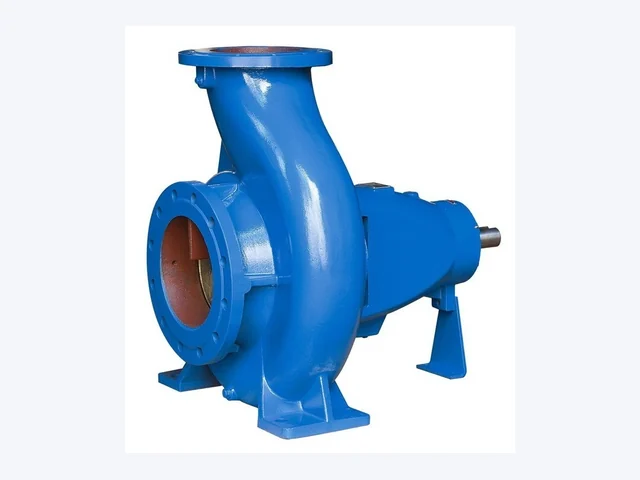
BS EN733 / DIN24255 end-suction pump, 2 to 1100 m³/h and head to 152 m, for building services fire and irrigation
View specifications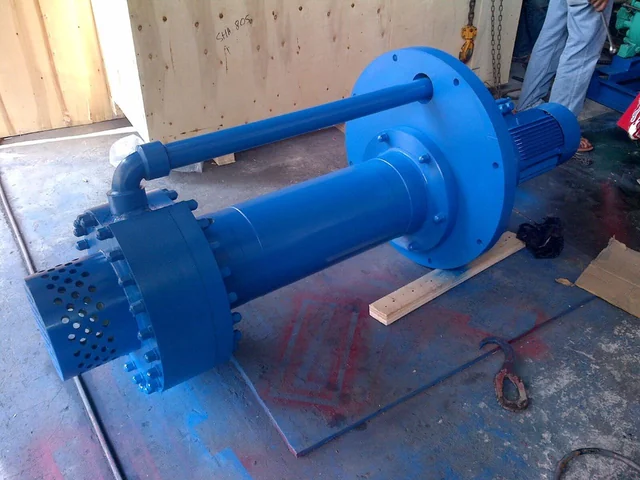
Vertical single-stage sump pump in polypropylene for wet-pit installation with solids to 20 percent
View specificationsYes. Every image on this page is taken from the Flowsteer site and shows its own manufacturing, assembly and packing areas.
Send us a request by email with the dates you are considering and what you would like to see, and we will confirm what can be arranged.
Complete sets are bolted down through the baseplate into timber export crates, as shown on this page. Bare shaft pumps are wrapped and crated separately.
Pumps are connected to a test rig as shown on this page. Tell us what test documentation your project requires and we will confirm what can be provided with the order.
Send the dates you are considering and what you would like to see, and we will confirm what can be arranged.