FA Series
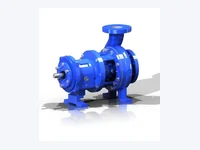
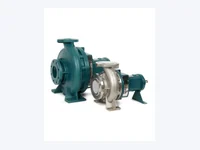
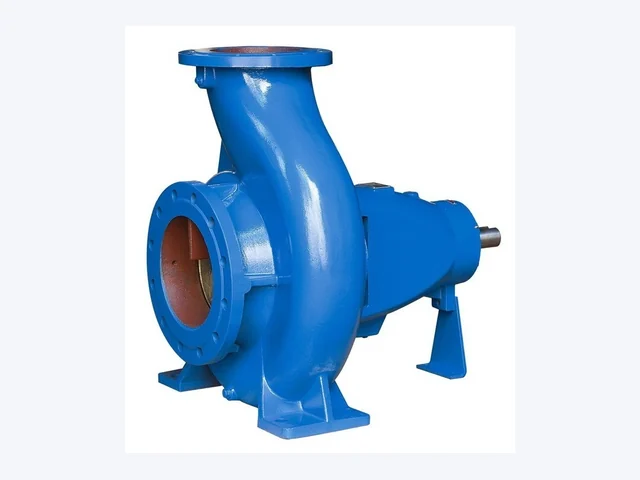
FA Series EN733 Horizontal Centrifugal Pump
BS EN733 / DIN24255 end-suction pump, 2 to 1100 m³/h and head to 152 m, for building services fire and irrigation
View specifications
EN733 / DIN24255
Vertical Wet-Pit
General Purpose
Cavitation is not a pump defect. It is a suction system defect that destroys the pump, and it is almost always designed in rather than developed.
A centrifugal pump lowers the pressure at the impeller eye in order to draw liquid in. If that pressure falls to the vapour pressure of the liquid, the liquid boils, forms bubbles, and those bubbles collapse violently as they move into the higher-pressure part of the impeller.
The collapse removes metal. That is cavitation, and it is a property of the suction system, not of the pump.
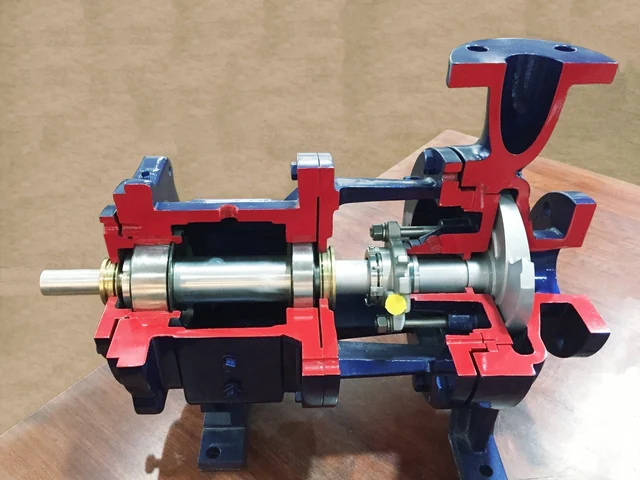
NPSH required is a pump characteristic, published by the manufacturer against flow. It is the margin the pump needs at the impeller eye to avoid vaporising the liquid.
NPSH available is a system characteristic. It is set by the liquid level, the atmospheric pressure, the suction pipe losses and the liquid temperature.
The system must supply more than the pump demands, with a margin. When NPSH available falls below NPSH required, the pump cavitates.
A long, narrow or convoluted suction pipe. Every metre of pipe, every bend and every fitting takes head out of the suction.
A liquid level that drops — a sump emptying, a tank running down, a river falling in a dry season.
Higher liquid temperature, which raises vapour pressure. A duty that is fine at 20 °C can cavitate at 80 °C.
Altitude, which lowers atmospheric pressure and therefore the head pushing liquid into the pump.
A distinctive noise, usually described as gravel passing through the pump.
Unstable discharge pressure and fluctuating flow.
Vibration that rises with flow rather than falling.
On strip-down, pitting on the impeller vane on the low-pressure side near the eye — not general erosion across the whole vane.
Shorten and straighten the suction line. This is usually the cheapest and most effective change available.
Increase the suction pipe diameter to cut friction losses.
Raise the liquid level relative to the pump, or lower the pump relative to the liquid.
Reduce the flow rate. NPSH required rises with flow, so throttling the discharge can move the pump back into a safe region — at an efficiency cost.
Where the sump level is the constraint and cannot be changed, a vertical wet-installed pump removes the suction lift entirely. That is what the VNP series is for.
Ask for the NPSH required curve at selection, not after commissioning.
Calculate NPSH available at the worst case: lowest liquid level, highest temperature, dirtiest strainer.
Keep a margin. A design that just meets NPSH required at ideal conditions will cavitate in service.
On pit and sump duties, consider a vertical pump from the start rather than fighting a suction lift with a horizontal one.
BS EN733 / DIN24255 end-suction pump, 2 to 1100 m³/h and head to 152 m, for building services fire and irrigation
View specifications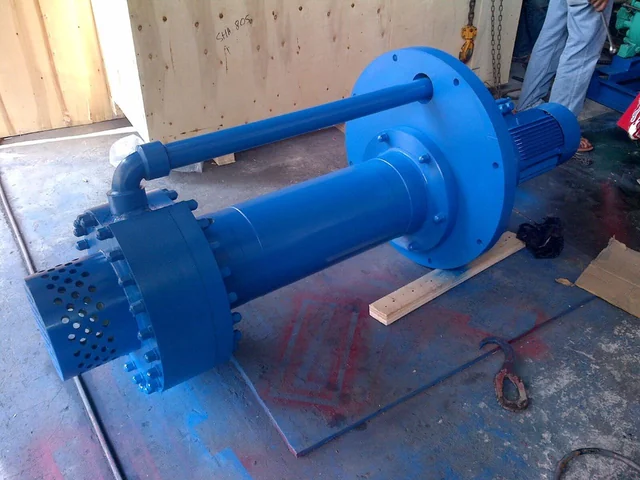
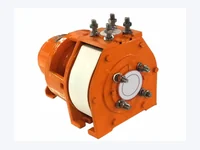
Vertical single-stage sump pump in polypropylene for wet-pit installation with solids to 20 percent
View specifications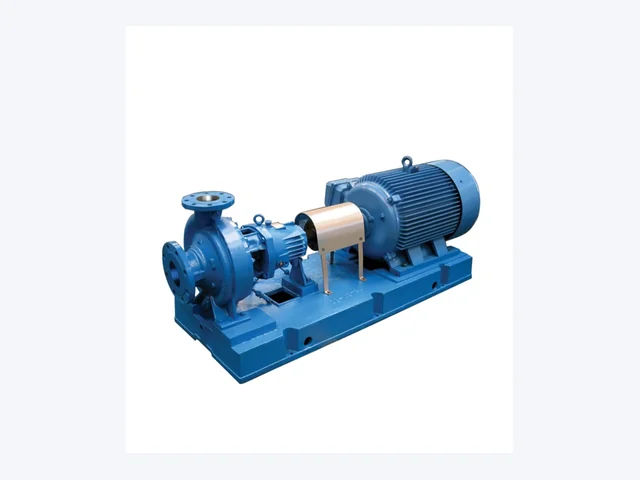
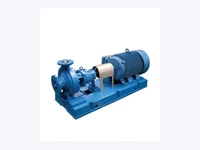
Process-duty water pump from DN 25 to DN 400 with flow to 600 m³/h for water and waste water
View specificationsA published envelope such as 2 to 1100 m3/h is a range of sizes, not the capability of any one pump. Here is how to get from it to a selection.
Read more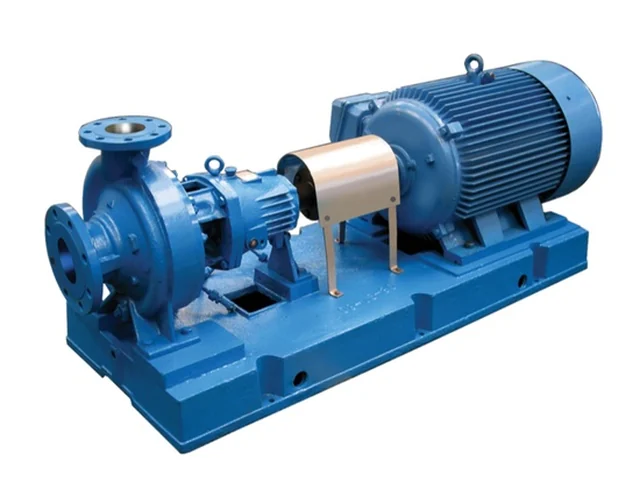
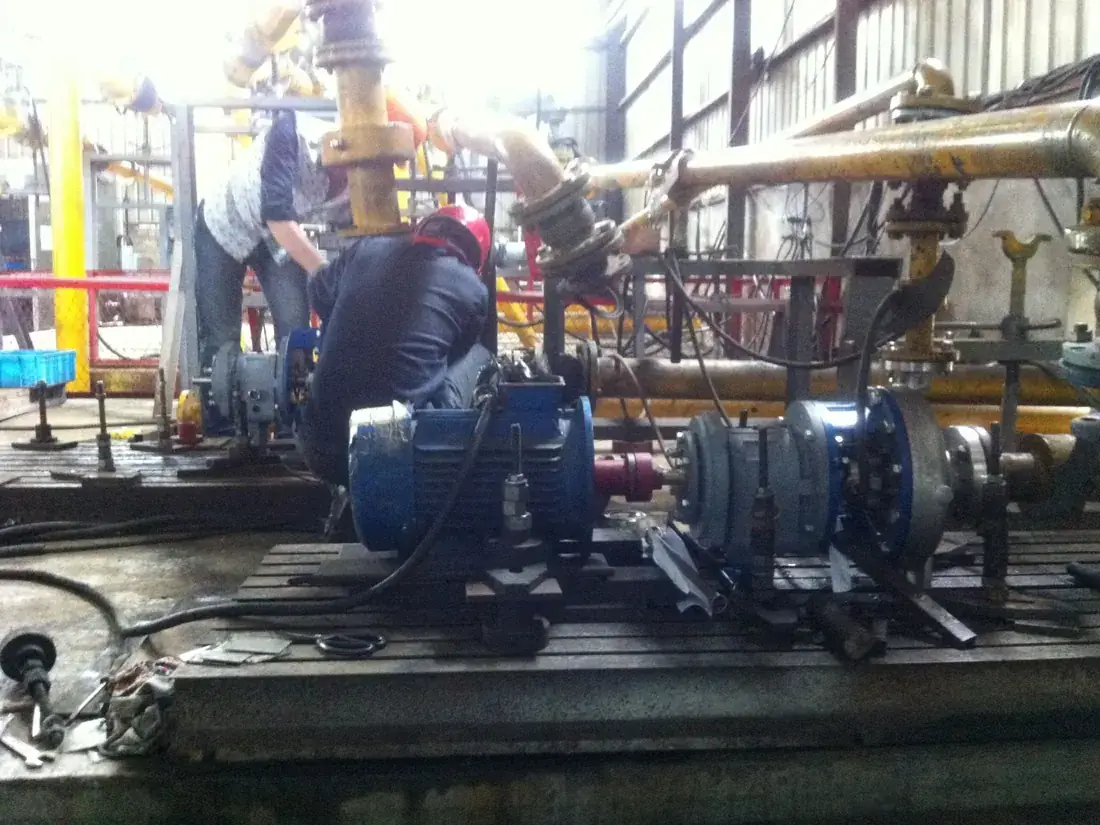
Most premature pump failures are installation failures. Foundation, pipework and alignment decide more about pump life than the pump does.
Read moreA wet-installed pump removes the suction problem and replaces it with a set of geometry problems. All of them are solved before the pump is ordered.
Read moreAlmost never. The pump publishes what it requires; the system has to supply it. Cavitation means the suction system is not delivering the margin the pump needs.
It can help, because NPSH required falls with flow. It is a mitigation rather than a fix, and it costs efficiency.
The noise is characteristic, discharge pressure is unstable, and on strip-down the pitting sits on the low-pressure side of the vanes near the impeller eye rather than spread across the whole vane.
Considerably. Vapour pressure rises with temperature, so NPSH available falls. A duty that is safe on cold water can cavitate on the same water at 80 °C.
Send the pump details and the duty point and we will tell you what this means for your installation rather than in general.