Industry
Industrial Water Transfer
Plant water, process circulation, booster and liquid transfer duties across the full Flowsteer size band.
Read more
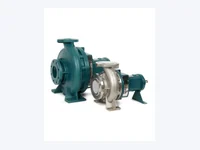
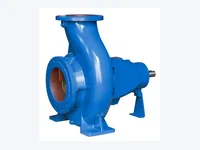
EN733 / DIN24255
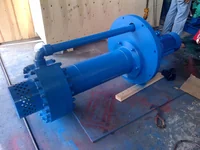
Vertical Wet-Pit
General Purpose
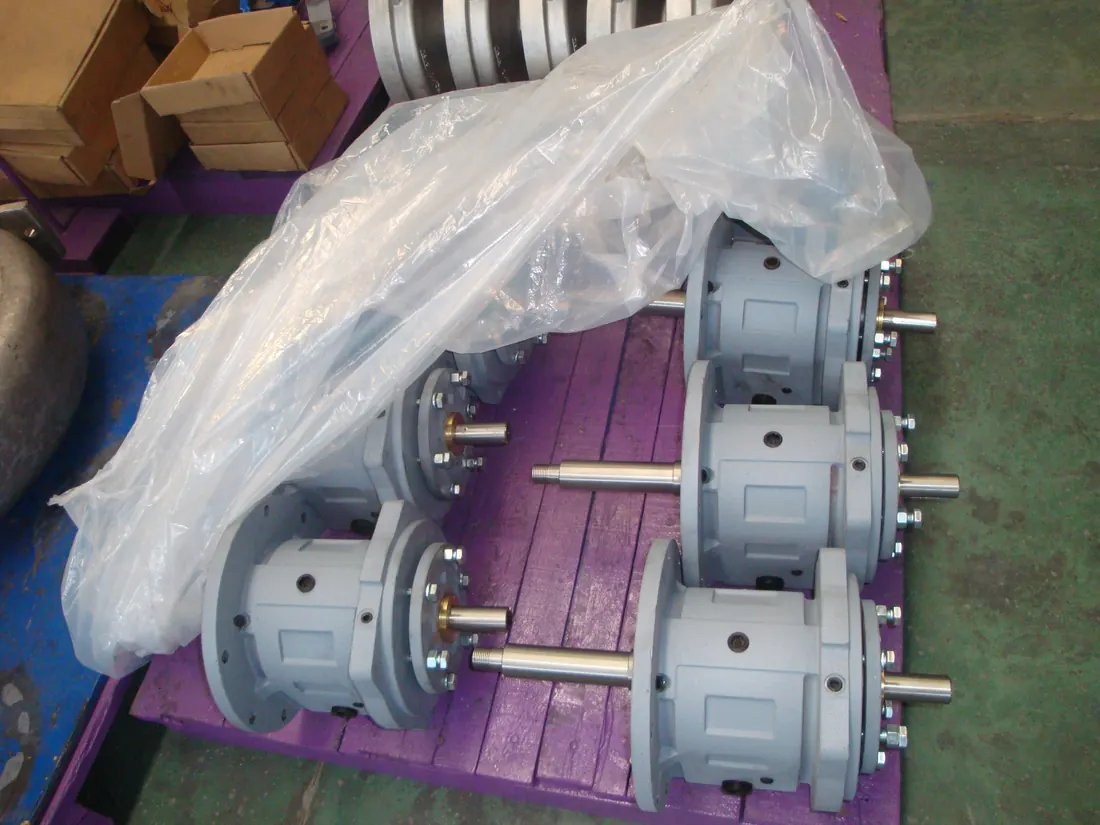
ISO 2858 and ISO 5199 back-pull-out end-suction pump, fully interchangeable with other ISO brands
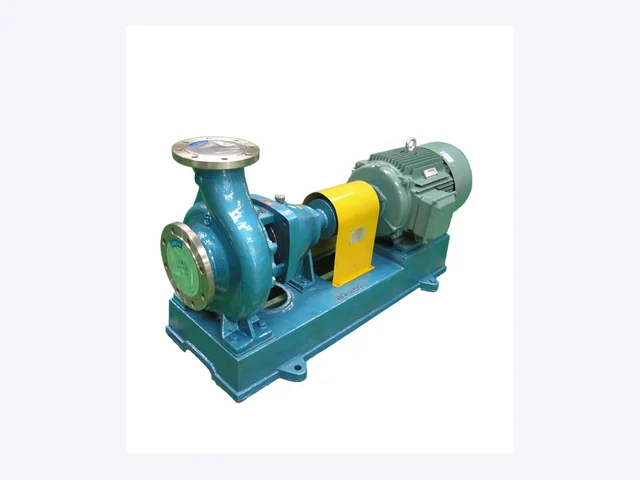
The CI series is an end-suction centrifugal pump built to ISO 2858 with back-pull-out construction. Sizes run from 50×32-160 through to 250×200-400, with capacity to 500 m³/h and head to 80 m.
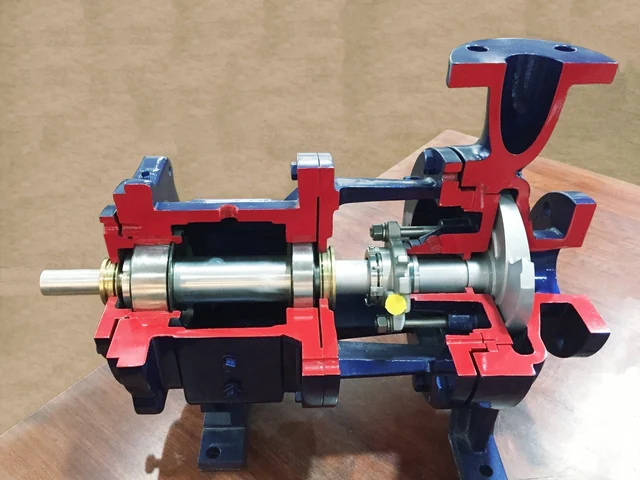
Back-pull-out means the bearing frame, shaft, seal and impeller withdraw as one assembly while the casing stays bolted into the pipework. Suction and discharge pipes are never broken to change a seal, which is what turns a two-day seal job into a two-hour one.
The series is designed to be fully interchangeable with other ISO 2858 pumps. For plants running a mixed fleet, that means one spare impeller and one spare seal can cover pumps from more than one maker.
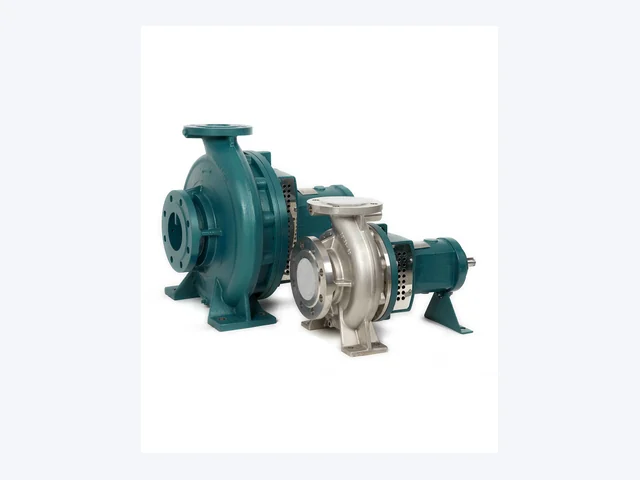
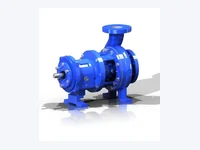
ISO 2858 CI series back-pull-out end-suction centrifugal pump
Every value below is taken from the Flowsteer product catalogue. Values the catalogue does not publish are marked TBC rather than estimated.
| Pump type | End-suction, single-stage, back-pull-out |
|---|---|
| Design standard | ISO 2858 / ISO 5199 |
| Size range | 50×32-160 up to 250×200-400 |
| Capacity (Q) | Up to 500 m³/h |
| Head (H) | Up to 80 m |
| Shaft seal | Single mechanical seal |
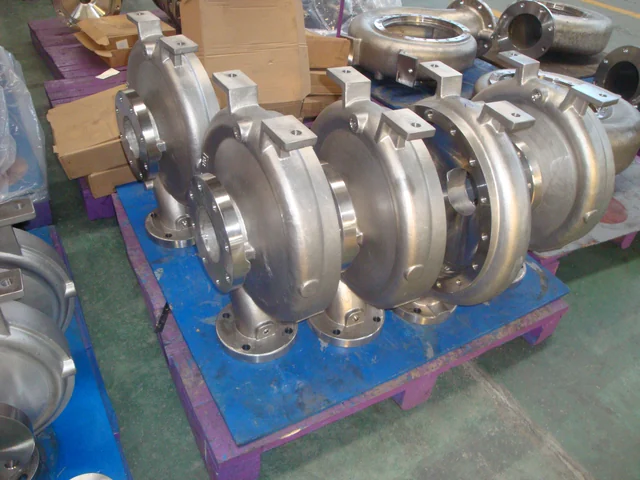
| Casing materials | Cast iron, ductile iron, SS304 |
| Wetted materials | CI, SS304, SS316 |
| Speed | TBCnot published on the source catalogue |
| Operating temperature | TBCnot published on the source catalogue |
Certifications, production capacity and export markets are not published in the Flowsteer catalogue, so this site does not state them. Tell us what your project needs evidenced and we will confirm in writing.
| Series | Published Envelope | Best Suited To |
|---|---|---|
| ISO CI Series | ISO 2858 / ISO 5199, closed impeller, to 500 m³/h and 80 m | ISO-specified plants and mixed ISO fleets |
| ANSI CN Series | ANSI/ASME B73.1, open impeller, to 400 m³/h | Plants standardised on the American dimensional standard |
| KCP Series | ISO-style construction in PP, PE and UHMW-PE | Water that attacks metal wetted parts |
Plant water, process circulation, booster and liquid transfer duties across the full Flowsteer size band.
Read more
Open impellers, polymer wetted parts and vertical sump pumps for screened sewage, return sludge, effluent and pit drainage.
Read moreFour of the five Flowsteer series use back pull-out construction. Here is what that changes about a maintenance window.
Read more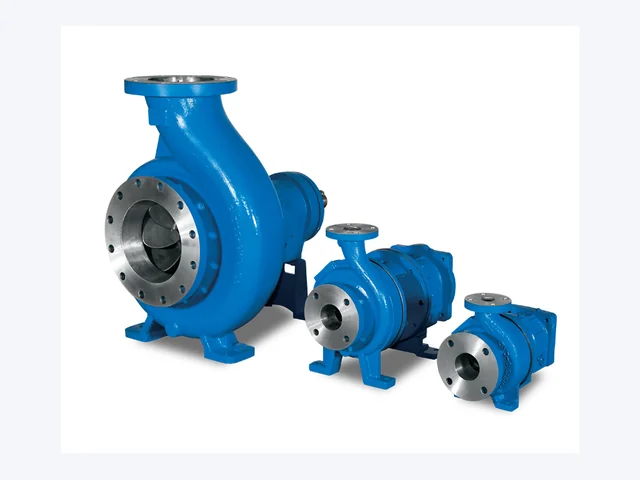
ANSI/ASME B73.1, ISO 2858, ISO 5199 and BS EN733. What each standard actually fixes, and what that means when a pump is replaced.
Read moreOne standard says where the holes go. The other says how long the pump should last. Specifications usually need both.
Read moreThe single construction feature that decides whether a seal change takes two hours or two days.
Read moreOne needs no attention and cannot be adjusted. The other needs attention and can be. The installation decides which is right.
Read more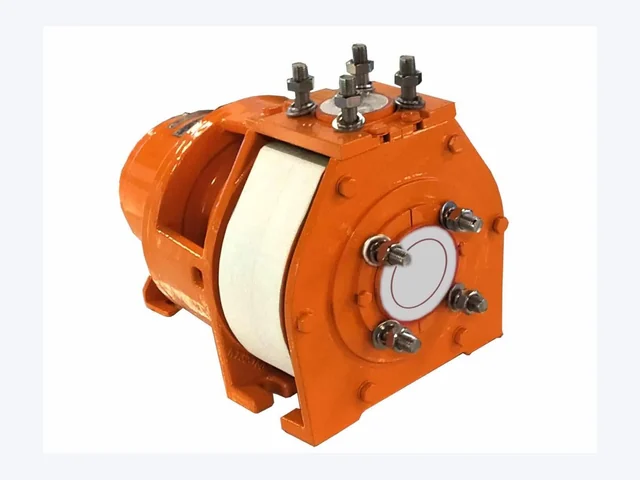
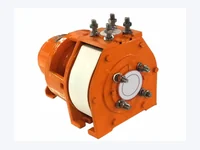
Horizontal single-stage pump in PP, PE and UHMW-PE for water that attacks metal wetted parts
View specifications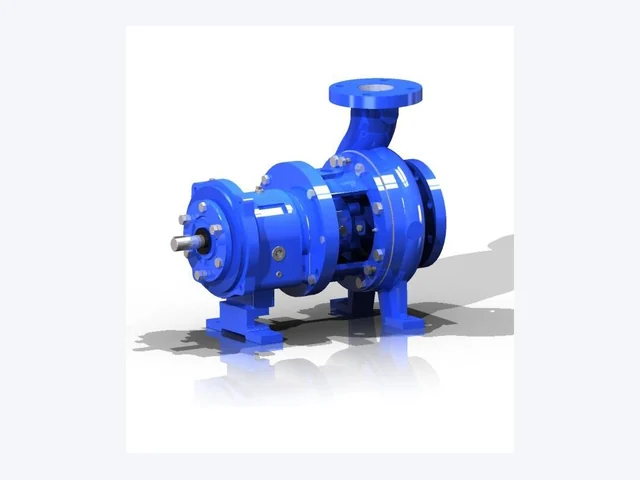
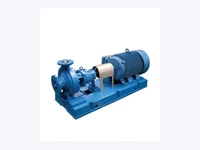
End-suction water pump built to ANSI/ASME B73.1 with a full open impeller and ANSI B16.5 flanges
View specifications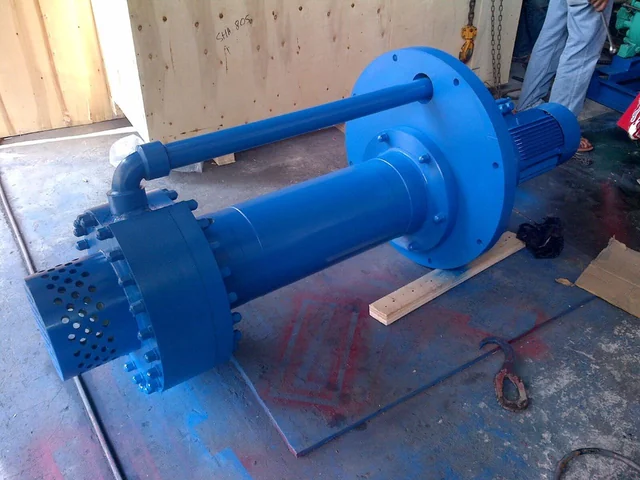
Vertical single-stage sump pump in polypropylene for wet-pit installation with solids to 20 percent
View specificationsISO 2858 is dimensional — it fixes sizes, flange positions and shaft heights so pumps interchange. ISO 5199 is a technical class covering shaft deflection, bearing life, seal chamber dimensions and casing thickness. The CI series is built to both.
Yes, that is the design intent. If the designation matches — for example 80×50-200 — the mounting dimensions, flange positions and shaft height match too.
Up to 500 m³/h and up to 80 m across the range. A single size will not reach both limits, so send us the duty point and we will name the designation.
SS316 contains molybdenum and resists chloride pitting far better than SS304. If the water is brackish, chlorinated beyond potable levels or chemically dosed, 316 is the safer wetted material.
The pipework stays bolted to the casing, so the job is limited to uncoupling the driver, withdrawing the rotating assembly and refitting. The pipe breaking and re-alignment that dominate a conventional seal change disappear.
Send the duty point and the liquid description and we will confirm the size, the materials and any specification this page marks TBC.