CI Series
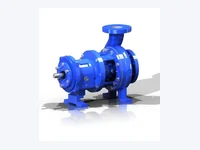
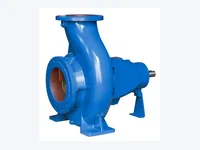
ISO CI Series Water Centrifugal Pump
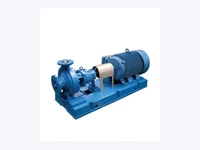
ISO 2858 and ISO 5199 back-pull-out end-suction pump, fully interchangeable with other ISO brands
View specifications
EN733 / DIN24255
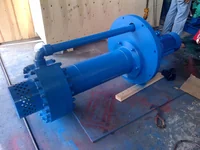
Vertical Wet-Pit
General Purpose
Four of the five Flowsteer series use back pull-out construction. Here is what that changes about a maintenance window.
A seal change on a conventional end-suction pump starts with breaking two flanges. Gaskets come out, pipework is supported, the pump comes off the baseplate, and after the rebuild everything has to be re-aligned and re-gasketed. Most of the hours go on the pipework, not the pump.
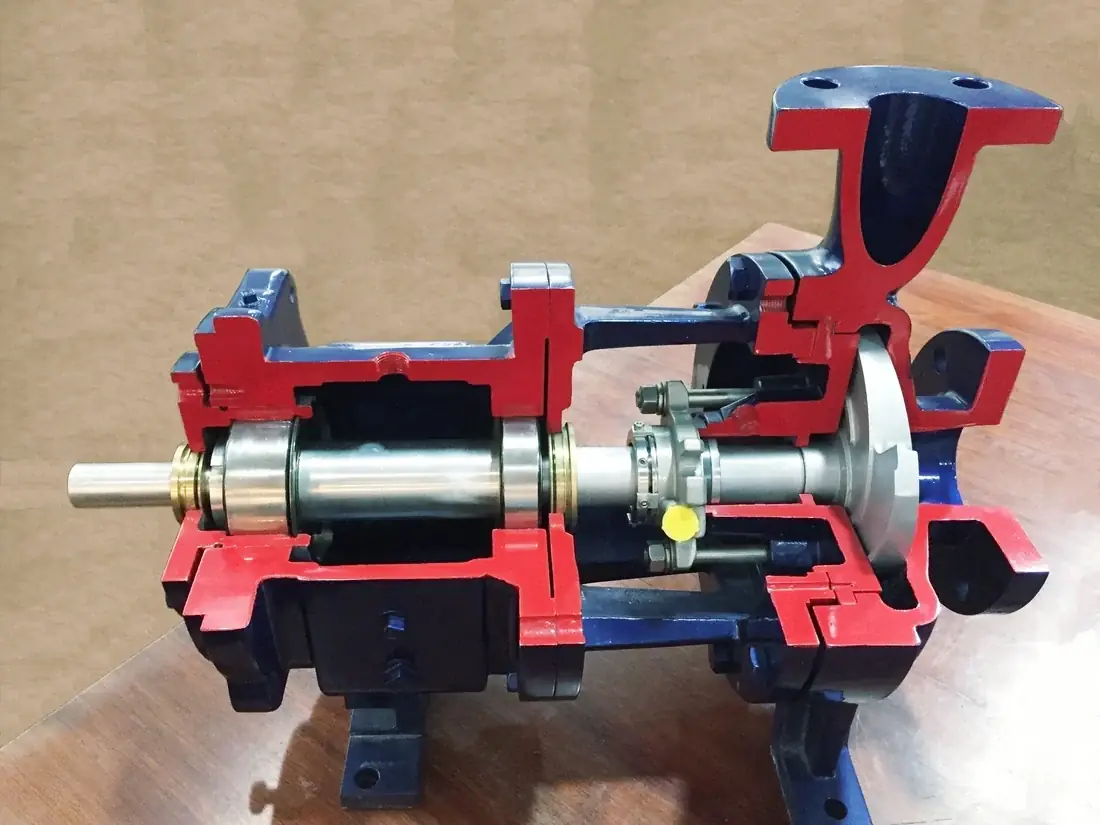
Back pull-out construction removes that entirely. The casing stays bolted between the suction and discharge flanges. The bearing frame, shaft, seal and impeller withdraw rearwards as one assembly.
The Flowsteer ISO CI, KCP, FA and VNP series are all built this way. The ANSI CN series follows ANSI/ASME B73.1, which is itself a back pull-out standard.
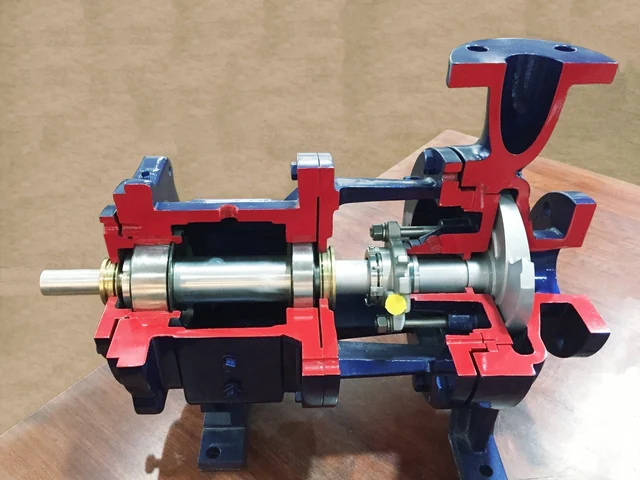
Cutaway demonstration pump showing shaft, bearing housing, mechanical seal and closed impeller
ISO 2858 and ISO 5199 back-pull-out end-suction pump, fully interchangeable with other ISO brands
View specifications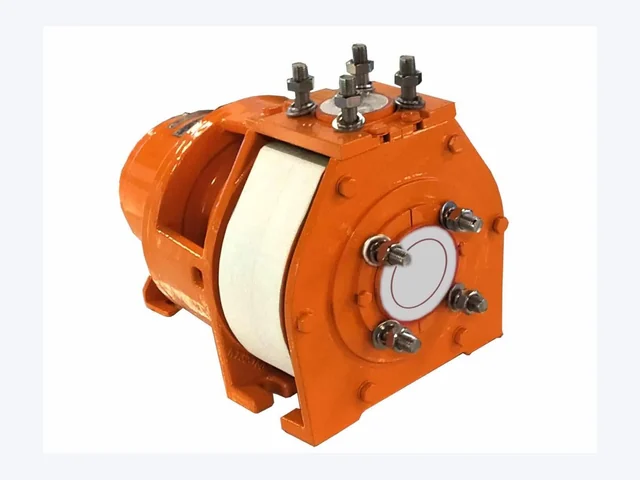
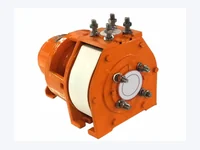
Horizontal single-stage pump in PP, PE and UHMW-PE for water that attacks metal wetted parts
View specifications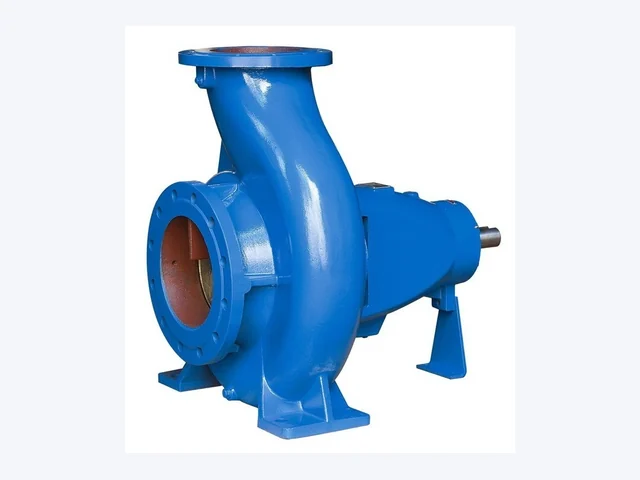
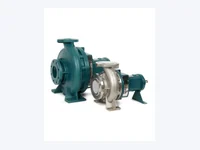
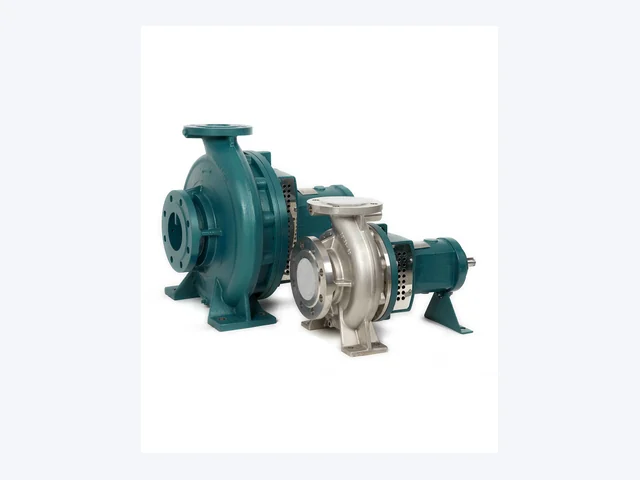
BS EN733 / DIN24255 end-suction pump, 2 to 1100 m³/h and head to 152 m, for building services fire and irrigation
View specifications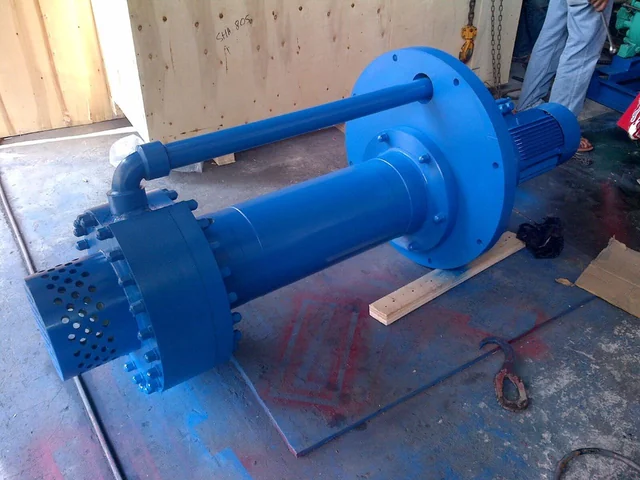
Vertical single-stage sump pump in polypropylene for wet-pit installation with solids to 20 percent
View specificationsThe single construction feature that decides whether a seal change takes two hours or two days.
Read moreOne needs no attention and cannot be adjusted. The other needs attention and can be. The installation decides which is right.
Read more
A short list of the things that actually decide how long a water pump lasts, drawn from how these pumps are built rather than from general advice.
Read moreRoughly the length of the shaft and bearing housing, so the rotating assembly can come fully clear of the casing. Allow for it when the plant room is laid out.
It helps considerably. With a spacer coupling the motor stays bolted down and only the spacer comes out, which removes a re-alignment step from the job.
The ISO CI, KCP, FA and VNP series all state back pull-out construction. The ANSI CN series is built to ANSI/ASME B73.1, which is a back pull-out standard.
The pump-to-pipe alignment is untouched, but the pump-to-motor coupling alignment should still be checked before the guard goes back on.
Tell us the pumps you have and the duties they run, and we will say where this applies and what it would change.