CN Series
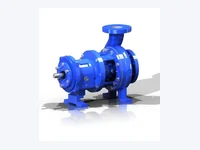
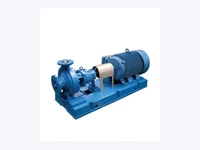
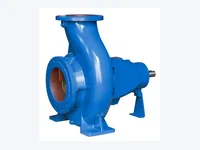
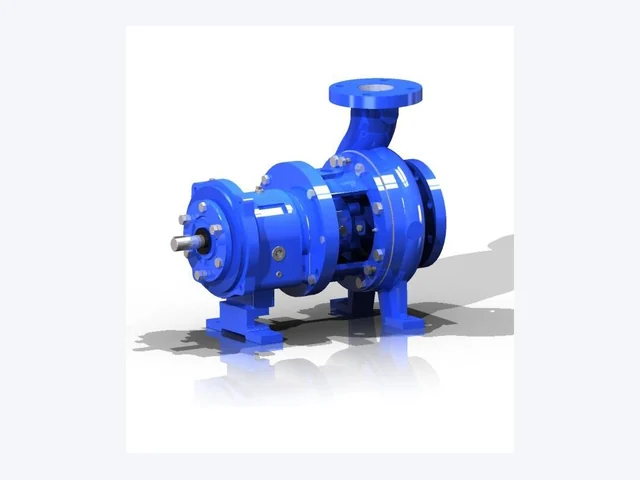
ANSI CN Series Water Centrifugal Pump
End-suction water pump built to ANSI/ASME B73.1 with a full open impeller and ANSI B16.5 flanges
View specifications
EN733 / DIN24255
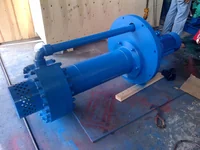
Vertical Wet-Pit
General Purpose
Open impellers, polymer wetted parts and vertical sump pumps for screened sewage, return sludge, effluent and pit drainage.
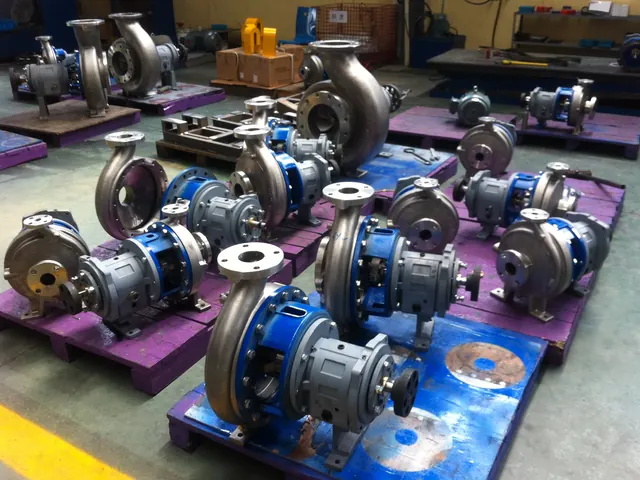
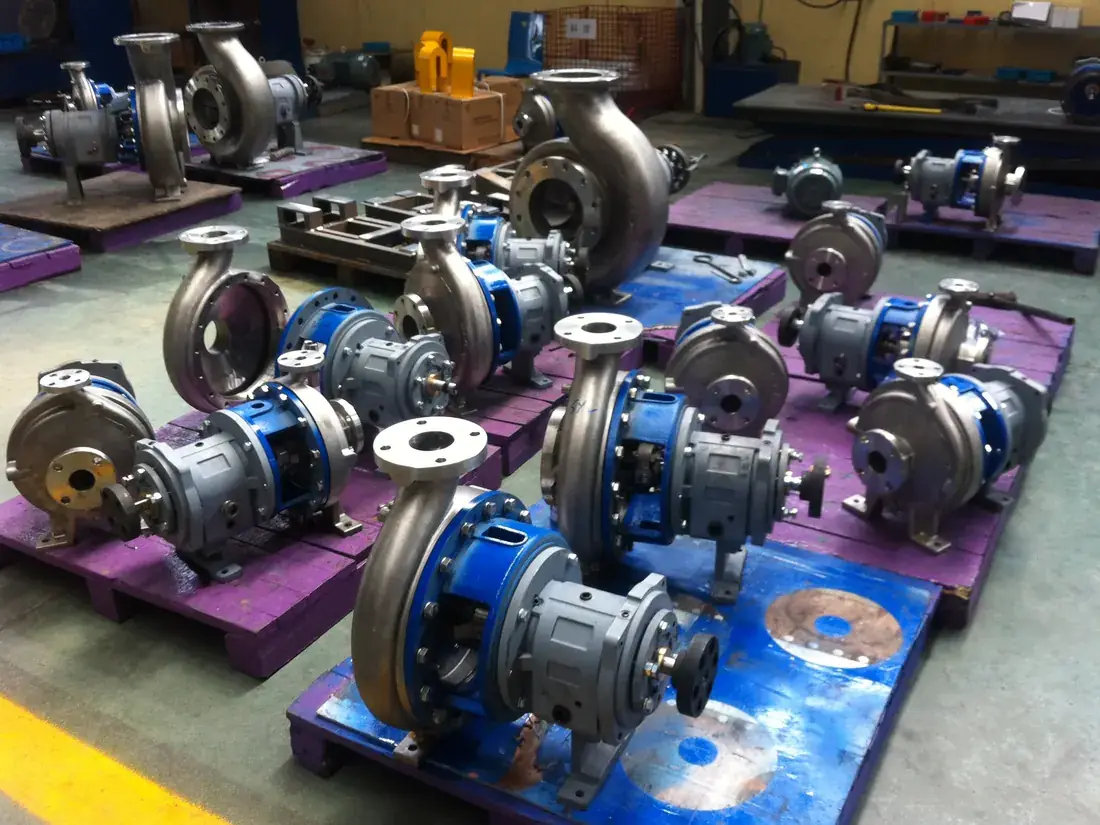
Partly assembled centrifugal pumps lined up on the assembly floor
End-suction water pump built to ANSI/ASME B73.1 with a full open impeller and ANSI B16.5 flanges
View specifications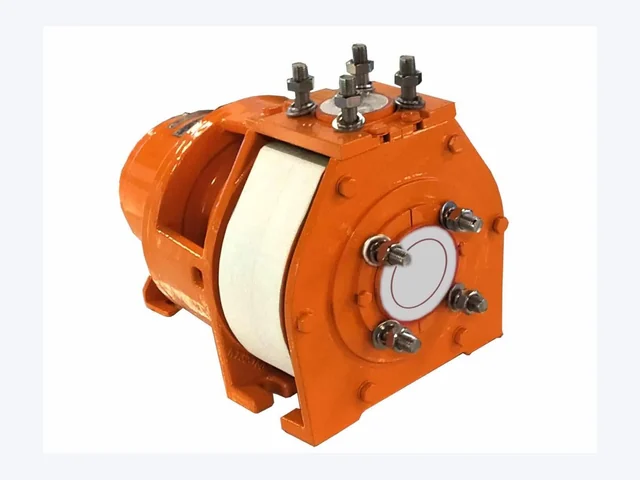
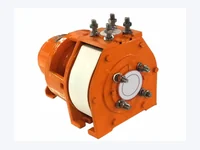
Horizontal single-stage pump in PP, PE and UHMW-PE for water that attacks metal wetted parts
View specifications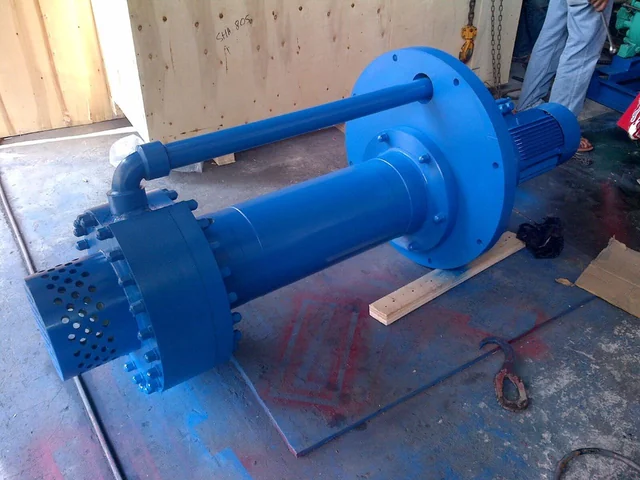
Vertical single-stage sump pump in polypropylene for wet-pit installation with solids to 20 percent
View specifications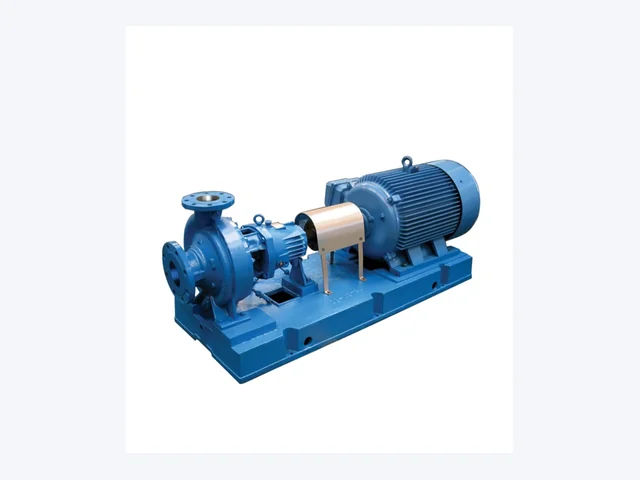
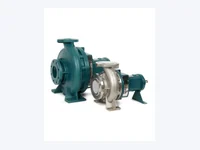
Process-duty water pump from DN 25 to DN 400 with flow to 600 m³/h for water and waste water
View specifications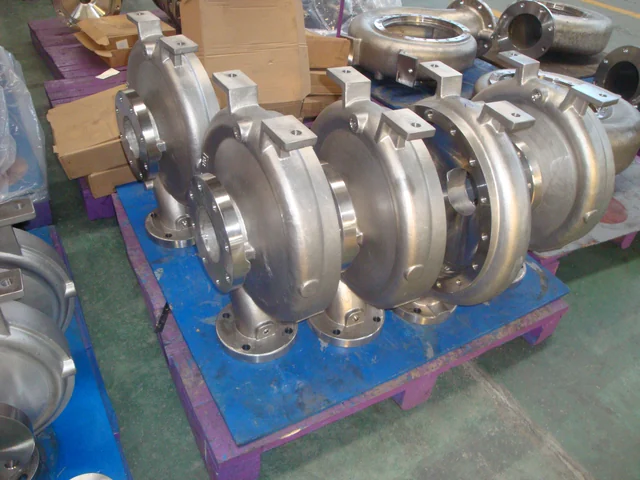
Cast iron through to UHMW-PE. How the Flowsteer range maps onto water that ranges from clean to chemically hostile.
Read more
Mechanical seals, gland packing, labyrinth and lip ring sealing, and where each belongs across the Flowsteer range.
Read moreEfficiency on one side, solids passage and adjustability on the other. The choice is decided by the water, not the pump.
Read moreGrey iron through to UHMW-PE. What each wetted material is for, and the failure it is chosen to prevent.
Read moreA wet-installed pump removes the suction problem and replaces it with a set of geometry problems. All of them are solved before the pump is ordered.
Read moreA full open impeller, as used on the ANSI CN series, for rag and fibre. A semi-open impeller, available on the KCP series, where solids are present but efficiency still matters.
The KCP series is published to approximately 10 percent and the VNP vertical pump to approximately 20 percent. The ANSI CN uses a full open impeller for solids-bearing water but does not publish a percentage, so confirm the loading with us.
Polymer. PP, PE and UHMW-PE on the KCP series are not attacked by the chemistry that pits iron and stainless. Send the dosing regime and temperature and we will specify the polymer.
Yes. The VNP vertical pump is made to the sump depth. Measure from the mounting plate face to the lowest working liquid level and send that with the enquiry.
Send the duty point, the supply frequency and what the liquid is. We will name the series, the size and the published specification.