CI Series
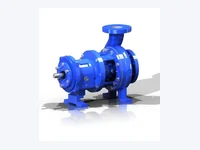
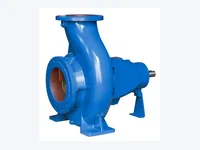
ISO CI Series Water Centrifugal Pump
ISO 2858 and ISO 5199 back-pull-out end-suction pump, fully interchangeable with other ISO brands
View specifications
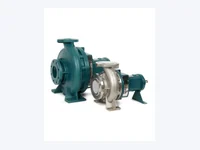
EN733 / DIN24255
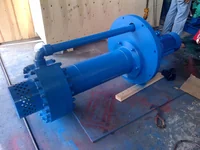
Vertical Wet-Pit
General Purpose
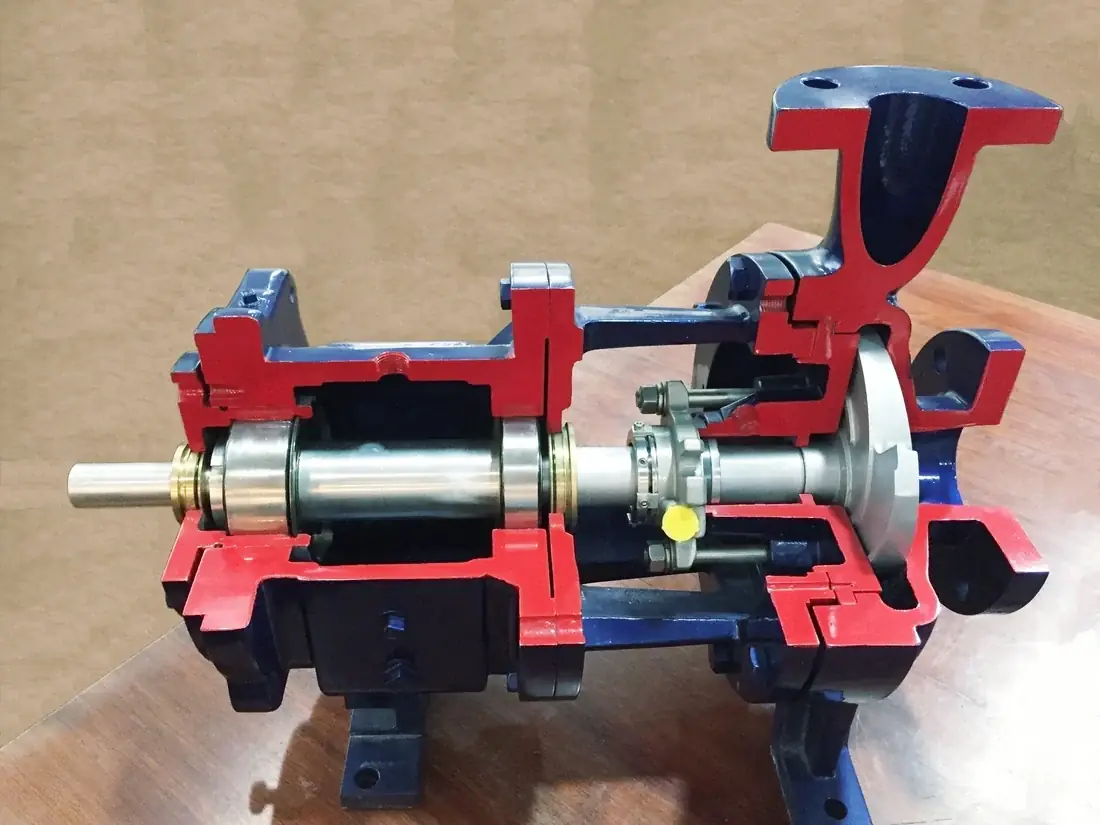
The single construction feature that decides whether a seal change takes two hours or two days.
Back pull-out is not a brand feature. It is a construction principle written into ANSI/ASME B73.1, ISO 2858 and BS EN733, and it exists for one reason: so the pump can be serviced without disturbing the pipework.
Four of the five Flowsteer series state back pull-out construction explicitly, and the fifth is built to a standard that requires it.
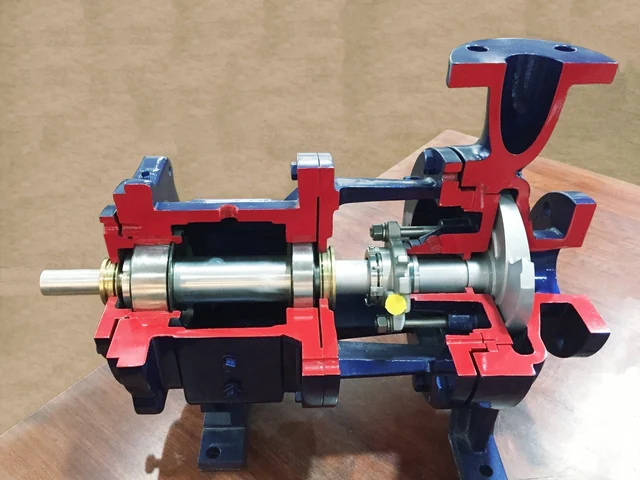
On a pump without back pull-out, servicing the wet end means taking the pump off the pipework. Two flanges are broken, gaskets are replaced, the pipe run is supported, and on reassembly the whole alignment has to be re-established.
Most of the labour in that job is pipework, not pump. The seal itself takes minutes.
The casing is a separate component, bolted between the suction and discharge flanges and never removed. Behind it sits a stuffing box cover, then the bearing frame carrying the shaft.
The bearing frame, shaft, seal and impeller are bolted to the casing as one assembly. Undo those bolts and the assembly withdraws rearwards, leaving the casing in place.
A spacer coupling improves it further: with the spacer removed there is room to withdraw the assembly without moving the motor.
The pipework stays bolted, gasketed and aligned throughout.
The seal, impeller, shaft sleeve and bearings are serviced on a bench rather than over a pit.
Pump-to-pipe alignment cannot drift because nothing moved. Only the coupling alignment needs re-checking.
Plant rooms need clearance behind the pump equal to roughly the shaft and bearing housing length — worth designing in from the start.
ISO CI — back pull-out end-suction to ISO 2858.
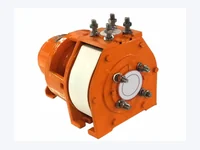
KCP — back pull-out construction with polymer wetted parts.
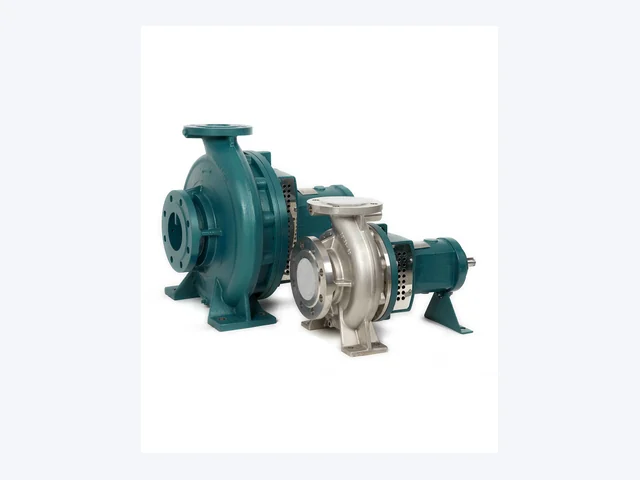
FA — back pull-out within the EN733 layout.
VNP — back pull-out according to ISO 2858, in a vertical arrangement.
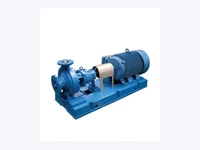
ANSI CN — built to ANSI/ASME B73.1, which is itself a back pull-out standard.
ISO 2858 and ISO 5199 back-pull-out end-suction pump, fully interchangeable with other ISO brands
View specifications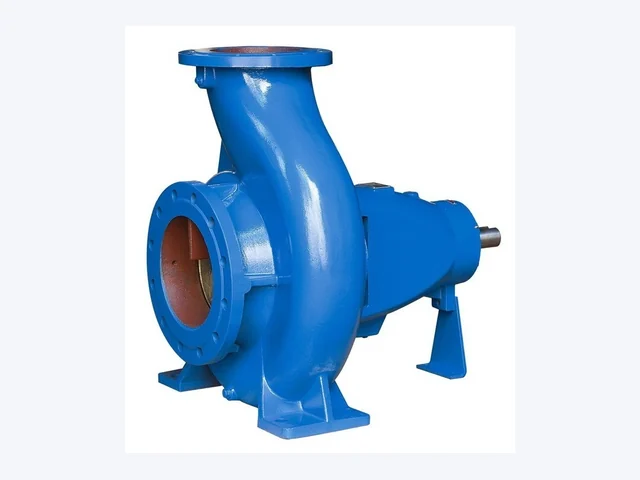
BS EN733 / DIN24255 end-suction pump, 2 to 1100 m³/h and head to 152 m, for building services fire and irrigation
View specifications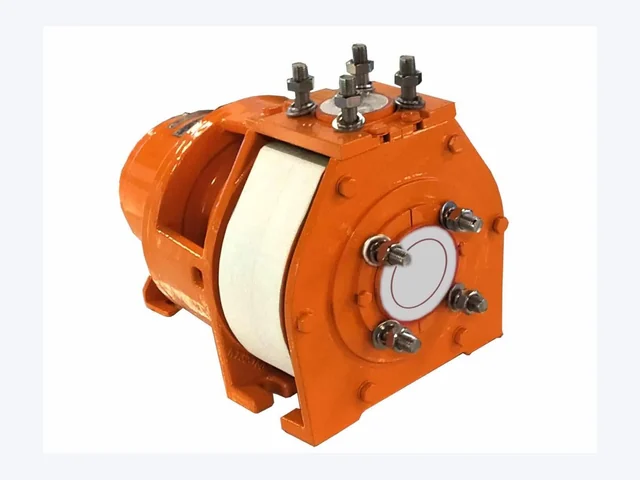
Horizontal single-stage pump in PP, PE and UHMW-PE for water that attacks metal wetted parts
View specifications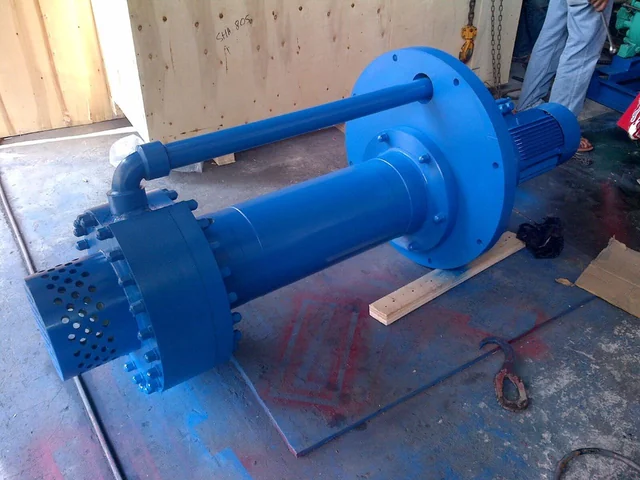
Vertical single-stage sump pump in polypropylene for wet-pit installation with solids to 20 percent
View specifications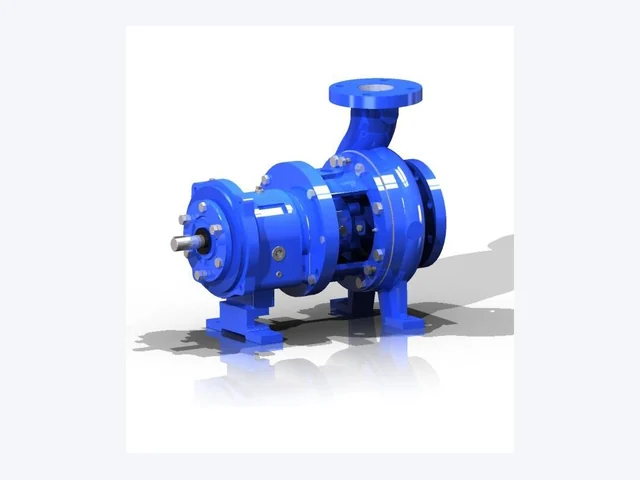
B73.1 is a dimensional standard, not a performance standard. Knowing the difference is what makes a replacement pump drop straight onto an existing baseplate.
Read moreOne needs no attention and cannot be adjusted. The other needs attention and can be. The installation decides which is right.
Read more
A short list of the things that actually decide how long a water pump lasts, drawn from how these pumps are built rather than from general advice.
Read moreRoughly the length of the shaft and bearing housing, so the rotating assembly clears the casing fully. Allow for it when laying out the plant room.
The pump-to-pipe relationship is untouched, so that alignment holds. The coupling alignment between pump and motor should still be checked before the guard is refitted.
Yes. The Flowsteer VNP vertical sump pump uses back pull-out construction according to ISO 2858.
It removes a step. With a spacer coupling the motor stays bolted down and only the spacer element is removed.
Send the pump details and the duty point and we will tell you what this means for your installation rather than in general.