FA Series
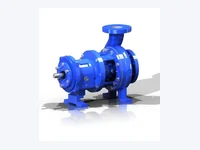
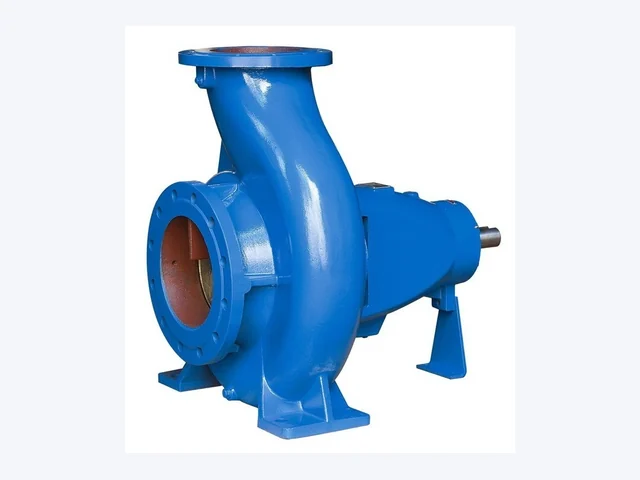
FA Series EN733 Horizontal Centrifugal Pump
BS EN733 / DIN24255 end-suction pump, 2 to 1100 m³/h and head to 152 m, for building services fire and irrigation
View specifications
EN733 / DIN24255
Vertical Wet-Pit
General Purpose
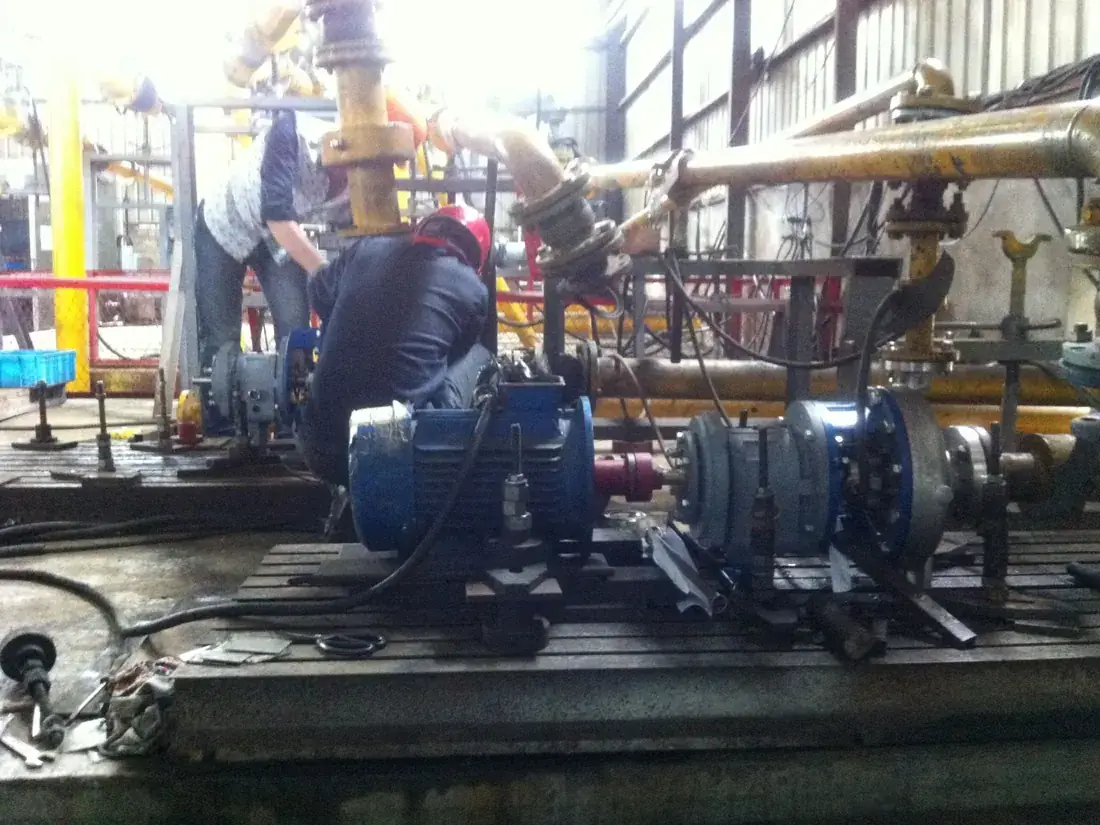
Commissioning is where the numbers that matter for the next ten years get recorded. Skip it and every later diagnosis starts from guesswork.
A pump that starts and runs is not a commissioned pump. Commissioning means establishing that it runs at the intended duty, within its mechanical limits, and recording the baseline that future maintenance will be measured against.
This checklist follows installation and precedes handover.
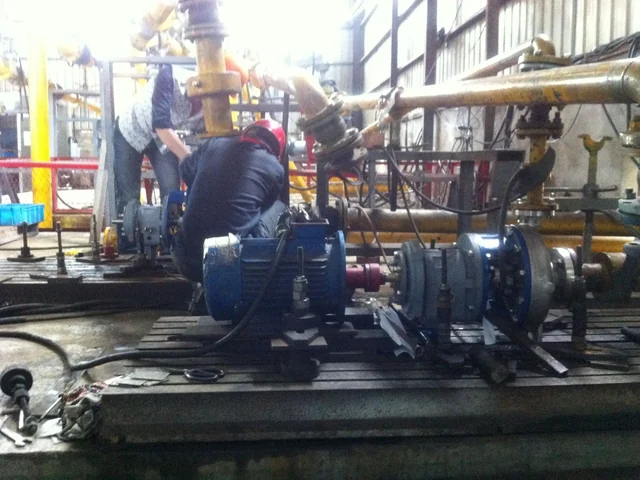
Confirm alignment has been checked after grouting and after pipework connection, and that the figures are recorded.
Confirm the pipework is independently supported and that no flange was drawn up to close a gap.
Confirm the coupling guard is fitted and secure.
Confirm the direction of rotation was checked with the coupling disconnected.
Confirm bearing lubrication: grease on the KCP and VNP series, and oil level where an oil-lubricated frame is fitted.
On open impeller pumps, confirm and record the impeller clearance.
Fill the casing and suction line completely and vent all high points. A centrifugal pump does not self-prime and will not survive dry running.
On a lined pump this matters more, not less. Polymer wetted parts have no liquid to carry heat away and will distort long before a metal casing would.
Open the suction valve fully and leave it fully open.
Start against a partially closed discharge valve where the commissioning procedure requires it, then open it to the duty condition promptly. Do not leave a pump running against a closed discharge.
Listen. Cavitation has a characteristic gravel sound and should be identified in the first minutes, not the first year.
Watch the discharge pressure. Unstable pressure at steady speed usually means air or cavitation.
Flow and discharge pressure at the duty condition.
Motor current at the duty condition.
Bearing temperatures once thermally stable.
Vibration readings at the bearing housings.
Seal condition: a mechanical seal should show no visible leakage; gland packing should show a controlled drip.
Impeller clearance on open impeller pumps.
Re-check the coupling alignment once the unit has reached operating temperature. Thermal growth changes alignment on hot duties.
Re-check bearing temperatures and vibration against the baseline.
Adjust gland packing if fitted, to a controlled drip rather than to dryness.
Confirm no pipework has moved or begun to bear on the pump.
Hand over the recorded baseline figures with the pump documentation. They are what makes future troubleshooting possible.
Confirm the lubrication interval and the person responsible for it.
Confirm spares: seal, bearings and shaft sleeve at minimum, and gaskets for the casing joint.
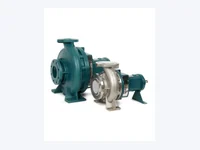
BS EN733 / DIN24255 end-suction pump, 2 to 1100 m³/h and head to 152 m, for building services fire and irrigation
View specifications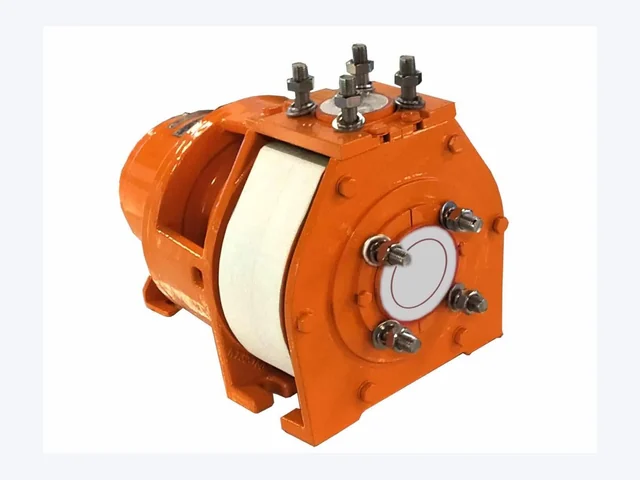
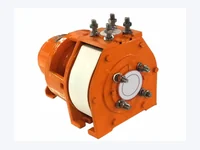
Horizontal single-stage pump in PP, PE and UHMW-PE for water that attacks metal wetted parts
View specifications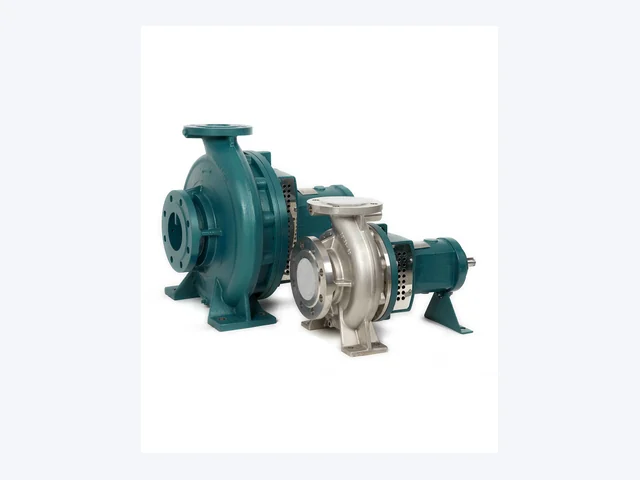
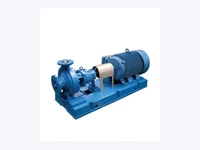
ISO 2858 and ISO 5199 back-pull-out end-suction pump, fully interchangeable with other ISO brands
View specifications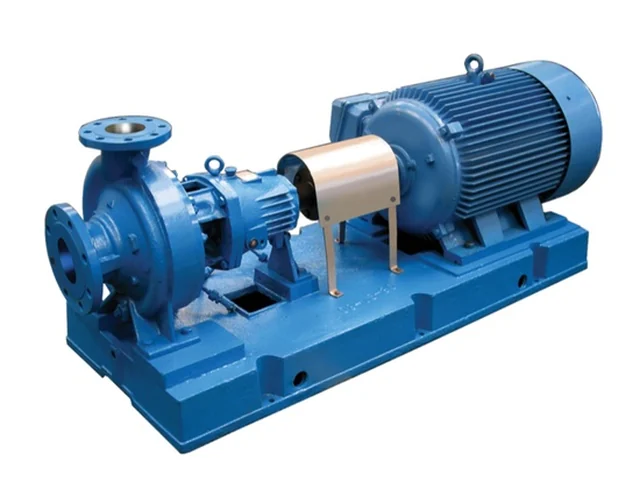
Most premature pump failures are installation failures. Foundation, pipework and alignment decide more about pump life than the pump does.
Read more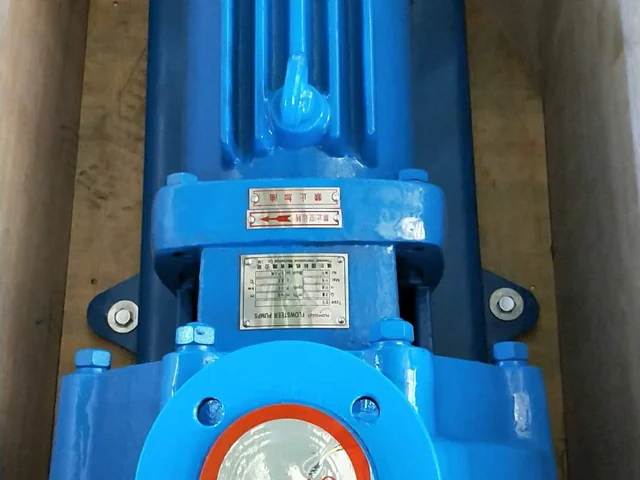
A short list of the things that actually decide how long a water pump lasts, drawn from how these pumps are built rather than from general advice.
Read more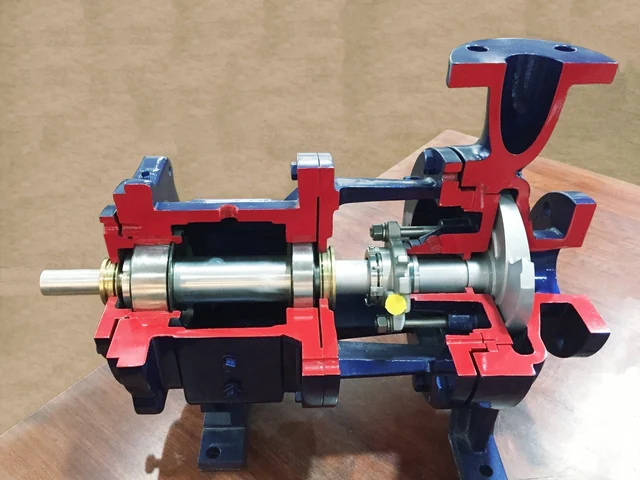
Cavitation is not a pump defect. It is a suction system defect that destroys the pump, and it is almost always designed in rather than developed.
Read moreOnly very briefly. With no flow, all the input power turns into heat in the casing. Minutes matter, not hours.
Because it is the cheapest long-term diagnostic available. A current that drifts up over months usually means the pump is running further right on its curve or the mechanical condition is deteriorating.
On duties with significant temperature change, yes. Thermal growth alters the relationship between pump and motor shafts, so the alignment should be re-checked hot.
Venting and priming. Dry running destroys seals in seconds, and on a polymer-lined pump it distorts the wetted parts.
Send the pump details and the duty point and we will tell you what this means for your installation rather than in general.