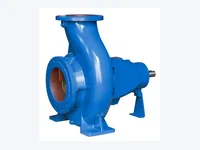
FA Series
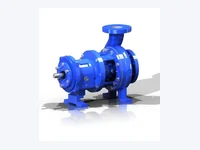
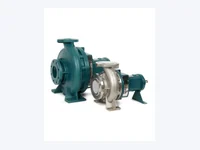
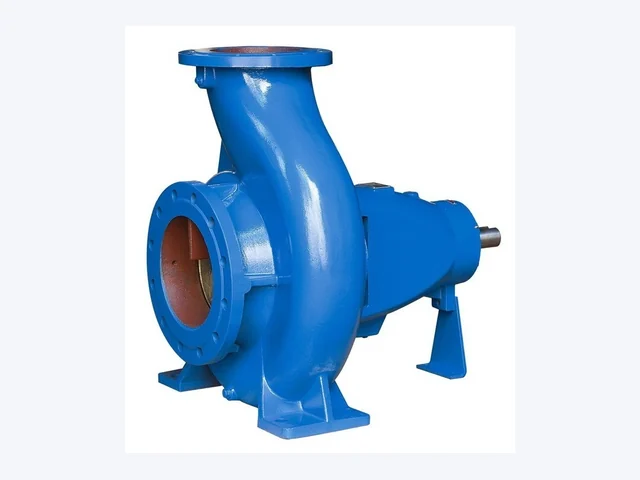
FA Series EN733 Horizontal Centrifugal Pump
BS EN733 / DIN24255 end-suction pump, 2 to 1100 m³/h and head to 152 m, for building services fire and irrigation
View specifications
EN733 / DIN24255
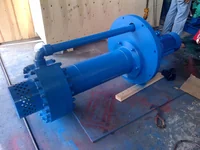
Vertical Wet-Pit
General Purpose
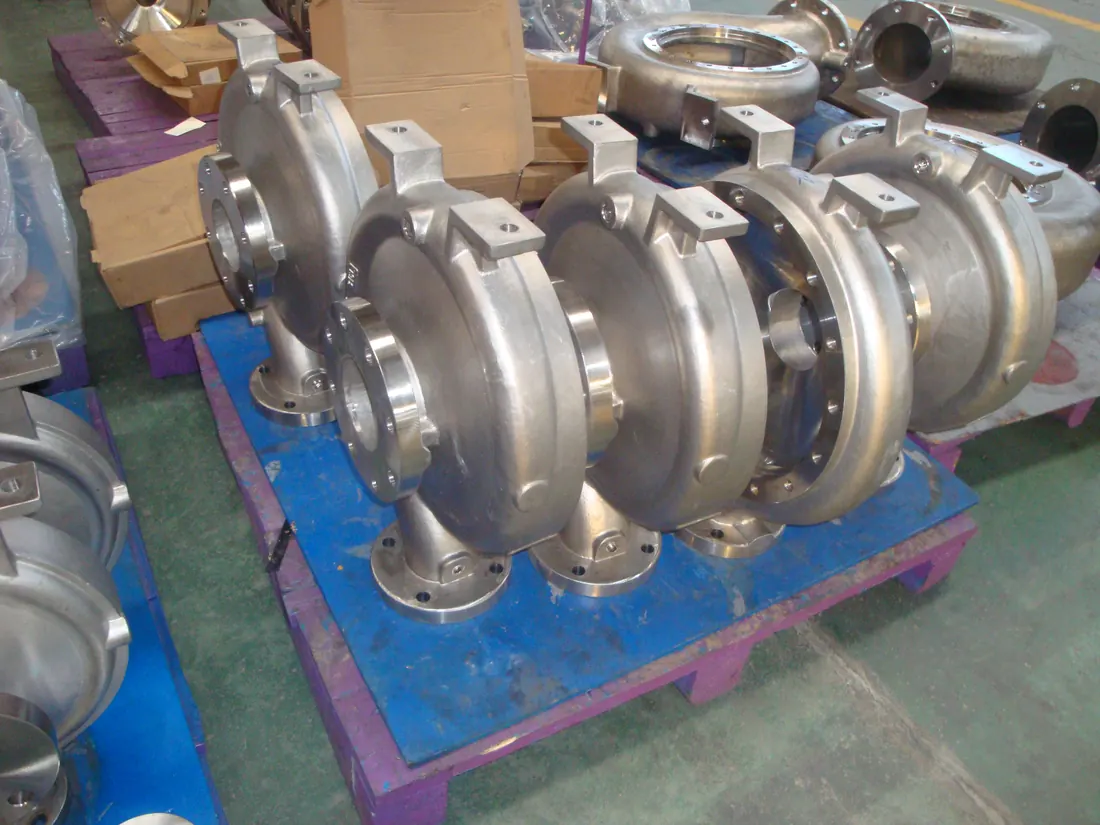
Grey iron through to UHMW-PE. What each wetted material is for, and the failure it is chosen to prevent.
The Flowsteer range publishes nine wetted materials across five series. That breadth is not marketing — it is a consequence of water duties ranging from potable supply to dosed effluent to grit-bearing sump drainage.
This guide sets out what each material is actually for.
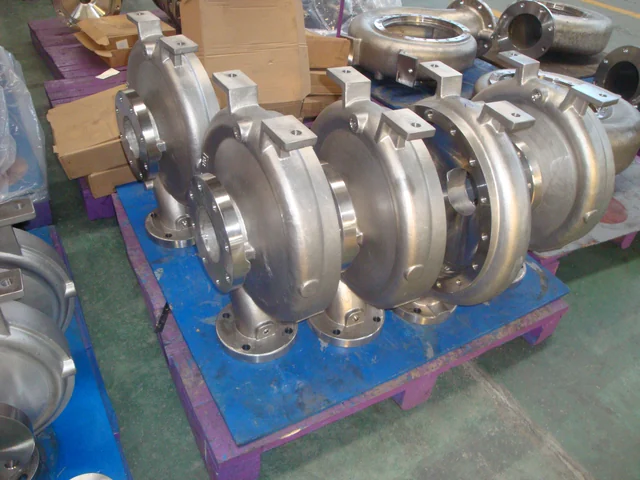
The default casing material across the range, and the right one for clean, screened and treated water at ambient temperature.
It is cheap, castable in complex shapes, and dimensionally stable. It corrodes steadily in aggressive water and it is brittle under shock loading.
Used as the standard casing on the ANSI CN, ISO CI and FA series.
Grey iron with the graphite in spheroidal rather than flake form, which makes it far tougher.
Chosen where the casing has to carry higher pressure or heavier pipe loads than grey iron allows. Available on the ANSI CN and FA series.
Corrosion resistance is broadly similar to grey iron; the gain is mechanical.
Specified where a steel casing is required for mechanical strength, or where the casing may need to be welded in the field.
Available on the ANSI CN series. It corrodes more readily than cast iron in water and is usually chosen for a structural reason rather than a chemical one.
The standard impeller material on the FA series, not an option. Bronze resists both erosion and the corrosion of raw and potable water far better than cast iron.
It matters most where the pump stands still in water between duties — fire pumps in particular — and where the water carries grit.
SS304 covers treated effluent, softened water and mildly aggressive process water. It is available on the ANSI CN and ISO CI series.
SS316 adds molybdenum, which transforms its resistance to chloride pitting. Specify it for brackish water, heavily chlorinated water and chemically dosed streams. Available on the ISO CI series.
The FA series also offers ASTM 304 and ASTM 316 shafts alongside its standard ASTM 420.
Polymers are chosen when the chemistry attacks both iron and stainless. The KCP series publishes PP, PE and UHMW-PE; the VNP vertical pump publishes PP.
PP is the general-purpose choice for dosed water. PE widens chemical coverage on cold duties. UHMW-PE adds wear resistance where the stream is abrasive as well as corrosive.
The trade-off is temperature: both the KCP and VNP publish an operating limit of 80 °C. Polymers lose strength well before they visibly deform, so this limit is not a soft one.
The FA series publishes four: ASTM 420 as standard, with ASTM 304, ASTM 316 and ASTM 1045 available.
ASTM 420 is a hardenable martensitic stainless — strong, and adequate for most water duties. ASTM 304 and 316 are chosen when the pumped liquid reaches the shaft at the seal. ASTM 1045 is a carbon steel option for clean duties.
BS EN733 / DIN24255 end-suction pump, 2 to 1100 m³/h and head to 152 m, for building services fire and irrigation
View specifications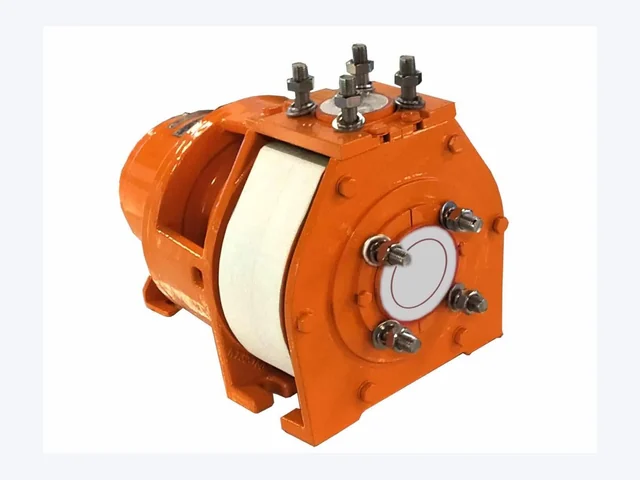
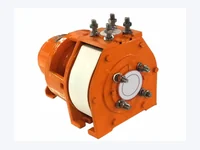
Horizontal single-stage pump in PP, PE and UHMW-PE for water that attacks metal wetted parts
View specifications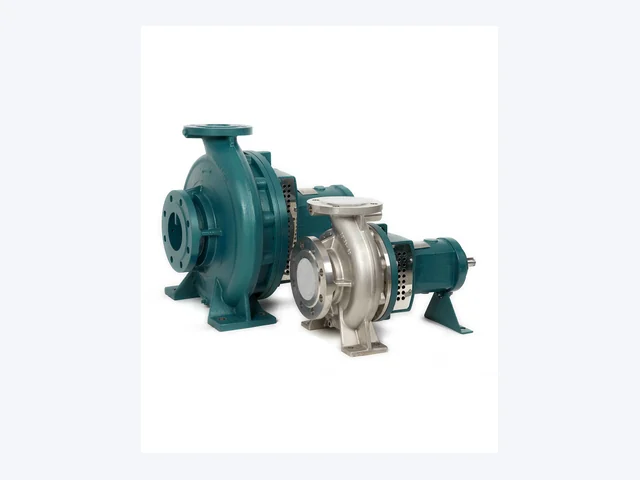
ISO 2858 and ISO 5199 back-pull-out end-suction pump, fully interchangeable with other ISO brands
View specifications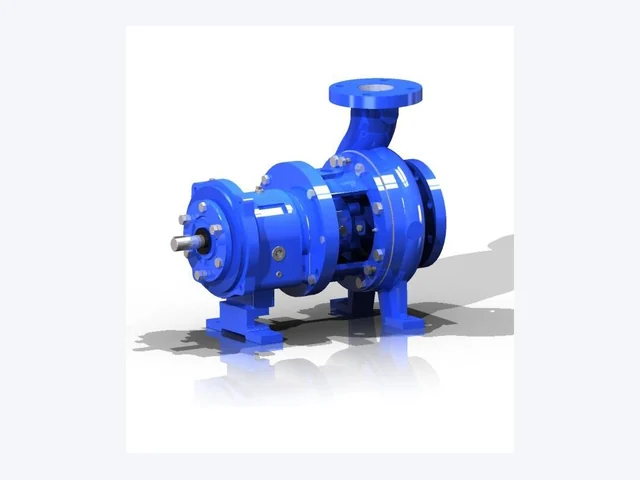
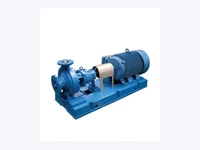
End-suction water pump built to ANSI/ASME B73.1 with a full open impeller and ANSI B16.5 flanges
View specifications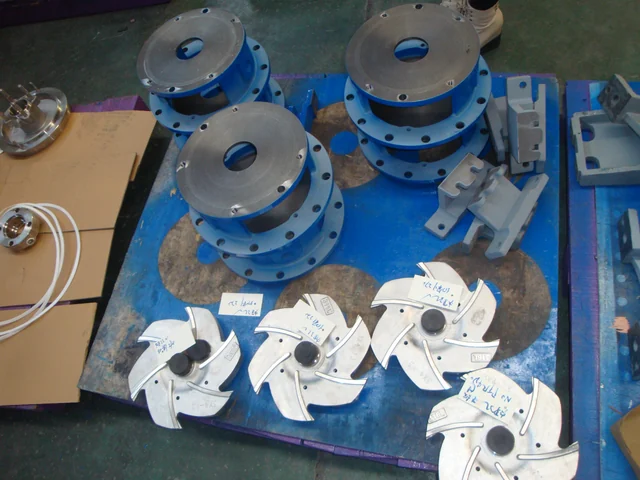
Efficiency on one side, solids passage and adjustability on the other. The choice is decided by the water, not the pump.
Read more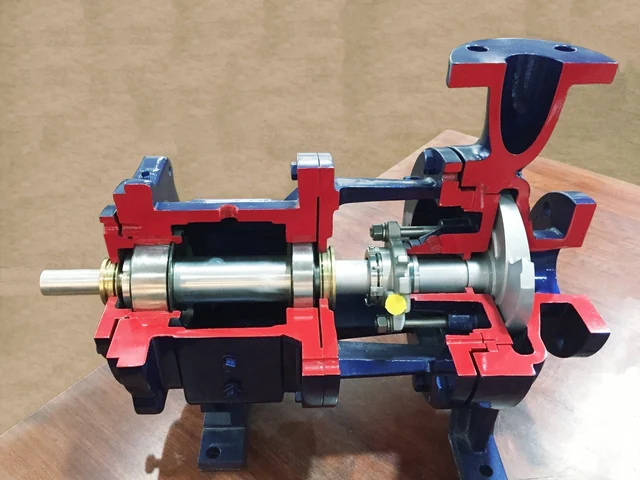
One needs no attention and cannot be adjusted. The other needs attention and can be. The installation decides which is right.
Read moreCavitation is not a pump defect. It is a suction system defect that destroys the pump, and it is almost always designed in rather than developed.
Read moreBy chloride content. SS316 contains molybdenum and resists chloride pitting where SS304 will not. Brackish, heavily chlorinated or chemically dosed water calls for 316.
When the water analysis shows the chemistry will attack both iron and stainless. At that point the KCP series in PP, PE or UHMW-PE is the right answer, within its 80 °C temperature limit.
Because the FA is aimed at raw and potable water, where bronze resists erosion and corrosion far better than cast iron. On series aimed at other duties the standard material differs.
The KCP and VNP series both publish an operating temperature up to 80 °C. Above that, a metal pump should be selected.
Send the pump details and the duty point and we will tell you what this means for your installation rather than in general.