CN Series
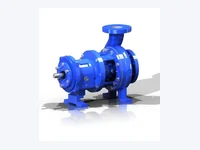
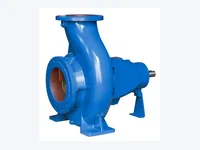
ANSI CN Series Water Centrifugal Pump
End-suction water pump built to ANSI/ASME B73.1 with a full open impeller and ANSI B16.5 flanges
View specifications
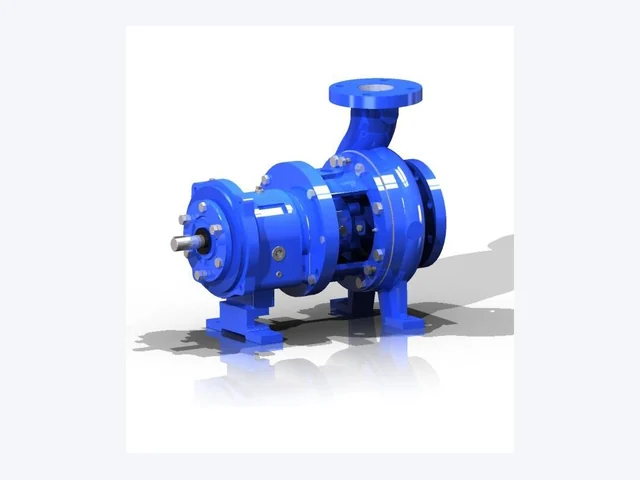
EN733 / DIN24255
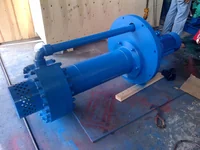
Vertical Wet-Pit
General Purpose
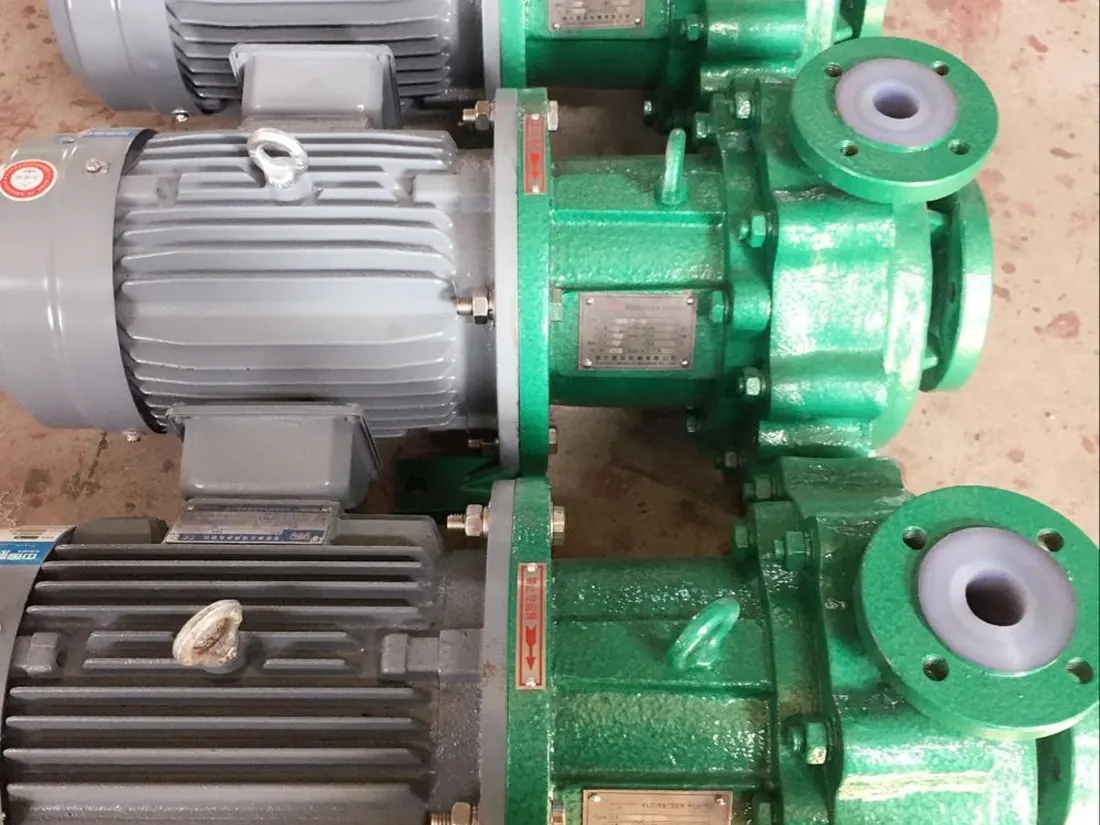
A short list of the things that actually decide how long a water pump lasts, drawn from how these pumps are built rather than from general advice.
Most water pumps fail for one of four reasons: they ran dry, they ran far from their duty point, the bearings were not lubricated, or the seal was mistreated.
None of those are manufacturing faults, and all of them are avoidable.
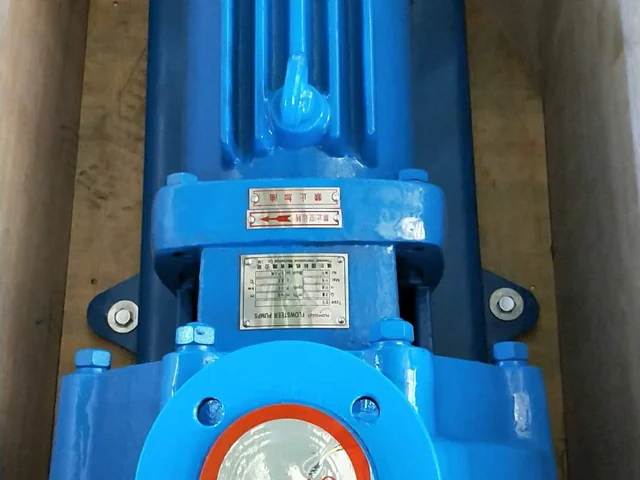
The pumped liquid lubricates the seal faces and carries away heat. Without it a mechanical seal is destroyed in seconds.
On a lined pump the consequences are worse. PP, PE and UHMW-PE rely entirely on the liquid for cooling and will distort well below the temperature that would trouble a metal casing.
On a vertical sump pump, do not let the level fall below the column. Fit level protection rather than relying on an operator watching a pit.
A pump running far from its best efficiency point carries uneven radial load. The shaft deflects, the seal faces stop running parallel, and the bearings take a load they were not sized for.
If the duty has changed, change the pump or trim the impeller — do not simply throttle further and accept the noise.
Throttle on the discharge only. Throttling the suction lowers NPSH available and invites cavitation.
The KCP and VNP series use grease-lubricated bearings. On the VNP those bearings sit above the liquid specifically so they can be greased without lifting the pump — which makes skipping it harder to excuse.
Over-greasing is as damaging as under-greasing; it churns, heats and eventually pushes grease past the seals.
Record greasing against the interval given with the pump.
A mechanical seal needs nothing. If it leaks, it is failing and needs replacing, not adjusting.
Gland packing needs a controlled drip. Tightening the gland until the drip stops overheats the packing and scores the shaft sleeve. That is the most common single error on packed pumps.
Repack rather than continuing to tighten once the gland follower has run out of adjustment.
On the ANSI CN series the full open impeller runs against the casing with a set clearance. As it wears, that clearance opens and head falls away.
Resetting the clearance externally restores head without opening the pump. It is the cheapest performance recovery available on that design.
This only works if the commissioning clearance was recorded. If it was not, record the one you set now.
Motor current, bearing temperature and vibration. Compare them against the commissioning baseline rather than against a general rule.
A steady drift in any of the three is more informative than a single reading, however good the reading looks.
Discharge pressure fluctuating at steady speed points to air or cavitation, not to the pump.
Four of the five Flowsteer series are back pull-out. Keep clear space behind the bearing frame so that advantage is available when it is needed.
Hold a seal, a set of bearings and a shaft sleeve as spares. Those are the parts that fail; casings rarely are.
End-suction water pump built to ANSI/ASME B73.1 with a full open impeller and ANSI B16.5 flanges
View specifications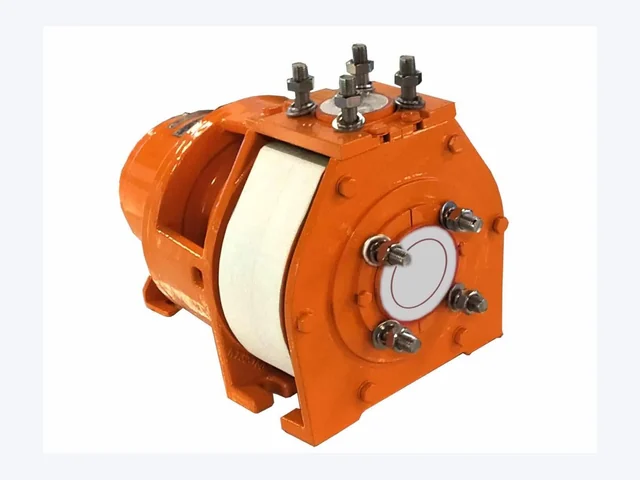
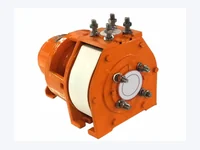
Horizontal single-stage pump in PP, PE and UHMW-PE for water that attacks metal wetted parts
View specifications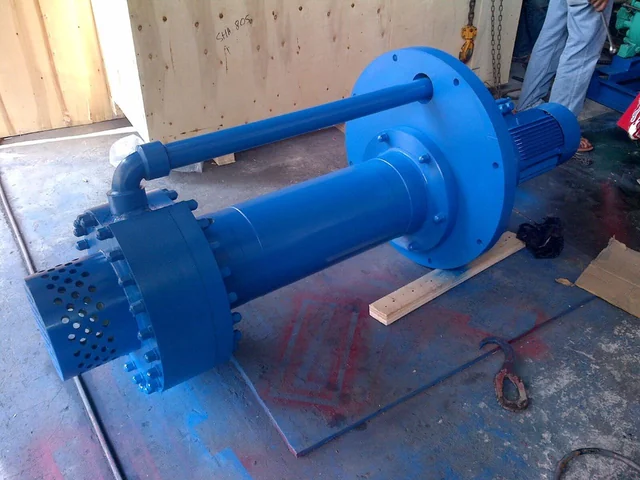
Vertical single-stage sump pump in polypropylene for wet-pit installation with solids to 20 percent
View specifications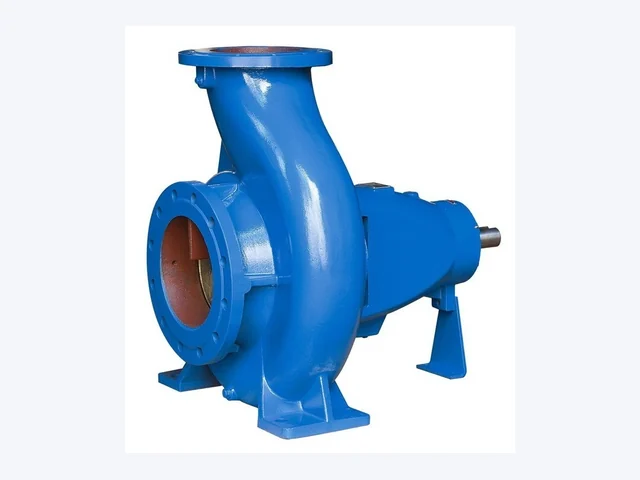
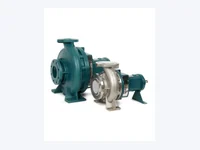
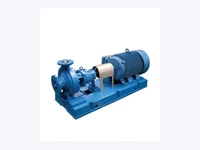
BS EN733 / DIN24255 end-suction pump, 2 to 1100 m³/h and head to 152 m, for building services fire and irrigation
View specifications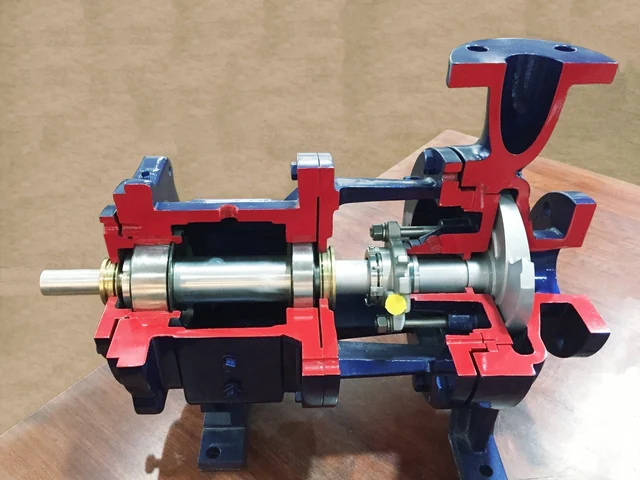
One needs no attention and cannot be adjusted. The other needs attention and can be. The installation decides which is right.
Read more
Efficiency on one side, solids passage and adjustability on the other. The choice is decided by the water, not the pump.
Read more
Commissioning is where the numbers that matter for the next ten years get recorded. Skip it and every later diagnosis starts from guesswork.
Read moreIt depends on the duty, but a seal on clean water running near its best efficiency point should not be a routine annual replacement. Frequent seal failure usually points to dry running, misalignment, pipe strain or running far off the duty point.
You can, and it will destroy the shaft sleeve. Packing must drip to stay cool. Adjust to a controlled drip, then repack when adjustment runs out.
When delivered head falls without a process change. That is why the commissioning clearance is worth recording — it gives you something to compare against.
A mechanical seal or packing set, bearings, a shaft sleeve and casing gaskets. Those cover the parts that actually wear.
Send the pump details and the duty point and we will tell you what this means for your installation rather than in general.