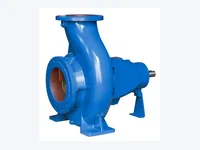
CN Series
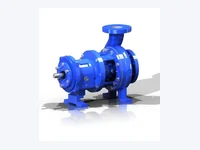
ANSI CN Series Water Centrifugal Pump
End-suction water pump built to ANSI/ASME B73.1 with a full open impeller and ANSI B16.5 flanges
View specifications
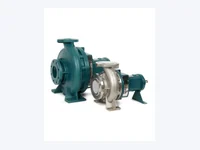
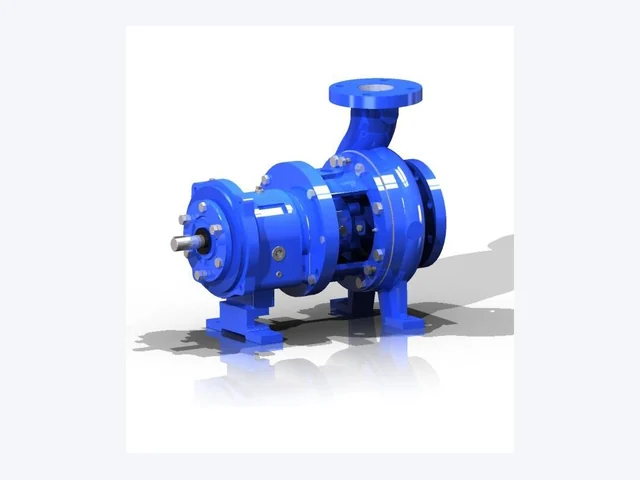
EN733 / DIN24255
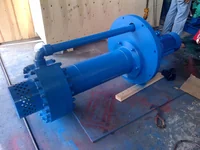
Vertical Wet-Pit
General Purpose
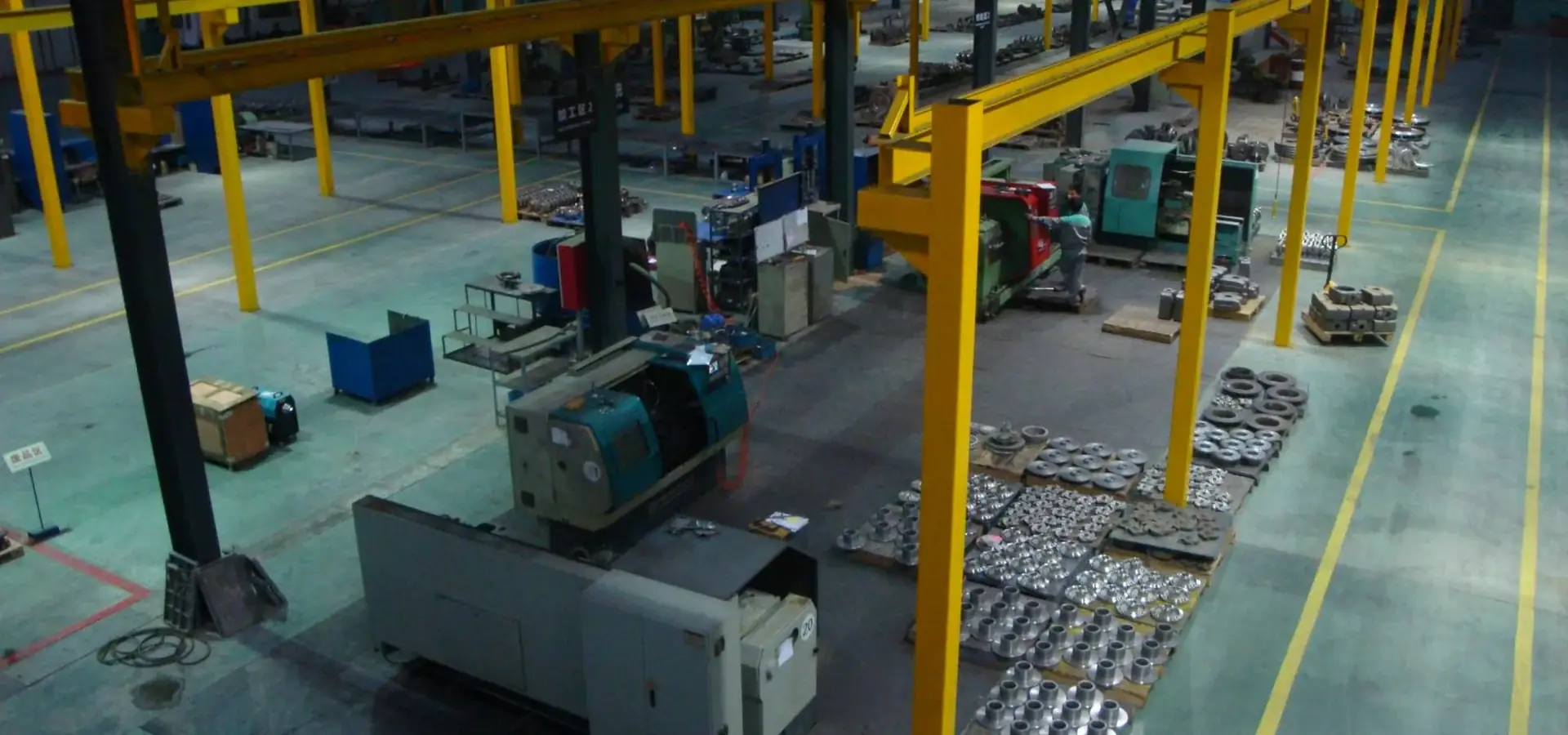
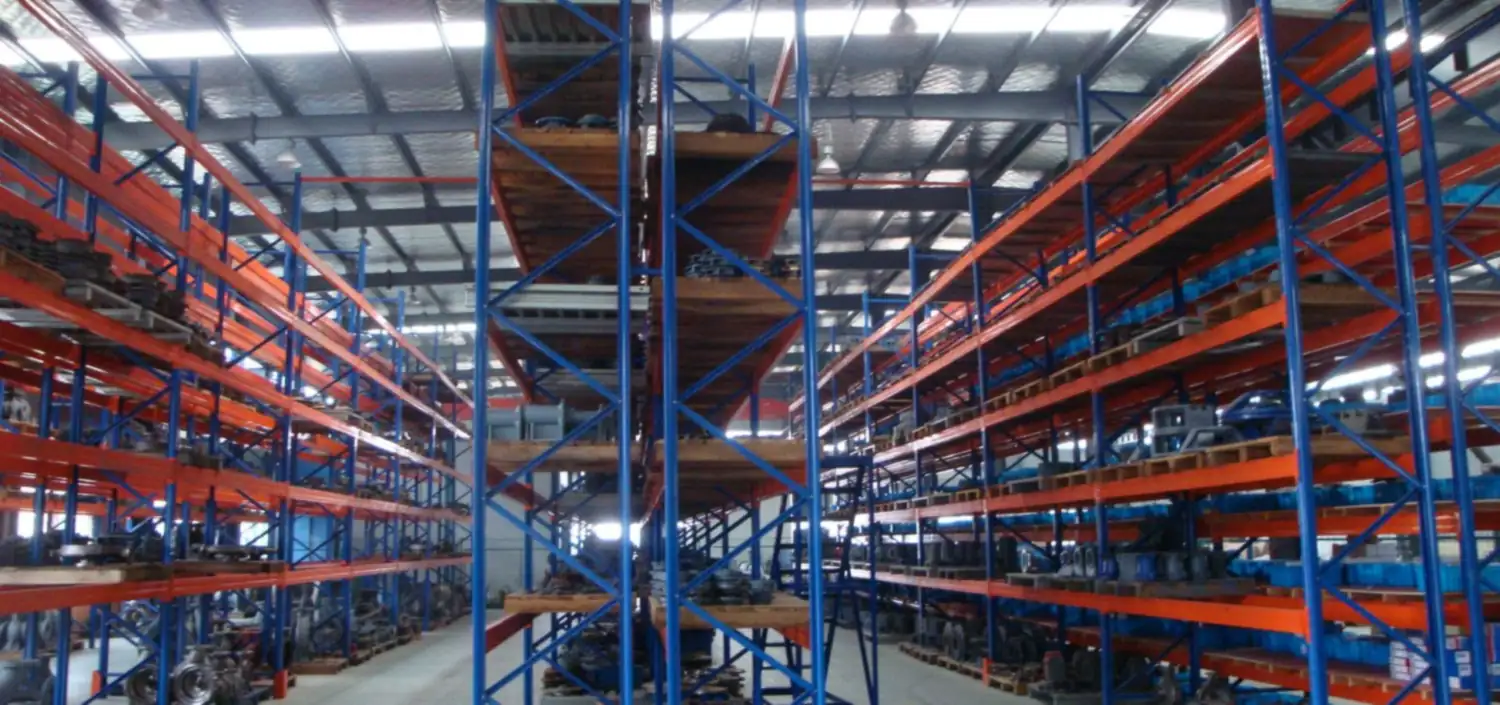
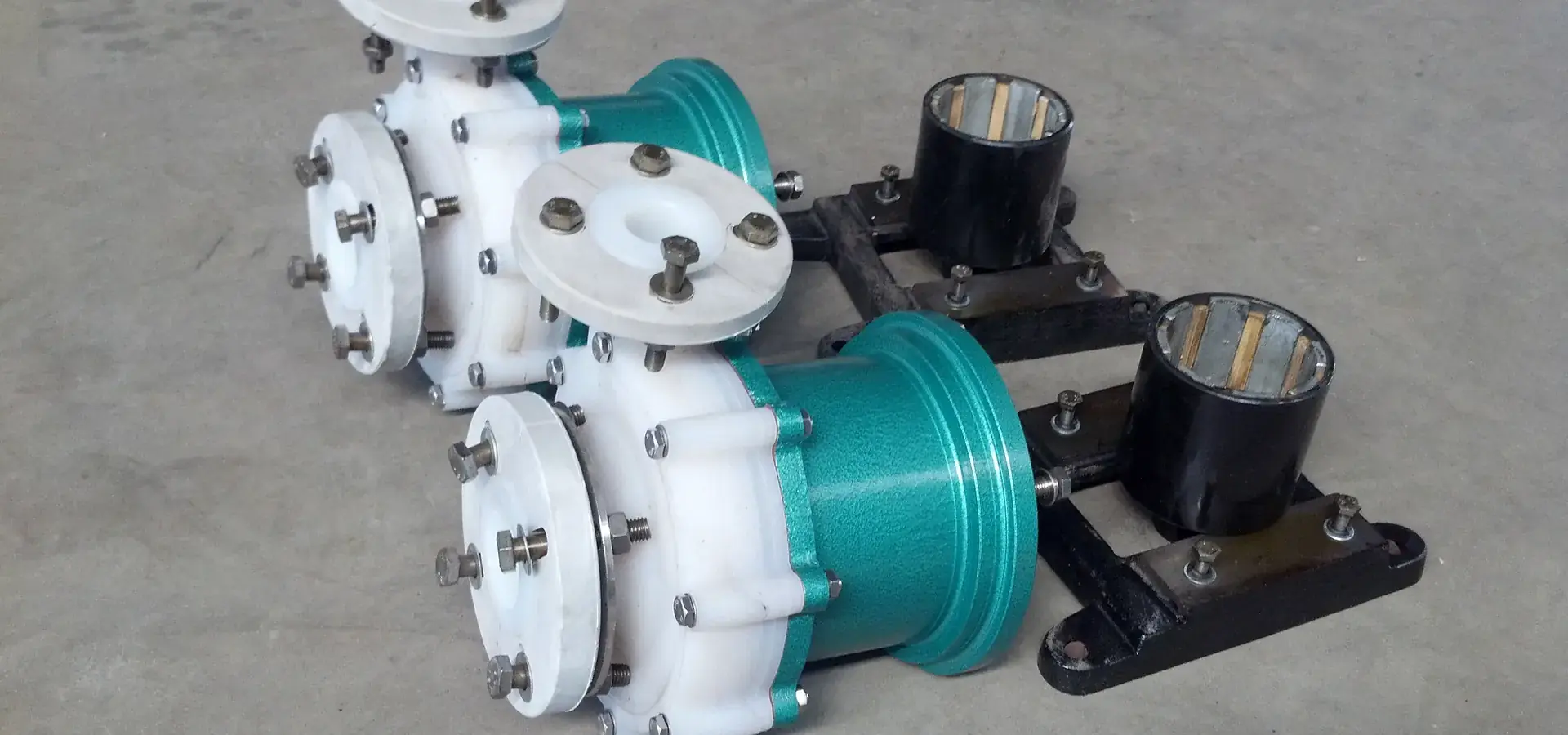
ANSI/ASME B73.1, ISO 2858, ISO 5199 and BS EN733 pumps from one manufacturer, so standardising your pump population does not mean changing supplier.
Water centrifugal pumps, in five horizontal series and one vertical series, covering clean water through to dosed effluent and grit-bearing sump drainage.
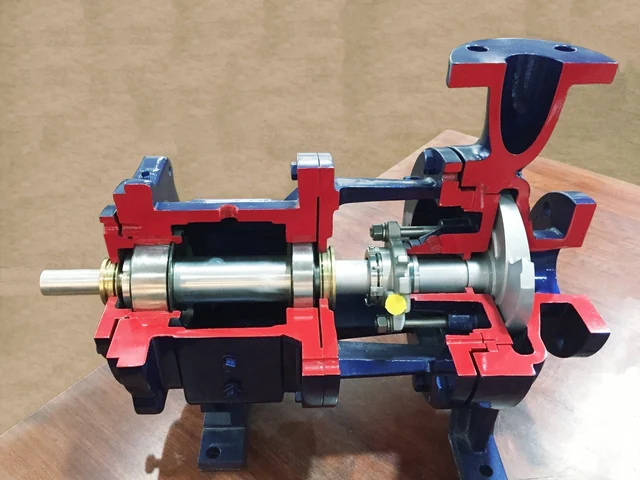
Cutaway demonstration pump showing shaft, bearing housing, mechanical seal and closed impeller
Every series below is built to a published dimensional standard. Specifications are quoted as the catalogue publishes them, and anything unpublished is marked TBC.
End-suction water pump built to ANSI/ASME B73.1 with a full open impeller and ANSI B16.5 flanges
View specifications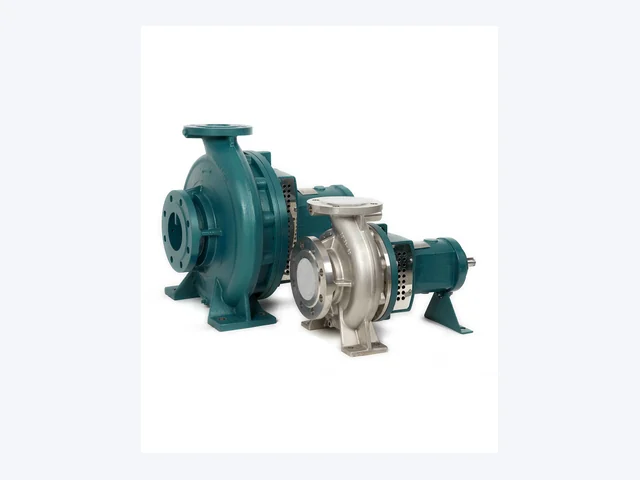
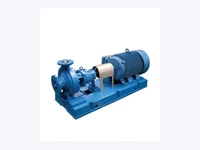
ISO 2858 and ISO 5199 back-pull-out end-suction pump, fully interchangeable with other ISO brands
View specifications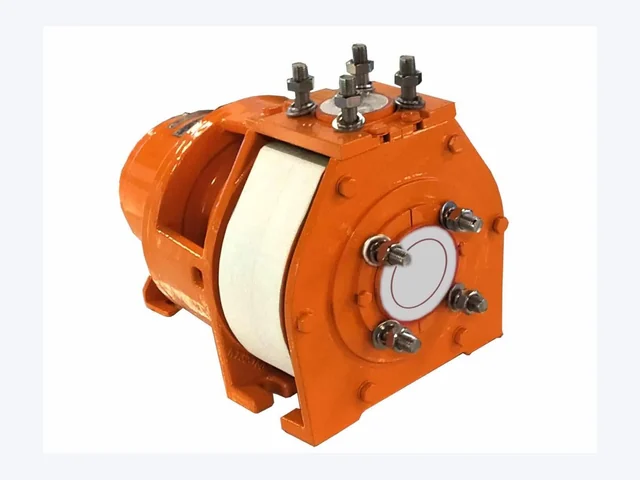
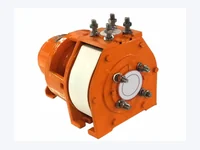
Horizontal single-stage pump in PP, PE and UHMW-PE for water that attacks metal wetted parts
View specifications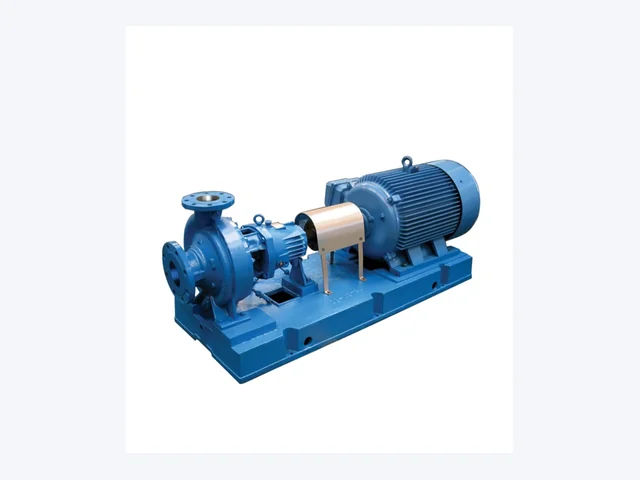
Process-duty water pump from DN 25 to DN 400 with flow to 600 m³/h for water and waste water
View specifications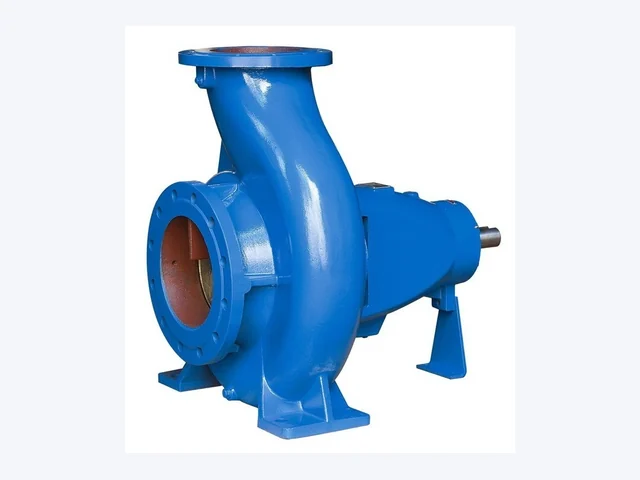
BS EN733 / DIN24255 end-suction pump, 2 to 1100 m³/h and head to 152 m, for building services fire and irrigation
View specifications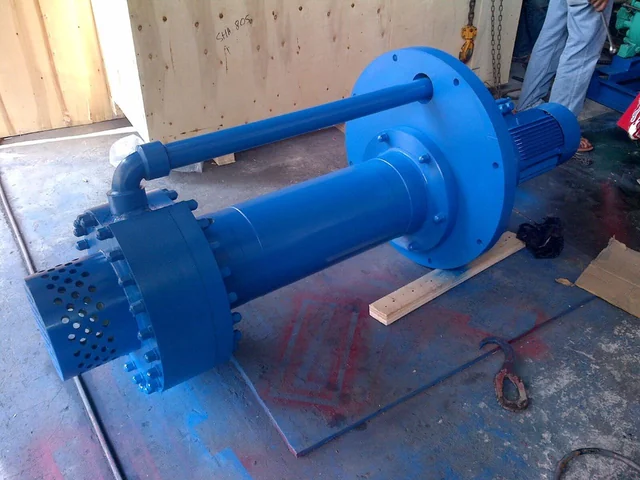
Vertical single-stage sump pump in polypropylene for wet-pit installation with solids to 20 percent
View specifications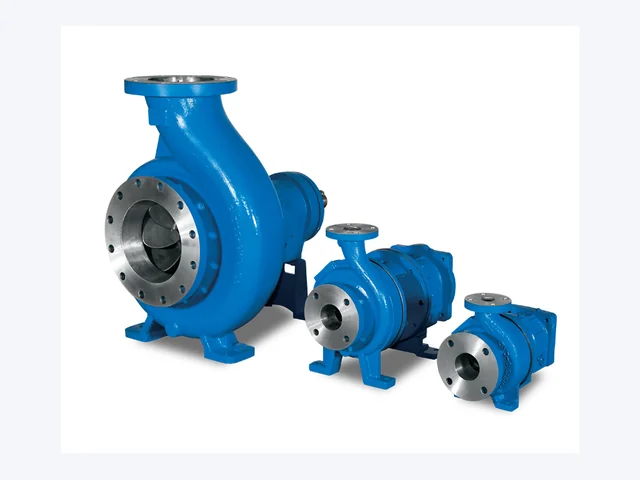
End-suction water pumps built to the American dimensional standard, so the pump you buy interchanges with the pump already bolted to the baseplate.
Explore the rangeMetric end-suction pumps built to ISO 2858 dimensions and the ISO 5199 engineering class, in metal and in polymer.
Explore the range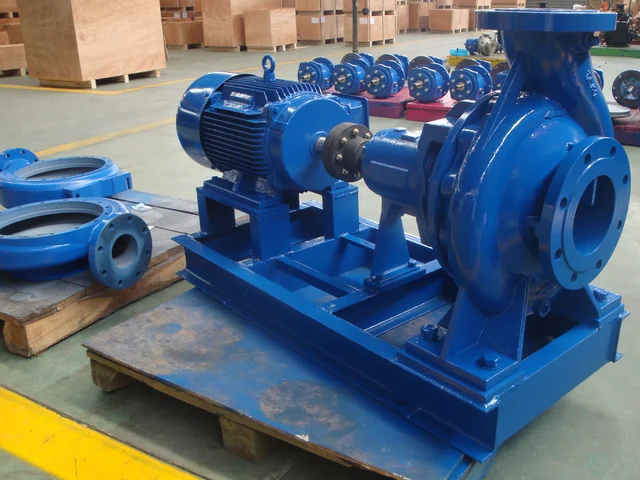
End-suction pumps on the European dimensional standard, for building services, fire protection, irrigation and municipal water.
Explore the rangeVertical pumps for sumps, pits and wet wells, where a horizontal pump has no flooded suction to work from.
Explore the rangeGeneral-purpose water and waste water pumps across the widest size band in the range, from DN 25 through to DN 400.
Explore the rangeEvery application listed here appears in the Flowsteer product catalogue. We have not added markets the pumps were not specified for.
Transfer, distribution and booster duties on city water networks, with EN733 and ANSI footprints and a bronze impeller as standard.
Read more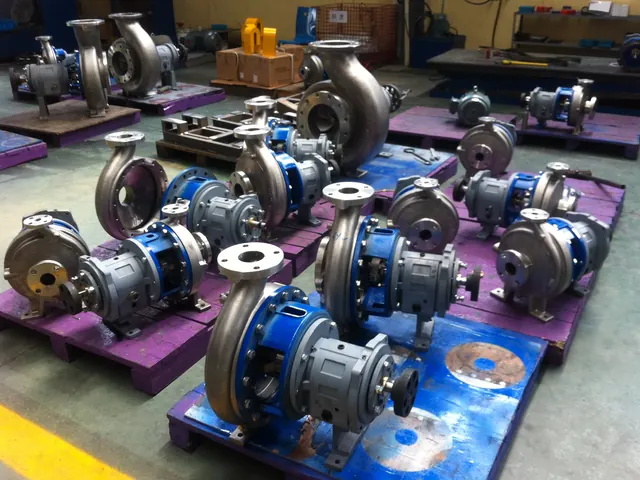
Open impellers, polymer wetted parts and vertical sump pumps for screened sewage, return sludge, effluent and pit drainage.
Read moreEN733 end-suction pumps for ring mains, hydrant supply and sprinkler duties, with a 1.6 MPa working pressure option.
Read more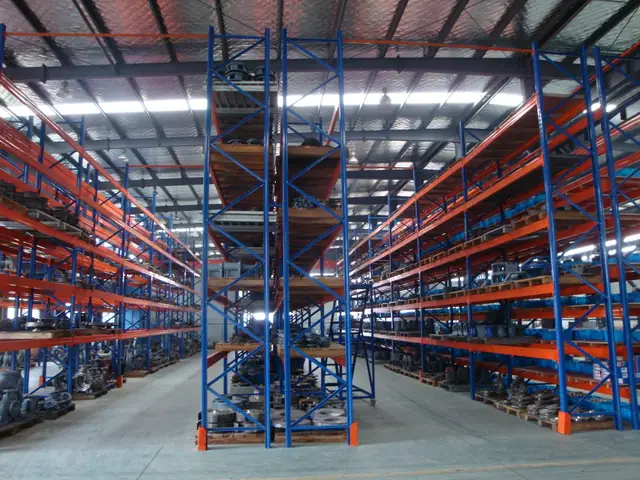
High-volume end-suction pumps for field and scheme irrigation, sized from a published curve at 50 Hz or 60 Hz.
Read more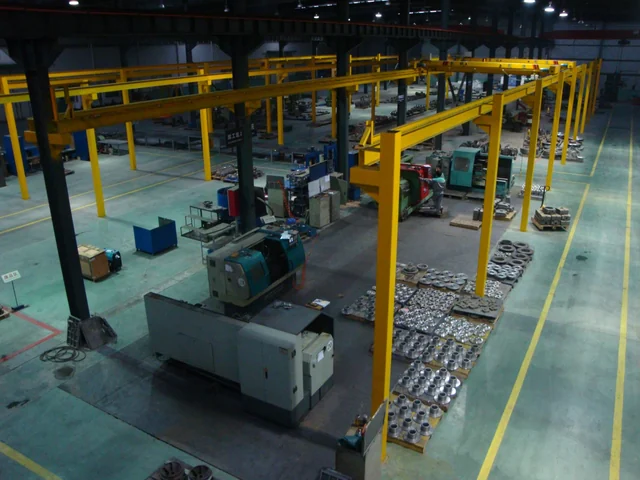
Chilled water, condenser water and heating circulation duties from -10 °C to 105 °C on one EN733 series.
Read more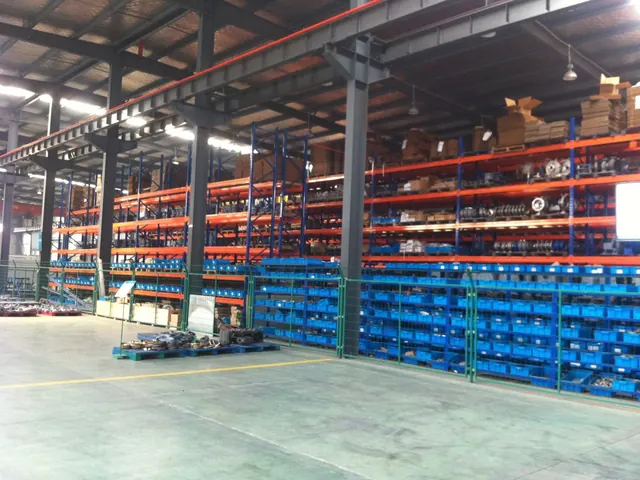
Plant water, process circulation, booster and liquid transfer duties across the full Flowsteer size band.
Read moreThree problems account for most of the pump enquiries that reach us, and all three are decided long before the pump runs.
A serviceable baseplate with an obsolete pump on it. Building to a dimensional standard means the replacement lands on the same holes and the same pipe centreline, with no new civil work.
A duty point met perfectly and a casing that corroded through in a season. Nine published wetted materials exist so the material can be selected from the water analysis instead of from habit.
Most of a conventional seal change is pipework. Back pull-out construction leaves the casing bolted between the flanges and takes the rotating assembly out of the back.
Every figure below is taken from a published Flowsteer product datasheet. Where the catalogue publishes nothing, we publish nothing.
Four things we do differently, each of which you can check against the product pages before you speak to anyone.
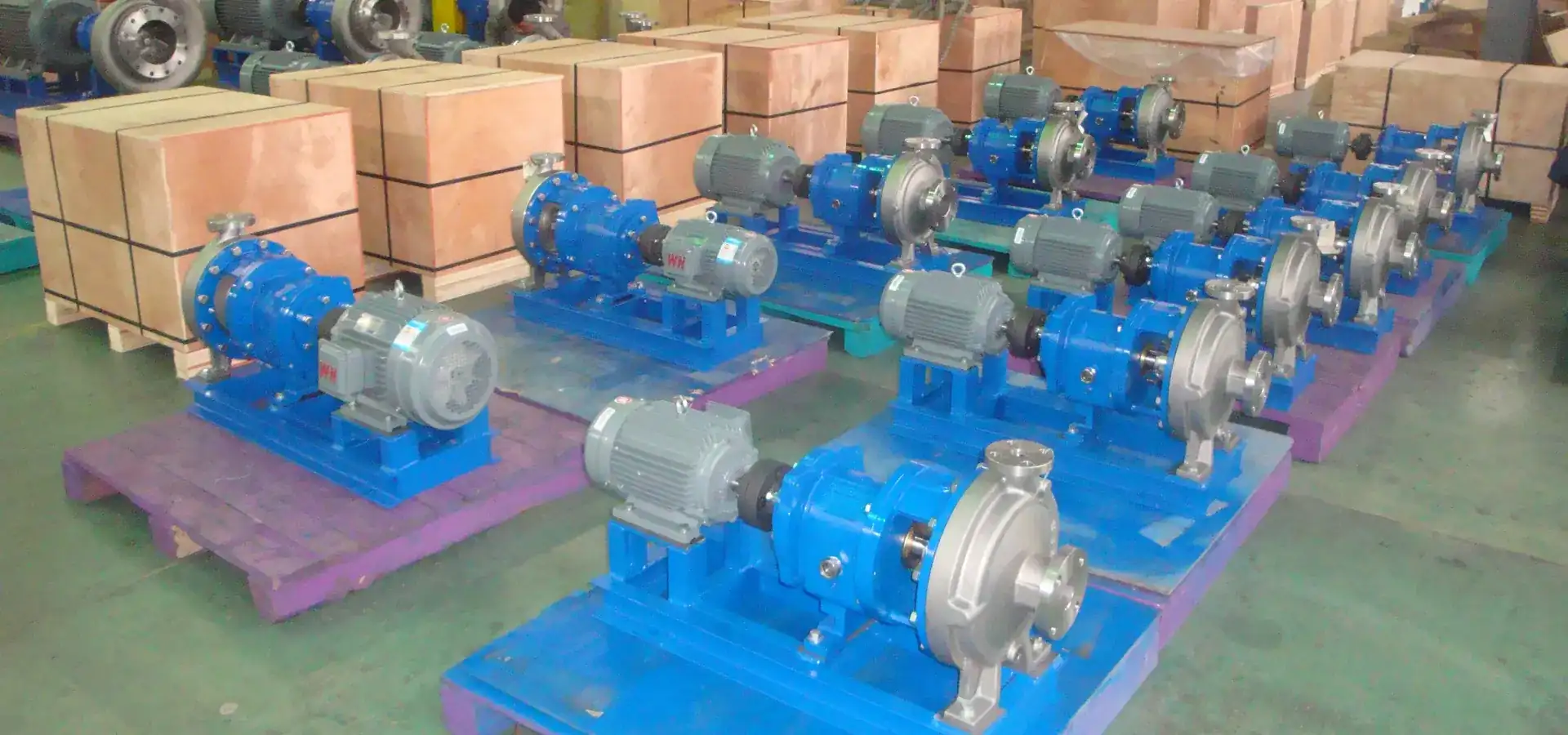
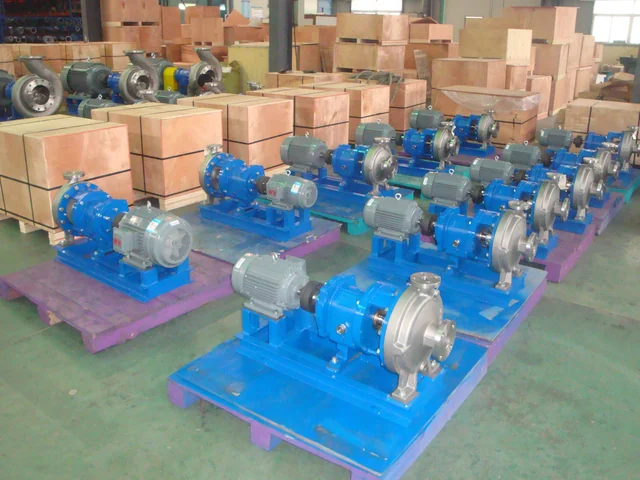
Rows of assembled centrifugal pump sets staged on pallets next to export crates
Maintenance access, material selection, dimensional standards and sealing. Most pump failures trace back to one of the four.
Four of the five Flowsteer series use back pull-out construction. Here is what that changes about a maintenance window.
Read more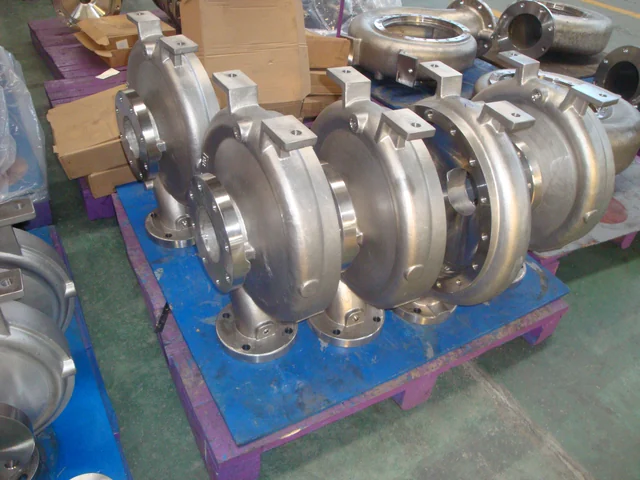
Cast iron through to UHMW-PE. How the Flowsteer range maps onto water that ranges from clean to chemically hostile.
Read moreANSI/ASME B73.1, ISO 2858, ISO 5199 and BS EN733. What each standard actually fixes, and what that means when a pump is replaced.
Read more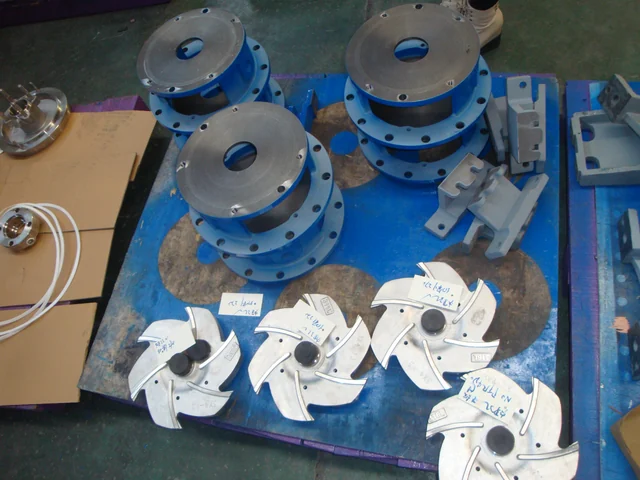
Mechanical seals, gland packing, labyrinth and lip ring sealing, and where each belongs across the Flowsteer range.
Read moreTwelve photographs of the Flowsteer manufacturing floor, in the order a pump moves through it. None of them are stock images.
Thirteen guides on the engineering behind the range, written for the person who has to specify, install or maintain the pump.
B73.1 is a dimensional standard, not a performance standard. Knowing the difference is what makes a replacement pump drop straight onto an existing baseplate.
Read moreOne standard says where the holes go. The other says how long the pump should last. Specifications usually need both.
Read moreTwo names, one set of dimensions. Why both still appear on specifications and what they fix on an end-suction pump.
Read moreThe single construction feature that decides whether a seal change takes two hours or two days.
Read moreEfficiency on one side, solids passage and adjustability on the other. The choice is decided by the water, not the pump.
Read moreGrey iron through to UHMW-PE. What each wetted material is for, and the failure it is chosen to prevent.
Read moreFlowsteer states four principles that guide its development. They are reproduced here as published.
Water centrifugal pumps. Five horizontal series — ANSI CN, ISO CI, KCP lined, DE process and FA EN733 — plus the VNP vertical sump pump. Together they cover DN 25 to DN 400, flow to 1100 m3/h and head to 152 m.
ANSI/ASME B73.1 on the CN series, ISO 2858 with the ISO 5199 engineering class on the CI and KCP series, and BS EN733 / DIN24255 on the FA series.
That is what the dimensional standards are for. Send us the existing pump's size designation, flange rating and duty point and we will confirm whether a Flowsteer series matches it.
The source catalogue publishes no certification documents, so we list none rather than claim any. Tell us which approval your project requires and we will confirm in writing what can be supplied against it.
Flow in m3/h, total head in metres, supply frequency, liquid description with temperature and solids percentage, and the flange standard already installed. If it is a replacement, the existing nameplate details as well.
Both. A bare shaft pump suits a rebuild where the motor and baseplate stay in place; a complete set arrives with motor, coupling, coupling guard and baseplate.
Flow, head, supply frequency and what the liquid is. That is enough for a series, a size and the specifications published for it.