Industry
Waste Water Treatment
Open impellers, polymer wetted parts and vertical sump pumps for screened sewage, return sludge, effluent and pit drainage.
Read more
EN733 / DIN24255
Vertical Wet-Pit
General Purpose
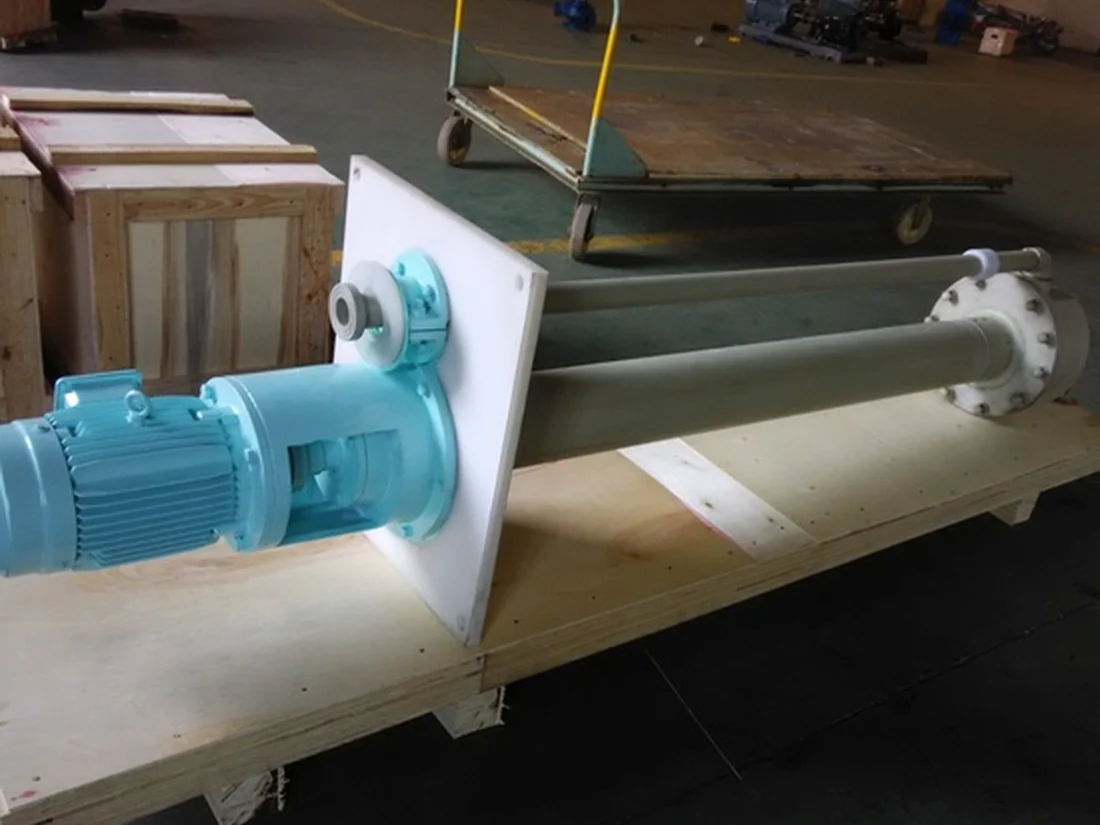
Vertical single-stage sump pump in polypropylene for wet-pit installation with solids to 20 percent
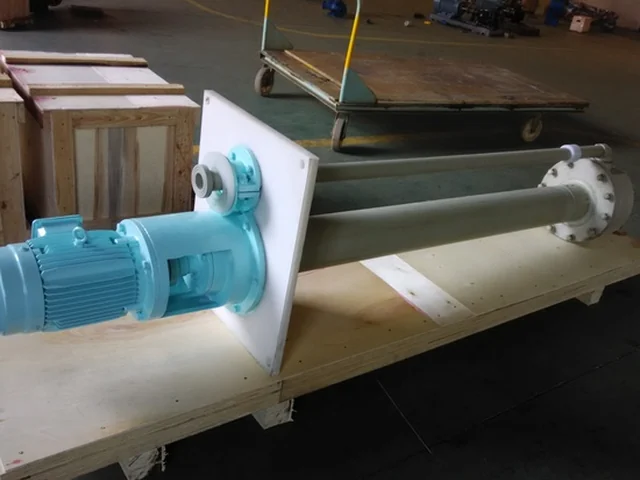
The VNP is a vertical, single-stage sump pump designed specifically for water and waste water duties. Its wetted parts are polypropylene and its construction follows the back-pull-out principle of ISO 2858.
It is built for wet installation: the pump hangs in the sump with the column submerged and the bearing and drive above the liquid level. That removes the suction lift problem that limits a horizontal pump on a pit duty.
The solids content limit is approximately 20 percent, the highest of any pump in the Flowsteer range, and the sealing uses a labyrinth seal or a lip ring seal rather than a mechanical seal — the right choice where a mechanical seal would be flooded and unserviceable.
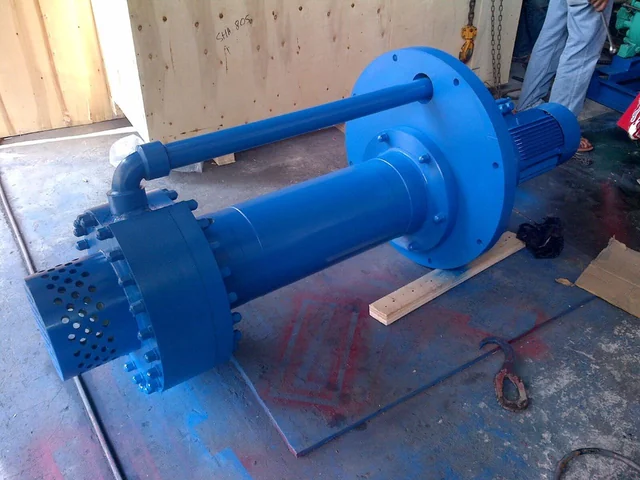
VNP vertical sump pump in polypropylene with long column and discharge elbow
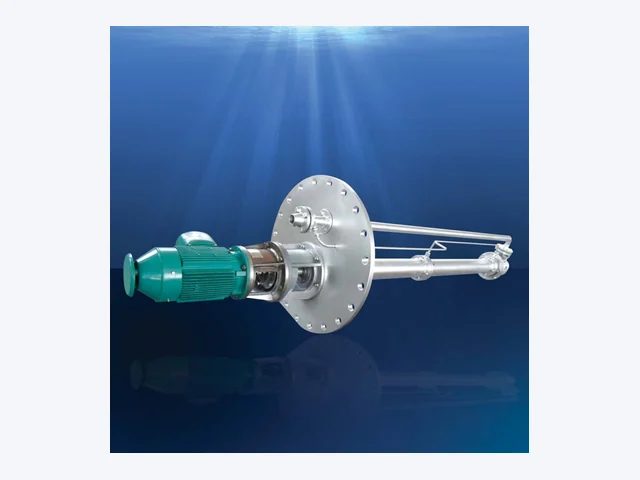
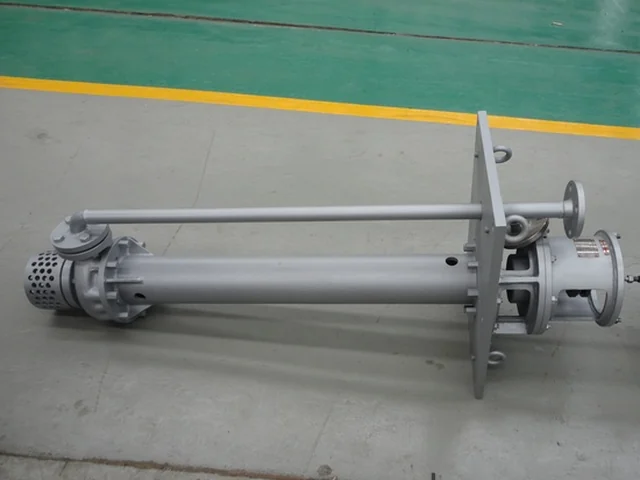
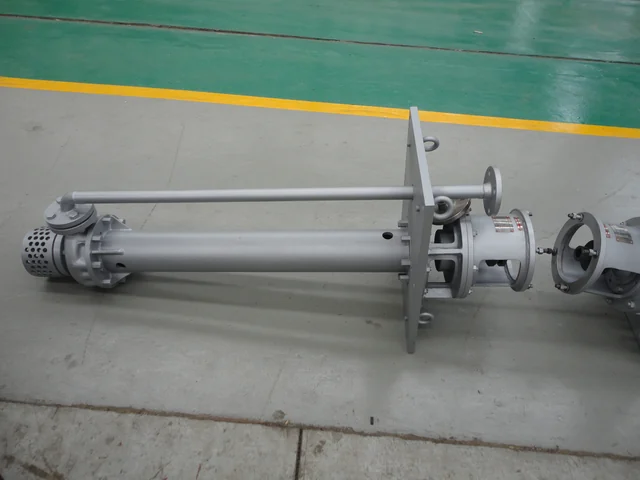
Every value below is taken from the Flowsteer product catalogue. Values the catalogue does not publish are marked TBC rather than estimated.
| Pump type | Vertical, single-stage sump pump |
|---|---|
| Construction | Back-pull-out according to ISO 2858 |
| Installation | Wet installation |
| Impeller | Closed |
| Bearing lubrication | Grease |
| Ambient temperature | -20 °C to 60 °C |
| Operating temperature | Up to 80 °C |
| Solids content limit | Approximately 20 % |
| Sealing | Labyrinth seal or lip ring seal |
| Materials | PP |
| Capacity | TBCnot published on the source catalogue |
| Head | TBCnot published on the source catalogue |
| Column length | TBCconfirm against sump depth at enquiry |
Certifications, production capacity and export markets are not published in the Flowsteer catalogue, so this site does not state them. Tell us what your project needs evidenced and we will confirm in writing.
| Series | Published Envelope | Best Suited To |
|---|---|---|
| VNP Vertical | PP, vertical wet installation, approximately 20 % solids | Sumps and wet wells with grit-bearing flow |
| KCP Series | PP, PE or UHMW-PE, horizontal, approximately 10 % solids | Flooded-suction duties on corrosive water |
| ANSI CN Series | Metal, horizontal, full open impeller | Solids-bearing water on a flooded suction with an ANSI footprint |
Open impellers, polymer wetted parts and vertical sump pumps for screened sewage, return sludge, effluent and pit drainage.
Read more
Plant water, process circulation, booster and liquid transfer duties across the full Flowsteer size band.
Read more
Mechanical seals, gland packing, labyrinth and lip ring sealing, and where each belongs across the Flowsteer range.
Read moreCast iron through to UHMW-PE. How the Flowsteer range maps onto water that ranges from clean to chemically hostile.
Read moreA wet-installed pump removes the suction problem and replaces it with a set of geometry problems. All of them are solved before the pump is ordered.
Read moreGrey iron through to UHMW-PE. What each wetted material is for, and the failure it is chosen to prevent.
Read more
A short list of the things that actually decide how long a water pump lasts, drawn from how these pumps are built rather than from general advice.
Read more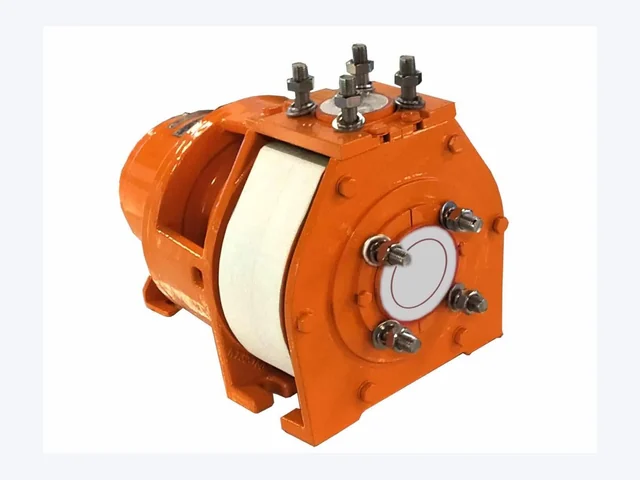
Horizontal single-stage pump in PP, PE and UHMW-PE for water that attacks metal wetted parts
View specifications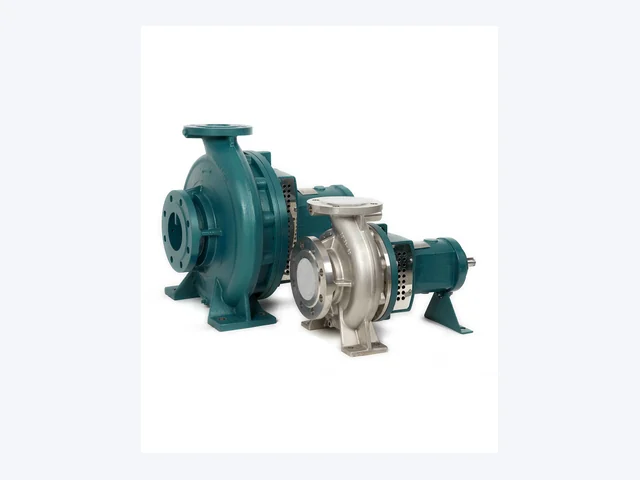
ISO 2858 and ISO 5199 back-pull-out end-suction pump, fully interchangeable with other ISO brands
View specifications
Process-duty water pump from DN 25 to DN 400 with flow to 600 m³/h for water and waste water
View specificationsThe pump column and impeller sit submerged in the sump while the bearing housing and motor stay above the liquid on a support plate. There is no suction lift and no priming, which is why a vertical pump suits a pit duty that a horizontal pump cannot serve.
Approximately 20 percent, the highest published figure in the Flowsteer range. If your sump collects grit and debris, this is the series to look at first.
A mechanical seal under the liquid line cannot be inspected, flushed or adjusted. A labyrinth seal has no rubbing faces to wear and a lip ring seal can be renewed when the pump is lifted. Both are better suited to a submerged duty.
The source catalogue does not publish capacity and head for this series, so we mark them TBC rather than guess. Send us the sump depth, the flow you need and the discharge head and we will confirm the selection.
Column length is made to the sump depth and is confirmed at enquiry. Measure from the mounting plate face to the lowest working liquid level and send that figure with the enquiry.
PP is the published wetted material for the series. If your sump contents are known and non-aggressive, ask us whether a metal column can be supplied for that duty.
Send the duty point and the liquid description and we will confirm the size, the materials and any specification this page marks TBC.