What Does Not Change
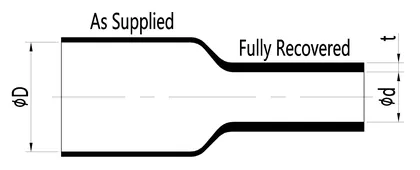
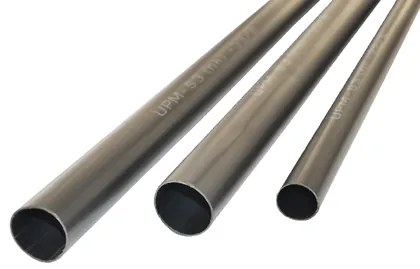
The recovery temperature of the material does not change with ambient temperature. A tube that needs 125 °C to fully recover needs 125 °C in July and in January. The service temperature range of the finished accessory does not change either — most of our products are rated to -55 °C in service.
This is the fundamental advantage heat shrink has over resin in cold conditions. There is no chemical reaction whose rate depends on ambient temperature and there is no cure time to wait through.
What Does Change
- Time to reach recovery temperature — cold metal and cold air pull heat away faster
- Wind chill on the work face, which is usually a bigger factor than air temperature
- Condensation on cold cable surfaces the moment it is brought into warmer air or handled
- Material stiffness before recovery, which makes positioning a heavy wall tube harder
- Adhesive flow, which needs the substrate warm not just the tube
The Two Mistakes Cold Weather Encourages
The first is turning up the flame. A hotter flame in cold conditions scorches the surface while the inside is still below recovery temperature. What is needed is more time and a wind break, not more heat.
The second is skipping surface warming. Adhesive has to flow against the substrate. If the cable jacket is at -10 °C the adhesive chills on contact and never wets the surface, so the tube looks perfect and does not actually seal. Warm the substrate gently before applying the accessory.
Practical Measures
- Erect a wind break or a tent around the work face — this is the single highest value action
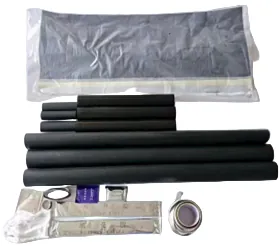
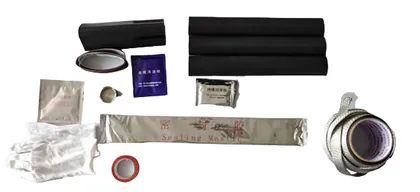
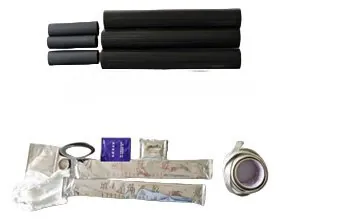
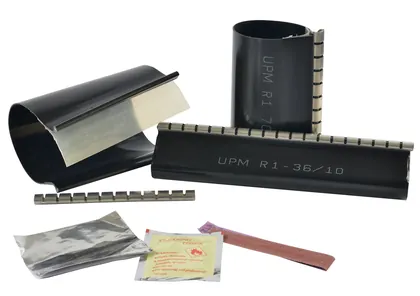
- Keep kits in a warm vehicle until immediately before use so components are pliable
- Warm and dry the cable surface before cleaning, then clean, then apply
- Allow noticeably more heat time and check recovery by conformity not by clock
- Let the accessory cool fully before disturbing or backfilling
Storage in Cold Conditions
Kits should be stored between 5 and 35 °C. A kit that has been frozen is not damaged but the components will be stiff and the adhesive will not flow readily, so bring kits up to a workable temperature before use rather than fighting them on site.