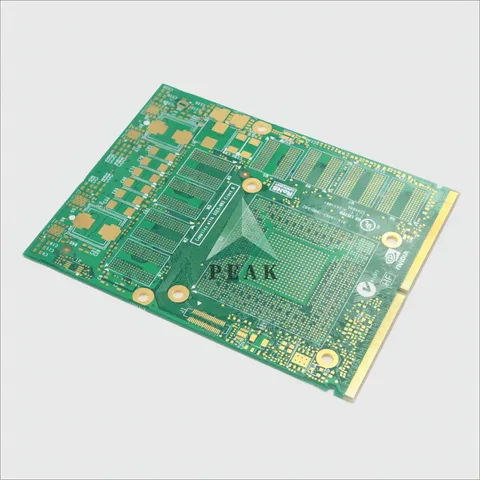
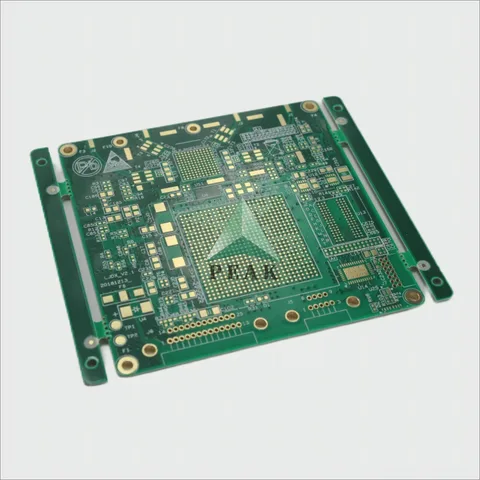
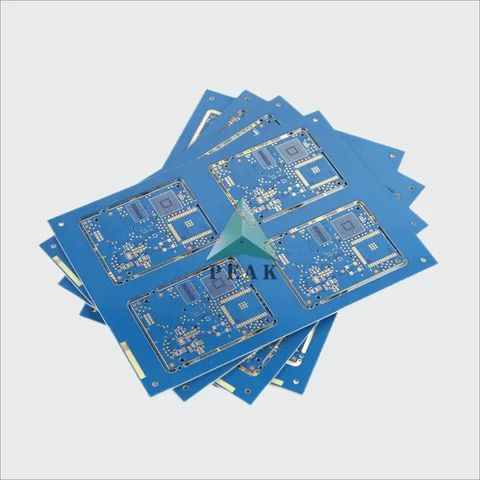
Surface finish of printed circuit boards (PCBs) plays a critical role in its overall performance, reliability and solderability. A properly selected surface finish protects exposed copper traces as well as ensure proper solder joint formation and increase environmental resistance of PCBs. In this article we’ll look at various types of PCB surface finishes along with their benefits in today’s fast-evolving world of electronics.
Different Types of PCB Surface Finishes
1. Hot Air Solder Leveling (HASL)
This surface finish for PCBs is widely popular. HASL involves covering exposed copper traces with molten solder, then leveling it using a hot air knife for even distribution and leveling. HASL offers good solderability, robust protection, and an economical cost while being suitable for fine pitch components due to uneven surfaces that could potentially bridge.
2. Electroless Nickel Immersion Gold (ENIG)
ENIG is a popular surface finish used on high-density PCBs and components with fine pitch leads, and involves depositing two thin layers of nickel overlaid by gold onto exposed copper traces. ENIG provides excellent solderability, flat topography, resistance to oxidation, and provides protection for its underlying nickel layer from further oxidization by acting as an oxidization barrier.
3. Immersion Silver
Immersion silver surface finishing involves coating a PCB with a thin layer of silver via chemical reaction, providing excellent solderability even with fine-pitch components, while creating an ideal flat surface suitable for solder paste deposition. Immersion silver also boasts outstanding high frequency performance making it suitable for RF/microwave applications.
4. OSP (Organic Solderability Preservative)
OSP is a surface finish that involves applying an organic coating directly onto exposed copper traces on a PCB to protect it from oxidation and ensure good solderability. OSP provides a flat surface suitable for fine-pitch components; however, due to its relatively limited durability over time it may degrade over time.
Advantages of PCB Surface Finishes
1. Solderability
A good surface finish ensures good solderability, which allows the correct formation of solder joints during PCB assembly, providing strong electrical connections while decreasing risk factors like cold solder joints or solder bridges.
2. Environmental Protection
For optimal performance in harsh operating environments, surface finishes should provide protection from environmental factors like oxidation, corrosion and moisture. By strengthening resistance to these elements through appropriate surface coatings, PCBs will remain long lasting and durable over time.
3. Compatibility with Component Packaging
Certain surface finishes provide compatibility with specific component packaging technologies, such as fine-pitch leads or ball grid array (BGA). When selecting an option to solder components onto a PCB, please be mindful of what kind of components need to be soldered onto it.
4. High-Frequency Performance
Immersion silver offers exceptional high-frequency performance, making it suitable for use in applications involving RF/microwave circuitry or data transmission requiring signal integrity.
Applications of PCB Surface Finishes
1. Consumer Electronics
PCB surface finishes have become ubiquitous across consumer electronics products like smartphones, tablets, laptops and gaming consoles.
2. Automotive and Aerospace
Both automotive and aerospace industries rely heavily on surface finishes that guarantee robustness and longevity of PCBs used in critical systems such as engine controls, airbags and navigation systems.
3. Industrial Equipment
Control systems, automation equipment and robotics must have durable surface finishes to withstand adverse environmental conditions and ensure reliable operations.
4. Telecommunications and Networking
Surface finishes play an essential part in the performance and reliability of PCBs used in telecommunications and networking equipment such as routers, switches, and base stations.
Selecting the ideal surface finish is crucial to ensuring the performance, reliability and solderability of printed circuit boards. Each surface finish offers specific benefits depending on application needs; considering factors like solderability, environmental protection, component compatibility and high frequency performance helps PCB designers and manufacturers select an ideal finish that improves their electronic systems’ overall performance and longevity.
What is a PCB Surface Finish? A PCB surface finish is a coating applied to the exposed copper of a printed circuit board. The surface finish performs several critical functions, including protecting the copper from oxidation, providing a solderable surface for components, and helping to maintain the PCB’s overall performance and reliability.
What are the common types of PCB Surface Finishes? Common types of PCB Surface Finishes include HASL (Hot Air Solder Leveling), Lead-free HASL, ENIG (Electroless Nickel Immersion Gold), ENEPIG (Electroless Nickel Electroless Palladium Immersion Gold), Immersion Tin, Immersion Silver, OSP (Organic Solderability Preservatives), among others.
What are the factors to consider when choosing a pcb surface finish? When choosing a pcb surface finish, factors like assembly process, cost, shelf life, number of reflow cycles, lead-free requirements, environment conditions, and end-use application of the PCB should be considered.
What is HASL and what are its advantages and disadvantages? HASL is a commonly used surface finish that provides a reliable, solderable surface. However, it can lead to uneven surfaces and isn’t suitable for fine-pitch components. Lead-free HASL is an alternative to comply with RoHS regulations.
What is ENIG and when is it used? ENIG is a widely used surface finish known for its flat surface, good oxidation resistance, and suitability for fine-pitch components. However, it can be more expensive compared to HASL.
What is OSP and what are its benefits? OSP is a cost-effective finish that provides a very flat surface, making it ideal for PCBs with fine-pitch components. However, it’s not as robust for multiple reflow or assembly processes.
What are Immersion Silver and Immersion Tin Finishes? Immersion Silver and Tin finishes provide good solderability, a flat surface, and are ideal for finer pitch components. Care must be taken to prevent tarnishing in case of silver, and whiskering in case of tin.
What is ENEPIG and when would it be used? ENEPIG is a premium finish used for special applications like wire bonding and provides excellent protection against fretting corrosion. However, it is an expensive option.
Can surface finishes affect PCB Assembly? Yes, the type of surface finish can impact how easily components are soldered to the board and can also affect the reliability of the assembled product.
Could a PCB function without a surface finish? Technically a PCB could function without a surface finish. However, without it, the exposed copper could oxidize or tarnish, leading to issues with solderability, and potentially impacting the functionality and lifespan of the PCB.