Project Case · Rail and Metro
Jacket Repair Programme Inside a Running Metro Tunnel
Halogen free repairs completed inside night possession windows with no cure time
Client Background
A metro operator identified 47 positions of jacket damage on tunnel cable during a condition survey. All of it was installation era damage from cable pulling and none of it had reached the core insulation.
Project Challenge
Repair 47 positions inside night possession windows using halogen free materials, on cable that is terminated at both ends and cannot be cut.
Customer Pain Points
- Cable terminated at both ends so no tube could be threaded on
- Halogen free specification mandatory in a running tunnel
- Possession windows of four hours with no possibility of overrun
- Any repair requiring cure time was ruled out entirely
Our Solution
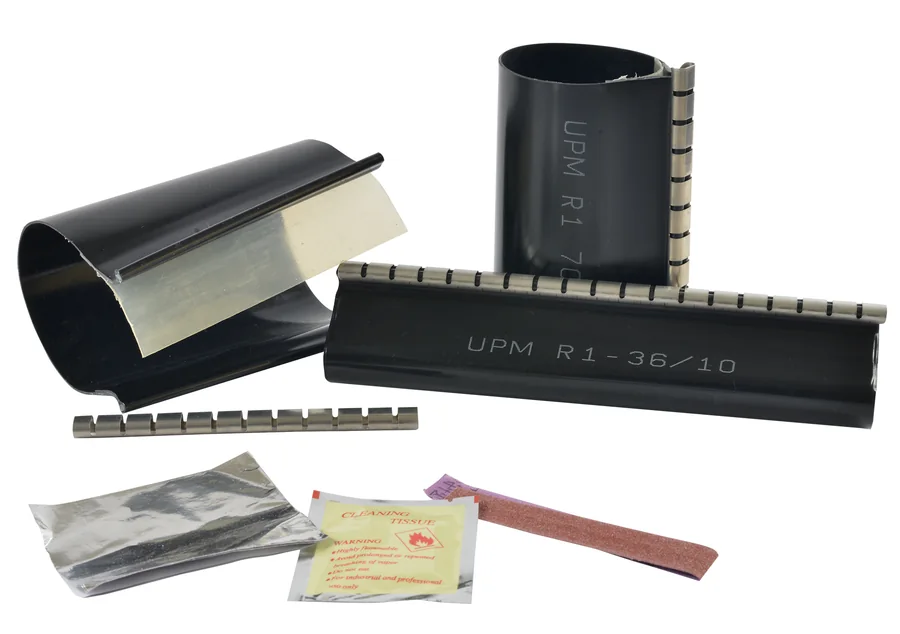
R1 wraparound sleeves on the regular cylindrical damage and T1 halogen free heat shrink tape on the positions near cleats and fixings where a sleeve would not fit. Both are energisable as soon as they cool.
Manufacturing Process
Sleeves and tape produced to standard specification. T1 supplied in the halogen free RoHS compliant formulation required by the project.
Supply Chain Coordination
Delivery to the depot store two weeks before the first possession so the maintenance team could brief and prepare without time pressure.
Quality Control
Per lot testing of tensile strength ultimate elongation heat aging and water absorption. Adhesive bond verified on a sample of the actual cable jacket material supplied by the operator.
Final Result
All 47 positions were repaired across nine possessions. The average repair took 22 minutes. No possession overran. A repair register was created so the network record shows every position and date.
Customer Benefit
Forty seven positions of jacket damage closed out without cutting a single cable, using materials the tunnel specification allows.
Products
Products Supplied on This Project
R1 Repair Sleeve
A rail and channel closure sleeve that repairs a damaged cable jacket without cutting the cable or removing the terminations
VIEW DETAILS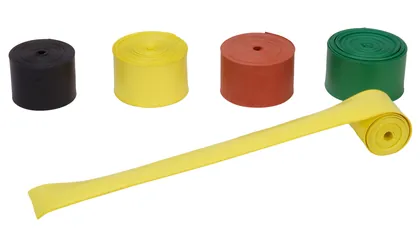
T1 Heat Shrink Tape
Adhesive lined heat shrink tape that seals and insulates irregular shapes where no tube or sleeve will fit
VIEW DETAILS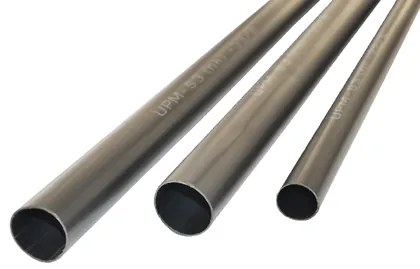
S3(nh) Heavy Wall HF
Thickened halogen free polyolefin tubing where the same fire performance is needed with far more mechanical protection
VIEW DETAILS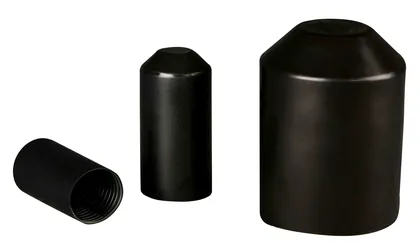
Y2 Cable End Caps
Adhesive lined molded caps that seal a cut cable end against water ingress during storage transport and installation
VIEW DETAILSFAQ
Questions About This Project
Why not just cut out and joint the damaged sections
Why test the adhesive on the operator's own jacket material
Can this be done with the cable energised
Why tape near cleats and fixings
Still need an answer ask our engineers on WhatsApp
More Cases
Other Projects
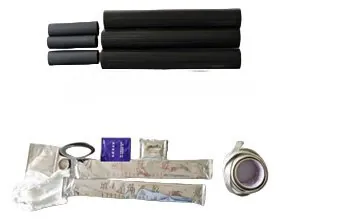
15 kV Feeder Refurbishment for a Distribution Utility in Southeast Asia
820 terminations and 140 joints delivered against a 14 week outage programme
READ CASE →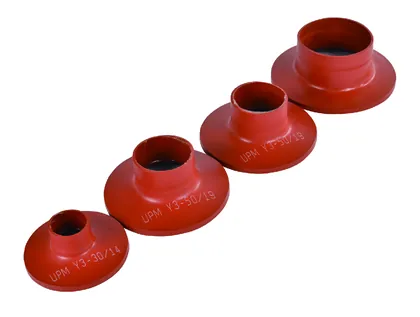
Retrofitting Creepage on Flashover Prone Outdoor Terminations
Rain sheds fitted to 96 existing 33 kV terminations without rebuilding any of them
READ CASE →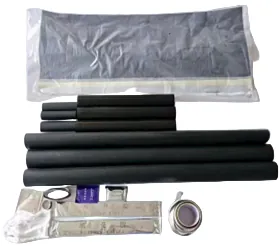
Accessory Package for a 350 MW Solar Collector Circuit
Take off from a single line diagram consolidated 14 part numbers down to 5
READ CASE →Discuss a Project Like This One
Tell us the voltage class the quantity and the programme. We will tell you what is realistic before you commit.