
Insertion Loss and Return Loss Explained
Two numbers on every test report, what each one is telling you, and how to build a link budget that survives being maintained.
In This Guide
Two Different Failures
Insertion loss is how much light does not arrive. Return loss is how much light comes back toward the source. They are measured separately because they fail separately, and because a connector can be excellent at one and poor at the other.
Insertion Loss In A Link Budget
Every connector pair, every splice and every meter of fiber contributes. Add them over the longest path, compare against transmitter output and receiver sensitivity, and keep margin. The margin is not padding: it is what absorbs the extra mated pairs and the slightly dirtier ports that a network accumulates as it is worked on.
Browse our Fiber Optic Patchcord range
Where Return Loss Bites
A reflection traveling back into a transmitter destabilises it, and on analogue or RF-modulated paths it interferes with the signal itself. This is why PON and CATV networks specify APC end faces throughout, and why an isolator appears in front of a laser in amplifier design.
Browse our Passive Component range
How Measurements Are Referenced
A loss measurement is only meaningful relative to the reference you set. One-cord, two-cord and three-cord reference methods produce different numbers for the same link, because each includes a different number of connector pairs. Record which method was used alongside the result, or the number cannot be compared with anything later.
Browse our Test Equipment range
Why Your Number Differs From The Supplier's
A factory measures an assembly against reference-grade cords in controlled conditions. You measure it in a patch field, through your own cords, possibly with end faces that have been mated a few times since. A small difference is normal; a large one usually means contamination rather than a bad cord.
Browse our Fiber Cleaning Tool range
Budgeting For Maintenance
A link designed with zero margin is a link that fails the first time someone adds a patch panel or a hybrid adapter. Leave headroom for at least a couple of extra mated pairs across the life of the plant.
Browse our Hybrid Adapter range
What To Record
Wavelength, reference method, cord types, date and the measured values at both ends. A number without its conditions is not evidence, and the person who needs it will not be the person who measured it.
Questions This Guide Gets Asked
What is the difference between insertion loss and return loss?
Insertion loss is the light that does not reach the far end. Return loss is the light reflected back toward the source. Both are measured in decibels, but lower insertion loss and higher return loss are the good directions.
Why does my measured loss differ from the test report?
Different reference method, different cords, or contamination picked up since the assembly was tested. Clean and inspect, then re-measure with a recorded reference method before concluding there is a fault.
How much margin should a link budget leave?
Enough to absorb a couple of additional mated pairs and normal ageing. A link that only passes on the day it is built will not stay passing.
Do you supply measured values with assemblies?
Insertion loss and return loss are measured on assemblies before packing, and records can be supplied with the shipment if requested on the order.
Ranges Covered In This Guide
Test Equipment
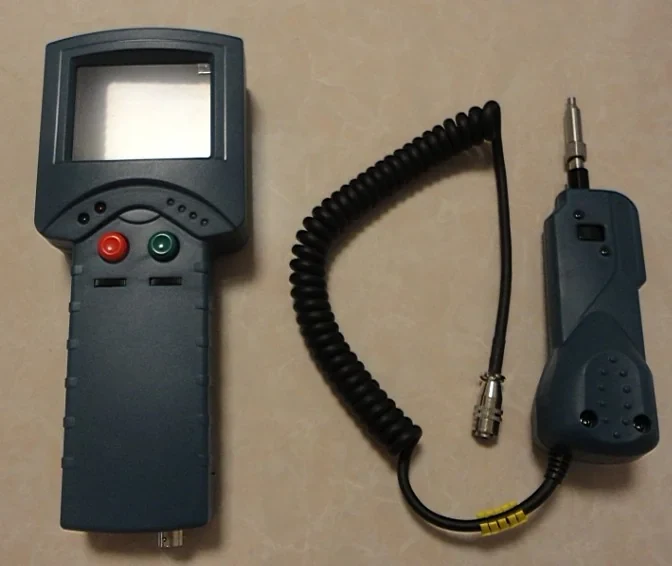
Splicers, meters, identifiers and inspection tools for people who have to prove the link works
15 products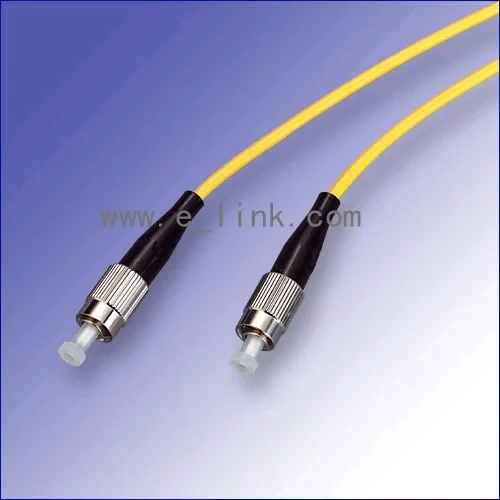
Fiber Optic Patchcord
Factory-terminated jumpers that turn a planned link budget into a working one
11 products
Fiber Cleaning Tool
The cheapest fix for the most common cause of optical loss
3 products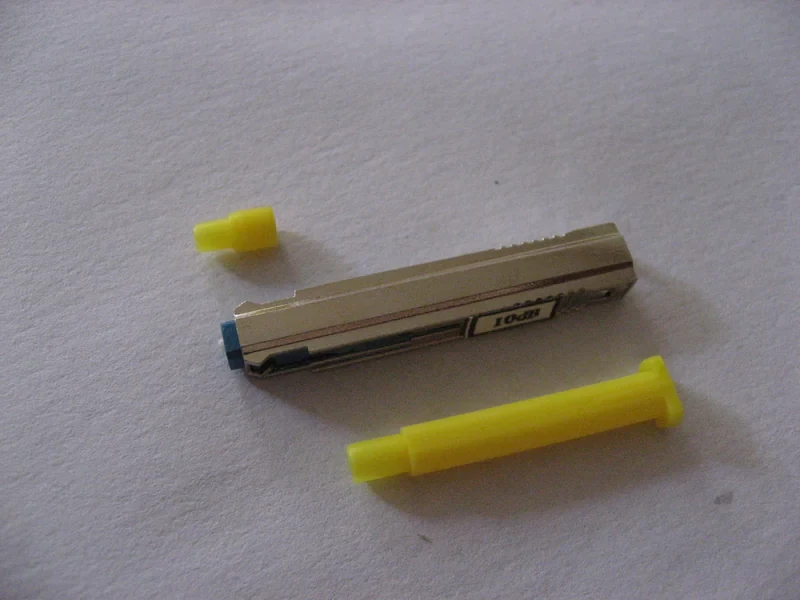
Fiber Optic Attenuator
Controlled loss, for when a receiver is being overdriven
10 productsIndustries and Solutions
Have A Specification To Check
Send the part, the drawing or the link budget. We will confirm what fits before you commit to an order.