
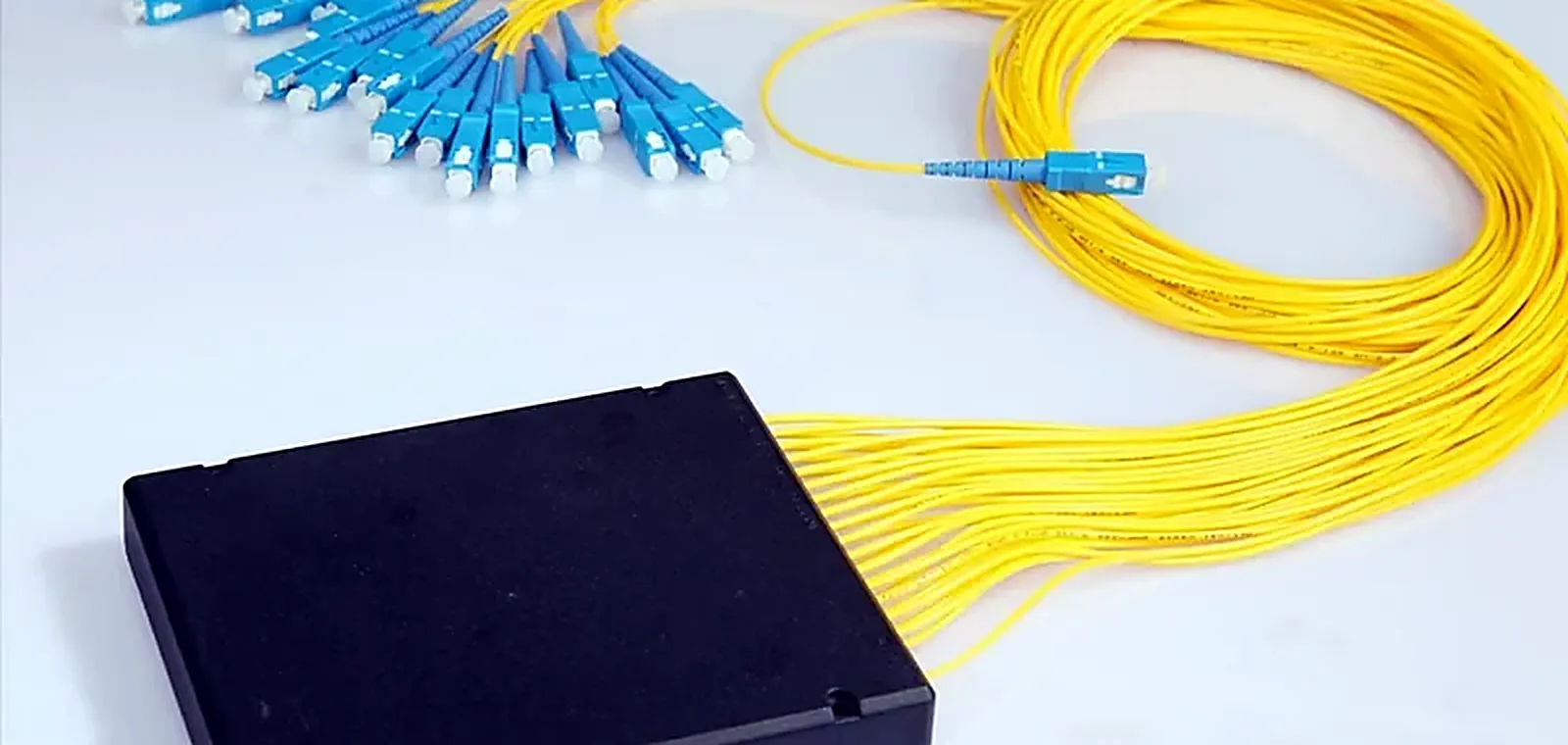
How to Select a Fiber Optic Attenuator
Measure first, attenuate on the receive side, and record what you installed. The three rules that prevent most attenuator mistakes.
In This Guide
The Symptom Looks Like Contamination
A receiver being overdriven produces bit errors that look exactly like a dirty connector or a damaged cord. Engineers clean, re-patch, swap cords and chase the fault for hours. The first diagnostic step is a power measurement, because too much light and too little light present almost identically at the error counter.
Browse our Test Equipment range
Why Short Links Overload
Long-reach optics are built to launch enough power to survive a long span. Put one on a short link, or on a link with fewer splices than planned, and the receiver sees more than its specified maximum input. This is common in data halls where long-reach modules were bought for standardisation reasons.
Browse our Fiber Optic Media Converter range
Measure, Then Choose A Value
Measure the actual received power with a power meter. Compare it with the receiver's specified input range. Choose the attenuation value that lands you near the middle of that range rather than at its edge, so temperature drift and future connector loss do not push you back out.
Browse our Fiber Optic Attenuator range
Attenuate At The Receiver
Putting the attenuator at the transmitter reduces the power available to cross the span, eating the margin the link needs. Putting it at the receiver addresses the overload directly and leaves the span budget intact.
Fixed Tunable Or Variable
Fixed units hold one calibrated value and are what you install in production. Tunable units let a commissioning engineer sweep a range to find the right value. MEMS variable units are for test benches and programmable characterisation. Buying a tunable unit for a production link means installing something that can be knocked out of adjustment.
Polish Matters Here Too
On PON, CATV and RF-over-glass paths, specify APC attenuators. An attenuator is another interface in a path where return loss is a limiting factor, and a UPC attenuator dropped into an APC path defeats the reason the path was specified APC.
Browse our Fiber Optic Patchcord range
Record What You Installed
Write the installed value into the link documentation. An unrecorded attenuator is a mystery loss that the next engineer will spend an afternoon looking for, and may well remove.
Questions This Guide Gets Asked
How do I know if I need an attenuator?
Measure the received power and compare it against the receiver's specified input range. If you are above the maximum, you need attenuation. If you are near the minimum, an attenuator will make things worse.
Transmit side or receive side?
Receive side. Attenuating at the transmitter reduces the power available for the span itself and eats your margin.
Fixed or tunable?
Fixed for production installations, tunable for commissioning and test work. A tunable unit installed permanently is an adjustment waiting to be disturbed.
Do you supply APC attenuators?
Yes. Specify APC for PON, CATV and RF-over-glass paths, where an inserted UPC interface would undo the reason the path was specified APC in the first place.
Ranges Covered In This Guide
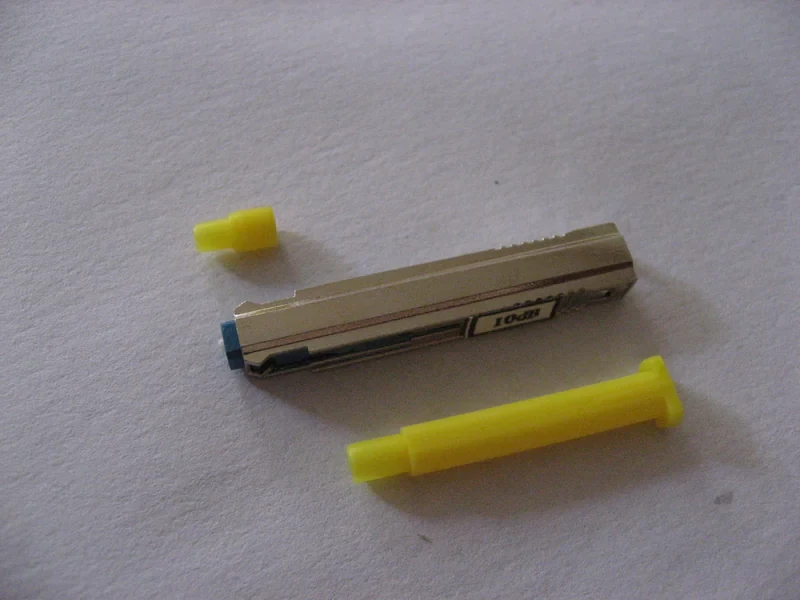
Fiber Optic Attenuator
Controlled loss, for when a receiver is being overdriven
10 products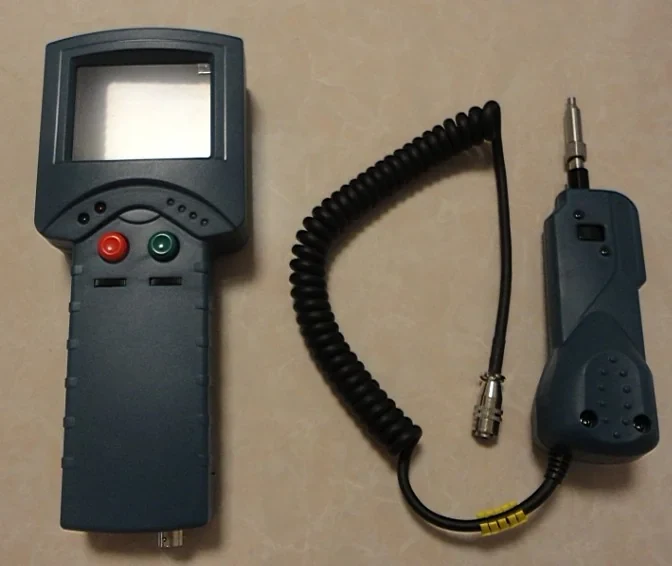
Test Equipment
Splicers, meters, identifiers and inspection tools for people who have to prove the link works
15 products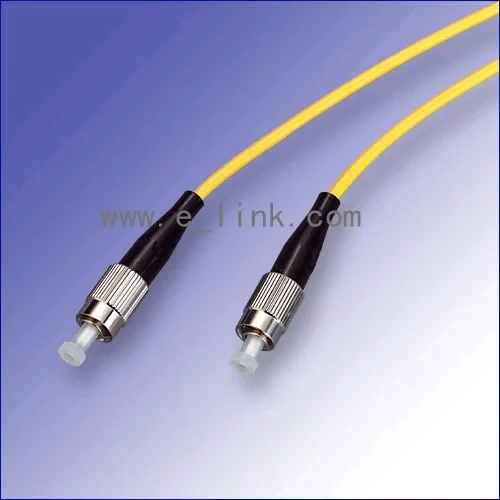
Fiber Optic Patchcord
Factory-terminated jumpers that turn a planned link budget into a working one
11 products
Passive Component
Circulators, isolators and collimators for optical system builders
3 productsDeployment Profiles
Industries and Solutions
Have A Specification To Check
Send the part, the drawing or the link budget. We will confirm what fits before you commit to an order.