
Installing Field Assembly Fast Connectors
A step by step method, the cleave quality that decides the result, and an honest account of what you trade against a fusion splice.
In This Guide
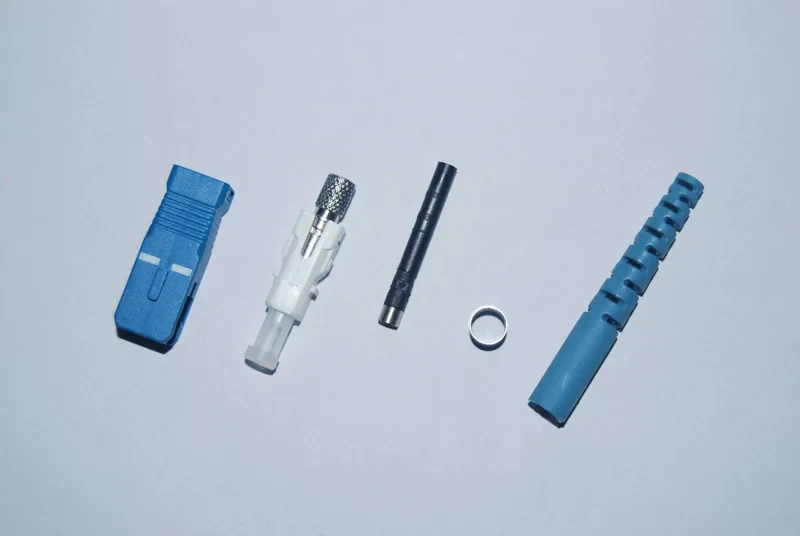
What Is Inside The Connector
A short length of fiber, already terminated and polished in the factory, sits inside the ferrule. Behind it is a mechanical splice element and a drop of index-matching gel. Your field fiber is cleaved and pushed in until it butts against that stub, and the mechanism clamps it there.
Browse our Field Assembly/Fast Connector range
The Cleave Decides The Result
Everything else in the process is mechanical and repeatable. The cleave is not. An angled or chipped cleave leaves a gap that the index-matching gel cannot fully compensate, and that is where high-loss field terminations come from. Use a precision cleaver, keep its blade in good condition, and rotate the blade position on schedule.
Browse our Test Equipment range
Step By Step
Strip the fiber to the dimension the tool specifies. Clean it with a lint-free wipe and solvent. Cleave it with a precision cleaver. Insert it into the connector until you see a slight bow in the fiber, which tells you it is butted against the stub. Lock the mechanism. Verify before you close anything up.
Browse our Fiber Cleaning Tool range
Verify Before You Leave
A visual fault locator shows a bright scatter at a bad junction, and a power meter gives you a number. Either is enough to decide whether to redo the termination. Doing this while still on site is the difference between a five minute correction and a return visit.
Browse our Test Equipment range
Reusable And Single Use Versions
Reusable designs let you release the mechanism, re-cleave and re-insert. Single-use designs do not. If your crews are newly trained, or if the work happens in awkward positions, the reusable version pays for itself the first time a cleave goes wrong.
What You Are Trading
A fusion splice normally gives lower and more predictable loss, and it is what backbone and distribution work should use. A fast connector trades a little loss for not needing a splicer, mains power or a splice protection sleeve. On a subscriber drop, with the budget planned for it, that is usually the right trade.
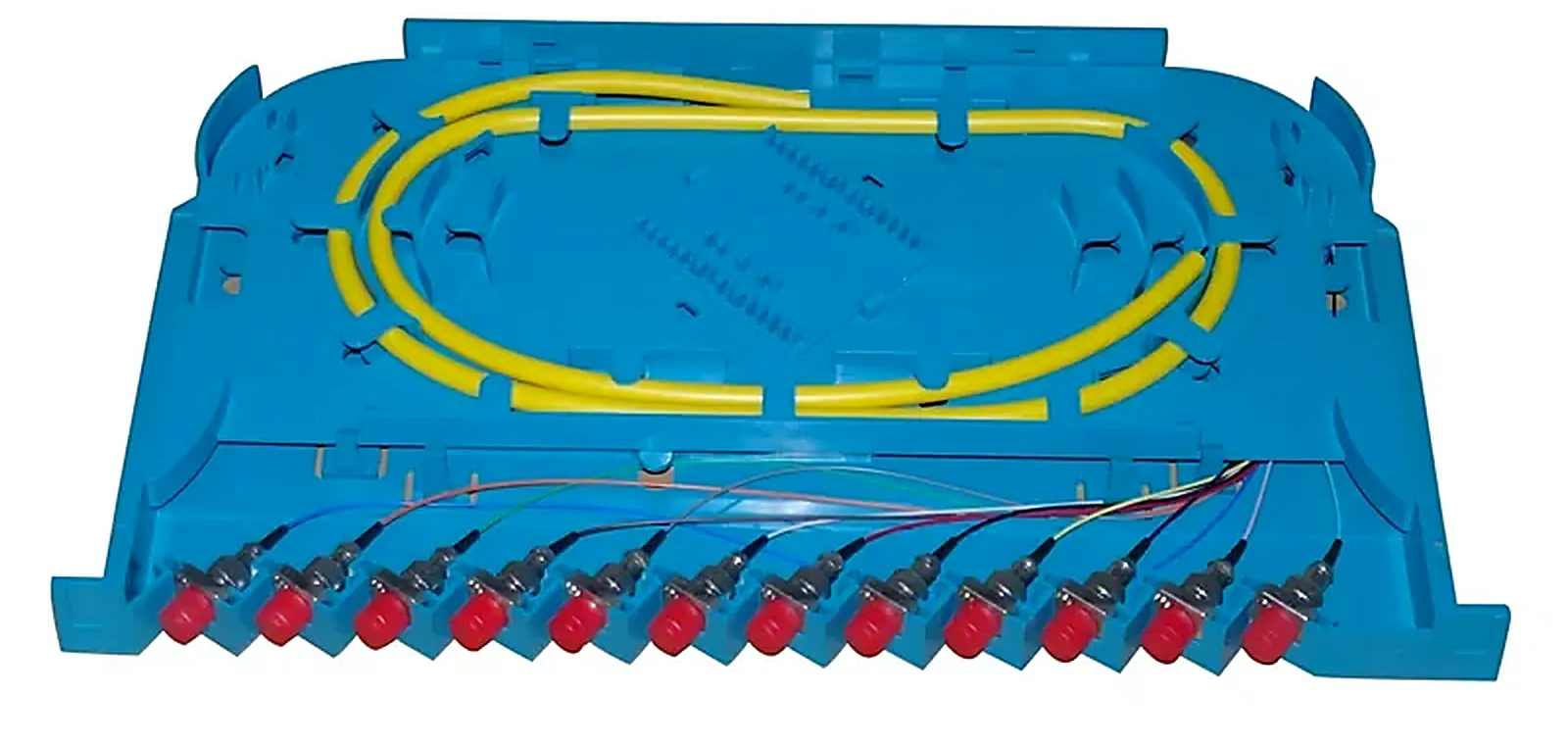
Browse our Various Pigtail range
Record Which Terminations Are Mechanical
When a fault appears years later, knowing which terminations were mechanical rather than fusion spliced tells the restoration crew where to look first.
Questions This Guide Gets Asked
How much loss should I expect from a fast connector?
More than a fusion splice and less than a bad one. The dominant variable is cleave quality, which is why the cleaver matters more than the connector brand. Plan the link budget to absorb it.
Can a failed termination be corrected?
On reusable versions, yes: release the mechanism, re-cleave and re-insert. Single-use versions have to be replaced. Confirm which type you are ordering if field re-work matters.
What tools do I need?
A precision cleaver, the matching hand tool, cleaning consumables and something to verify with. No fusion splicer, no mains power and no heat shrink oven.
Are APC fast connectors available?
Yes, for PON and RF-over-glass drops where back reflection matters. They are color coded green as usual.
Ranges Covered In This Guide
Field Assembly/Fast Connector
Mechanical field termination without a fusion splicer
6 products
Fiber Cleaning Tool
The cheapest fix for the most common cause of optical loss
3 products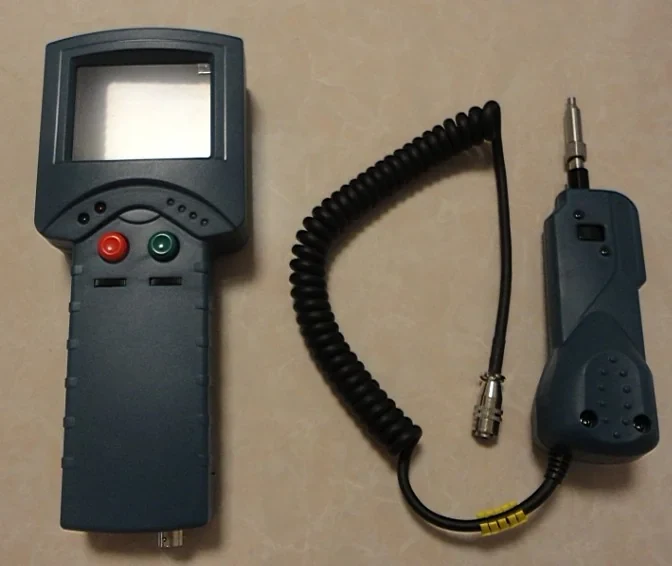
Test Equipment
Splicers, meters, identifiers and inspection tools for people who have to prove the link works
15 products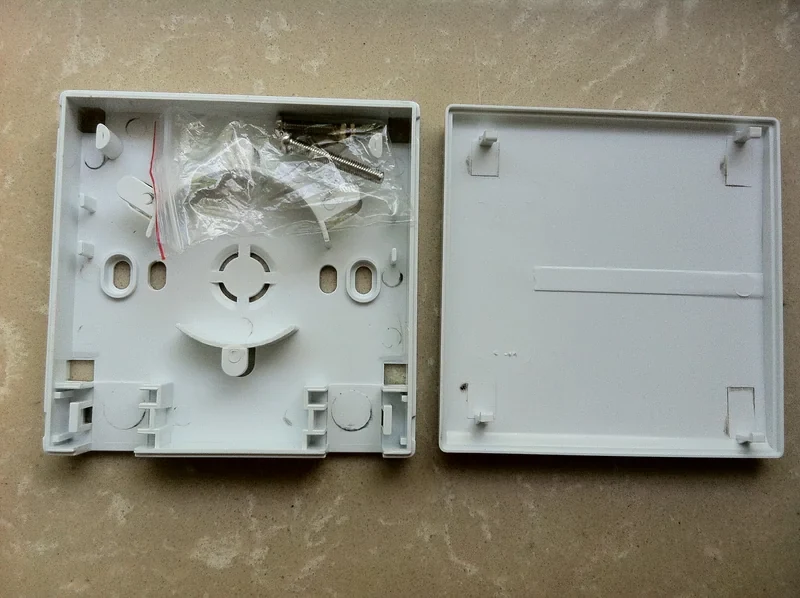
FTTH Termination Box
Compact subscriber-side boxes that end the drop and present a clean port
5 productsHave A Specification To Check
Send the part, the drawing or the link budget. We will confirm what fits before you commit to an order.