
What Is Silk Screen Printing and When to Use It
Silk screen printing pushes ink through a stencilled mesh onto the surface below, laying down a far thicker ink film than offset or digital presses can. That thickness is why it prints opaque colour on dark fabric, glass, plastic and metal, and why it is the method behind most branded merchandise. This guide explains where it fits, what it cannot do, and how to prepare artwork for it.
How Silk Screen Printing Works
A fine mesh is stretched over a frame and coated with a light-sensitive emulsion. The image is exposed onto the mesh so that the printing areas stay open and everything else is blocked. Ink is then pushed through the open mesh with a squeegee onto the material below. One screen carries one colour, so a four-colour design needs four screens and four passes.
Why the Thick Ink Film Matters
Screen printing deposits far more ink than lithography, gravure or letterpress, which is what gives a screen-printed panel its raised, slightly tactile feel. That ink depth is also what makes the colour opaque, so a light design will sit cleanly on a black T-shirt or a dark plastic housing without the substrate showing through. Offset and digital presses cannot match this on non-white or non-absorbent surfaces.
Materials the Process Can Print
The screen only needs a reasonably flat surface and the right ink chemistry, so the range is unusually wide. In commercial work it covers posters, self-adhesive labels, signs, banners, cloth labels, business cards and light box faces. On industrial and household items it covers glass and ceramic decoration, appliance housings, keypads, instrument dials, circuit boards, membrane switches, wall and floor tiles, cosmetic and beverage bottles, drinkware and woven bags.
Textiles and Promotional Goods
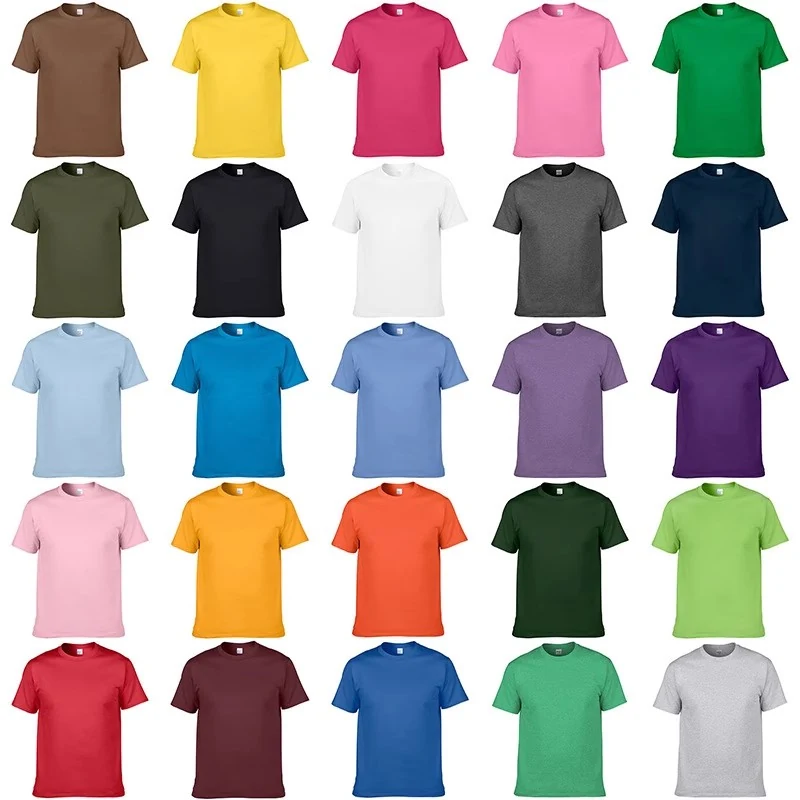
Clothing, caps, bags, ties, gloves, socks, aprons, towels, table linen, curtains and cushion covers are all routinely screen printed. Because the cost sits in making the screens rather than in each impression, the unit price falls steeply with quantity, which is why it dominates event and promotional apparel. Short runs of the same garment are usually cheaper by heat transfer or direct digital printing.
Where Screen Printing Is the Wrong Choice
The mesh sets a floor on detail. Very fine hairlines, small reversed type and delicate halftone dots are difficult to hold on the screen and will fill in or break up on press. Artwork built from photographic gradients and fine tonal detail belongs on an offset or digital press instead. If a design needs both, split it: print the detailed area by offset and screen print only the solid or special-effect element.
Preparing Artwork for Screen Printing
Build the design as solid colour areas and clean vector shapes wherever possible, and keep line weights and type sizes generous. Each colour should be a separate flat element so it can become its own screen, and colours should be specified as spot references rather than as CMYK builds. We accept PDF, AI, PSD and JPEG files, ask for a minimum of 300dpi on any raster content, and need fonts saved as outlines.
Combining Screen Printing With Other Finishes
Screen printing is often one step in a longer sequence rather than the whole job. A folding carton may be offset printed, then screen printed with a raised spot varnish or an opaque white, then hot foil stamped and die cut. Our Beijing and Shenzhen plants run automatic, semi-automatic and manual screen printing lines alongside offset, UV, digital, foil stamping, flexographic and laser engraving, so these steps stay under one production plan.
Lead Times and Sampling
Screen making adds a fixed step at the front of the job, so plan for it when you set a deadline. Bulk printing generally runs 5-7 working days, large quantity orders 10-12 working days, with sea freight adding 15-18 days and air freight 3-4 days. Stock samples are free; the cost of a custom sample is refunded once the bulk order is confirmed.
What to Remember
- Use screen printing when you need opaque colour on dark, curved or non-paper surfaces.
- One screen prints one colour, so keep the colour count down to keep the price down.
- Fine halftones, hairlines and small reversed type are better suited to offset or digital.
- Supply artwork as flat vector shapes with spot colours named, fonts outlined.
- Screen costs are fixed per design, so unit price drops sharply as quantity rises.
Products This Guide Covers
Screen Printed Logo Shirts Cheap 100% Pure Cotton Promotion
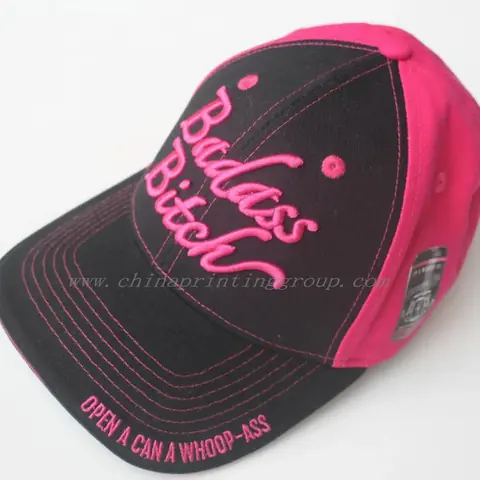
Custom Baseball Caps 100% Pure Cotton Perfect Embroidery
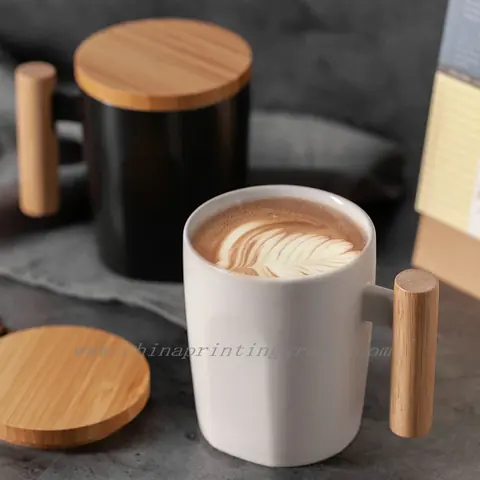
Branded Mugs 500ml Luxury Wooden Lid Ceramic Coffee Mugs
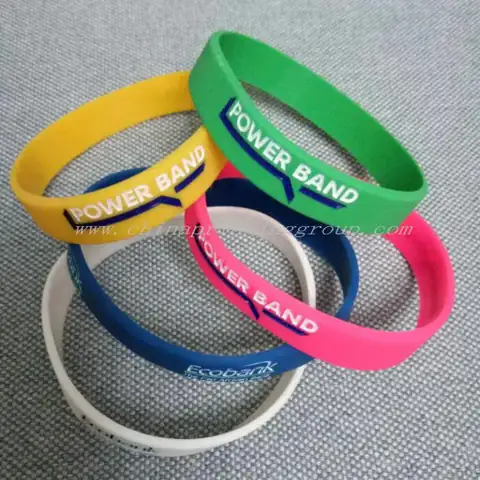
Silicone Bracelets Custom Logo Cheap Price 100% Eco-friendly Wristbands
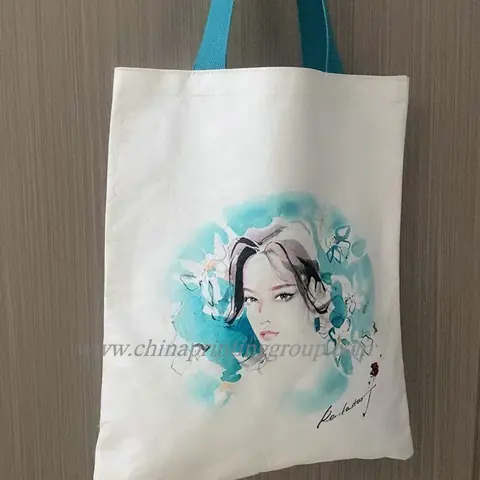
Custom Drawstring Bags Strong Canvas Bags Hold from 2-15kg
Where to Browse Next
Questions About This Topic
How many colours can a screen-printed design have?
There is no hard limit, but every colour needs its own screen and its own pass through the press, so each one adds setup cost and registration risk. Most promotional work stays within one to four colours. If your design genuinely needs continuous-tone photography, ask us to quote it as an offset or digital job instead.
Can you screen print onto curved items like bottles and mugs?
Yes. Cylindrical items are printed on a rotating jig so the screen contacts a narrow line of the surface as the item turns. The practical constraints are that the curve must be regular and the artwork must not wrap around sharp changes in diameter. Send us the item dimensions and we will confirm the printable area before you finalise the layout.
Is screen printing more expensive than digital printing?
It depends entirely on quantity. Screen printing carries a fixed screen-making cost and then a low cost per piece, so it wins at volume. Digital printing has almost no setup but a higher cost per piece, so it wins for samples and short runs. We quote both where the job sits near the crossover point.
How durable is a screen-printed image?
Durability comes from the ink system matched to the substrate rather than from the process itself. Plastisol and water-based inks cured correctly on textiles survive normal laundering; glass and ceramic inks are baked; UV-curable inks are used on plastics and metals. Tell us how the item will be used and cleaned and we will specify the ink accordingly.
What is the minimum order quantity for screen printing?
It varies by product. Some items have no minimum, while others sit in the 500-1000 piece range because of screen setup and material purchasing. Because screen costs are fixed per design, very small quantities carry a high unit price, so we will usually suggest digital or transfer printing below a few hundred pieces.
Have a Job That Needs This
Send the item, the quantity and the deadline and we will tell you which process fits and what it costs.