
Screen Printed Logo Shirts Cheap 100% Pure Cotton Promotion
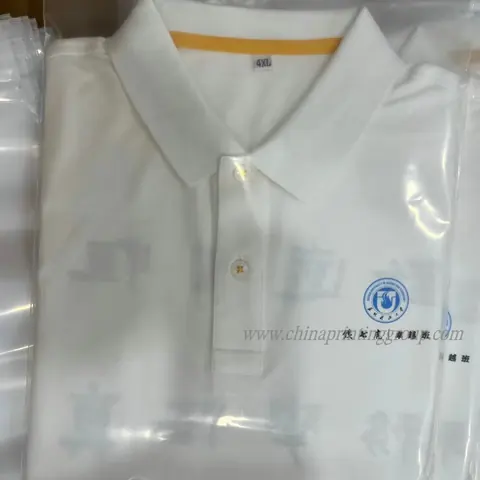
Short sleeve t-shirts screen printed with your logo on 100% cotton in four stock weights of 180gsm, 210gsm, 240gsm and 280gsm, or a weight you specify. The heavier 280gsm stock is the one used for oversized and streetwear cuts and for acid-washed and garment-dyed finishes, while 180gsm keeps the cost down for high-volume promotional runs. Unisex sizing runs XXS to 5XL across 22 stock colours, with custom printed neck labels available for own-brand supply.
What This Product Gives You
- Four fabric weights let you separate a cheap giveaway tee from a retail-grade heavyweight without changing supplier
- 280gsm cotton holds an oversized cut without clinging, which is what streetwear buyers are checking for
- Screen printing drives the unit cost down on promotional runs where the logo is a small number of solid colours
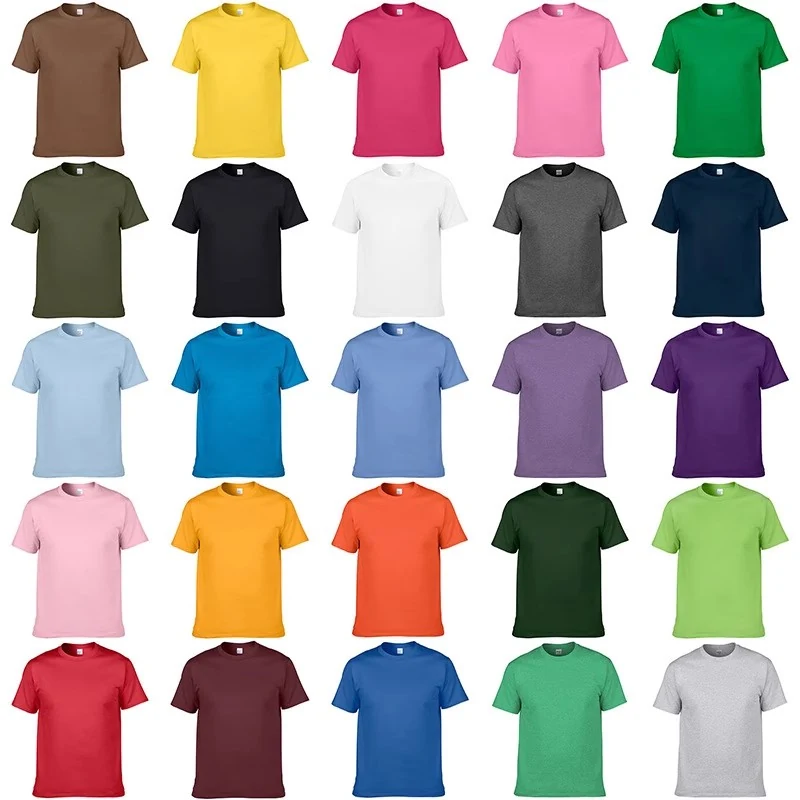
- 22 stock colours mean most brand palettes are matched without paying for a custom dye lot
- Anti-pilling and anti-shrink finishing keeps the shirt looking new after repeated washing
- A sample in 1-3 working days lets fabric weight and print position be confirmed before the bulk order
Where It Is Used and Who Buys It
Application Scenarios
- Promotional giveaway shirts at events and trade shows
- Streetwear and fashion label oversized tee lines
- Band, festival and tour merchandise
- Staff and volunteer identification shirts
- University, club and society merchandise
Who It Is For
- Streetwear and apparel brands sourcing blank and printed production
- Marketing teams buying promotional giveaway shirts
- Event and festival merchandise buyers
- Print brokers and distributors reselling decorated apparel
- Schools, clubs and charities running merchandise programmes
What Goes Wrong Without It
- One fabric weight for every job means a retail tee feels like a giveaway or a giveaway costs like retail
- Light cotton clings and shows through, which kills an oversized cut before it is worn
- Shirts that shrink or pill after two washes take the brand down with them
- A supplier stocking only a handful of colours pushes the design away from the brand palette
- Committing to a full run without touching the fabric leaves the weight decision to guesswork
Technical Features
- 100% cotton in 180gsm, 210gsm, 240gsm and 280gsm, or a custom weight
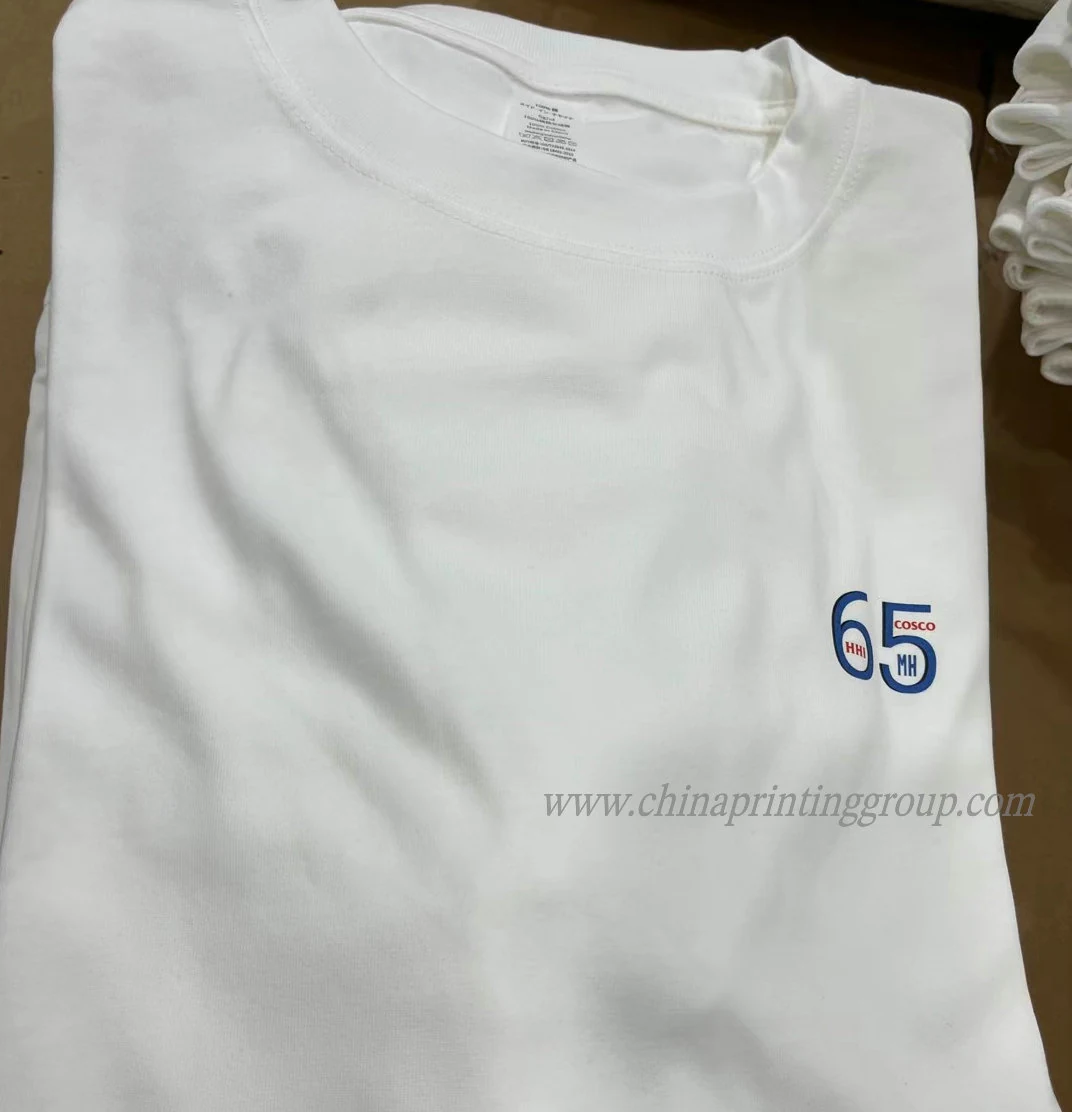
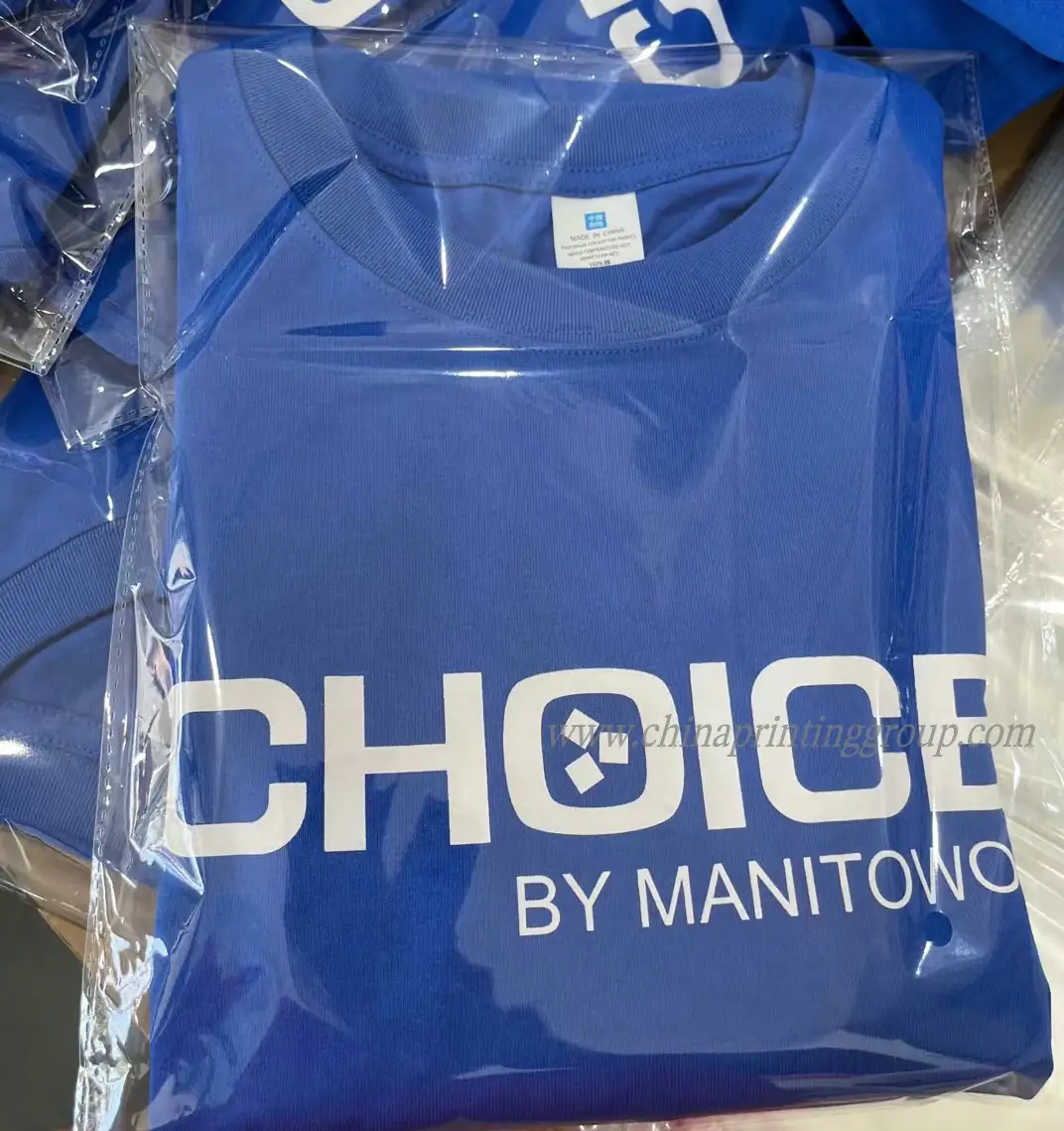
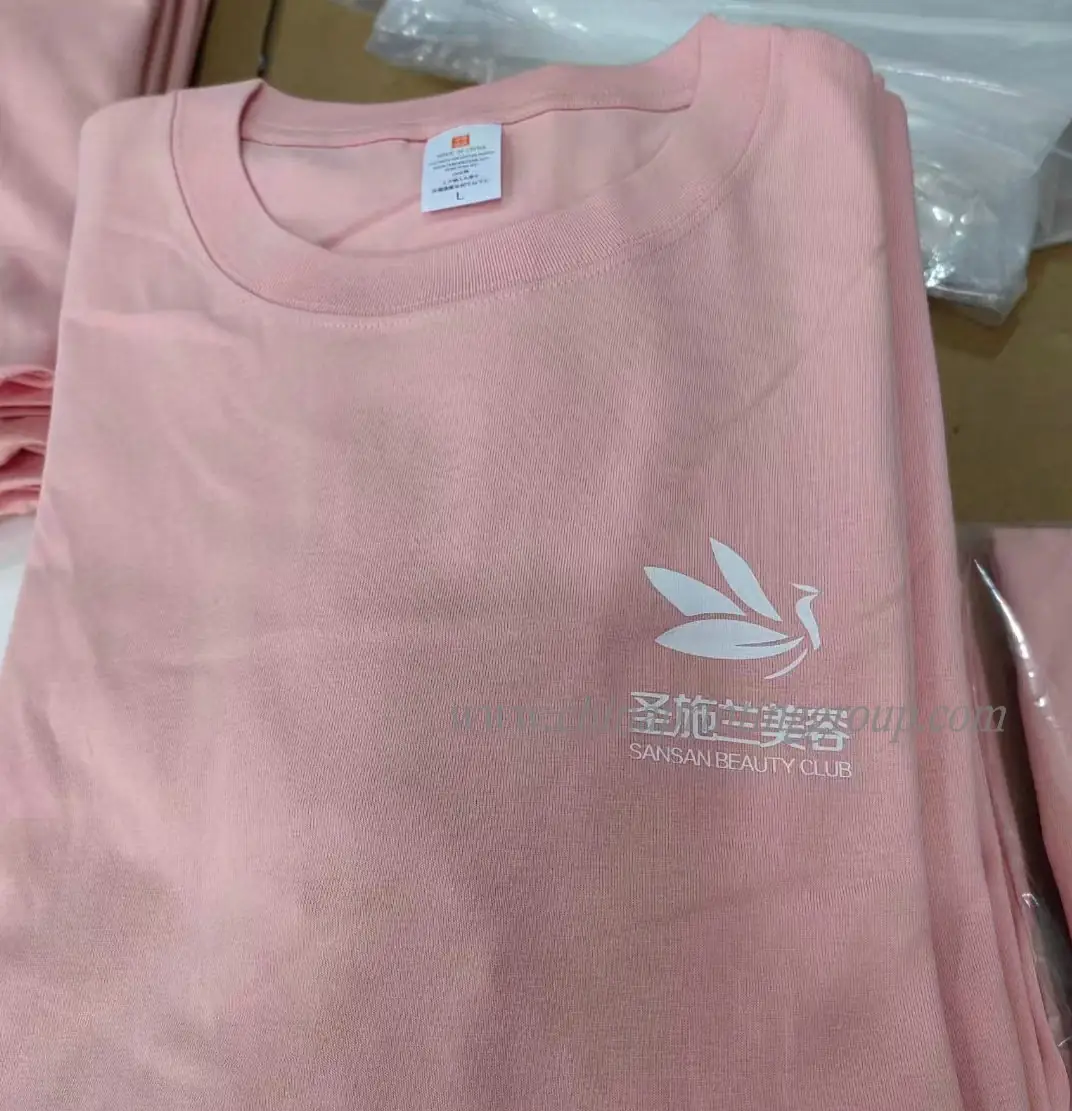
- Screen printing for solid colour logo work
- Acid wash and garment dye finishes available on the heavier stock
- Unisex sizing from XXS to 5XL
- 22 stock colours plus custom colour matching
- Custom printed neck and care labels
- Anti-pilling, anti-shrink, breathable and quick dry finish
Specification
| Material | 100% cotton |
|---|---|
| Weight | 180gsm, 210gsm, 240gsm, 280gsm or custom |
| Sleeve Style | Short sleeve |
| Gender | Unisex, all ages |
| Size | XXS to 5XL |
| Colour | 22 stock colours or custom colour |
| Printing | Custom logo screen printing |
| Label | Customised printed label |
| Fabric Features | Anti-pilling, anti-shrink, breathable, quick dry, no fading |
| Finishes | Acid wash, garment dye, oversized cut |
| Sample Lead Time | 1-3 working days |
| Sample Order Lead Time | 7 days |
| Service | ODM available, free design support |
Materials and Manufacturing Process
Materials
- Cotton
Manufacturing Process
- Artwork colour separation
- Screen making
- Fabric cutting
- Screen printing and curing
- Garment sewing
- Washing or dyeing where specified
- Inspection and folding
How This Job Is Checked
- Colour separations checked against the approved artwork before screens are made
- A printed strike-off approved for ink colour and position before the run starts
- Print registration checked on every shirt as it comes off the carousel
- Fabric weight verified against the ordered gsm on each production lot
- Photographs of the finished shirts sent for approval before shipment
What You Can Change
- Fabric weight chosen from 180gsm, 210gsm, 240gsm and 280gsm or specified to your own figure
- Colour taken from 22 stock options or matched to your reference
- Printed neck and care labels carrying your own brand
- Cut specified as regular, cropped or oversized
- Acid wash or garment dye finish applied after make-up
- Size grading adjusted across the XXS to 5XL range
Compared With the Alternatives
| Alternative | How This Compares |
|---|---|
| Direct-to-garment printing | Screen printing costs far less per shirt on a volume run, though DTG handles photographic artwork without colour separations |
| 180gsm cotton | 280gsm gives the weight and drape a retail tee needs, while 180gsm cuts the cost substantially on giveaway volumes |
| Polyester sublimation shirts | Cotton is more comfortable to wear all day, while sublimated polyester carries all-over photographic prints cotton cannot |
Getting the Best Result
- Supply artwork as vector with each print colour on its own layer to speed up separation
- Pick 280gsm for oversized and retail lines and 180gsm for high-volume giveaways
- Order a sample first, as 1-3 working days is enough to confirm the weight in the hand
- Specify the print position in millimetres down from the neck seam, not by eye
- Ask for custom printed neck labels if the shirts are sold under your own brand
- Keep the colour count low, since each extra screen colour adds setup to the run
Guides That Cover This Product
What Is Silk Screen Printing and When to Use It
Silk screen printing pushes ink through a stencilled mesh onto the surface below, laying down a far thicker ink film than offset or digital presses can. That thickness is why it prints opaque colour on dark fabric, glass, plastic and metal, and why it is the method behind most branded merchandise. This guide explains where it fits, what it cannot do, and how to prepare artwork for it.
Choosing a Printing Method for Your Design
Offset, letterpress, gravure, flexographic and screen printing produce visibly different results and each imposes its own limits on artwork. Choosing the method after the design is finished is how buyers end up paying for redraws and remakes. This guide sets out what each process does well, the design rules it imposes, and how paper choice and weight feed back into the decision.
What Is Digital Fabric Printing
Digital fabric printing sends a design straight from a computer to piezoelectric inkjet heads that spray dye onto cloth, with no screens, no rotary cylinders and no print paste to wash away. That removes both the setup cost and the effluent, which is why it has changed what a short textile run costs and how quickly it can be delivered. This guide covers the process, its colour range, its environmental case and where it fits in a buyer's schedule.
Screen Printed Logo Shirts Cheap 100% Pure Cotton Promotion FAQ
What fabric weights do you offer?
100% cotton in 180gsm, 210gsm, 240gsm and 280gsm, or any weight you specify.
How fast is a sample?
Sample time is around 1-3 working days, with a sample order lead time of 7 days including despatch.
What sizes are available?
Unisex sizing from XXS through to 5XL, with the grading adjustable to your measurement chart.
How many colours can I choose from?
22 stock colours are available, and custom colours are matched to your reference where the volume supports a dye lot.
Will the print fade in the wash?
The fabric is specified anti-pilling and anti-shrink with no fading, and cured screen inks hold through repeated washing.
Can you put our own label in the neck?
Yes, customised printed labels are standard, which is what own-brand retail supply needs.
Do you provide design help?
Yes, free design and artwork support is included, including preparing colour separations for screen printing.
Quote Screen Printed Logo Shirts Cheap 100% Pure Cotton Promotion
Send the quantity, size and finish. Digital samples run in 1-2 working days and custom sample cost is refunded once the bulk order is confirmed.