
Choosing a Printing Method for Your Design
Offset, letterpress, gravure, flexographic and screen printing produce visibly different results and each imposes its own limits on artwork. Choosing the method after the design is finished is how buyers end up paying for redraws and remakes. This guide sets out what each process does well, the design rules it imposes, and how paper choice and weight feed back into the decision.
What Each Method Actually Looks Like
Offset printing renders rich, subtle tonal work and is the default for commercial print. Letterpress gives sharp outlines, strong strokes and dense ink colour. Gravure produces clean lines and a fine, even appearance across long runs. Screen printing lays down a thick ink film with a raised, tactile quality. Flexographic work reads as bold blocks and lines with strong visual impact. Pick the one whose character matches the design's intent.
Designing for Offset Printing
Check that image resolution is sufficient and that trapping values suit the press and stock. Avoid building small text from all four colours, since any misregistration shows immediately at small sizes; set it in a single colour instead. Confirm that cutting and registration marks are complete, and be cautious with large full-page solid colour areas, which expose any unevenness in ink lay.
Paper Grain and Post-Press Requirements
The relationship between the direction of your graphics and text and the direction of the paper fibres affects how a sheet folds, binds and lies flat. Decide folding, binding, die-cutting and lamination before the layout is finalised, not after, and leave the tolerances those operations need. Post-press is where a design that looked fine on screen most often becomes expensive.
Designing for Gravure Printing
Most gravure substrates have significant thermal expansion, and high-speed running adds further heat deformation, which makes accurate multi-colour registration harder than on other processes. Where the design allows, avoid multi-colour overprinting and build the artwork so that colours meet rather than depend on precise alignment. This matters most on film and flexible packaging work.
Designing for Flexographic Printing
Flexo does not hold very small type or very thin lines, so set minimum sizes generously. Avoid building lines and text out of two or more overprinted colours, since registration tolerance is wider than on offset. Also avoid small, low-contrast text and fine detail against busy backgrounds; the process rewards simple, high-contrast shapes.
Designing for Screen Printing
Screen printing has different accuracy requirements for line and dot detail than conventional methods. Very fine lines and small dots in the original artwork are difficult to hold during platemaking and will not reproduce reliably, so the process is not suited to reproducing fine detail from a photographic original. Design in solid shapes and accept that halftone work belongs elsewhere.
Matching the Material to the Method
Printability varies enormously between stocks, and the same file on two materials can produce very different results. Single-sided coated paper, single-sided offset paper, single-sided coated cardboard, art paper, white board, gold paper and aluminium foil paper all take ink differently. Confirm the material before artwork is finalised, because the method, the trapping and the colour build all follow from it.
Getting Paper Weight Right
Specification errors in weight add cost without adding value. For books and magazines, covers, inserts and endpapers generally use 100-150gsm up to 200 pages and 120-180gsm above 200 pages; insert pages typically run 80-150gsm; endpapers are usually chosen between 80 and 150gsm depending on the thickness of the book. Set these against the binding method, not in isolation.
Bringing the Decision to a Supplier Early
Our Beijing and Shenzhen plants run offset on Heidelberg 102-7+1XL, Heidelberg SM102-4 and Akiyama BT-440 presses, along with digital, UV, automatic and manual screen printing, hot foil stamping, letterpress, flexographic printing, thermal transfer barcode printing and laser cutting and engraving. Bringing a design in before it is locked lets us tell you which of those routes will hold it and what it will cost.
What to Remember
- Choose the printing method before the artwork is finalised, not after.
- Keep small text in one colour on offset; keep it larger and higher contrast on flexo.
- Avoid multi-colour overprinting on gravure because of substrate thermal movement.
- Screen printing cannot hold fine lines or small halftone dots; design in solids.
- Confirm stock and weight early, since trapping and colour build depend on them.
Products This Guide Covers
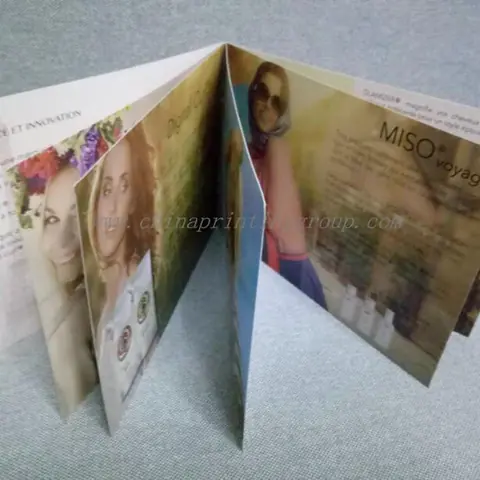
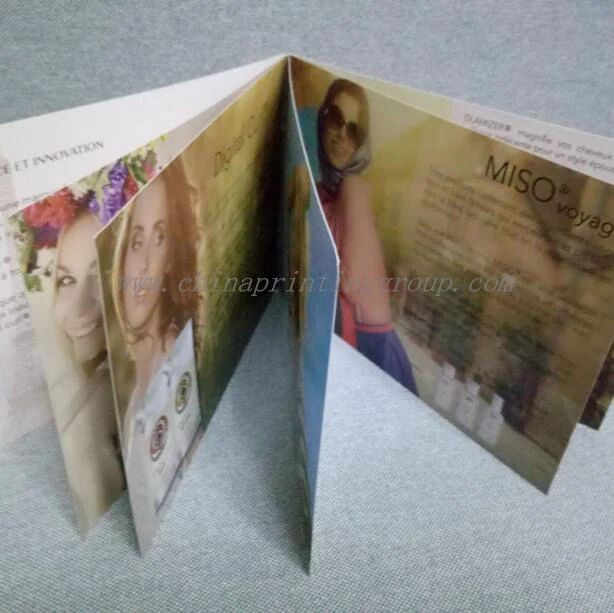
Brochure Printing Services A5 Size Professional Fast Turnaround Booklets
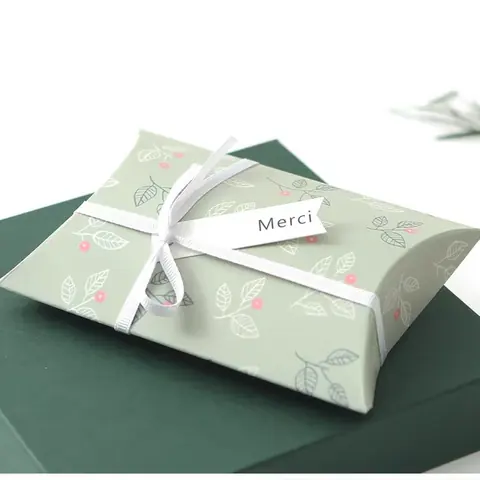
Custom Box Printing Pillow Box Gift Packaging 4C Printed
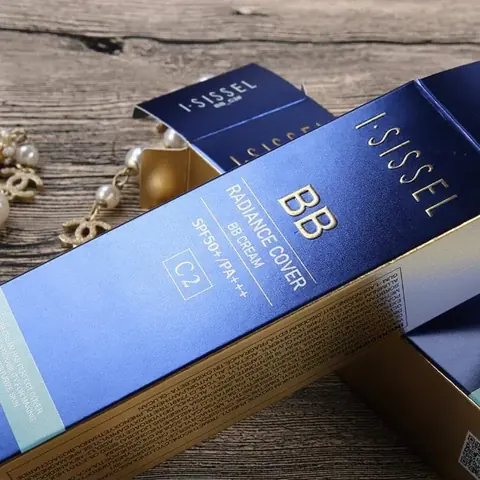
Printed Corrugated Boxes Cardboard 4C for Cosmetic Beauty
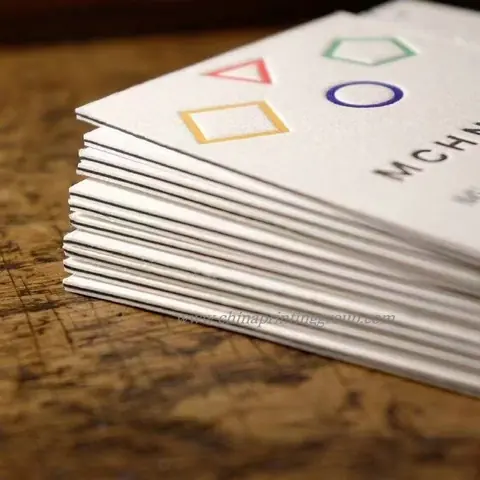
High Quality Custom Letterpress Business Cards MOQ 200pcs
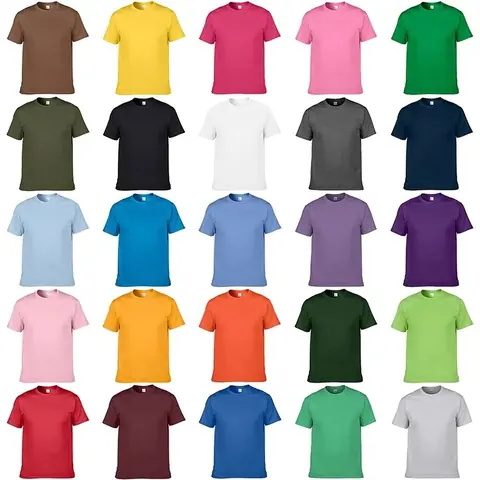
Screen Printed Logo Shirts Cheap 100% Pure Cotton Promotion
Where to Browse Next
Questions About This Topic
Which method should I use for a folding carton?
Offset is the usual choice for cartons on board, because it holds detail and handles the colour work most brand packaging needs. Screen printing is then added where you want opaque white, heavy spot colour or a raised tactile panel, and foil stamping or embossing is applied afterwards. Send us the structure and the artwork together and we will confirm the sequence.
When is digital printing the right answer instead?
For small quantities, variable content, and samples or approval copies, where the cost of making plates dominates the job. Digital work turns round in 1-2 working days. Once quantities rise into normal commercial volumes, offset becomes cheaper per piece and gives you access to a wider range of stocks and finishes.
How do I know if my image resolution is high enough?
Raster images should be at least 300dpi at the size they will actually print, not at the size they were supplied. Enlarging a 300dpi file by 200 per cent leaves you with 150dpi in practice. We preflight every file for resolution, trapping and font issues before imposition and will tell you what needs replacing.
What file formats do you accept?
PDF, AI, PSD and JPEG. Fonts should be saved as outlines so there is no substitution risk, and raster content should be at a minimum of 300dpi. If your file needs restructuring for the chosen method, we will flag it at preflight rather than after plates are made.
Can one job use more than one printing method?
Frequently, and it is often the cheapest way to get the result you want. A typical combination is offset for the main image, screen printing for a raised or opaque element, and hot foil stamping or laser engraving for a finishing detail. Because these processes run in our own plants, they stay within one production plan and one schedule.
Have a Job That Needs This
Send the item, the quantity and the deadline and we will tell you which process fits and what it costs.