Stress Control and Insulation Tubes
C107 Plastic and Elastomeric Insulation Double Layer Heat Shrink Tube
Ultra heavy wall insulation for joints where the cable screen is restored separately from 6 kV to 36 kV
- Operating temperature: -55 to 105°C
- Minimum fully recovery temperature: 150°C
- Voltage class: 6kV ~ 36kV
- Halogen-free, RoHS compliant, Ultra heavy wall
- Plastic insulation and Elastomeric Insulation
- Standard Color: Red
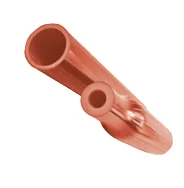
C107 · Stress Control and Insulation Tubes
Product Overview
What C107 Does
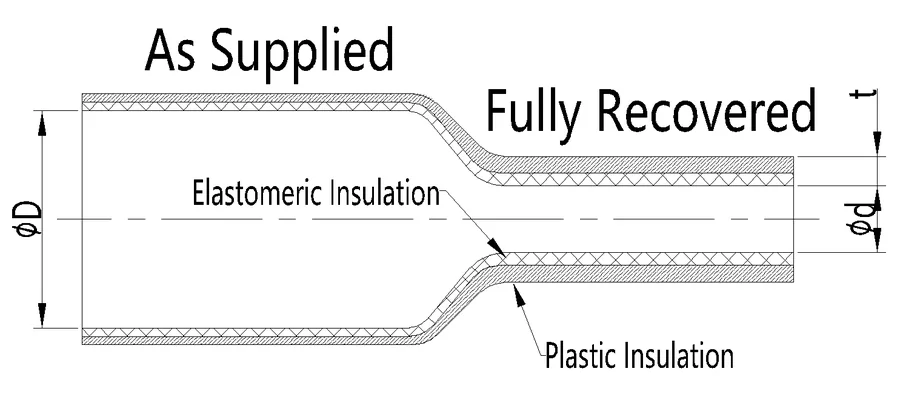
Co-extrusion design,thermoplastic insulation/elastomeric insulation double layer heat shrink tube.The elastomeric layer is designed to have a fast shrinkage rate to avoid overheating damage.Suitable for insulation protection of power cable joint under 36kV.
Ultra heavy wall insulation for joints where the cable screen is restored separately from 6 kV to 36 kV It is manufactured by Dalian United Polymer Material Co., Ltd. in Dalian China where radiation cross linking extrusion and molding are all performed in house under one quality system.
Key Benefits
- Ultra heavy wall insulation in a single shrink operation
- Fast recovering elastomeric inner layer that removes voids at the connector
- Halogen free and RoHS compliant for enclosed and public infrastructure
- Compatible with any separate screen restoration method the design calls for
- Same 150 °C recovery behaviour as C106 so crews use one technique
Who It Is For
Who Benefits Most from C107
The buyers and site teams this product was designed around
Joint Kit Designers Using Separate Screen Restoration
Designs that use a separate semiconductive layer or conductive tape need a pure insulation tube with the same wall build.
Utilities with Legacy Joint Designs
Networks whose approved joint drawing calls for insulation and screen as separate steps.
Accessory Manufacturers Building Custom Kits
Kit builders who mix and match layers to match a customer specification.
Repair Contractors
Rebuilding a joint where only the insulation layer has been damaged.
Problems It Solves
Problems This Product Removes
Every one of these is a failure mode we have seen on real networks
Not Every Joint Design Wants a Bonded Screen
Where the screen is restored with conductive tape or a separate tube a pure insulation build is needed with the same thickness and recovery behaviour.
Thick Insulation Walls Need a Fast Inner Layer
The elastomeric inner layer recovers quickly and conforms to the connector so voids do not form under a thick plastic outer layer.
Halogen Release in Tunnels and Shafts
C107 is halogen free and RoHS compliant which suits enclosed cable routes.
Overheating Damage During Long Shrink Cycles
The two layer design reaches conformity from the inside first which shortens the time the outer surface spends under flame.
Application Scenarios
Where It Is Used
Joints with Taped Screen Restoration
Where conductive tape restores the screen over the insulation.
Custom Joint Kit Builds
Kit designs assembled to a customer approved drawing.
Insulation Repair on a Damaged Joint
Rebuilding insulation without disturbing an intact screen.
Transition Joints
Where the two cables use different screen systems.
Industrial MV Distribution
Plant joints where the maintenance team follows an established build sequence.
Technical Data
Specifications and Dimensions
Test methods and requirements taken directly from the manufacturing specification
Technical Data
| Property | Test Method | Requirement |
|---|---|---|
| Outer Layer (Plastic Insulation, red) | ||
| Tensile Strength | ASTM D2671 | ≥12 MPa |
| Ultimate Elongation | ASTM D2671 | ≥350% |
| Heat Aging (136°C/168h) Tensile Strength Ultimate Elongation | ASTM D2671 | ≥10 MPa ≥270% |
| Water absorption (23°C/24h) | ASTM D2671 | ≤0.5% |
| Low-temperature flexibility (-40°C/4h) | ASTM D2671 | No cracking |
| Heat shock (200°C/4h) | ASTM D2671 | No dripping or flowing |
| Dielectric strength | ASTM D2671 | ≥15 kV/mm |
| Volume resistivity | ASTM D2671 | ≥1.0×10¹³ Ω·cm |
| Inner Layer (Elastomeric Insulation, red) | ||
| Tensile Strength | ASTM D2671 | ≥6 MPa |
| Ultimate Elongation | ASTM D2671 | ≥270% |
| Heat Aging (136°C/168h) Tensile Strength Ultimate Elongation | ASTM D2671 | ≥4.2 MPa ≥200% |
| Water absorption (23°C/24h) | ASTM D2671 | ≤0.5% |
| Low-temperature flexibility (-40°C/4h) | ASTM D2671 | No cracking |
| Heat shock (200°C/4h) | ASTM D2671 | No dripping or flowing |
| Dielectric strength | ASTM D2671 | ≥15 kV/mm |
| Volume resistivity | ASTM D2671 | ≥1.0×10¹³ Ω·cm |
| Note: Use standard samples for testing |
Dimensions
| Size C107 | As supplied(mm) Inner diameter D (min.) | After recovered (mm) Inner diameter d (max.) | Wall thickness t (nom.) | Standard length (m/pcs) |
|---|---|---|---|---|
| 35/13 | 35 | 13 | 11 | ≤1.22 |
| 45/17 | 45 | 17 | 12 | ≤1.22 |
| 50/21 | 50 | 21 | 12 | ≤1.22 |
| 63/26 | 63 | 26 | 12.5 | ≤1.22 |
| 75/34 | 75 | 34 | 12.5 | ≤1.22 |
| 85/34 | 85 | 34 | 12.5 | ≤1.22 |
| 95/42 | 95 | 42 | 13.5 | ≤1.22 |
| 110/52 | 110 | 52 | 14 | ≤1.22 |
| 125/62 | 125 | 62 | 14 | ≤1.22 |
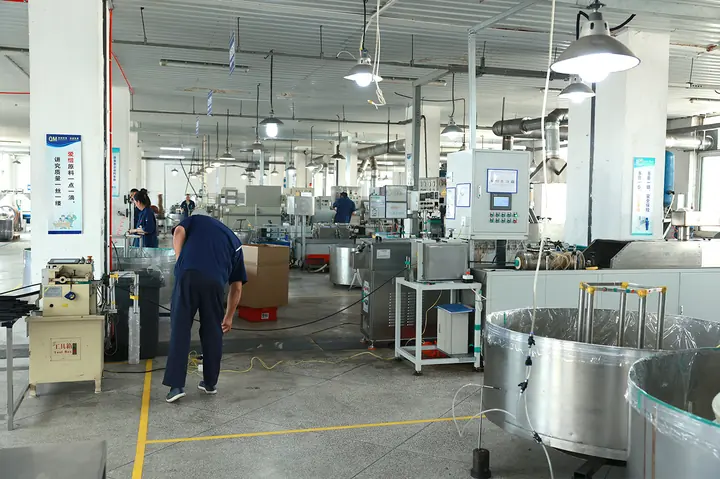
Manufacturing and Quality
How It Is Made and Checked
Compounding extrusion radiation cross linking expansion and test all under one roof in Dalian
-
01
Compounding
Base polyolefin antioxidants flame retardants and functional fillers are mixed to a recipe held under our own formulation control rather than bought as a masterbatch.
-
02
Extrusion
The compound is extruded to the required wall and diameter. Co extruded products form two or three layers in a single pass so no interface can trap air.
-
03
Radiation Cross Linking
Electron beam irradiation creates the cross linked network that gives the material its shape memory. This step is what makes the product heat shrinkable.
-
04
Expansion
The cross linked part is heated expanded to its supplied diameter and cooled under tension so the expanded shape is locked in until heat is applied again.
-
05
Test and Inspection
More than 90 percent of product performance tests are carried out in our own laboratory including tensile elongation heat aging dielectric strength and tracking resistance.
-
06
Packing and Traceability
Each batch carries a production record so a delivered part can be traced back to its compound lot and process parameters.
Certification
ISO 9001:2015
Quality management system
IATF 16949:2016
Automotive quality management
ISO 14001:2015
Environmental management
ISO 45001:2018
Occupational health and safety
GJB 9001C-2017
Defence quality management
UL 224 E341796
Extruded insulating tubing
CE / RoHS
European conformity and restricted substances
CCS / ABS / DNV
Marine classification society approvals
Comparison
How C107 Compares
An honest comparison so you can rule this product in or out quickly
| Product | Includes Semiconductive Screen | Wall Class | Use Case |
|---|---|---|---|
| C105 | Yes | Heavy wall | Screen and insulation in one step |
| C106 | Yes | Ultra heavy wall | Full 35 kV joint build in one step |
| C107 | No | Ultra heavy wall | Insulation only where screen is separate |
Use Guide
How to Select and Install C107
The sequence our engineers walk customers through on every first installation
-
01
Confirm the Joint Design
Use C107 only where the screen is restored by a separate layer or tape. Where the screen must be part of the tube choose C105 or C106.
-
02
Park Before Crimping
Slide the tube well down the cable before the conductor connector is made.
-
03
Check Size Clearance
Supplied diameter must clear the connector and recovered diameter must be smaller than the cable core.
-
04
Heat from the Centre Outward
Recovery needs 150 °C. Work from the middle to each end with a broad soft flame.
-
05
Confirm Conformity at the Shoulders
The elastomeric inner layer should be visibly tight against the connector shoulders with no bridging.
-
06
Complete the Screen and Outer Seal
Apply the screen restoration the design specifies then finish with an adhesive lined outer tube.
FAQ
C107 Frequently Asked Questions
The questions buyers ask before they place an order
How is C107 different from C105
Why is there an elastomeric layer if the tube is insulation only
Is the tube red all the way through
What voltage class does it suit
Is it halogen free
Can I mix C107 with your other layers
Still need an answer ask our engineers on WhatsApp
Related
Related Products
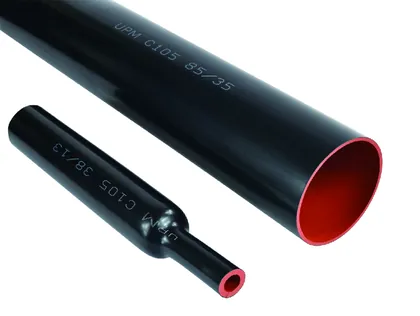
C105 Double Layer Tube
Co extruded heavy wall tube that restores insulation and the outer semiconductive screen in one operation up to 36 kV
VIEW DETAILS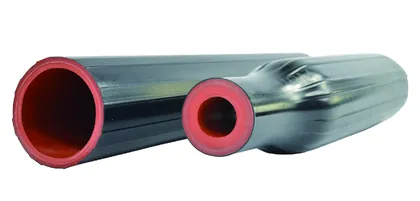
C106 Tri Layer Tube
Ultra heavy wall tube combining semiconductive screen plastic insulation and a fast recovering elastomeric inner layer
VIEW DETAILS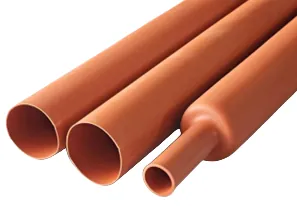
C101 Non Tracking Tube
Red anti tracking outer insulation for indoor and outdoor terminations and joints from 6 kV to 36 kV
VIEW DETAILS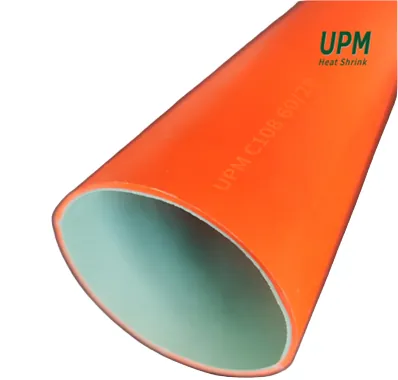
C108 Composite Tube
A single tube that carries both anti tracking insulation and a zinc oxide stress control sealant for terminations up to 24 kV
VIEW DETAILSGet a Quotation for C107
Send us the voltage class conductor size and quantity and we will return a part number a price and a lead time. No form to fill in.