
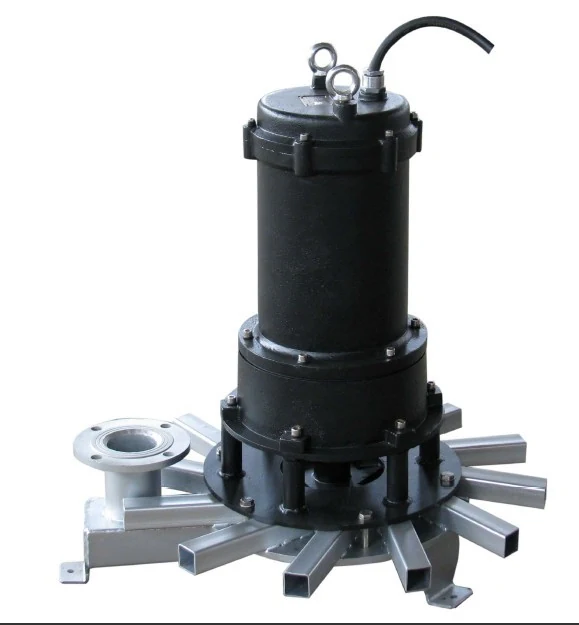
Submersible Aerators And Mixers
SKCB Submersible Aerator
Self priming aerator combining pump blower and gas liquid mixer.
View specifications →Product Lines
Centrifugal PumpsSanitary PumpsMicro Gear And Magnetic Drive PumpsPeristaltic And Dosing PumpsRubber Lobe PumpsProgressing Cavity PumpsGear PumpsHigh Temperature PumpsSubmersible Aerators And MixersStainless Steel Tanks And VesselsHigh Shear EmulsifiersMagnetic MixersDefoaming MachinesVinegar AcetatorsSanitary Valves And FittingsSanitary Manhole CoversStainless Steel Pipe FittingsIndustries
Water Supply And DrainageWastewater And SewageWater TreatmentChemical And PetrochemicalFood And BeveragePharmaceutical And BiotechPulp And PaperMining And MarineSolutions
Sanitary Process Line PackagesWastewater Aeration And MixingThermal Oil And Hot Water CircuitsChemical Dosing And TransferKnowledge CenterDocumentationAboutContact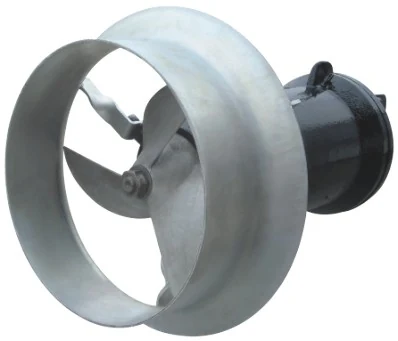
Industry Application
Sewage plant equipment fails for two reasons: it blocks, or it cannot put enough oxygen into the basin. The aerators, mixers and lobe pumps on this page are built for exactly those two jobs.
Screened sewage still carries rag, hair and fibre. A rubber lobe pump passes it because the flow path is short and wide and the rotors do not touch.
Coarse bubbles rise and burst without transferring much oxygen. Fine dispersion at around 100 microns puts far more surface area into the same volume of air.
Dead zones reduce working volume and produce odour. Submersible mixers keep the whole basin moving.
Recommended Equipment
Aerators and mixers sit in the basin. Lobe and progressing cavity pumps move what settles out of it.
Submersible Aerators And Mixers
Self priming aerator combining pump blower and gas liquid mixer.
View specifications →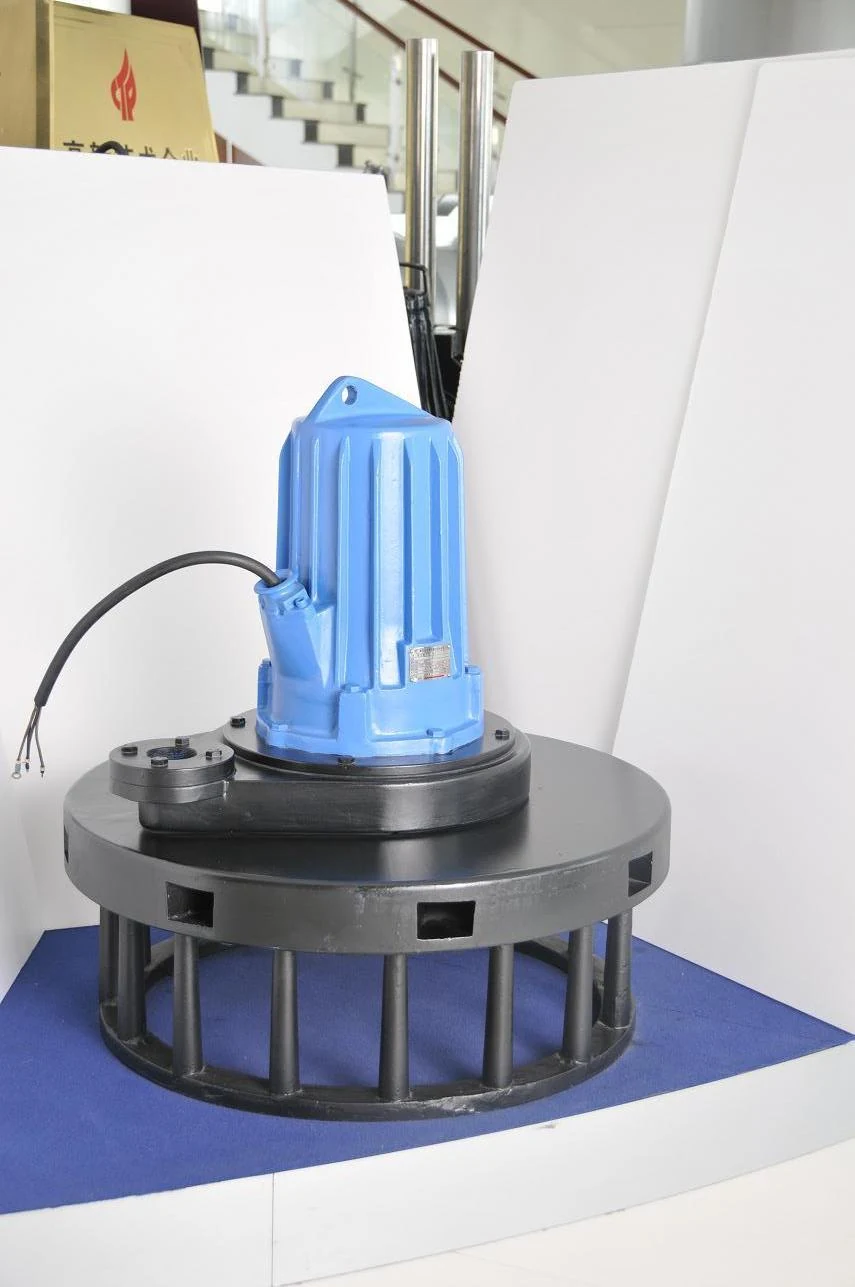
Submersible Aerators And Mixers
Self priming aerator for oxygen transfer and mixing in basins.
View specifications →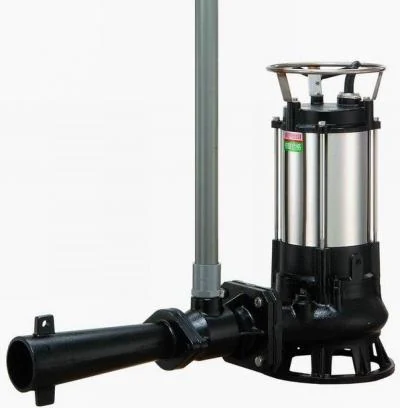
Submersible Aerators And Mixers
Jet type aerator driving a mixed air and water stream through the basin.
View specifications →
Submersible Aerators And Mixers
Mechanical mixer for sludge tanks and other liquid volumes.
View specifications →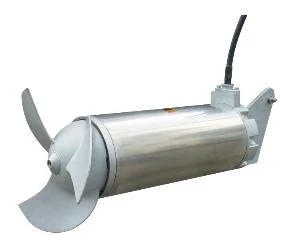
Submersible Aerators And Mixers
Second submersible mixer build for larger or deeper tanks.
View specifications →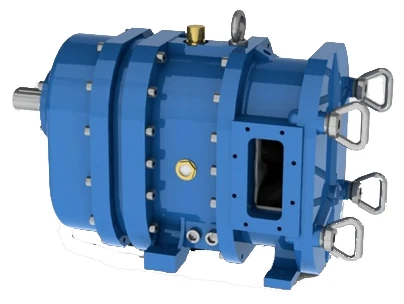
Rubber Lobe Pumps
The rubber lobe pump specified for sludge handling duty.
View specifications →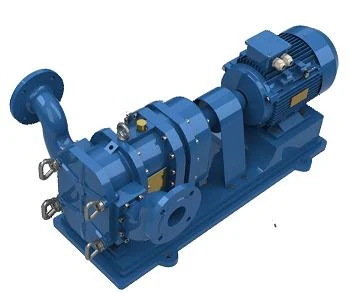
Rubber Lobe Pumps
Rubber covered lobe rotors for liquid with lumps fibre and gas.
View specifications →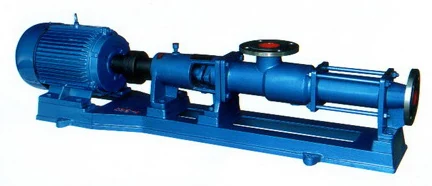
Progressing Cavity Pumps
Single screw pump for viscous media with or without solids.
View specifications →Typical Scenarios
Oxygen supply and mixing in the aeration tank, including pre-aeration and sludge stabilisation stages.
Moving thickened sludge to a belt press or centrifuge at a steady, low pulsation rate.
Mixing without aeration, where oxygen would work against the process.
How We Work
Volume, depth, shape and organic load. That is what sizes aeration, not the pump catalogue.
Number of units and their placement, fixed or floating, with lifting and guide rail arrangements.
Units are assembled and tested at the works, with the motor and cable arrangement matched to the site supply.
Installation guidance, commissioning and spares held against the model number.
Delivery
Answers
It follows the oxygen demand and the basin geometry. Send volume, depth and load in kilograms of BOD per day and we will propose a number and a layout.
Yes, where a guide rail and lifting arrangement is fitted. Specify it with the order because retrofitting it later means working in a full basin.
Rubber lobe pumps for sludge with rag and fibre, progressing cavity pumps where viscosity is high and flow must be steady.
The rubber lobe pump is reversible without restriction, which is how blockages are cleared without opening the line.
The lobe and progressing cavity pumps are self priming to a maximum of 8.5 metres, subject to the suction line layout.
Keep Reading
Those three numbers size the aeration. Add the sludge dry solids and we will size the pump with it.