
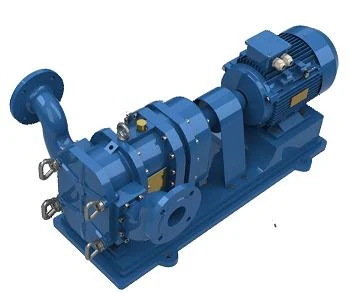
Rotary lobe pump
KRL Rubber Lobe Pump
Rubber covered lobe rotors for liquid with lumps fibre and gas.
View specifications →Product Lines
Centrifugal PumpsSanitary PumpsMicro Gear And Magnetic Drive PumpsPeristaltic And Dosing PumpsRubber Lobe PumpsProgressing Cavity PumpsGear PumpsHigh Temperature PumpsSubmersible Aerators And MixersStainless Steel Tanks And VesselsHigh Shear EmulsifiersMagnetic MixersDefoaming MachinesVinegar AcetatorsSanitary Valves And FittingsSanitary Manhole CoversStainless Steel Pipe FittingsIndustries
Water Supply And DrainageWastewater And SewageWater TreatmentChemical And PetrochemicalFood And BeveragePharmaceutical And BiotechPulp And PaperMining And MarineSolutions
Sanitary Process Line PackagesWastewater Aeration And MixingThermal Oil And Hot Water CircuitsChemical Dosing And TransferKnowledge CenterDocumentationAboutContact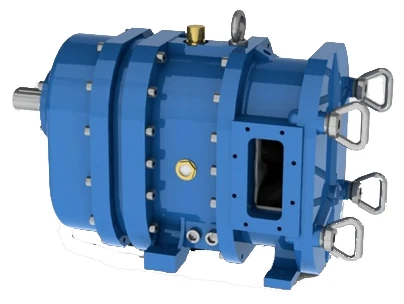
2 models rubber covered rotors self priming to 8.5 m
Positive displacement lobe pumps with rubber covered rotors, built for wastewater, chemical and oil duties where the liquid carries lumps, fibre and hair that block other pumps.
The Range
The KRL lobe pump and the sludge lobe pump share the design. Which name appears on your quotation depends on whether the duty is general industrial or sludge handling.
Rotary lobe pump
Rubber covered lobe rotors for liquid with lumps fibre and gas.
View specifications →
Sludge lobe pump
The rubber lobe pump specified for sludge handling duty.
View specifications →Large bucket geometry and a short passage through the pump let lumps, fibre and hair pass instead of wrapping around an impeller.
Wear parts are replaced in place by the site team without dismantling pipework or lifting the machine out of the line.
The compact lobe design takes between a quarter and two thirds of the floor area of an equivalent screw pump.
Why This Line
Operation is reversible without restriction, which lets the plant clear a blockage or empty a line without repiping.
Self priming capacity to a maximum of 8.5 metres, so the pump can pull from a sump below floor level.
The sealing cavity is kept separate and wetted, which protects the seal faces on abrasive and intermittent duty.
Application Scenarios
Moving thickened sludge between tanks, into a dewatering unit or out to a tanker.
Liquids carrying entrained gas, which cause a centrifugal pump to lose prime and run dry.
Cast iron or stainless bodies for chemical and oil transfer where solids are part of the liquid.
Selection Guide
Particle size, fibre content and dry solids percentage matter more than viscosity for this duty.
Positive displacement pumps are sized on flow and differential pressure, not on a head curve.
Cast iron for general sludge, stainless steel where the liquid is corrosive. Rotors are rubber covered in both cases.
Leave room at the cover end so the rotors and wear plates can be changed in place, which is the main advantage of this pump.
Answers
Yes. It is built for liquid carrying lumps, fibre and hair, and it runs reversible so a blockage can be cleared without opening the line.
Self priming capacity is a maximum of 8.5 metres. Long suction lines reduce that figure, so send the layout with the enquiry.
Yes, that is the point of the design. Rotors and wear parts are replaced in place by service personnel without dismantling pipework or lifting the machine.
Cast iron suits sewage and general sludge. Stainless steel is used where the liquid is chemically aggressive. The rotors are rubber covered on both.
It occupies far less floor space, between a quarter and two thirds of an equivalent screw pump, and wear parts change faster. A progressing cavity pump still wins on very high viscosity and steady low pulsation flow.
Engineering Notes
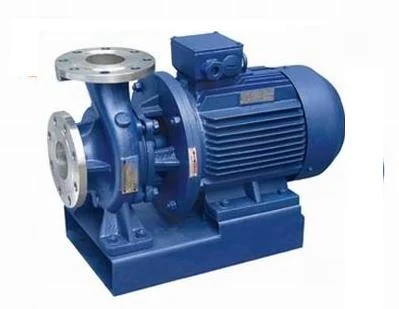
Maintenance Guide
One seals better and costs more to replace. The other leaks by design and can be adjusted by anyone on site. Choose against the liquid and the maintenance team.
Read the guide →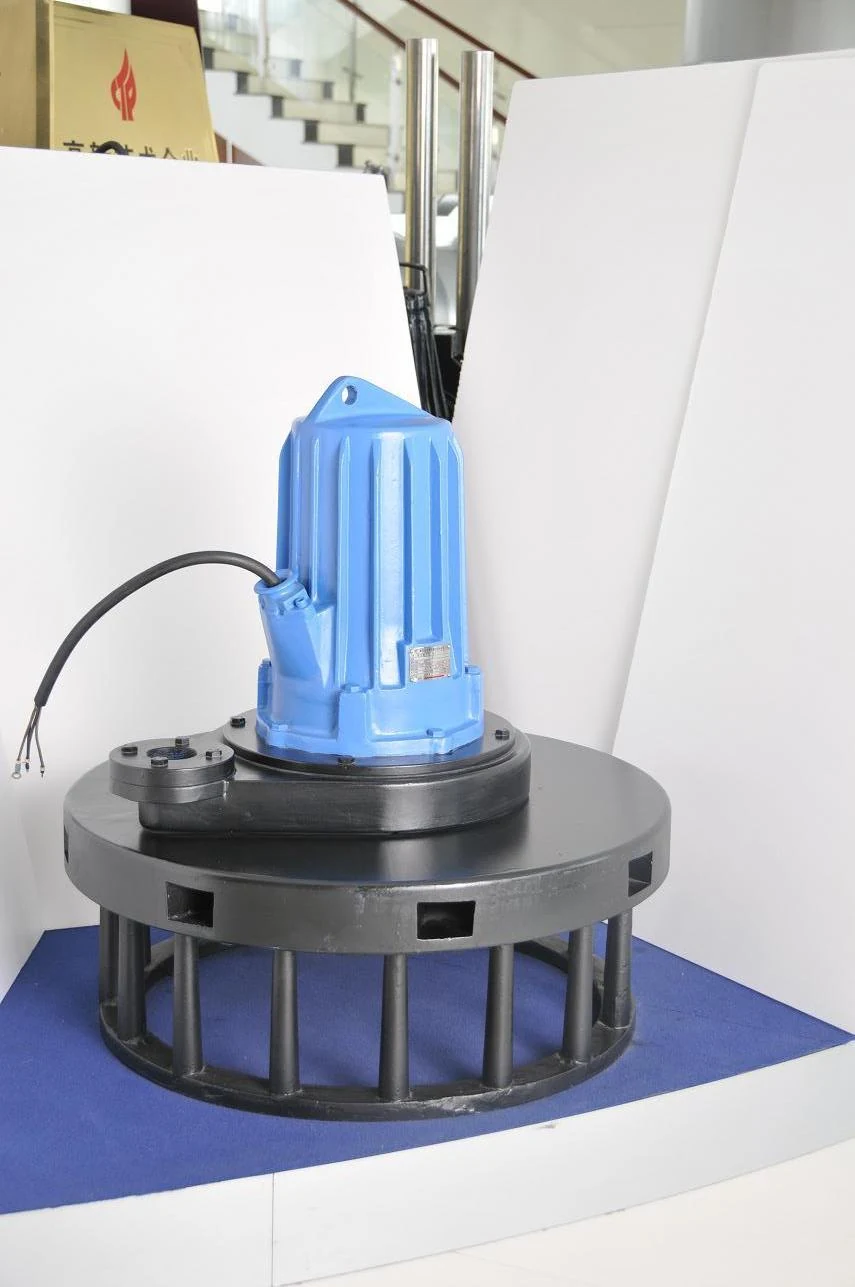
Design Guide
Oxygen demand sets the capacity, basin geometry sets the number of units, and the lifting arrangement decides whether maintenance needs a shutdown.
Read the guide →Solids size, fibre content and dry solids percentage decide the model. Send those with the flow and we will quote the set.