
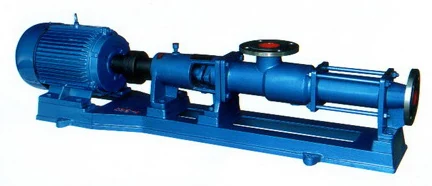
Screw Pump
SKPG Progressing Cavity Pump
Single screw pump for viscous media with or without solids.
View specifications →Product Lines
Centrifugal PumpsSanitary PumpsMicro Gear And Magnetic Drive PumpsPeristaltic And Dosing PumpsRubber Lobe PumpsProgressing Cavity PumpsGear PumpsHigh Temperature PumpsSubmersible Aerators And MixersStainless Steel Tanks And VesselsHigh Shear EmulsifiersMagnetic MixersDefoaming MachinesVinegar AcetatorsSanitary Valves And FittingsSanitary Manhole CoversStainless Steel Pipe FittingsIndustries
Water Supply And DrainageWastewater And SewageWater TreatmentChemical And PetrochemicalFood And BeveragePharmaceutical And BiotechPulp And PaperMining And MarineSolutions
Sanitary Process Line PackagesWastewater Aeration And MixingThermal Oil And Hot Water CircuitsChemical Dosing And TransferKnowledge CenterDocumentationAboutContact
1 model single screw to 350 degrees
Single screw pumps that move low to high viscosity media with or without solids at steady low pulsation flow, in any mounting position.
The Range
One model family covering low to high viscosity duties, with cast iron or stainless wetted parts and a choice of mechanical seal or gland packing.
Screw Pump
Single screw pump for viscous media with or without solids.
View specifications →High viscosity media stall a centrifugal impeller. A progressing cavity pump carries the medium in sealed cavities from suction to discharge regardless of viscosity.
The rotor and stator geometry gives steady low pulsation delivery, which matters when feeding a filter press, a dosing point or a flow meter.
The pump can be installed in any position, which lets the layout follow the plant rather than the other way round.
Why This Line
A large spherical entrance port lets solid laden media enter the pump instead of bridging at the suction.
Self priming to 8.5 mWS, including with air or gas liquid mixtures, so the pump recovers after the line drains.
Direction of rotation and therefore delivery flow can be reversed, useful for emptying lines and clearing blockages.
Application Scenarios
Feeding dewatering equipment at a controlled rate where flow steadiness decides the result.
Moving pastes and preparations without shearing them, at a rate the filling line can take.
High viscosity oil and chemical media, with material chosen for the liquid rather than the pressure.
Selection Guide
Viscosity at the pumping temperature, not at ambient. This single number moves the model size more than anything else.
The entrance port and cavity size have to suit the largest particle in the liquid.
Flow sets the pump size, differential pressure sets the number of stages.
Mechanical seal or gland packing, cast iron or stainless steel, depending on the liquid and the maintenance regime.
Answers
The data sheet gives a maximum permissible fluid temperature of 120 degrees Celsius standard and 350 degrees on the high temperature build. State the working temperature in the enquiry so the right version is quoted.
No. The stator relies on the liquid for lubrication and will be damaged by dry running. Where the suction can empty, fit dry run protection.
Flanged connections are standard on this model.
A screw pump gives smoother, lower pulsation flow and handles higher viscosity. A rubber lobe pump takes less floor space and its wear parts change faster in place.
Casing and internal parts in cast iron, stainless steel or bronze, chosen for the liquid.
Engineering Notes
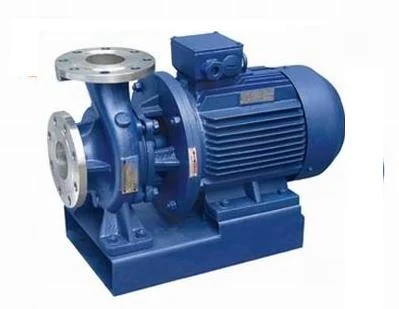
Maintenance Guide
One seals better and costs more to replace. The other leaks by design and can be adjusted by anyone on site. Choose against the liquid and the maintenance team.
Read the guide →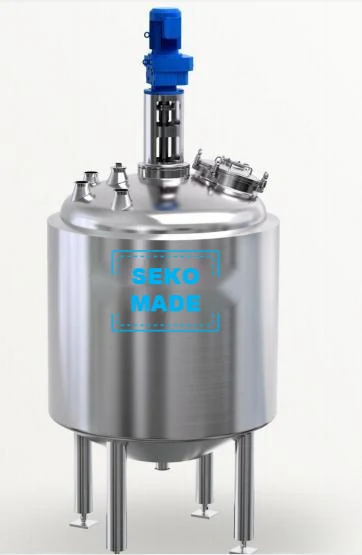
Material Guide
The difference is molybdenum and carbon content. What that means on your plant is chloride resistance and how the material behaves after welding.
Read the guide →Those three numbers size a progressing cavity pump. Add the temperature and we can confirm the stator material too.